Common health issues in dog breeds often stem from genetics, structure, and lifestyle factors. Understanding breed-specific risks helps you prevent illness and support long-term health.
The right diet for dog breeds varies greatly between small and large dogs. Understanding these differences helps you support healthy growth, joints, energy, and longevity.
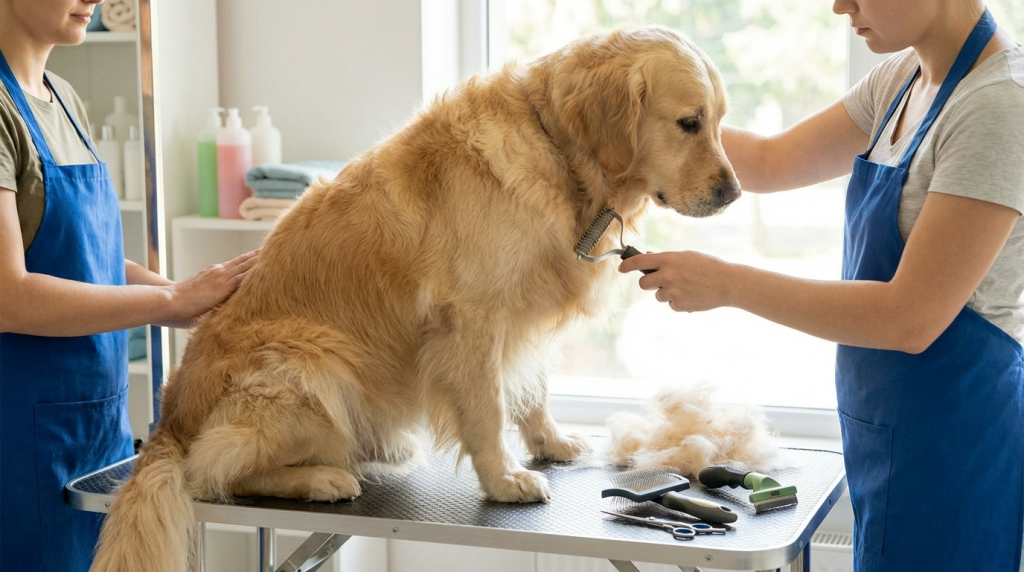
Learning how to groom double-coated dogs properly protects their natural insulation and coat health. With the right tools and techniques, you can prevent damage and keep their fur thick, clean, and balanced.
High-energy dogs thrive with the right balance of exercise, structure, and mental stimulation. This guide shows how to care for high-energy dogs without stress, guilt, or burnout.
A well-designed vertical playground for cats transforms your home into a stimulating, stress-reducing environment. By using height strategically, you support your cat’s instincts, fitness, and confidence.
Cats thrive when their days include play, curiosity, and discovery. Learn how cat play and enrichment transform boredom into confidence and lifelong well-being.
Cats need different nutrients as they grow and age. This guide explains how cat nutrition changes from kittenhood to the senior years, and how to feed each stage properly.
Learning how to introduce cats and dogs the right way prevents fear, stress, and conflict. With patience and structure, peaceful coexistence is absolutely possible.
Cat grooming needs by breed vary more than many owners realize. Understanding coat types, shedding patterns, and breed traits helps keep your cat healthy and comfortable.
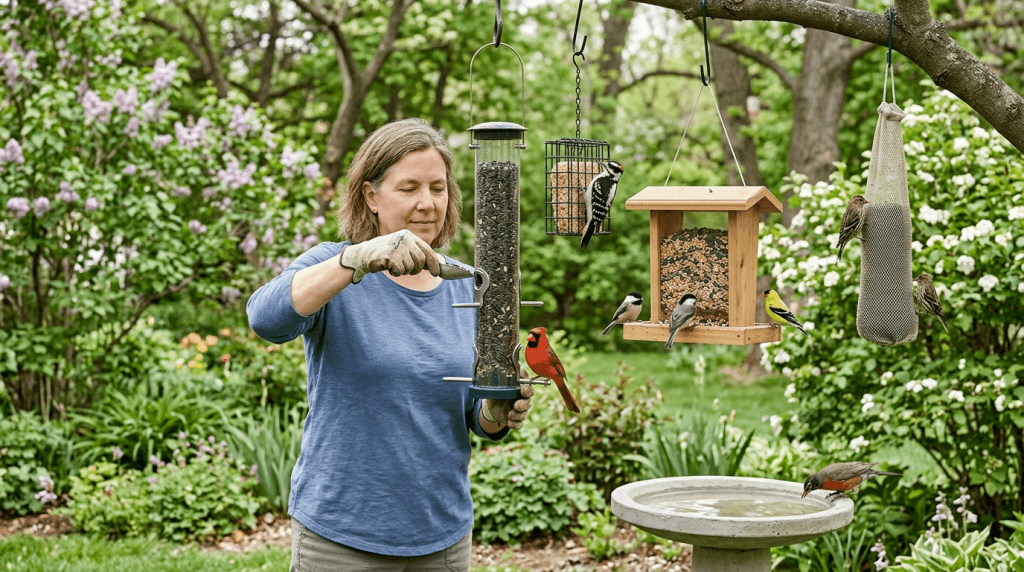
Learning how to feed finches and canaries the right way transforms their energy, song, and lifespan. The right balance of seeds, pellets, and fresh foods keeps them thriving every day.
Setting up the perfect cage for small parrots is about more than bars and perches. It’s about creating a safe, enriching space where your bird can thrive every single day.
A daily care routine parrots and cockatiels can rely on builds trust, supports health, and prevents behavior problems. Consistency is the key to happy, thriving birds.
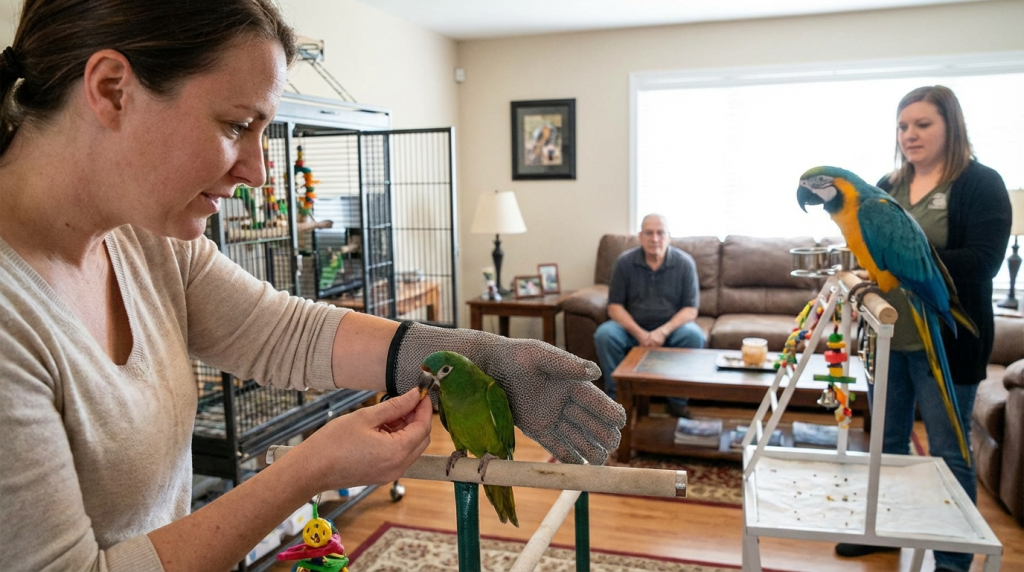
Bringing new people into a bird’s life can feel overwhelming for them. This guide explains how to help birds adjust calmly, safely, and with confidence.
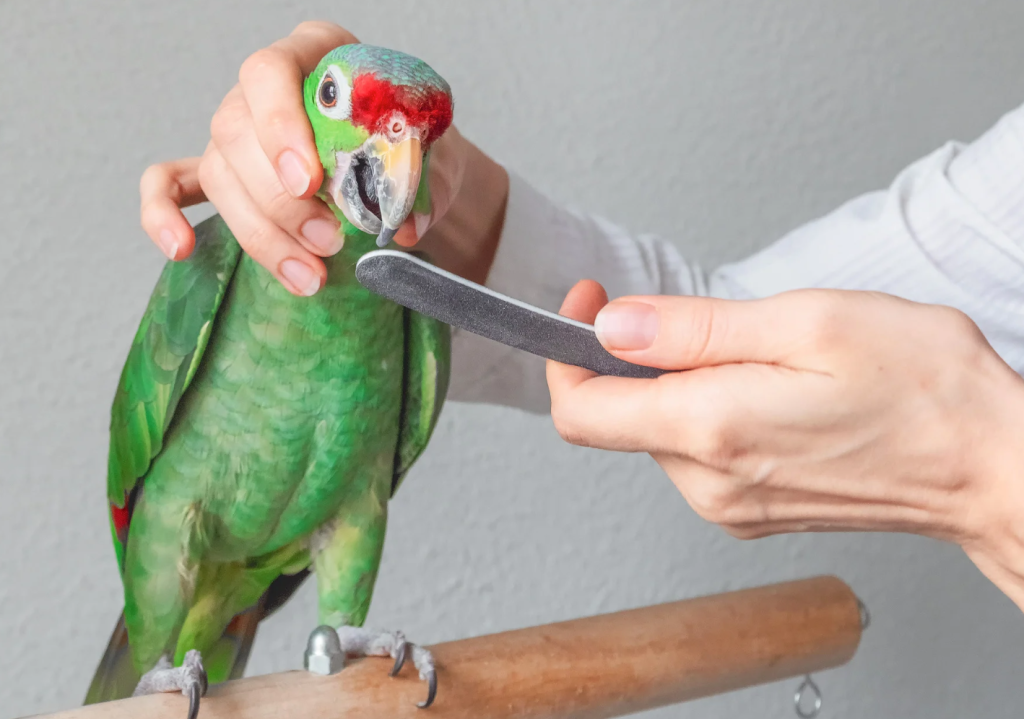
Socializing parrots takes patience, timing, and trust. This guide shows how to safely introduce parrots to new birds and people without fear or aggression.
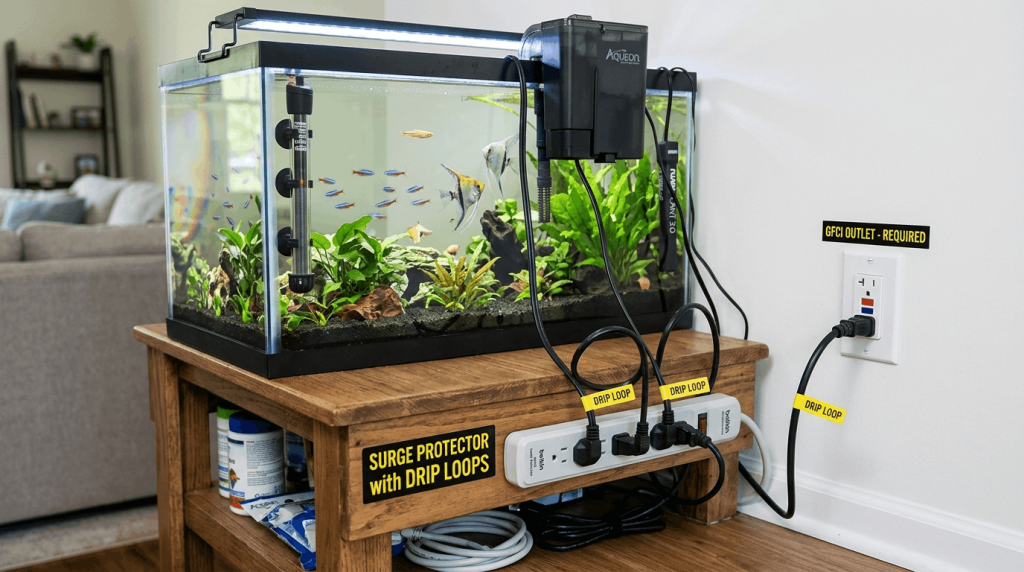
Small temperature errors can cause big problems in aquariums. This guide explains aquarium temperature mistakes that harm fish and how to prevent them.
Feeding fish wrong food is one of the most common aquarium mistakes. Understanding diet needs by species helps fish stay active, healthy, and stress-free.
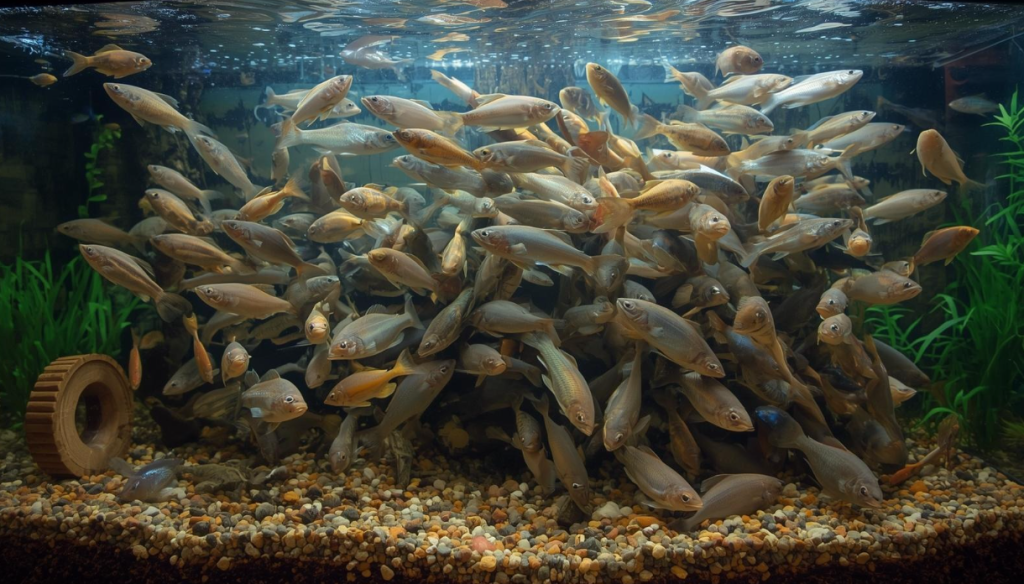
Overcrowding reduces fish activity by increasing stress, limiting movement, and disrupting natural behavior. Understanding space needs helps fish stay active and healthy.
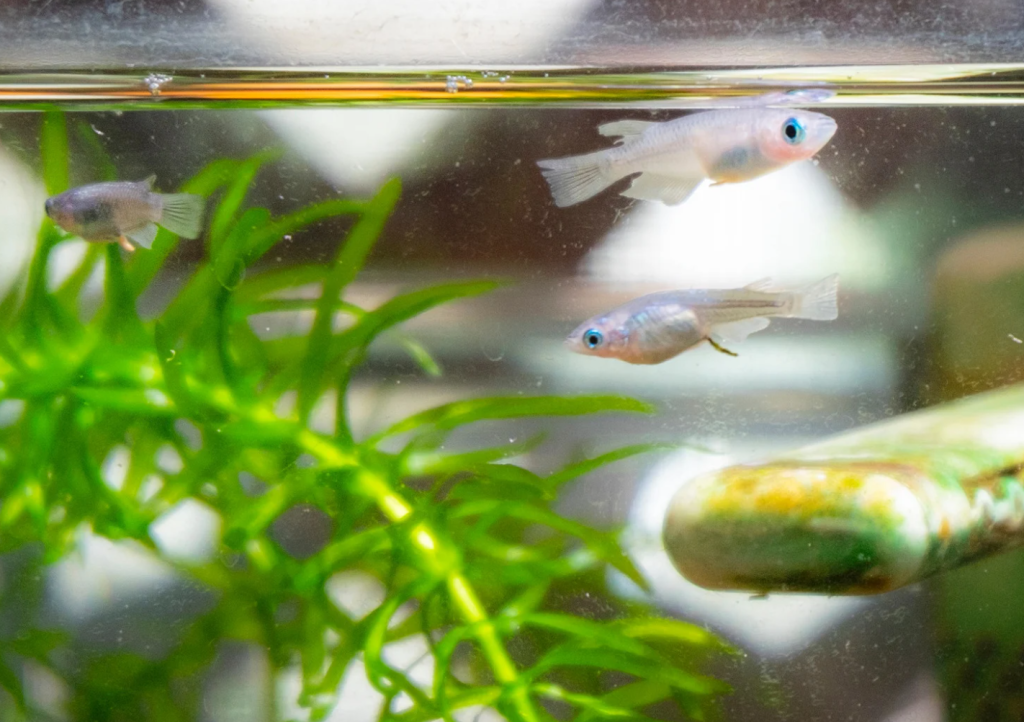
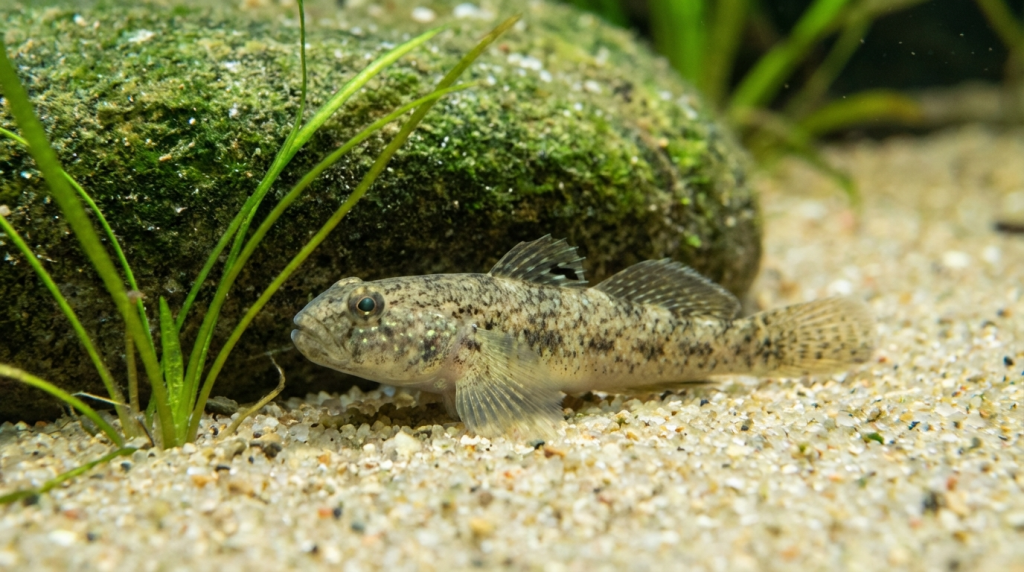
Inactive fish behavior is often a sign that something is wrong beneath the surface. This guide explains the most common causes and how to help fish regain healthy movement.
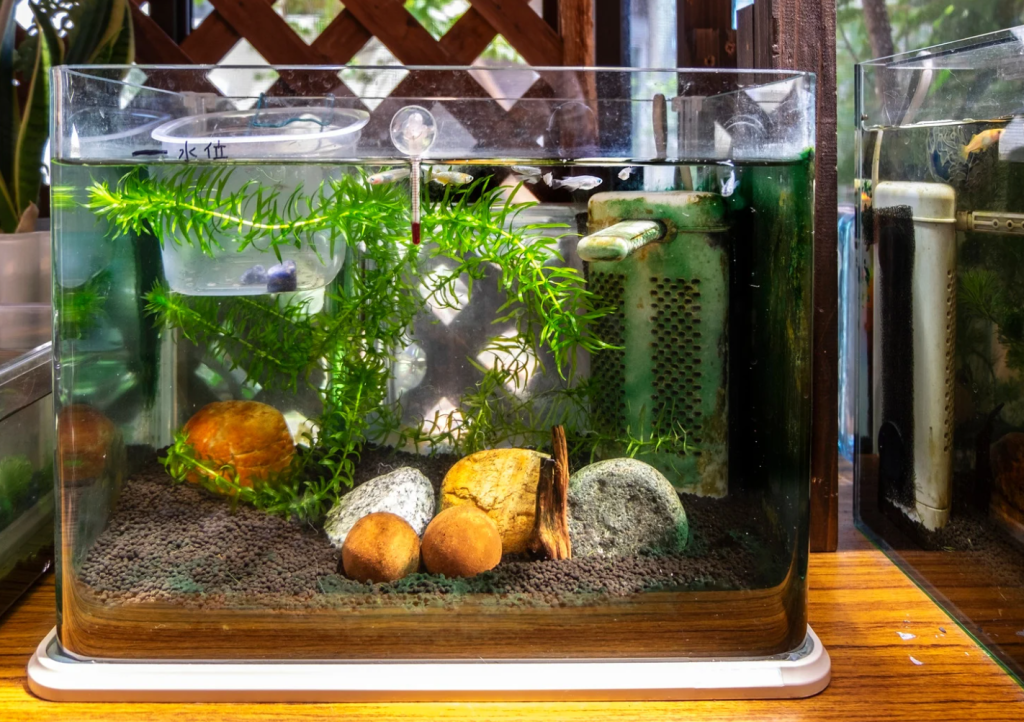
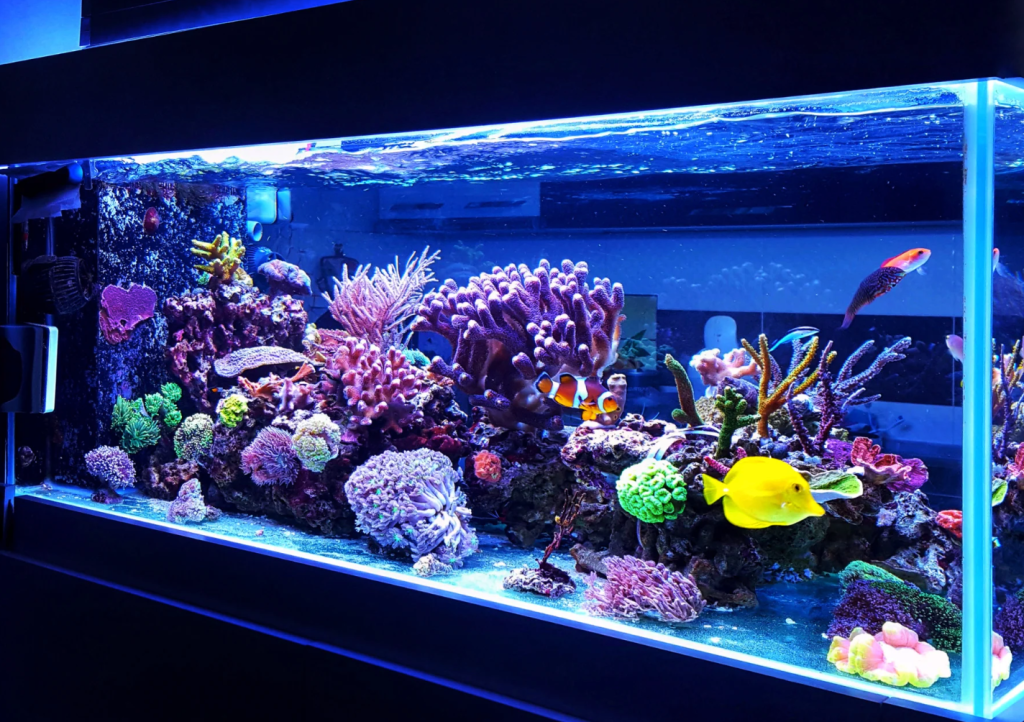
An active fish aquarium setup goes beyond decoration. It creates a living environment that encourages movement, exploration, and healthier fish behavior every day.
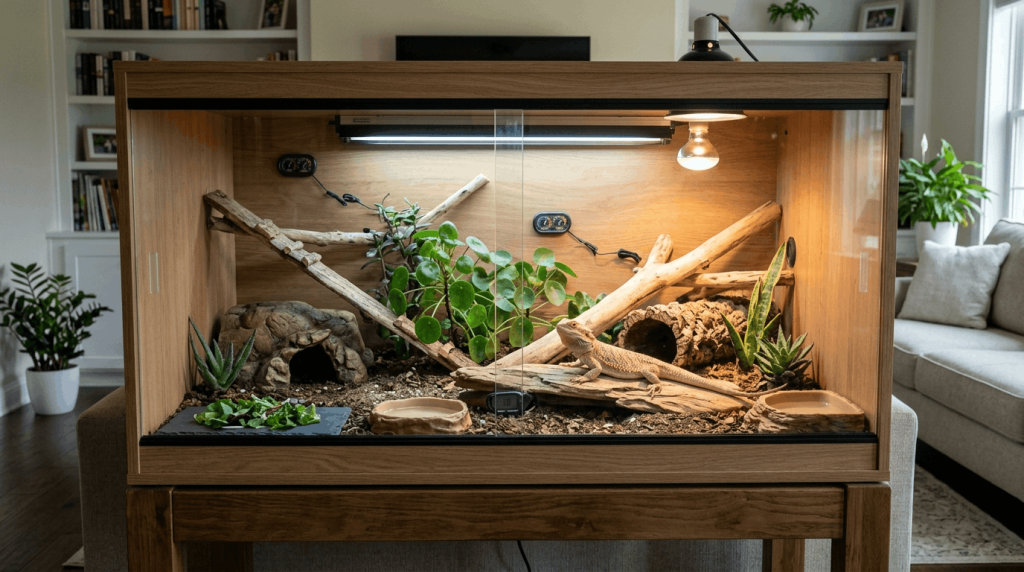
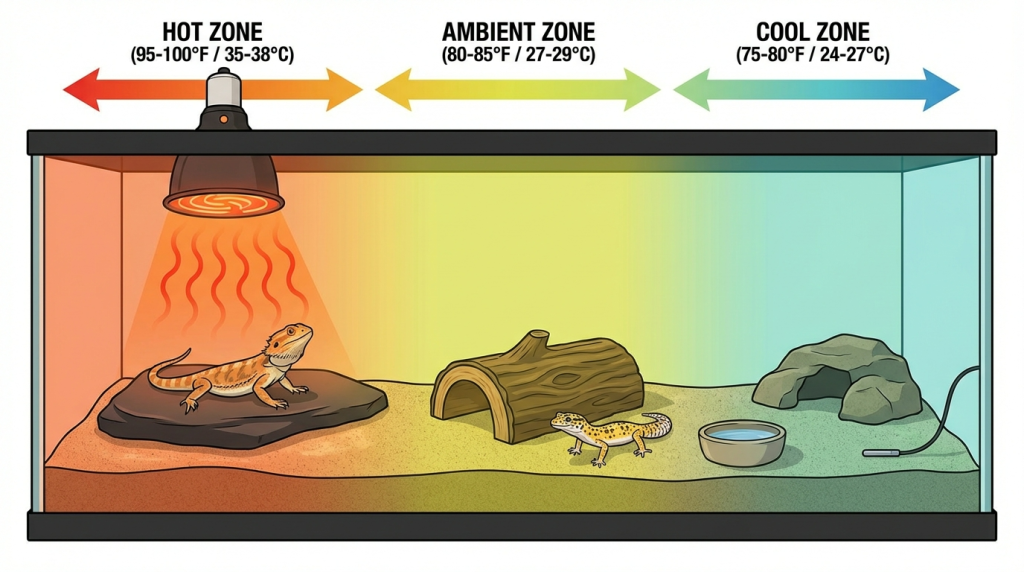
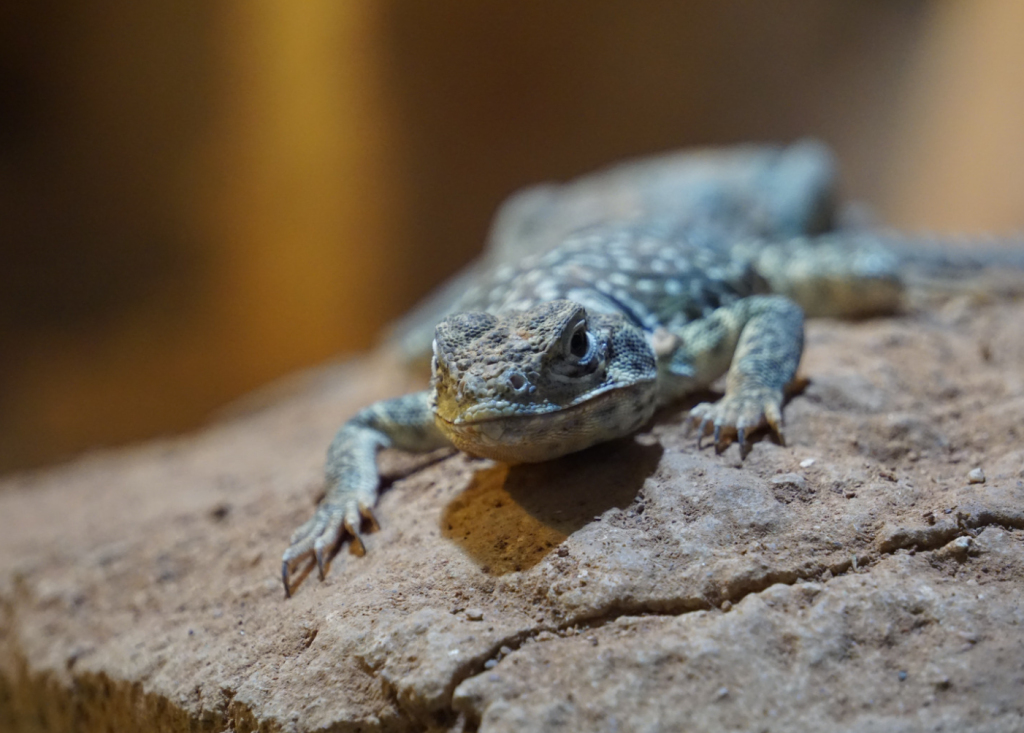
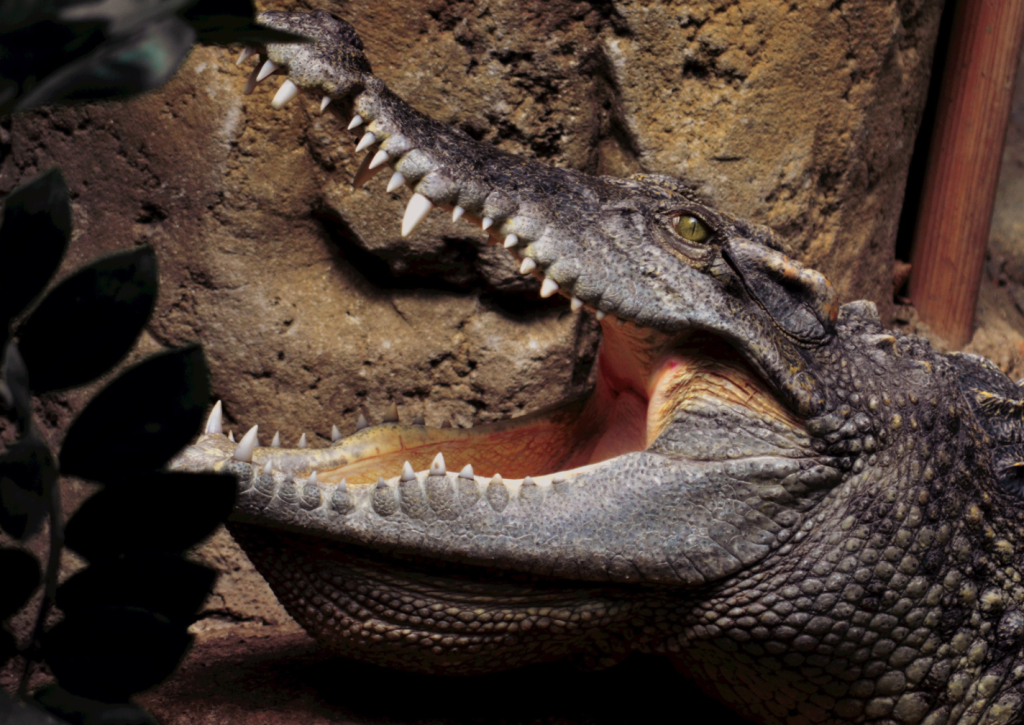
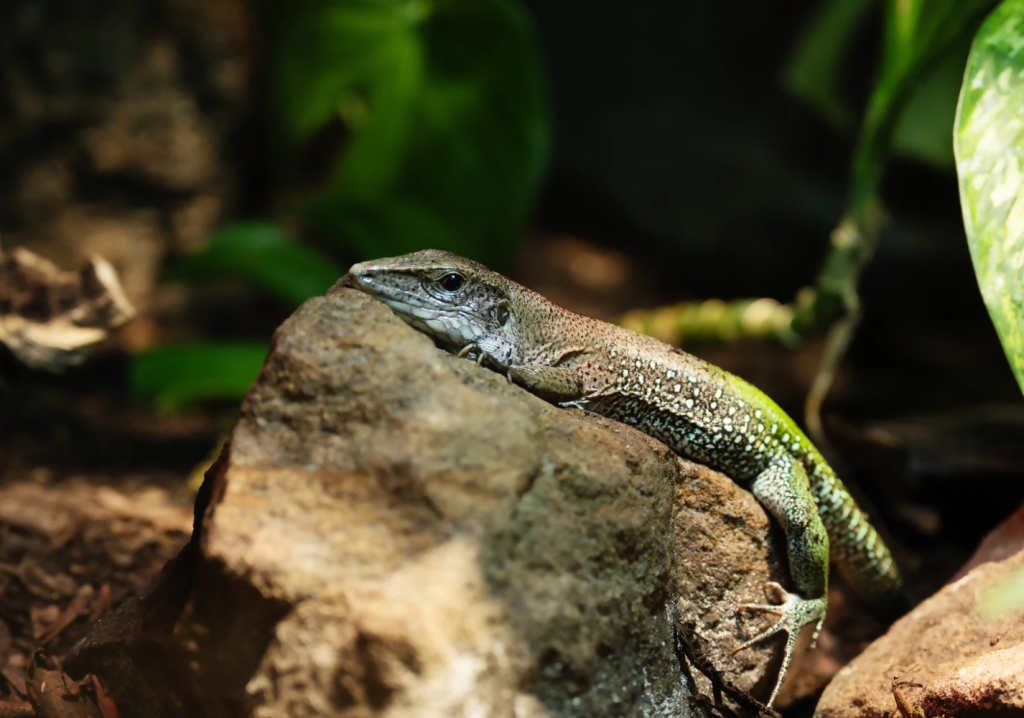
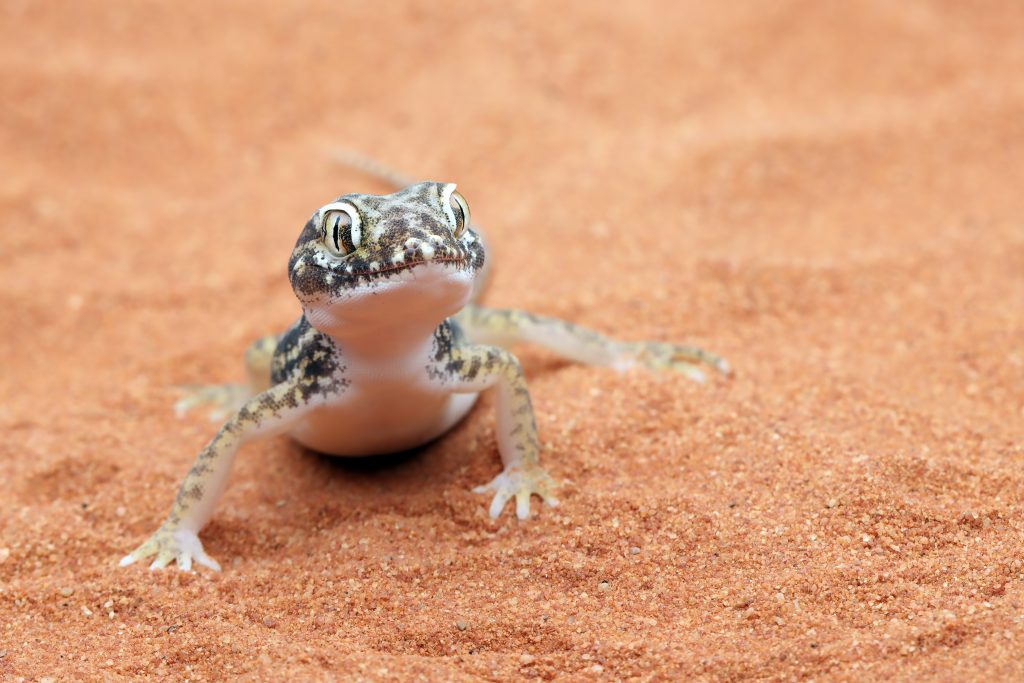
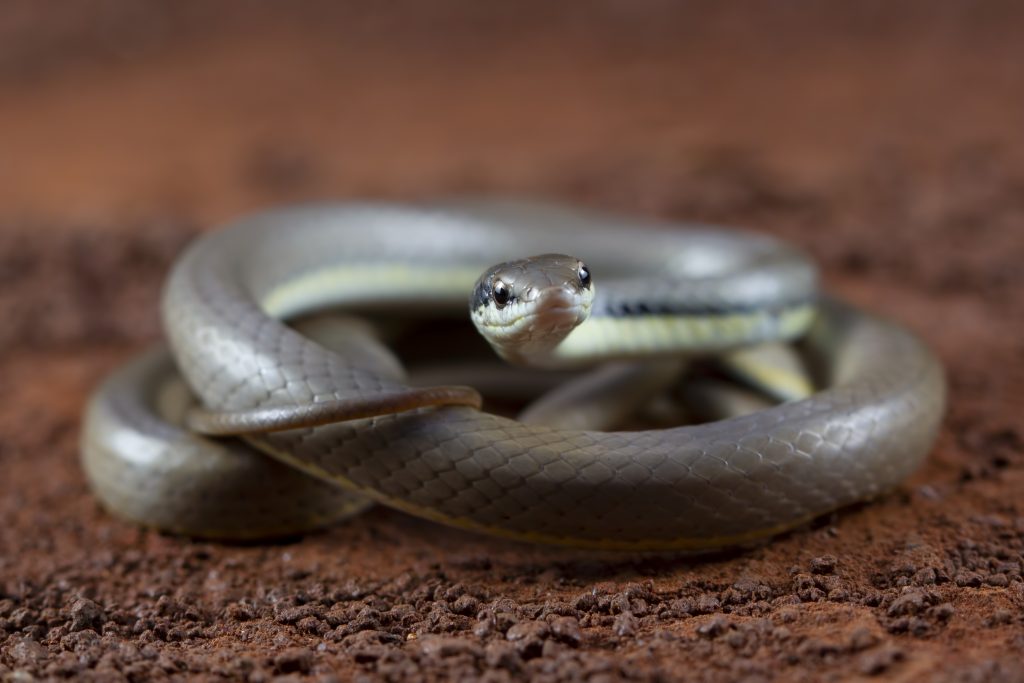
Reptile heat gradients are essential for digestion, metabolism, and long-term health. Without proper temperature zones, even hardy reptiles can suffer serious health issues.
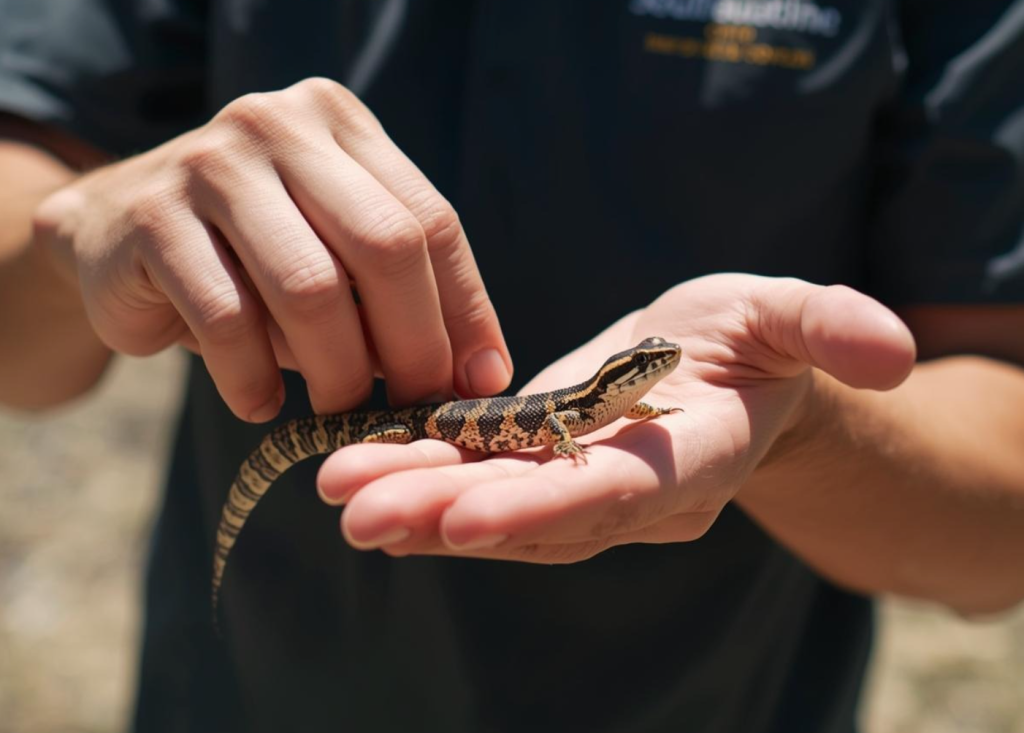
Safe reptile handling isn’t just about avoiding bites. It’s about encouraging natural movement, reducing stress, and building trust through proper technique.
Reptile enclosure movement plays a vital role in physical and mental health. The right habitat design encourages natural motion, confidence, and long-term wellness.
Reptile exercise needs are often underestimated. Understanding how much movement reptiles really require can dramatically improve their health and quality of life.
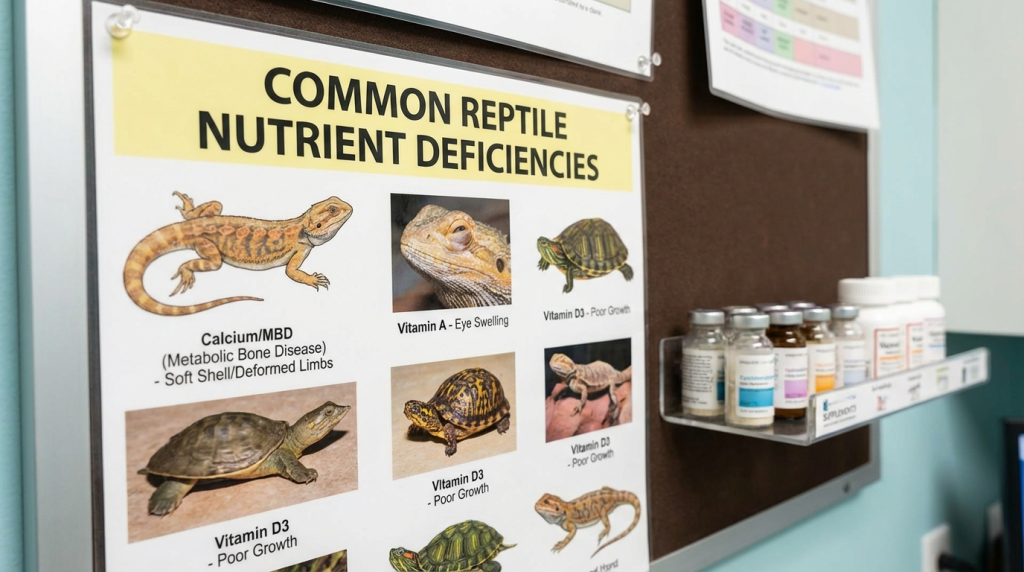
Preventing reptile nutrient deficiencies is essential for healthy growth, strong bones, and long lifespans. This guide explains how diet, supplements, and habitat work together to support reptile health.
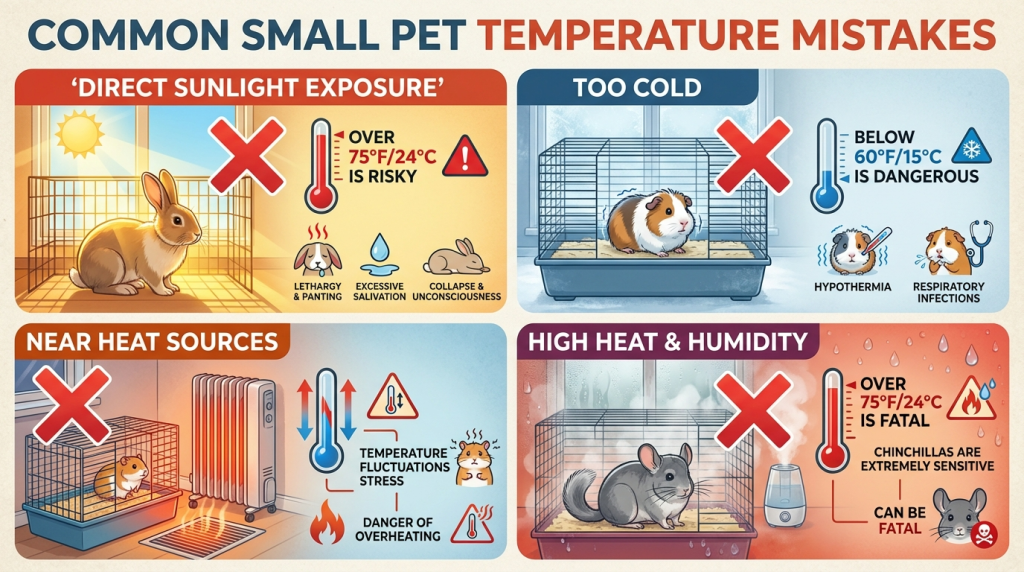
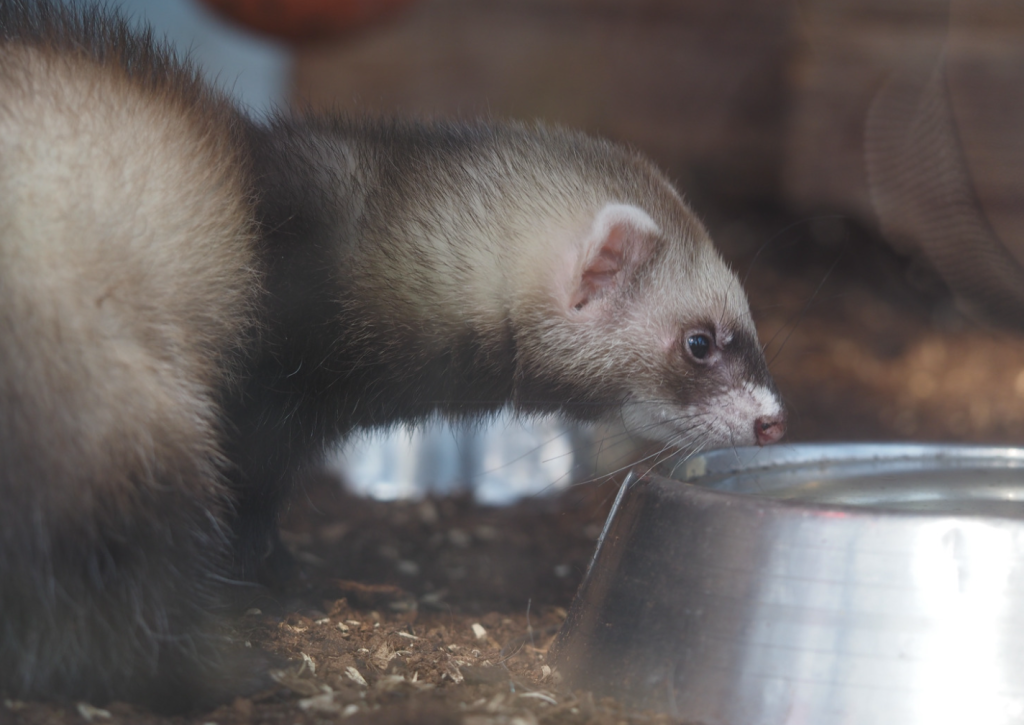
Small pet temperature mistakes can quietly lead to stress, illness, and even shortened lifespans. Understanding proper temperature control helps your small pets stay calm, active, and healthy.
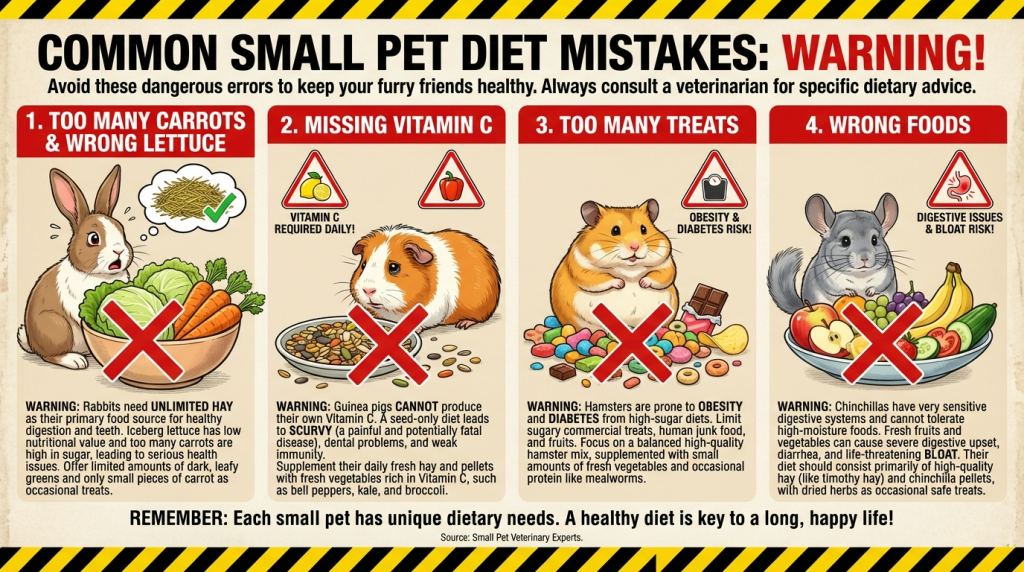
Small pet diet mistakes often go unnoticed until health problems appear. By correcting feeding habits early, you can dramatically improve your pet’s lifespan and quality of life.
Small pet enrichment is the key to keeping pets active, curious, and healthy. The right enrichment strategies encourage natural movement and prevent boredom in small animals.
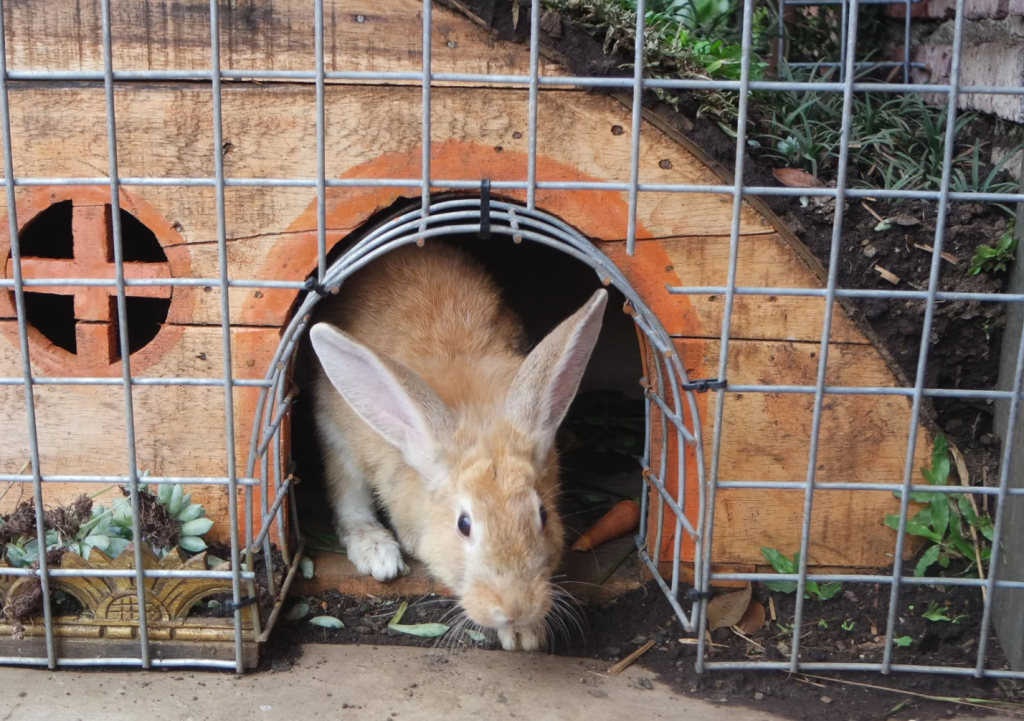
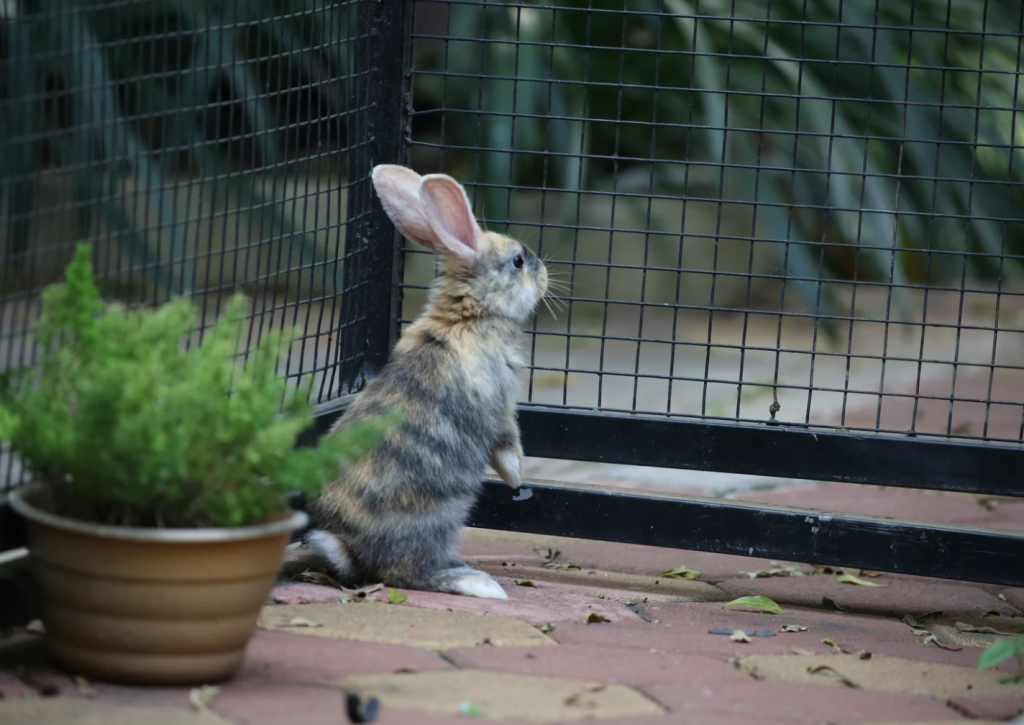
Small pet exercise needs are often underestimated. However, proper movement is essential for rabbits and small pets to stay healthy, active, and mentally stimulated.