
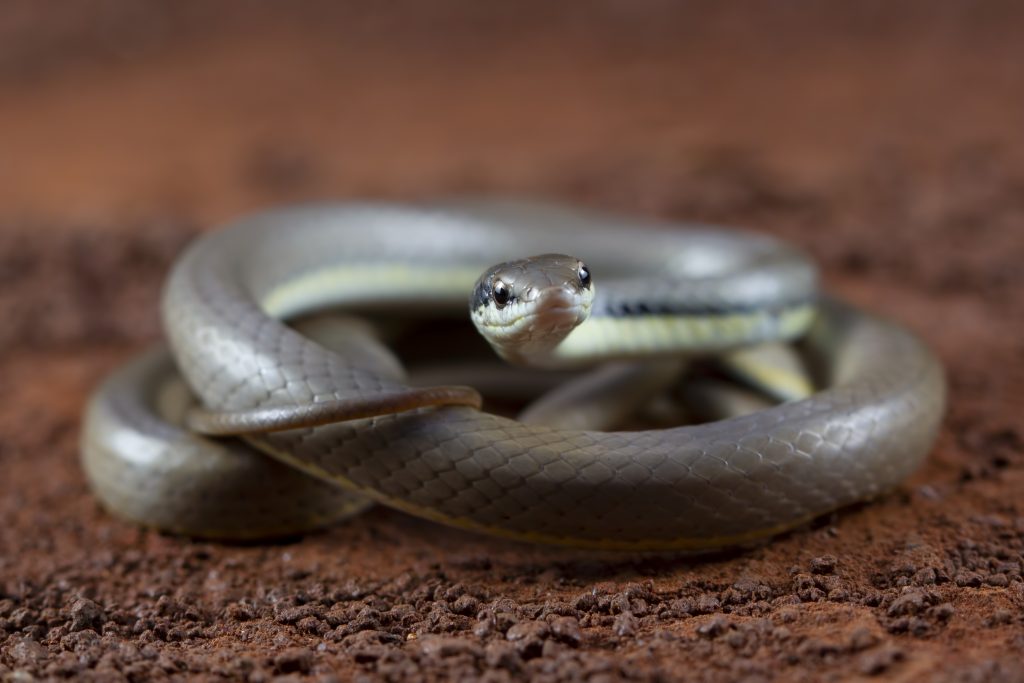

Handling a snake can be a rewarding experience, but it can also become stressful if your reptile feels anxious or threatened. If you’ve ever reached into your snake’s enclosure and watched it coil tightly, hiss, or attempt to escape, you know how tense those moments can be. The good news is that with patience and the right approach, you can learn to handle an anxious snake without causing more stress—for both of you.
Understanding Snake Anxiety
Before learning how to handle an anxious snake, it’s important to understand why snakes become anxious in the first place. Just like humans, snakes experience stress when they feel unsafe or uncertain. However, since they can’t communicate the same way we do, their stress shows up through body language and behavior.
Common Causes of Snake Stress
Several factors can make your snake anxious:
- Improper handling: Rough, sudden, or frequent handling can make your snake associate humans with danger.
- Poor enclosure setup: Incorrect temperature, humidity, or hiding spots can leave your snake feeling exposed and insecure.
- Loud environments: Vibrations, noise, and sudden movement around the cage can disturb them.
- Health issues: If your snake is shedding, ill, or injured, it may become defensive or withdrawn.
When you understand the root of your snake’s anxiety, you can take steps to create a more peaceful and trusting interaction.
Recognizing the Signs of an Anxious Snake
Knowing the warning signs before handling your snake can prevent bites and help you respond calmly. Each snake species communicates stress differently, but there are some universal indicators.
Physical Signs of Anxiety
- Rapid tongue flicking or freezing completely
- Body tightening or forming an “S” shape (a defensive position)
- Hissing or striking
- Attempting to flee or hide
- Puffing up or flattening the body
If your snake shows any of these behaviors, it’s best to pause and allow it to relax before trying to handle it again. Pushing forward will only deepen the anxiety and make future handling sessions harder.
Creating a Calm Environment Before Handling
Reducing stress begins long before you pick up your snake. The environment plays a critical role in how comfortable your reptile feels.
Adjust the Setup
Make sure your enclosure mimics a natural habitat:
- Maintain proper temperature gradients.
- Provide at least one secure hide on both the warm and cool sides.
- Limit bright lights and loud noises nearby.
- Avoid frequent rearranging of the tank décor.
A predictable, stable environment gives your snake a sense of control—something crucial for reducing anxiety.
Minimize Disturbances
When approaching your snake, move slowly and avoid startling it. Talk softly or let it see you from outside the enclosure for a few moments. Snakes rely heavily on vibration and scent, so giving them time to sense your presence helps prevent fear-based reactions.
How to Handle an Anxious Snake Safely
When your snake seems relatively calm, you can begin handling—but carefully. Handling should always be slow, deliberate, and consistent.
Start with Short Sessions
Begin by placing your hand gently inside the enclosure. Let your snake investigate your scent without attempting to grab it. Over several sessions, your snake will learn that your presence isn’t threatening.
Once it starts to move toward your hand or allows gentle contact, lift it using both hands. Support its body fully—never grab the head or tail. The goal is to make the snake feel secure, not restrained.
Keep Movements Smooth
Avoid sudden motions. If you need to reposition your hands, do so gradually. Move in a predictable way so your snake doesn’t interpret it as a threat. Think of it like a slow dance—you’re moving together, not against each other.
Don’t Handle After Feeding or Shedding
Snakes are especially defensive after meals or while shedding. Their skin is sensitive, and their vision may be impaired. Always wait at least 48 hours after feeding and avoid touching during the shedding process to prevent unnecessary stress.
Building Trust Over Time
Just like any relationship, trust with your snake takes time. You can’t rush it, but consistent positive interactions build a calm and confident pet.
Use Routine
Snakes thrive on routine. Handle them at similar times each day or week so they begin to anticipate the experience. Over time, your presence will feel normal, not intrusive.
Reward Calm Behavior
While snakes don’t respond to rewards like dogs, they do learn from consistent calm handling. If your snake remains relaxed, end the session on a positive note by gently returning it to its enclosure. This teaches it that calm handling leads to a safe, predictable outcome.
Limit Handling Time
Start with just a few minutes per session, especially if your snake is newly acquired or recovering from stress. Gradually increase duration as your snake becomes more confident.
Reducing Stress After Handling
Even after careful handling, your snake may need time to decompress. Always return it gently to its enclosure, making sure the lid or door closes quietly. Allow at least 24 hours before attempting another handling session if your snake shows signs of stress.
Check for the following:
- Is your snake hiding for long periods?
- Has it refused food recently?
- Does it appear restless or defensive?
If you notice these signs, step back and give your reptile some recovery time. Handling too frequently or ignoring signals of discomfort can undo weeks of progress.
When to Seek Professional Help
Sometimes, snake anxiety stems from health problems or environmental imbalances you can’t see. If your snake remains anxious despite proper care, consider consulting a reptile veterinarian or an experienced herpetologist. They can check for issues like parasites, injuries, or improper humidity levels that contribute to stress.
Reputable resources like The Spruce Pets and Reptiles Magazine also offer expert insights into snake behavior and handling safety. Additionally, joining forums like Ball-Pythons.net allows you to connect with other reptile owners who’ve overcome similar challenges.
Conclusion
Handling an anxious snake without causing stress takes patience, awareness, and consistency. It’s not just about technique—it’s about building trust. When you approach your reptile with calm energy and respect its boundaries, your snake will slowly learn that you’re not a threat but a source of safety. Over time, handling will transform from a stressful task into a bonding experience that deepens your connection with this remarkable animal.
FAQ
1. How can I tell if my snake is too stressed to handle?
If your snake hisses, strikes, coils tightly, or tries to flee, it’s too stressed to handle. Wait until it calms before trying again.
2. How long should I handle my snake at first?
Start with just 3–5 minutes per session. As your snake relaxes over time, gradually increase the duration.
3. Is it safe to handle my snake after feeding?
No. Wait at least 48 hours after feeding. Handling too soon can cause regurgitation or increase stress.
4. What should I do if my snake bites me during handling?
Stay calm. Gently lower the snake back into its enclosure and disinfect the bite. Avoid jerking or yelling, which can make the snake more defensive.
5. Can all snake species be tamed with handling?
Most captive-bred species can become comfortable with handling, but some—especially wild-caught snakes—remain defensive by nature. Patience and consistency are key.