
Life can feel surprisingly repetitive from a cat’s point of view. The same rooms appear each day. Familiar furniture never moves. Even the view outside the window rarely changes. Although cats seem relaxed, their minds crave stimulation.
As boredom settles in, subtle changes begin to show. Scratching increases. Nighttime energy spikes. Interest in interaction fades. These shifts rarely happen without reason.
That is why cat play and enrichment matter so deeply. Enrichment expands a cat’s world without requiring a bigger home. Through intentional play and safe exploration, daily life becomes meaningful again.
In this guide, you will learn how to enrich your cat’s life in realistic ways. You will also discover how play supports emotional health and how curiosity builds confidence. Most importantly, you will see how enrichment strengthens the bond you share.
Why Cat Play and Enrichment Are Essential for Well-Being
Cats may sleep often, yet their brains stay alert. Instincts remain active even during rest. Hunting, stalking, and problem-solving drive emotional balance.
When cat play and enrichment are missing, frustration slowly builds. Energy lacks direction. Curiosity fades. Over time, stress replaces calm behavior.
Enrichment meets emotional needs by providing outlets for instinctive actions. Additionally, it prevents boredom-related problems such as overeating, withdrawal, or aggression.
Think of enrichment as mental exercise. Without it, cognitive strength weakens. With it, confidence grows steadily.
Play is not optional entertainment. Instead, it is a biological requirement.
How Cats Naturally Engage in Play
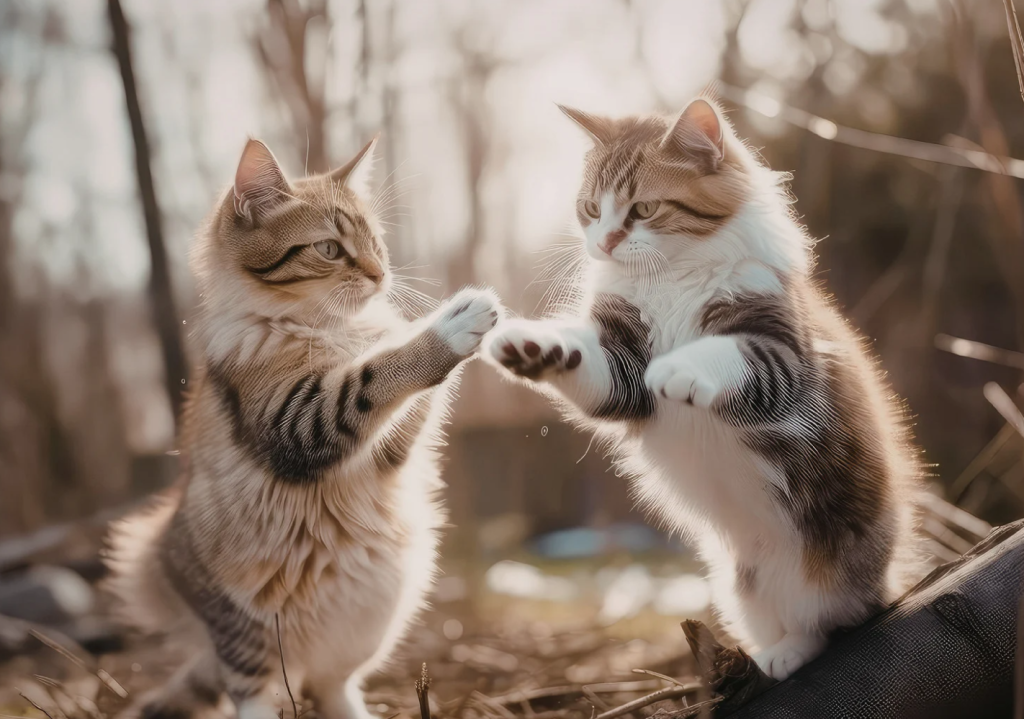
Play follows a pattern for cats. Stalking comes first. Chasing follows. Pouncing completes the sequence. Satisfaction arrives at the end.
Because of this, effective cat play and enrichment mimic hunting behavior. Wand toys that move unpredictably feel realistic. Sudden pauses increase anticipation.
Unlike dogs, cats prefer short bursts of activity. Five focused minutes often outperform long sessions. Ending play before exhaustion preserves motivation.
Timing matters as well. Play works best before meals. After a simulated hunt, eating feels natural. Calm behavior often follows.
Understanding play instincts makes enrichment intuitive.
Exploration Builds Confidence and Emotional Security
Exploration strengthens emotional resilience. When cats explore safely, confidence grows.
Although toys matter, exploration completes cat play and enrichment. Vertical climbing, hiding spaces, and new scents expand perception.
Safe exploration teaches cats how to assess environments. As experience grows, fear responses soften. Adaptability improves.
Even small changes help. Furniture shifts slightly. Boxes appear. A door opens to a new room.
Exploration does not require disruption. Opportunity alone creates growth.
Interactive Play as the Core of Cat Enrichment
Interactive play forms the heart of cat play and enrichment. It combines movement, connection, and instinct.
Wand toys work particularly well. Feathers, strings, or cloth pieces mimic prey. Rotating toys prevents boredom.
Movement should feel alive. Slow drags build tension. Quick darts trigger pursuit. Pauses intensify focus.
Always allow a successful capture. Winning completes the hunt. Without closure, frustration builds.
Interactive play communicates presence. Your involvement multiplies enrichment value.
Independent Play That Encourages Curiosity
Although interaction matters, solo play fills daily gaps.
Puzzle toys, rolling balls, and treat dispensers encourage thinking. They also build independence.
Rotation keeps interest high. When toys remain available constantly, novelty disappears.
Placement affects engagement. Toys near windows or climbing areas attract use.
Independent cat play and enrichment support mental stimulation even when schedules feel busy.
Turning Mealtime Into Enrichment
Feeding routines offer powerful enrichment opportunities.
Traditional bowls require no effort. Hunting for food activates instincts.
Food puzzles transform meals into challenges. Cats bat, paw, and think to earn rewards. Mental effort increases satisfaction.
Scatter feeding works well for dry food. Tossing kibble encourages searching. Movement replaces mindless eating.
For wet food, textured mats slow consumption and engage senses.
Food-based enrichment nourishes body and brain together.
Vertical Space Expands the Environment
Cats experience space vertically. Height provides safety and control.
Trees, shelves, and perches increase territory without adding clutter. Vertical access reduces stress and encourages movement.
Placing climbing areas near windows enhances stimulation. Birds, leaves, and passing sounds provide endless entertainment.
Even small homes benefit from vertical design. Walls become pathways.
Vertical exploration turns limited space into opportunity.
Sensory Enrichment Beyond Toys
Vision is only one sense. Smell and sound enrich deeply.
Cats rely heavily on scent. Introducing new smells sparks curiosity. Safe herbs like catnip or silvervine create excitement.
Sound matters too. Nature videos engage attention. Soft background noise can soothe anxious cats.
Balance remains important. Overstimulation should be avoided.
Sensory-based cat play and enrichment diversify daily experience.
Safe Outdoor Exploration Options
Outdoor access offers unmatched enrichment. However, safety must remain the priority.
Leash training allows controlled exploration. Begin indoors. Progress gradually. Confidence builds with patience.
Catios provide secure outdoor exposure. Fresh air, sunlight, and new scents boost well-being.
Even supervised balcony access can enrich when properly secured.
Outdoor enrichment satisfies curiosity without unnecessary risk.
Rotation Keeps Enrichment Effective
Familiarity dulls excitement. Rotation renews interest.
Store some toys away. Swap them weekly. Introduce one new element at a time.
Simple objects often excite most. Paper bags become tunnels. Boxes transform into castles.
Rotation maintains engagement without added expense.
Adapting Enrichment for Shy or Senior Cats
Temperament influences play preferences.
Shy cats enjoy slow, predictable movement. Distance builds trust. Quiet spaces reduce pressure.
Senior cats benefit from gentle enrichment. Short play protects joints. Mental tasks preserve cognition.
Intensity changes, but importance remains constant. Cat play and enrichment serve every age.
Why Routine Improves Play and Exploration
Routine builds anticipation. Scheduled play sessions increase engagement.
Cats thrive on predictability. When play occurs consistently, excitement rises naturally.
Routine also supports calm behavior. After play and meals, rest follows smoothly.
Structure enhances enrichment benefits.
Mistakes That Limit Enrichment Success
Overstimulation overwhelms. Constant novelty exhausts. Ignoring body language frustrates.
Watch for stress signals. Tail flicking, ear flattening, or sudden withdrawal indicate breaks are needed.
Respect pacing. Consent matters.
Balanced enrichment honors limits.
Signs Your Cat’s Life Is Truly Enriched
Positive changes appear gradually.
Curiosity increases. Play initiates spontaneously. Rest deepens.
Behavior issues decline. Confidence strengthens. Social bonds improve.
Consistency reveals results over time.
Creating an Enrichment Mindset
Enrichment is not an event. It is a daily mindset.
Notice opportunities. Turn routines into games. Invite curiosity regularly.
Small actions compound into meaningful change.
When cat play and enrichment become habits, quality of life improves naturally.
Conclusion
Cats are natural explorers. When their environment encourages curiosity, their spirits thrive. Through thoughtful cat play and enrichment, boredom transforms into confidence and stress gives way to calm engagement. By offering daily opportunities for play, discovery, and mental challenge, you do more than entertain your cat. You enrich their life, strengthen your bond, and create a home where curiosity never fades.
FAQ
1. How much play does a cat need each day?
Most cats benefit from two interactive sessions daily, lasting five to ten minutes each.
2. Can senior cats still enjoy enrichment?
Yes. Gentle play and mental stimulation help maintain mobility and cognitive health.
3. What toys work best for cat play and enrichment?
Wand toys, puzzle feeders, and rotating solo toys offer the most engagement.
4. Is enrichment necessary for indoor cats?
Absolutely. Indoor cats rely on enrichment to meet natural hunting and exploration needs.
5. How can I tell if my cat is overstimulated?
Tail flicking, flattened ears, or sudden disengagement signal a need for rest.