
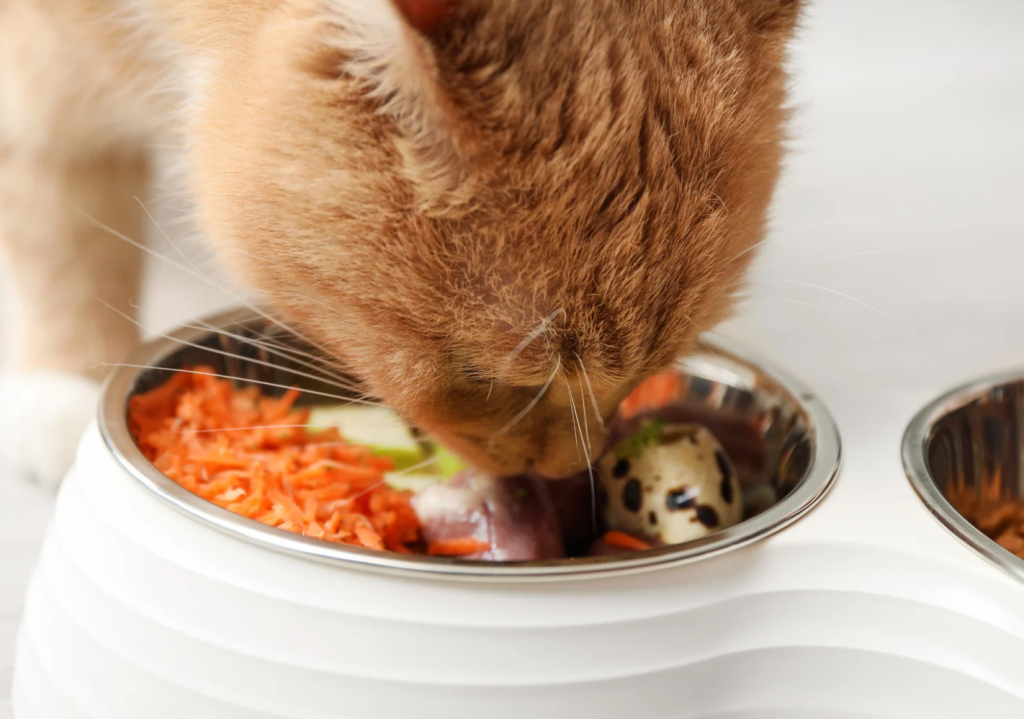

Caring for a cat often feels simple on the surface. Fill the bowl. Top off the water. Repeat. Yet, beneath that routine lies a quiet truth. A cat’s nutritional needs change dramatically over time. What fuels a playful kitten will not support an aging senior.
Because of that, understanding cat nutrition life stages is essential. Food is not just fuel. It is information. Every meal tells your cat’s body how to grow, repair, and age.
When nutrition matches life stage, cats thrive. Energy stays steady. Coats shine. Muscles stay strong. On the other hand, when nutrition falls out of sync, subtle problems begin to appear.
This guide walks you through how cat nutrition changes from kitten to senior. Along the way, you will learn what to feed, why it matters, and how to adapt without stress. Most importantly, you will gain confidence in feeding your cat through every chapter of life.
Why Cat Nutrition Life Stages Matter So Much
Cats are masters of hiding discomfort. Often, nutritional problems show up quietly. Weight changes slowly. Energy fades gradually. Coat quality dulls over time.
Because of that, food choices play a bigger role than many owners realize.
During each life stage, a cat’s body focuses on different priorities. Growth dominates kittenhood. Maintenance defines adulthood. Preservation becomes critical in senior years.
As those priorities shift, nutritional needs change as well. Protein levels adjust. Calories rise or fall. Certain minerals become more important, while others must be limited.
Feeding the same diet forever ignores those shifts. Instead, aligning food with life stage supports long-term health.
Think of nutrition like clothing. What fits a toddler will never fit an adult. Cats work the same way.
Kitten Nutrition: Fueling Growth and Development
Kittenhood is a time of rapid change. Bodies grow fast. Brains develop. Bones lengthen. Muscles form.
Because of that, kitten nutrition is all about density. Kittens need more calories, more protein, and more fat than adult cats.
During this stage, energy demands are enormous. Play burns calories quickly. Growth requires constant resources. As a result, kitten food is packed with fuel.
High-quality kitten diets focus on:
- High animal-based protein
- Increased fat for energy
- Balanced calcium and phosphorus for bone growth
- DHA for brain and vision development
Without these nutrients, development can suffer. Growth may slow. Immune systems may weaken. Behavior may even be affected.
Therefore, kitten-specific food is not optional. It is essential.
How Often Kittens Should Eat
In addition to what they eat, kittens also need different feeding schedules.
Young kittens eat frequently. Small stomachs empty quickly. As a result, multiple meals support steady energy.
Most kittens do best with three to four meals per day. Free-feeding can work short term, but structured meals often help regulate appetite later.
As kittens approach adulthood, meal frequency can gradually decrease. That transition prepares them for adult feeding routines.
Consistency during this phase builds healthy habits.
Transitioning From Kitten to Adult Cat Nutrition
The shift from kitten food to adult food usually happens around 12 months of age. However, timing can vary slightly based on breed and size.
Large breeds, like Maine Coons, mature more slowly. For them, kitten nutrition may be needed longer.
Transitioning should happen gradually. Sudden changes upset digestion. Mix increasing amounts of adult food with kitten food over 7 to 10 days.
During this time, watch appetite, stool quality, and energy levels. Smooth transitions signal readiness.
This step marks the first major shift in cat nutrition life stages.
Adult Cat Nutrition: Maintenance and Balance
Once adulthood begins, growth slows. Energy needs stabilize. The focus shifts from building to maintaining.
Adult cat nutrition centers on balance. Calories must match activity. Protein supports muscle. Fat fuels daily movement without excess weight.
At this stage, overfeeding becomes a common problem. Many adult cats live indoors. Activity drops. Yet portions stay the same.
As a result, weight gain creeps in quietly.
High-quality adult diets emphasize:
- Moderate calories
- High-quality animal protein
- Controlled fat levels
- Essential vitamins and minerals
Fiber also plays a role. It supports digestion and helps manage hairballs.
Feeding adults correctly prevents many age-related issues later.
Wet Food vs Dry Food in Adult Cats
The wet versus dry debate often intensifies during adulthood.
Dry food offers convenience. Wet food provides hydration. Both can work when chosen carefully.
Cats naturally have low thirst drives. Therefore, wet food supports hydration better. This matters for urinary health.
However, some cats thrive on dry food when water intake is adequate. The key lies in quality and portion control.
Many owners choose a combination. Wet food meals paired with measured dry food can balance benefits.
Regardless of format, ingredient quality matters most.
How Lifestyle Affects Adult Cat Nutrition
Not all adult cats are the same.
Indoor cats burn fewer calories. Outdoor cats move more. Working cats hunt and explore.
Because of that, nutrition must match lifestyle.
Sedentary cats need fewer calories. Active cats need more fuel. Feeding should reflect daily reality, not just age.
Monitoring body condition helps guide adjustments. You should feel ribs easily without seeing them. Waistlines should be visible from above.
Food is flexible. Observation keeps it effective.
Midlife Changes and Subtle Nutritional Shifts
Around ages 7 to 10, many cats enter a quiet transition phase. They are not seniors yet, but they are no longer young adults.
During this period, metabolism often slows. Activity decreases slightly. Muscle mass may begin to decline.
Nutrition should adapt gently. Slight calorie reductions may be needed. Protein quality becomes more important.
Some foods labeled “mature” or “indoor” address these needs. They often contain controlled calories and added joint support.
This phase often gets overlooked. However, proactive adjustments make senior transitions easier later.
Senior Cat Nutrition: Supporting Aging Bodies
Senior cats face different challenges. Organs age. Muscles weaken. Digestion changes.
Because of that, senior cat nutrition focuses on preservation.
Protein remains important, but it must be highly digestible. Calories may need adjustment based on weight trends. Certain minerals, like phosphorus, may need limitation for kidney health.
Senior diets often include:
- Easily digestible protein
- Controlled phosphorus
- Added omega-3 fatty acids
- Antioxidants for cellular support
Hydration becomes even more critical. Wet food often plays a larger role at this stage.
Feeding seniors properly supports comfort, mobility, and quality of life.
Weight Loss and Appetite Changes in Senior Cats
Unlike dogs, senior cats often lose weight rather than gain it.
Muscle loss, dental issues, and reduced appetite contribute. Because of this, weight monitoring becomes essential.
Unexpected weight loss should never be ignored. Veterinary evaluation is important.
Nutritionally, higher-calorie, palatable foods may help. Smaller, frequent meals often work better.
Texture matters too. Soft foods support cats with dental sensitivity.
Senior nutrition requires close attention and flexibility.
The Role of Supplements Across Cat Nutrition Life Stages
Supplements often sound appealing. However, they are not always necessary.
High-quality commercial foods are formulated to meet nutritional needs. Adding supplements without guidance can create imbalances.
That said, certain situations benefit from targeted support. Omega-3s may help joints. Probiotics can support digestion. Joint supplements may improve mobility.
Always consult a veterinarian before adding supplements. Needs vary widely.
Food first. Supplements second.
Common Feeding Mistakes at Every Life Stage
Several mistakes appear across cat nutrition life stages.
Overfeeding ranks high. Underestimating calories adds up. Ignoring life stage labels creates mismatches.
Another common issue involves free-feeding. While convenient, it often leads to overeating in adults.
Sudden diet changes also cause problems. Digestive upset follows rushed transitions.
Awareness prevents these issues easily.
Reading Cat Food Labels With Confidence
Labels can feel overwhelming. Marketing terms blur clarity.
Focus on the essentials. Look for named animal proteins first. Avoid vague ingredients. Check life stage statements.
AAFCO statements indicate whether food meets nutritional standards for a specific stage.
Ignore flashy claims. Prioritize substance.
Understanding labels empowers better choices.
How to Adjust Nutrition When Health Conditions Appear
Health changes often require dietary shifts.
Kidney disease, diabetes, obesity, and allergies all influence nutrition. Prescription diets may be recommended.
Never change diets dramatically without guidance when health issues exist.
Nutrition becomes a powerful medical tool in these cases.
Hydration: The Overlooked Nutrient
Water deserves special mention.
Cats evolved from desert animals. Their thirst drive remains low. As a result, hydration often suffers.
Wet food boosts water intake significantly. Water fountains encourage drinking.
Hydration supports kidney health, digestion, and overall vitality.
Across all cat nutrition life stages, water matters.
Creating a Feeding Routine That Evolves Over Time
Feeding routines should evolve alongside your cat.
Meal timing, portion size, and food type will change. Flexibility matters.
What stays constant is observation. Appetite, weight, energy, and coat condition offer clues.
Your cat communicates through subtle signals. Listening improves outcomes.
Conclusion
Cat nutrition is not static. It evolves with every life stage. When you understand cat nutrition life stages, feeding becomes an act of care rather than habit. From fueling playful kittens to supporting aging seniors, the right nutrition protects health, comfort, and longevity. By adjusting food thoughtfully over time, you give your cat the best chance to thrive at every age.
FAQ
1. When should I switch my cat from kitten to adult food?
Most cats transition around 12 months, though large breeds may need kitten food longer.
2. Do senior cats need less protein?
No. Seniors need high-quality, digestible protein to maintain muscle mass.
3. Is wet food better for all life stages?
Wet food supports hydration at all stages, though balanced dry food can also work.
4. How can I tell if my cat’s diet needs adjustment?
Changes in weight, energy, coat quality, or appetite often signal a need for review.
5. Should I use supplements for my cat?
Supplements may help in specific cases, but always consult a veterinarian first.