
Living with a high-energy dog can feel like sharing space with a moving storm. One minute everything is quiet. Moments later, your dog is racing through the house like a pinball. Although that energy can be charming, it can also feel overwhelming.
At the same time, high energy is not a problem to fix. Instead, it is a trait to manage. Many dogs were designed to move, think, and work for long stretches. When that energy has no outlet, frustration builds quickly.
For that reason, learning how to care for high-energy dogs the right way is essential. With the proper balance, wild behavior transforms into focus and confidence. Rather than chaos, you get cooperation.
Throughout this guide, you will learn what high-energy dogs truly need. You will also discover how to meet those needs without exhausting yourself. Most importantly, you will see that caring for an energetic dog can become deeply rewarding.
What Makes a Dog High-Energy in the First Place
To care for high-energy dogs effectively, it helps to understand where that energy comes from.
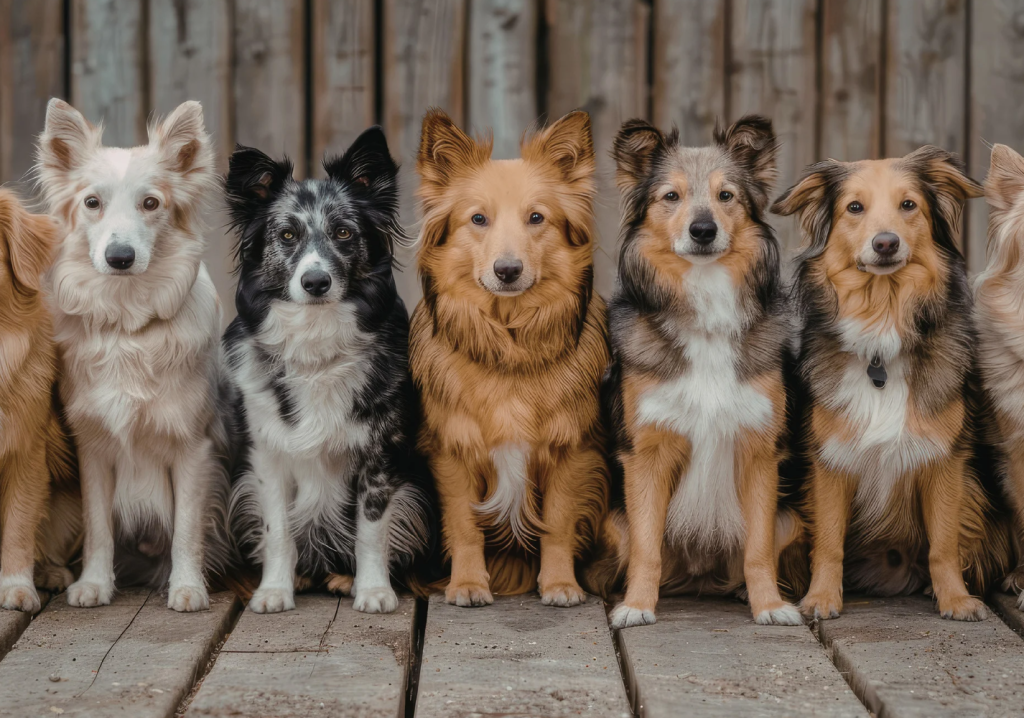
Historically, many high-energy breeds were developed for demanding jobs. Herding dogs worked all day. Sporting dogs retrieved repeatedly. Working breeds pulled, guarded, or searched for hours. Energy was a requirement, not a bonus.
Because of that background, these dogs still crave movement and challenge. Sitting still for long periods feels unnatural to them. As a result, unused energy spills into behavior.
However, breed is not the only factor. Age plays a role, since younger dogs have more stamina. Personality also matters, because some dogs are naturally more intense.
Importantly, high energy does not equal bad behavior. Energy simply needs direction. When you guide it correctly, everything changes.
Why Exercise Alone Rarely Solves the Problem
Many owners assume the answer is more exercise. While movement is important, exercise alone usually falls short.
Physical activity burns fuel, yet it does not teach self-control. In fact, constant intense workouts often create fitter dogs rather than calmer ones. Over time, stamina increases, but calm does not.
Additionally, overstimulation raises arousal levels. Long runs every day can leave a dog wired instead of relaxed.
Therefore, to care for high-energy dogs properly, exercise must be paired with mental work and rest. Think of energy like pressure. Without a release valve, problems appear.
Balance always beats exhaustion.
Smart Physical Exercise for High-Energy Dogs
Although exercise alone is not enough, the right kind still matters.
Purposeful movement helps regulate energy. Walks that include sniffing slow the nervous system. Structured games build focus. Free movement allows natural expression.
Variety also plays a key role. Repeating the same activity daily reduces its effectiveness. Rotating options keeps exercise enriching.
Helpful physical outlets include:
- Long walks with sniff breaks
- Controlled fetch with clear starts and stops
- Hiking on uneven terrain
- Tug games with rules
- Swimming when available
Quality matters more than duration. After exercise, your dog should settle more easily. If they stay frantic, intensity may be too high.
Mental Stimulation: The Game Changer
Mental work tires dogs faster than physical activity. For that reason, it is essential when you care for high-energy dogs.
Mental stimulation engages the brain. It also fulfills instincts like searching, solving, and learning. Even short sessions make a difference.
Effective options include:
- Puzzle toys
- Scatter feeding
- Short training games
- Scent work
- Hide-and-seek
Because frustration defeats the purpose, start simple. Gradually increase difficulty as your dog succeeds.
Ten minutes of thinking can equal an hour of running.
Why Routine Creates Calm
High-energy dogs feel safest when life is predictable. Routine reduces anxiety and prevents constant alertness.
When dogs know what comes next, they relax more easily. As a result, energy becomes manageable.
A helpful routine includes consistent times for waking, meals, exercise, training, and rest. While flexibility still matters, consistency creates stability.
Without structure, dogs remain on edge all day. With routine, they learn when to engage and when to relax.
Teaching Calm as a Learned Behavior
Calm does not come naturally to every dog. Instead, it must be practiced.
Many owners accidentally reward excitement. Attention often appears during chaos. Meanwhile, calm moments go unnoticed.
To care for high-energy dogs successfully, calm behavior must be reinforced. When your dog lies quietly, reward them. When they choose rest, acknowledge it.
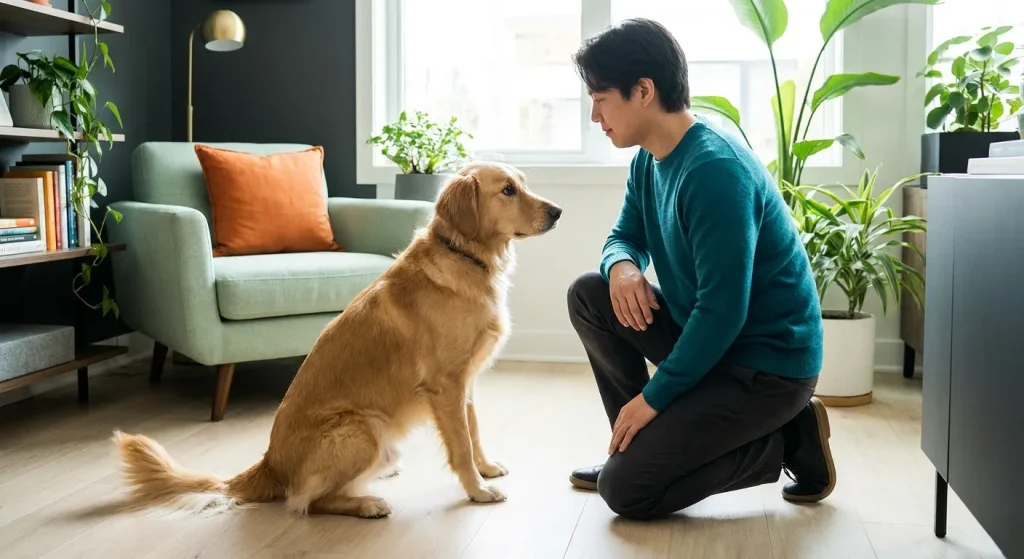
Teaching cues like “settle” or “place” helps. Start in quiet spaces. Increase distractions slowly.
Over time, calm becomes a habit rather than an accident.
Training as an Outlet for Energy
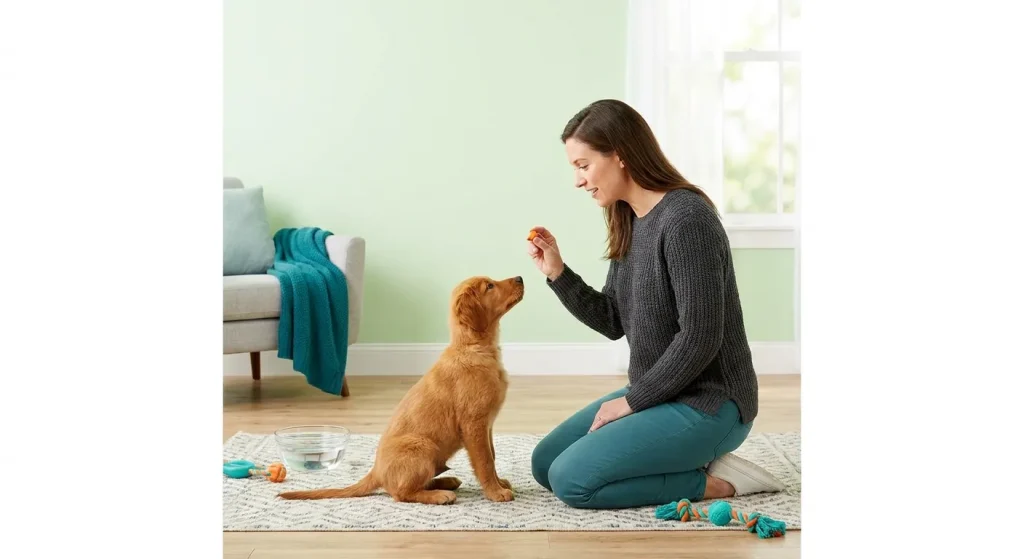
Training provides structure, challenge, and communication. Because of that, it is an excellent energy outlet.
Short sessions work best. Five focused minutes can outperform a long walk. Training gives your dog a job, and jobs reduce anxiety.
Useful training goals include impulse control, leash manners, stays, tricks, and scent games.
End sessions on success. Keep energy positive. Training should engage without overwhelming.
The Importance of Rest and Recovery
Many high-energy dogs struggle with rest. They stay alert until exhaustion hits.
Unfortunately, overtired dogs often become hyper. Behavior worsens instead of improving.
Therefore, rest must be intentional. Create calm spaces. Reduce stimulation. Encourage naps after activity.
Rest allows the nervous system to reset. Without it, progress stalls.
Nutrition and Energy Balance
Food directly affects behavior. Poor nutrition can cause spikes and crashes.
High-energy dogs need balanced diets, not excess calories. Overfeeding increases restlessness.
Consult your veterinarian about portions. Use food strategically during training and enrichment.
Hydration matters as well. Dehydrated dogs fatigue faster and lose focus.
Social Interaction Without Overload
Social play can help burn energy. However, uncontrolled play often increases arousal.
Choose playmates carefully. Match energy and style. Interrupt play before excitement peaks.
Short sessions with breaks work best. Not every dog thrives at dog parks.
Observe your dog’s signals and adjust accordingly.
Caring for High-Energy Dogs in Small Spaces
Limited space does not mean limited fulfillment.
Mental enrichment becomes more important indoors. Training fills gaps. Short, frequent outings help.
Indoor scent games and balance exercises work well. Vertical space can add variety when used safely.
Space limits movement, not happiness.
Common Mistakes That Increase Hyperactivity
Several habits unintentionally make things worse.
Constant high-intensity exercise builds stamina. Inconsistent routines increase anxiety. Ignoring calm slows learning.
Another mistake involves guilt. Overcompensation leads to overstimulation.
Balance always wins.
Signs Your Approach Is Working
Progress shows in subtle ways.
Your dog settles faster. Focus improves. Destructive behavior decreases. Sleep deepens. Body language softens.
Celebrate these signs. Change happens gradually.
When Professional Help Makes Sense
Sometimes progress stalls despite effort. In those cases, professional guidance helps.
Look for reward-based trainers or behavior consultants. Avoid fear-based methods.
Support speeds success.
Long-Term Success With High-Energy Dogs
Caring for a high-energy dog is a long-term commitment. Life changes, and routines adapt.
When you care for high-energy dogs with balance, patience, and flexibility, harmony follows.
Conclusion
High-energy dogs are not too much. They are simply built for more. When you care for high-energy dogs the right way, their intensity becomes enthusiasm instead of stress. Through balanced exercise, mental stimulation, routine, and rest, chaos turns into connection. With consistency and understanding, life with an energetic dog becomes a joy rather than a challenge.
FAQ
1. How much exercise do high-energy dogs need daily?
Needs vary, but quality matters more than quantity. Mental work reduces physical demands.
2. Can high-energy dogs learn to relax?
Yes. Calm behavior improves through practice, routine, and reinforcement.
3. Are high-energy dogs harder to train?
Often no. Many learn quickly because they enjoy engagement and challenges.
4. Do high-energy dogs need special diets?
They need balanced nutrition, not excessive calories. Consult a veterinarian for guidance.
5. Is it possible to care for high-energy dogs with a busy schedule?
Yes. Short, consistent sessions and smart enrichment fit into most lifestyles.