
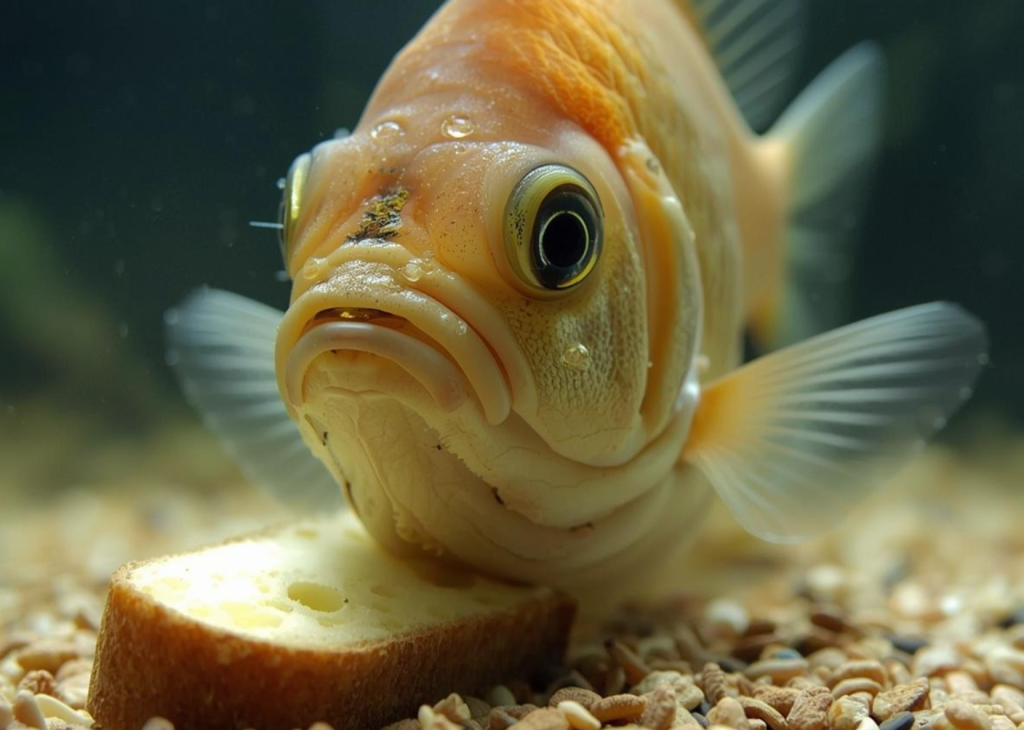

Feeding fish wrong food happens far more often than most aquarium owners realize. The tank looks clean. The fish eat eagerly. Nothing seems obviously wrong. Yet slowly, colors fade, activity drops, and health problems appear. Many of these issues trace back to one quiet source. Diet.
Fish are not all the same. Some graze constantly. Others hunt. Some digest plant matter easily, while others cannot process it at all. When food does not match biology, the body struggles to adapt.
Think of food as fuel. Put diesel in a gasoline engine, and it may run briefly. Eventually, damage appears. Fish experience a similar breakdown when nutrition does not align with species needs.
Understanding whether you are feeding fish wrong food helps prevent stress, disease, and premature loss. Proper feeding restores energy, behavior, and natural color.
Why Feeding Fish Wrong Food Is So Common
Aquarium food marketing often oversimplifies nutrition. Labels promise “complete nutrition” for all fish. Unfortunately, biology does not work that way.
Fish species evolved to eat specific diets. In the wild, food sources vary by habitat, depth, and behavior. Captivity removes that diversity.
Feeding fish wrong food usually begins with convenience. One container feels easier than managing multiple diets. However, convenience often sacrifices health.
Additionally, fish cannot refuse inappropriate food politely. They eat what is offered, even when digestion suffers.
Awareness is the first step toward better feeding choices.
How Fish Digest Food Differently
Fish digestion depends on anatomy. Carnivores have short digestive tracts. Herbivores have longer ones. Omnivores fall somewhere in between.
Feeding fish wrong food forces digestive systems to work against design. Carnivores struggle with excess plant fiber. Herbivores struggle with high-protein diets.
Digestion inefficiency leads to bloating, constipation, and internal inflammation. These issues often appear slowly.
Healthy digestion supports energy, immunity, and growth. Poor digestion drains resources silently.
Matching food to anatomy prevents unnecessary strain.
Carnivorous Fish and Diet Mistakes
Carnivorous fish require high-protein diets. Insects, crustaceans, and smaller fish make up most of their natural intake.
Feeding fish wrong food in carnivorous species often involves too many plant-based fillers. These fillers reduce protein absorption.
As a result, carnivores may appear hungry constantly. Growth slows. Aggression may increase due to nutritional imbalance.
High-quality protein sources support muscle development and activity.
Carnivores thrive when diets stay focused and consistent.
Herbivorous Fish and Protein Overload
Herbivorous fish digest plant matter efficiently. Algae, biofilm, and vegetation dominate their natural diets.
Feeding fish wrong food often means offering too much animal protein. Excess protein overwhelms herbivore digestion.
Symptoms include bloating, fatty deposits, and shortened lifespan. Activity may drop as discomfort increases.
Plant-based diets with appropriate fiber support gut health and natural grazing behavior.
Herbivores need access to food throughout the day, not large protein-heavy meals.
Omnivorous Fish and Balance Problems
Omnivores require balance. Too much of one nutrient disrupts digestion.
Feeding fish wrong food in omnivores usually means skewing heavily toward protein or filler carbohydrates.
Balanced diets include plant matter, protein, and micronutrients.
Variety supports gut health and prevents deficiencies.
Omnivores benefit from rotation rather than repetition.
Flake Food and Nutritional Decline
Flake food is common. Unfortunately, it degrades quickly once opened.
Exposure to air, light, and moisture reduces vitamin content. Over time, flakes lose nutritional value.
Feeding fish wrong food sometimes means feeding old food rather than inappropriate food.
Fish may eat eagerly but still suffer deficiencies.
Replacing food regularly prevents silent malnutrition.
Quality matters more than quantity.
Pellets, Granules, and Size Matters
Pellets offer concentrated nutrition. However, size selection matters.
Pellets that are too large cause choking or digestive stress. Pellets that are too small dissolve too quickly.
Feeding fish wrong food often involves incorrect pellet size rather than wrong ingredients.
Match pellet size to mouth size and feeding style.
Slow-sinking pellets suit mid-water feeders. Bottom feeders need sinking options.
Frozen and Live Foods: Benefits and Risks
Frozen and live foods add variety and stimulation. They mimic natural feeding behavior.
However, feeding fish wrong food can happen when these options dominate the diet.
Live foods may carry parasites. Frozen foods may lack balance if used exclusively.
Use these foods as supplements, not staples.
Variety should support nutrition, not replace it.
Overfeeding Versus Wrong Food
Overfeeding compounds dietary mistakes. Even correct food becomes harmful in excess.
Uneaten food degrades water quality. Fish eat beyond need.
Feeding fish wrong food often pairs with feeding too often.
Smaller portions reduce waste and improve digestion.
Observe feeding behavior rather than following rigid schedules.
Signs You Are Feeding Fish Wrong Food
Behavior changes appear first. Reduced activity. Hiding. Lethargy.
Physical signs follow. Bloating. Stringy waste. Dull coloration.
Growth slows. Disease appears more frequently.
Feeding fish wrong food rarely causes sudden collapse. Instead, health erodes gradually.
Behavioral observation provides early warning.
How Feeding Fish Wrong Food Affects Water Quality
Undigested food becomes waste. Waste increases ammonia and nitrates.
Poor water quality irritates gills and skin. Fish reduce movement to cope.
Even strong filtration struggles against chronic dietary waste.
Proper nutrition supports cleaner tanks naturally.
Food choice influences water chemistry directly.
Bottom Feeders and Specialized Diets
Bottom feeders are often misunderstood. They do not eat leftovers alone.
Feeding fish wrong food in bottom dwellers means offering sinking scraps instead of targeted nutrition.
Many bottom feeders require algae wafers, vegetables, or specific proteins.
Competition prevents adequate intake when food is not targeted.
Proper feeding ensures bottom dwellers thrive rather than starve quietly.
Surface Feeders and Air Intake Issues
Surface feeders gulp air while feeding. Pellet density and size matter.
Feeding fish wrong food at the surface increases air ingestion.
Air ingestion causes buoyancy problems and stress.
Floating foods should suit species behavior.
Feeding technique matters as much as food choice.
Feeding Frequency and Natural Rhythms
Fish evolved with feeding rhythms tied to environment.
Some species graze constantly. Others eat infrequently.
Feeding fish wrong food often includes feeding at incorrect frequency.
Matching frequency to species reduces stress and waste.
Less frequent feeding sometimes improves health.
Seasonal Feeding Adjustments
Temperature affects metabolism. Cold water slows digestion.
Feeding fish wrong food during cooler periods stresses digestion.
Reduce feeding frequency as metabolism slows.
Seasonal adjustments prevent bloating and waste buildup.
Juvenile Fish and Growth Nutrition
Young fish require higher protein and frequent feeding.
Feeding fish wrong food during growth stages causes stunting.
Growth inhibitors may appear in crowded or underfed environments.
Proper juvenile nutrition supports long-term health.
Adjust diets as fish mature.
Species-Specific Diet Research Matters
Generic labels cannot replace research.
Each species has documented dietary needs.
Feeding fish wrong food often results from assumption rather than ignorance.
Reliable care guides and reputable sources support better choices.
Knowledge prevents trial-and-error suffering.
Homemade Fish Food Considerations
Homemade diets appeal to some owners.
However, nutrient balance becomes challenging.
Feeding fish wrong food at home often results from missing vitamins or minerals.
Supplementation requires precision.
Commercial diets offer consistency.
The Role of Color-Enhancing Foods
Color foods enhance pigments. However, overuse causes imbalance.
Feeding fish wrong food includes relying solely on color-enhancing formulas.
These foods supplement, not replace, balanced diets.
Use sparingly for visual enhancement.
Fish Activity and Proper Nutrition
Nutrition directly affects energy.
Proper diets restore natural swimming, curiosity, and interaction.
Feeding fish wrong food drains energy reserves.
Correct nutrition revives movement quickly.
Active fish signal internal balance.
How to Correct Feeding Mistakes Safely
Change diets gradually. Sudden changes shock digestion.
Mix old and new foods initially.
Observe response carefully.
Gradual correction prevents stress.
Patience improves outcomes.
Long-Term Benefits of Correct Feeding
Proper nutrition extends lifespan.
Disease resistance improves.
Behavior stabilizes.
Feeding fish wrong food shortens life quietly.
Correct feeding builds resilience.
Ethical Responsibility in Fish Feeding
Fish rely entirely on provided nutrition.
Feeding choices directly impact welfare.
Providing correct diets is ethical care.
Knowledge carries responsibility.
Conclusion
Feeding fish wrong food is one of the most common and overlooked aquarium mistakes. What appears harmless often causes silent stress, poor digestion, and long-term health decline.
Fish thrive when diets match biology, behavior, and environment. Proper nutrition restores activity, color, and confidence.
Food is more than sustenance. It is the foundation of health.
Feed intentionally, and your fish will show the difference.
FAQ
1. How do I know if I am feeding fish wrong food?
Signs include reduced activity, bloating, dull color, and frequent illness.
2. Can one food work for all fish in a community tank?
Rarely. Mixed diets or targeted feeding usually work better.
3. How often should fish be fed?
Frequency depends on species, age, and temperature. Most adult fish need small daily portions.
4. Is live food necessary for fish health?
No, but it can enhance stimulation when used safely and occasionally.
5. How quickly will fish improve after correcting diet?
Behavior often improves within weeks, while full health recovery may take longer.