
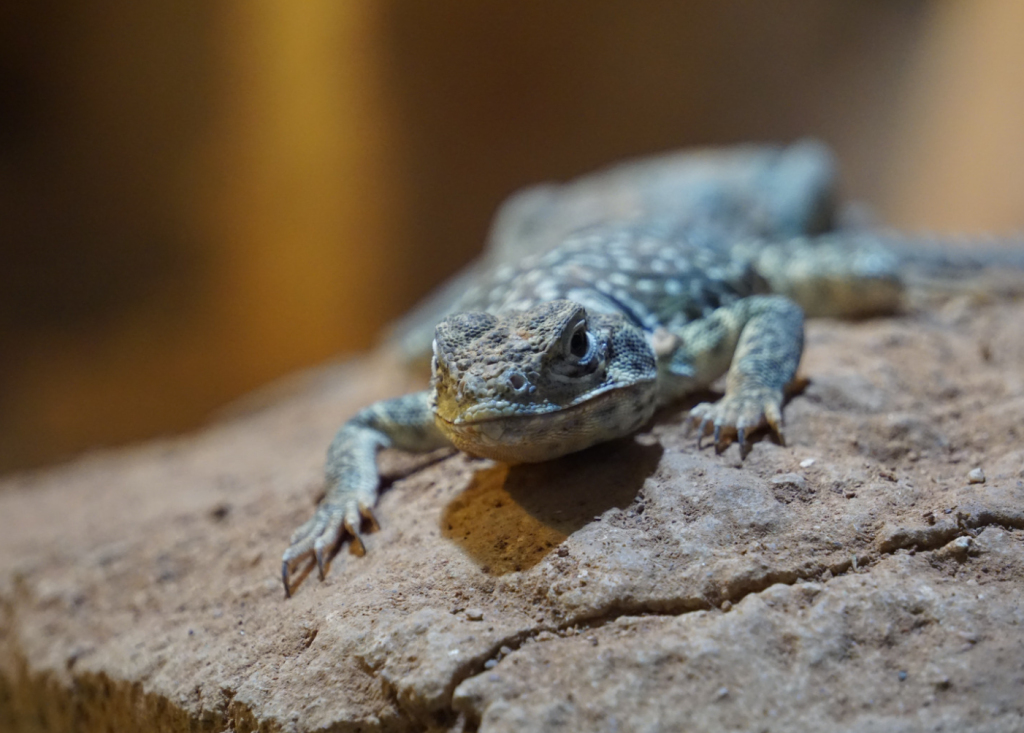

Feeding a reptile seems simple at first glance. Toss in some insects, add a leafy green, and call it done. Unfortunately, reptile diet mistakes often start with those assumptions. Reptiles are not generic eaters. Each species evolved with precise nutritional needs, and when those needs are ignored, health issues follow quickly.
Unlike dogs or cats, reptiles hide illness well. By the time symptoms appear, damage may already be significant. That’s why diet matters so much. Food is not just fuel. It’s medicine, structure, and energy combined.
Reptile diet mistakes happen for many reasons. Misinformation spreads easily. Pet stores sometimes oversimplify advice. Even experienced keepers can fall into habits that slowly harm their animals. However, most problems are preventable once you know what to avoid.
This article breaks down the most common reptile diet mistakes that lead to serious health issues. More importantly, it explains why those mistakes matter and how to correct them before long-term harm occurs.
Why Reptile Diet Mistakes Are So Dangerous
Reptiles rely entirely on their environment for survival. That includes temperature, lighting, and nutrition. When one element fails, the others suffer.
Poor diet weakens bones, organs, and immune systems. Over time, deficiencies create a cascade of problems. Growth slows. Energy drops. Infections take hold more easily.
Unlike mammals, reptiles cannot compensate well for nutritional gaps. If calcium is missing, bones soften. If vitamins are unbalanced, organs struggle. These changes are not cosmetic. They are structural.
Additionally, many reptile diet mistakes happen slowly. Damage builds quietly over months or years. By the time signs appear, recovery becomes harder.
Feeding the Wrong Diet for the Species
One of the most common reptile diet mistakes is feeding based on convenience instead of biology.
Not all reptiles eat insects. Not all reptiles eat plants. Some require a precise balance that shifts with age.
For example, juvenile bearded dragons need more protein than adults. Feeding them only vegetables stunts growth. On the other hand, adult dragons fed excessive insects often develop obesity and liver issues.
Snakes are often overfed rodents that are too large or too frequent. This stresses digestion and leads to regurgitation or fatty organ disease.
Turtles are another example. Many species shift from carnivorous to omnivorous as they age. Failing to adjust causes shell deformities and vitamin deficiencies.
Feeding the wrong diet is not just incorrect. It actively harms internal systems.
Overfeeding and Underfeeding Errors
Portion control is often overlooked. Some keepers assume reptiles will stop eating when full. That assumption causes problems.
Overfeeding leads to obesity, fatty liver disease, and reduced lifespan. Underfeeding causes weakness, organ failure, and compromised immunity.
Because reptiles burn energy differently, daily feeding is not always appropriate. Many species thrive on spaced-out meals.
Reptile diet mistakes related to feeding frequency often stem from human schedules rather than animal needs. However, nature does not follow a clock.
Observing body condition is crucial. Healthy reptiles show muscle tone without excess fat. Adjustments should be gradual and deliberate.
Calcium and Vitamin Imbalances
Calcium deficiency is one of the most dangerous reptile diet mistakes. It leads to metabolic bone disease, a painful and often fatal condition.
Without enough calcium, bones weaken. Jaws soften. Spines curve. Movement becomes difficult.
However, calcium alone is not enough. Vitamin D3 is required for absorption. Without proper UVB lighting or supplementation, calcium passes through unused.
On the flip side, excessive vitamin supplementation causes toxicity. Fat-soluble vitamins accumulate and damage organs.
Balance matters. Dusting insects randomly or guessing dosages creates risk. Species-specific guidance should always be followed.
Ignoring UVB and Its Role in Diet
Diet and lighting are inseparable for reptiles. Yet, many reptile diet mistakes ignore this connection.
UVB light allows reptiles to synthesize vitamin D3 naturally. Without it, even a perfect diet fails.
Some keepers rely entirely on supplements. While helpful, supplements are not a full replacement for proper UVB exposure.
Poor UVB setup leads to calcium imbalance, lethargy, and weakened immunity. Over time, skeletal deformities develop.
Feeding well while ignoring lighting is like eating healthy while never absorbing nutrients. The result is the same.
Feeding Insects With Poor Nutrition
Insect-eating reptiles depend on feeder insects for nutrients. However, not all insects are equal.
Crickets raised without proper gut loading offer little value. Mealworms fed poor diets become empty calories.
This reptile diet mistake is common and dangerous. Reptiles eat the nutrients inside the insect, not the insect itself.
Gut loading feeders with vegetables, grains, and calcium-rich foods improves nutritional content dramatically.
Variety also matters. Relying on one insect species creates deficiencies over time.
Using Inappropriate Plant Foods
Herbivorous and omnivorous reptiles require specific plant nutrients. Feeding the wrong greens causes problems.
Iceberg lettuce, for instance, offers almost no nutrition. Feeding it regularly leads to vitamin deficiency.
Some plants contain oxalates, which bind calcium and prevent absorption. Spinach is a common culprit.
Others contain goitrogens, which interfere with thyroid function.
Reptile diet mistakes involving plants often come from assuming all greens are healthy. In reality, selection matters.
Failing to Adjust Diet With Age
Reptiles change over time. Their diet should change too.
Young reptiles need growth fuel. Adults need maintenance nutrition. Seniors need support.
Failing to adjust diet causes imbalance. Excess protein in adults leads to kidney stress. Insufficient protein in juveniles limits development.
Monitoring life stages prevents many health issues. Feeding should evolve alongside the reptile.
Relying Too Heavily on Commercial Foods
Commercial reptile foods can be helpful. However, relying on them exclusively is risky.
Many pellets lack variety. Others degrade quickly once opened. Nutrient loss occurs faster than most people realize.
Whole foods offer texture, moisture, and enrichment. They also encourage natural feeding behavior.
Commercial options should supplement, not replace, a balanced diet.
Inconsistent Feeding Schedules
Reptiles thrive on predictability. Inconsistent feeding creates stress.
Long gaps followed by heavy meals overload digestion. Frequent small meals work better for many species.
Stress affects appetite, immunity, and behavior. Consistent routines support stability.
This reptile diet mistake often appears in busy households. However, small adjustments make a big difference.
Ignoring Hydration Needs
Water is part of diet, yet often overlooked.
Some reptiles drink from bowls. Others lick droplets. Some absorb moisture through food.
Dehydration causes kidney damage, shedding issues, and digestive problems.
Misting, soaking, or offering water-rich foods may be necessary depending on species.
Ignoring hydration undermines even the best diet.
Feeding Unsafe or Toxic Foods
Some foods are outright dangerous.
Fireflies are toxic to lizards. Avocado harms many reptiles. Certain insects contain defensive toxins.
Even fruits can cause issues when fed excessively. Sugar disrupts gut bacteria and causes diarrhea.
Research is essential. Guessing leads to serious consequences.
Signs That Diet Mistakes Are Already Causing Harm
Early signs include lethargy, weight changes, and poor appetite.
Later signs involve bone deformities, tremors, and organ failure.
Behavioral changes often appear before physical ones. Reduced movement or aggression can signal discomfort.
Veterinary care is crucial at the first sign of trouble. Diet corrections work best early.
How to Correct Reptile Diet Mistakes Safely
Changes should be gradual. Sudden shifts stress digestion.
Consult reliable care guides or reptile veterinarians. Species-specific advice matters.
Track feeding. Observe behavior. Adjust carefully.
Correction takes time, but improvement is possible when caught early.
Why Education Prevents Long-Term Health Issues
Most reptile diet mistakes are unintentional. Better education solves that problem.
Understanding natural feeding habits makes care intuitive. When you feed like nature intended, health follows.
Learning never stops. As research evolves, so should husbandry practices.
Conclusion
Reptile diet mistakes are one of the leading causes of serious health issues in captive reptiles. From calcium imbalance to poor food choices, small errors create big problems over time. Fortunately, most of these mistakes are preventable. By understanding species needs, adjusting diets with age, and respecting the connection between nutrition and environment, keepers can support long, healthy reptile lives. Feeding correctly is not complicated, but it does require attention, patience, and informed choices.
FAQ
1. What is the most common reptile diet mistake?
Calcium deficiency caused by poor supplementation or lack of UVB lighting.
2. Can diet mistakes be reversed?
Some issues can improve if caught early, but severe damage may be permanent.
3. How often should reptiles be fed?
Feeding frequency depends on species, age, and metabolism.
4. Are commercial reptile foods safe?
They can help but should not replace fresh, species-appropriate foods.
5. When should I see a vet for diet concerns?
At the first sign of lethargy, appetite change, or physical abnormality.