
Small pets live big lives in small spaces. That reality makes housing design more important than many owners realize. Small pet housing is not just a container. It’s a daily environment that shapes movement, behavior, and long-term health.
When housing limits motion, small pets adapt in unhealthy ways. Muscles weaken. Weight increases. Curiosity fades. On the other hand, when space encourages movement, pets stay active and engaged. Energy levels rise. Stress drops. Natural behaviors appear.
Movement is not optional for small animals. It’s essential. Yet many cages prioritize convenience over function. Tiny footprints, flat layouts, and empty interiors restrict motion instead of promoting it.
This article explores how small pet housing can actively encourage movement. You’ll learn what works, what doesn’t, and how to design a space that keeps pets physically and mentally stimulated.
Why Movement Matters in Small Pet Housing
Movement fuels health. That statement applies to every species, including small pets.
Hamsters, mice, guinea pigs, rabbits, and ferrets evolved to move frequently. In the wild, they forage, explore, climb, dig, and hide. When housing removes those options, bodies suffer.
Restricted movement contributes to obesity, joint problems, and digestive issues. Mental health declines as well. Boredom leads to repetitive behaviors like bar chewing or pacing.
Small pet housing should mimic natural challenges. Not perfectly, but intentionally. Movement should happen naturally throughout the day, not just during supervised playtime.
How Poor Housing Design Limits Natural Motion
Many cages look appealing but function poorly. Bright colors and compact shapes sell well. Unfortunately, pets pay the price.
Single-level layouts restrict climbing and exploration. Narrow footprints limit running space. Smooth plastic floors reduce traction and discourage movement.
Additionally, overcrowding accessories reduces usable space. Food bowls, shelters, and toys often compete for the same area. Movement paths disappear.
Small pet housing should create flow, not obstacles. Every element should serve a purpose.
Choosing the Right Size for Small Pet Housing
Size matters more than most owners expect. Bigger enclosures support more movement, even for tiny animals.
Minimum size recommendations often reflect survival, not thriving. Pets may live, but they won’t flourish.
Larger housing allows for running, turning, and stretching. It also enables enrichment without clutter. Pets can choose how and when to move.
Whenever possible, choose the largest enclosure your space allows. Movement increases naturally when room exists.
Vertical Space Encourages Natural Movement
Flat cages miss a major opportunity. Vertical space transforms how pets move.
Ramps, platforms, and levels encourage climbing and exploration. Vertical movement strengthens muscles and improves coordination.
For species like mice or rats, climbing feels instinctive. For rabbits and guinea pigs, low platforms offer vantage points and gentle elevation changes.
Small pet housing benefits greatly from thoughtful vertical design. Safety matters, but challenge promotes health.
Flooring That Supports Comfortable Movement
Floor texture influences behavior. Slippery surfaces discourage motion. Hard plastic strains joints.
Solid flooring with bedding allows traction and comfort. It also encourages digging and nesting behaviors.
Wire floors, though convenient, restrict movement and cause foot injuries. Over time, pain reduces activity levels.
Comfortable footing invites exploration. When movement feels good, pets move more.
Layout Design That Promotes Exploration
Movement thrives in interesting spaces. Empty cages create boredom. Overcrowded cages restrict flow.
Balance matters. Create clear paths between zones. Sleeping areas should feel secure. Feeding areas should require light movement.
Placing resources apart encourages gentle activity. Food on one side, water on another, shelter in between. Movement becomes purposeful.
Small pet housing should feel like a tiny neighborhood, not a storage box.
Exercise Features That Actually Work
Not all accessories promote movement. Some look fun but offer little benefit.
Exercise wheels must fit properly. Undersized wheels curve spines and discourage use. Solid surfaces are safer than wire.
Tunnels encourage exploration and short bursts of movement. Rearranging them occasionally renews interest.
Platforms and bridges add variety. However, stability matters. Wobbly structures create fear instead of engagement.
Choose features that invite voluntary movement, not forced exercise.
Lighting and Placement Influence Activity
Where housing sits in your home affects movement patterns.
Bright, noisy areas cause stress. Dark, isolated corners reduce stimulation.
Natural light cycles help regulate activity. Many small pets are crepuscular, active during dawn and dusk.
Place housing where gentle activity occurs nearby. Calm movement encourages curiosity without overwhelming.
Small pet housing works best when integrated into daily life.
Species-Specific Housing Considerations
Different pets move differently. Housing should reflect that.
Hamsters need horizontal running space and deep bedding for burrowing. Vertical height matters less than floor area.
Guinea pigs thrive in long, open enclosures. They sprint rather than climb. Clear runways encourage movement.
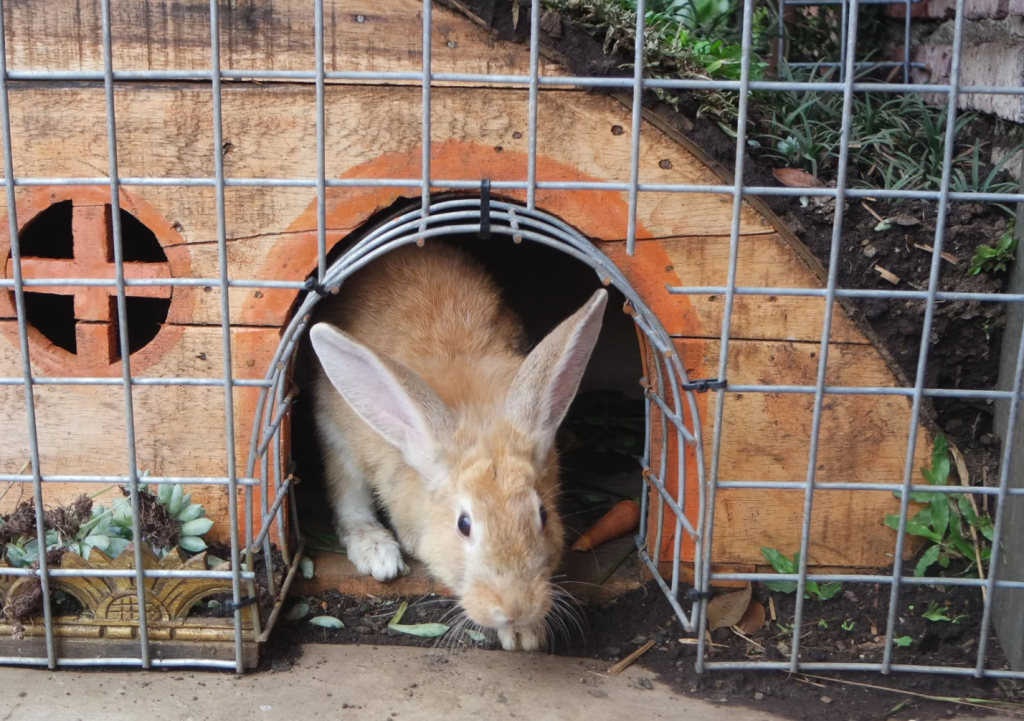
Rabbits require room to hop and stretch fully. Multi-level setups work well when ramps are gentle.
Ferrets crave exploration. Tunnels, levels, and interactive layouts suit their energy.
Understanding species needs prevents design mistakes.
Why Temporary Playtime Isn’t Enough
Many owners rely on out-of-cage time to compensate for small housing. While helpful, it’s not sufficient.
Daily movement should happen naturally. Pets shouldn’t wait hours to stretch or explore.
Additionally, unsupervised playtime carries risks. Housing provides safe, continuous access to movement.
Small pet housing should support activity even when you’re busy.
Enrichment That Encourages Motion
Enrichment doesn’t mean clutter. It means thoughtful variety.
Rotating toys renews interest. Simple changes spark exploration. A cardboard tube today feels new tomorrow.
Foraging toys encourage movement tied to reward. Pets work gently for food, mimicking natural behavior.
Scent variation also helps. New smells stimulate investigation and movement.
Small pet housing benefits from change, not constant novelty.
Common Housing Mistakes That Reduce Movement
Several mistakes appear often.
Choosing cages based on aesthetics rather than function limits motion. Ignoring vertical space wastes potential.
Overusing wheels replaces varied movement with repetitive action. Movement variety matters.
Failing to clean properly creates odors that discourage exploration. Hygiene supports activity.
Correcting these issues improves movement quickly.
How Housing Affects Mental Health
Movement and mental health connect closely. Active pets show curiosity. Inactive pets withdraw.
Boredom leads to stress behaviors. Chewing bars, excessive hiding, or lethargy signal unmet needs.
Small pet housing that encourages movement reduces anxiety. Exploration builds confidence.
Mental stimulation matters as much as physical activity.
Adjusting Housing as Pets Age
Age changes movement needs. Young pets explore constantly. Seniors move more slowly.
Housing should adapt. Lower platforms reduce fall risk. Softer bedding cushions joints.
However, movement should never stop. Gentle activity supports circulation and digestion.
Small pet housing should evolve over time.
Observing Movement Patterns for Feedback
Your pet provides feedback daily. Watch how they move.
Do they use all areas or stay confined? Do they explore or freeze?
Lack of movement signals discomfort or boredom. Adjust layout, add space, or reduce stressors.
Observation guides improvement better than guesswork.
Why Bigger Is Almost Always Better
When in doubt, go bigger. Space creates opportunity.
Large housing doesn’t force movement. It allows choice. Choice reduces stress.
Pets move more when they feel safe. Space provides that security.
Small pet housing should never feel cramped.
Conclusion
Small pet housing shapes daily life more than any single accessory. When designed to encourage movement, it supports physical health, mental stimulation, and natural behavior. Thoughtful space, smart layout, and species-specific design turn housing into an active environment rather than a passive container. Movement should feel effortless, not forced. By prioritizing motion in small pet housing, owners give their pets the chance to live fuller, healthier lives every single day.
FAQ
1. How much space do small pets really need?
More than minimum guidelines suggest. Extra space improves movement and wellbeing.
2. Are multi-level cages safe for small pets?
Yes, when ramps are stable and heights are appropriate for the species.
3. Can toys replace larger housing?
No. Toys help, but space is still essential for movement.
4. How often should housing layouts be changed?
Small changes every few weeks keep environments engaging without causing stress.
5. What’s the biggest housing mistake owners make?
Choosing cages that look good but restrict movement and exploration.