Keeping your furry friends clean isn’t just about looks—it’s about health, comfort, and bonding. Learning how to groom guinea pigs and rabbits at home helps prevent matting, skin problems, and even stress. With the right tools, gentle handling, and a calm environment, grooming can become a soothing routine for both you and your pets.
Let’s explore how to make grooming safe, stress-free, and effective for your guinea pigs and rabbits.
Understanding the Importance of Grooming Small Pets
Before diving into techniques, it’s essential to understand why regular grooming matters. Guinea pigs and rabbits naturally groom themselves, but they often need extra help—especially long-haired breeds.
Brushing removes dead fur, reduces shedding, and prevents painful mats. It also gives you a chance to check for parasites or skin issues early. Clean fur, trimmed nails, and tidy ears all add up to a happier, healthier pet.
Grooming also strengthens trust. The more you handle your guinea pig or rabbit gently, the more they’ll associate your touch with safety and care.
Preparing for a Calm Grooming Session
Choose a Quiet Environment
Small pets are easily startled by noise or sudden movements. Set up a calm area away from barking dogs, clattering dishes, or loud music. You can place a soft towel on a sturdy surface or even groom them on your lap if they’re comfortable.
A peaceful setting reduces anxiety and helps prevent sudden jumps or bites during grooming.
Gather the Right Tools
Before starting, have everything ready so you don’t have to stop mid-groom. You’ll need:
- A soft-bristle brush or small pet comb
- Pet-safe nail clippers or a small animal trimmer
- A grooming towel or mat
- Cotton balls and pet ear cleaner
- A gentle, unscented dry shampoo (optional)
You can find these tools in most pet stores or through trusted online retailers like Chewy or Petco.
How to Groom Guinea Pigs at Home
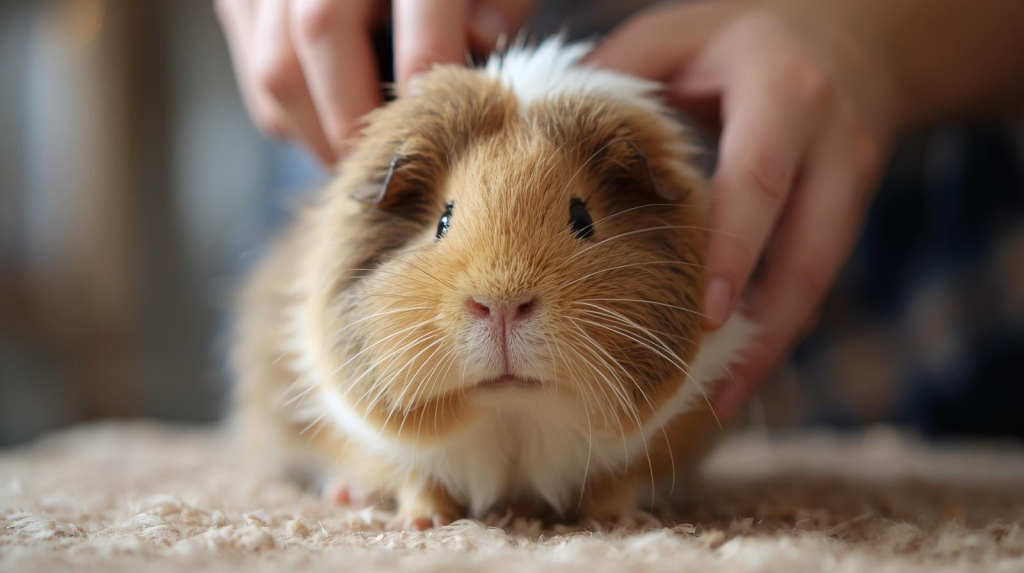
Guinea pigs have delicate skin and fine hair, so gentle grooming is key.
Brushing Guinea Pigs
Brush your guinea pig at least once or twice a week. Long-haired breeds like Peruvians or Silkies may need daily brushing to avoid tangles. Use a soft brush to detangle the fur, starting from the back and working forward.
If you notice mats, hold the hair close to the skin and gently work them out with a comb—never yank or pull.
Regular brushing not only keeps their coat clean but also allows you to check for lumps, scabs, or mites.
Trimming Nails and Cleaning Ears
Guinea pig nails grow continuously and can curl into their feet if left unchecked. Trim every 3–4 weeks using pet-safe clippers. Be careful to avoid the quick—the pink line in the nail containing nerves and blood vessels.
For ear cleaning, use a cotton ball with a drop of pet-safe ear cleaner. Wipe gently around the ear’s outer edge; never insert anything into the ear canal.
Spot Cleaning
Guinea pigs shouldn’t be bathed often. Their skin is sensitive, and frequent washing can strip natural oils. Instead, use a damp cloth or unscented pet wipes to clean soiled areas.
If your guinea pig has grease glands near its rear, you can gently wipe them with warm water and mild pet shampoo once a month.
How to Groom Rabbits at Home
Rabbits are meticulous self-cleaners, but they still benefit from regular grooming—especially during shedding seasons.
Brushing Rabbits
Brush your rabbit weekly, or daily if it’s a long-haired breed like the Angora. Loose fur can cause digestive issues if ingested, leading to dangerous hairballs. Use a slicker brush or rubber grooming mitt to remove shedding fur.
During heavy molting, brushing every day helps prevent fur ingestion and keeps your home cleaner. Always support your rabbit’s body to make them feel secure.
Nail Trimming for Rabbits
Like guinea pigs, rabbits need regular nail trims every 4–6 weeks. Long nails can make walking uncomfortable and even lead to injuries. Use small pet clippers and hold your rabbit gently but firmly.
If you accidentally clip the quick and cause bleeding, apply cornstarch or styptic powder to stop it quickly.
Checking Eyes, Ears, and Teeth
Rabbits are prone to ear mites and dental issues. Check their ears for wax buildup and redness. Their eyes should be bright and free from discharge.
Overgrown teeth are a serious issue—if you notice drooling or difficulty eating, consult a vet immediately. Regular chewing on hay and toys naturally helps keep teeth in check.
Bathing Small Pets Safely
Why Baths Should Be Rare
Unlike dogs, guinea pigs and rabbits don’t need regular baths. In fact, full immersion can shock their system or lead to respiratory issues. Only bathe them when absolutely necessary—such as after getting into something sticky or dirty.
Use lukewarm water and a tiny amount of small-animal-safe shampoo. Support them carefully and rinse thoroughly, avoiding the face and ears. Dry them immediately with a towel and keep them warm until fully dry.
Dry Grooming Alternatives
If your pet needs a refresh without water, consider dry shampoos made for small animals. Sprinkle a small amount, massage gently, and brush it out. This keeps them clean without the stress of a wet bath.
Handling Tips for Gentle Grooming
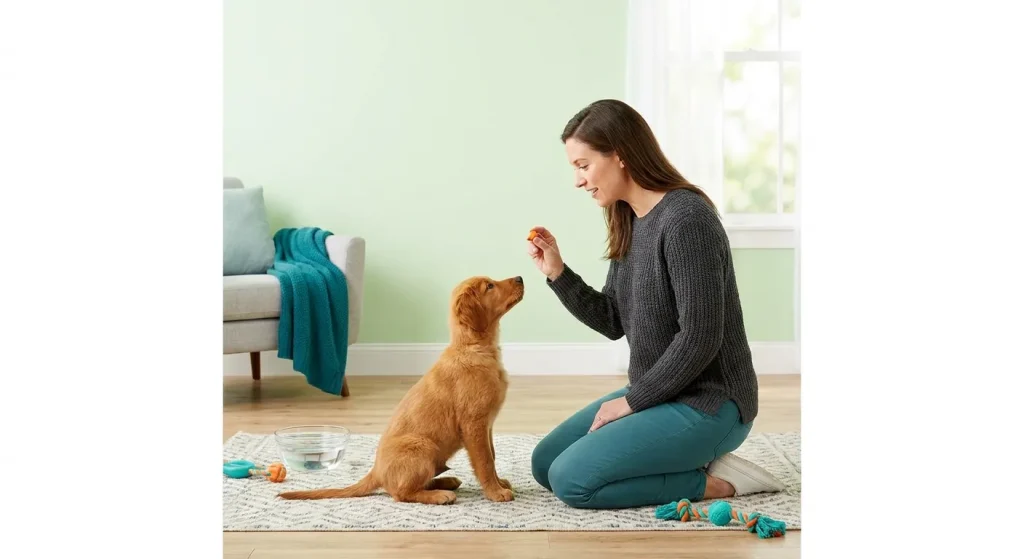
Calm handling builds trust. Always move slowly and talk softly. You can give small treats like a piece of lettuce or carrot during the session to make grooming a positive experience.
If your pet squirms, stop and let them relax. Forcing grooming only increases fear. Over time, they’ll learn that brushing means attention, comfort, and snacks—a win-win situation for both of you.
Common Grooming Mistakes to Avoid
Even with the best intentions, some mistakes can cause discomfort or harm. Avoid these pitfalls:
- Using human shampoo or harsh soaps
- Cutting nails too short
- Bathing too often
- Ignoring mats or dirty fur
- Handling your pet roughly or too tightly
Patience, gentleness, and routine are the pillars of successful grooming.
Creating a Grooming Routine
Consistency is key. Regular grooming keeps your guinea pig or rabbit comfortable and strengthens your connection with them. Try setting a schedule: brushing every few days, nail trims monthly, and ear checks weekly.
Use this time to bond, talk to them, and make the process enjoyable. With love and patience, your pets will look forward to grooming as much as you do.
Conclusion
Learning how to groom guinea pigs and rabbits at home is one of the best ways to care for their health and happiness. With a few tools, a calm hand, and regular attention, grooming becomes an act of love and trust.
Remember—gentle, consistent care leads to happier pets, cleaner coats, and a stronger bond between you and your small furry companions.
For more pet care tips, visit trusted resources like the American Rabbit Breeders Association or the Guinea Lynx Care Guide, and check your local vet’s advice on breed-specific needs.
FAQ
1. How often should I groom my guinea pig?
Brush your guinea pig once or twice a week, and daily for long-haired breeds to prevent tangles and mats.
2. Can I bathe my rabbit in water?
Avoid full baths unless absolutely necessary. Rabbits can go into shock when submerged. Use a damp cloth for spot cleaning instead.
3. What type of brush is best for guinea pigs?
Use a soft-bristle brush or small pet comb designed for delicate fur to avoid irritation and damage.
4. How do I calm my pet before grooming?
Groom in a quiet room, speak softly, and offer treats to build a positive association with the process.
5. Can I use baby shampoo on small pets?
No. Always use small-animal-safe shampoo. Human or baby shampoos can irritate sensitive skin and cause dryness.