Small pets are often chosen because they seem easy to care for. They are quiet, compact, and usually content in small spaces. At least, that is the common belief. In reality, small pet exercise needs are frequently misunderstood, especially when it comes to rabbits and other small animals.
Rabbits, guinea pigs, hamsters, ferrets, and similar pets may live in cages or hutches, yet their bodies are designed for movement. In the wild, these animals run, forage, explore, and react constantly to their surroundings. Captivity changes that dynamic. Space shrinks. Stimulus fades. Movement often becomes optional rather than essential.
As a result, many small pets live far more sedentary lives than nature intended. Over time, this lack of activity quietly affects their physical and mental health. Weight gain appears. Muscles weaken. Boredom sets in.
Understanding small pet exercise needs is not about turning your living room into a playground. Instead, it is about creating daily opportunities for natural movement that support long-term wellbeing.
Why Small Pet Exercise Needs Are Often Overlooked
Small pets rarely demand attention. They do not bark for walks or scratch at doors. Because of this, inactivity often goes unnoticed.
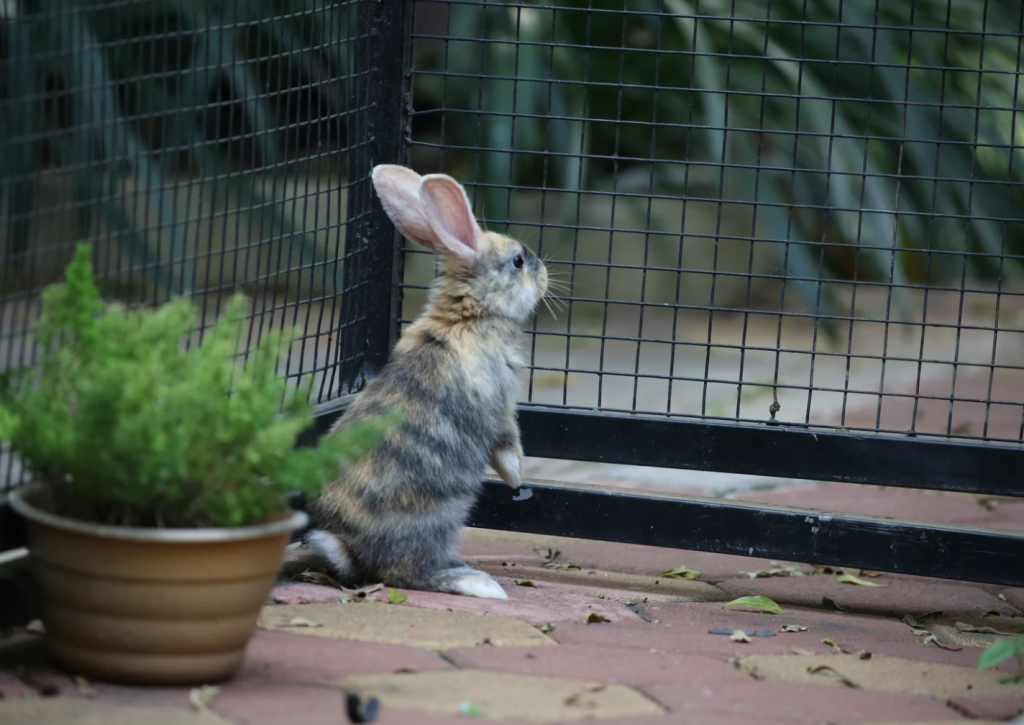
Rabbits, for example, can appear calm while sitting still. However, calm does not always mean fulfilled. In the wild, rabbits spend much of their time hopping, digging, and scanning for danger. That constant movement keeps their bodies strong and their minds alert.
Similarly, rodents may rest frequently, yet they are also natural explorers. When confined to small enclosures without stimulation, movement decreases dramatically.
Small pet exercise needs are overlooked because stillness feels normal. Unfortunately, that stillness can be a sign of limitation rather than comfort.
How Exercise Supports Physical Health in Small Pets
Movement plays a vital role in physical health. Muscles stay strong. Joints remain flexible. Bones maintain density. Without regular exercise, these systems begin to decline.
For rabbits, movement is especially important for digestive health. Their gastrointestinal system relies on constant motion. When activity drops, gut motility slows. This can lead to serious conditions like gastrointestinal stasis.
Other small pets face similar risks. Guinea pigs and chinchillas need movement to prevent obesity. Ferrets require activity to maintain muscle tone. Even hamsters benefit from regular exercise to support circulation.
Small pet exercise needs directly influence longevity. Active animals tend to live longer, experience fewer health issues, and recover faster from illness.
Mental Stimulation and Emotional Wellbeing
Exercise is not just physical. It is mental.
In nature, small animals constantly process information. They navigate terrain, locate food, and avoid threats. Captive environments often remove these challenges.
When small pet exercise needs are unmet, boredom follows. Boredom can manifest as lethargy, aggression, excessive chewing, or repetitive behaviors.
Providing opportunities for movement also provides mental enrichment. Exploration stimulates curiosity. Choice builds confidence. Even simple activities can transform mood and behavior.
A mentally stimulated pet is calmer, more engaged, and easier to bond with over time.
Exercise Needs of Rabbits
Rabbits are powerful athletes disguised as gentle companions. Their hind legs are built for speed and agility. In the wild, rabbits sprint, leap, and change direction instantly.
Because of this, small pet exercise needs are especially high for rabbits. A cage alone is never enough.
Daily free-roam time is essential. Rabbits should have several hours outside their enclosure each day in a safe, enclosed area. This allows hopping, running, and exploring.
Exercise also supports dental health. Chewing combined with movement helps maintain proper tooth wear and jaw strength.
Without adequate activity, rabbits may develop obesity, joint issues, and behavioral problems. Movement is not optional. It is foundational care.
Guinea Pigs and Gentle Movement
Guinea pigs may appear less active than rabbits, yet their exercise needs are still significant.
In the wild, guinea pigs travel in groups, foraging and moving continuously. Although they do not jump like rabbits, they walk steadily and explore frequently.
Small pet exercise needs for guinea pigs include daily floor time in a secure play area. Tunnels, hideouts, and gentle ramps encourage movement without stress.
Regular activity helps prevent obesity and supports cardiovascular health. Additionally, exploration reduces anxiety and builds confidence.
While guinea pigs enjoy rest, they thrive when given space to move at their own pace.
Hamsters, Gerbils, and High-Energy Movement
Hamsters and gerbils are often underestimated when it comes to activity. Despite their size, they are incredibly energetic.
In the wild, these animals travel long distances each night searching for food. As a result, small pet exercise needs for rodents are surprisingly high.
Exercise wheels play a critical role. However, wheel size matters. Wheels must be large enough to prevent spinal curvature.
Beyond wheels, enclosure space should include tunnels, climbing opportunities, and digging areas. Variety keeps movement engaging.
Without sufficient exercise, hamsters may become overweight or develop stress-related behaviors. Movement keeps their natural instincts satisfied.
Ferrets and Play-Based Exercise
Ferrets are among the most active small pets. Their bodies are built for running, wrestling, and exploring tight spaces.
Small pet exercise needs for ferrets include several hours of supervised play outside their enclosure each day. Play is their primary form of exercise.
Interactive toys, tunnels, and obstacle courses encourage movement while strengthening the human-animal bond.
Without regular activity, ferrets can become destructive or depressed. Exercise keeps them balanced and mentally sharp.
Enclosure Size and Movement Opportunities
Space shapes behavior. Even the best intentions fall short if enclosures are too small.
Cages should allow pets to stretch fully, move freely, and explore different zones. Vertical space adds value for climbers. Horizontal space supports running and roaming.
Small pet exercise needs increase when enclosures are enriched with platforms, tunnels, and varied textures. Flat, empty cages discourage activity.
Whenever possible, enclosures should be viewed as home bases, not permanent confinement. Daily access to larger exercise areas is ideal.
Safe Free-Roam and Play Areas
Free-roam time provides the most natural exercise. However, safety is essential.
Rooms should be pet-proofed. Cables must be covered. Small objects should be removed. Floors should offer traction.
For rabbits, non-slip rugs support joint health. For rodents, enclosed playpens prevent escapes.
Small pet exercise needs are best met when animals can explore without fear. Calm environments encourage confident movement.
Supervision ensures safety while allowing pets to move naturally.
Using Enrichment to Encourage Exercise
Enrichment transforms movement into play. Instead of forcing exercise, enrichment invites it.
Tunnels encourage exploration. Cardboard boxes become hideouts. Treat puzzles stimulate searching behavior.
Foraging toys are especially effective. Hiding food encourages movement while engaging the mind.
Small pet exercise needs are more easily met when activity feels rewarding rather than required.
Rotation of toys keeps interest high. Novelty sparks curiosity and movement.
The Role of Routine in Exercise
Routine provides structure. Animals feel safer when they know what to expect.
Scheduled exercise time helps pets anticipate activity. Over time, they become more eager to move.
However, flexibility matters. Allowing pets to choose how they exercise respects individual personality.
Small pet exercise needs are best met when routine supports, rather than restricts, natural behavior.
Common Signs of Insufficient Exercise
Small pets rarely show dramatic symptoms. Instead, subtle signs appear gradually.
Weight gain is common. Muscle tone may decrease. Energy levels drop.
Behavioral changes also occur. Increased chewing, aggression, or withdrawal can signal boredom.
Digestive issues may follow, particularly in rabbits.
Recognizing these signs early allows adjustments before serious health problems develop.
Balancing Exercise With Rest
Rest is just as important as movement. Small pets need downtime to recover.
The goal is balance. Exercise should be regular but not exhausting.
Forced activity increases stress. Voluntary movement builds confidence.
Small pet exercise needs are met best when animals control their pace.
Long-Term Benefits of Meeting Small Pet Exercise Needs
Consistent exercise improves quality of life. Pets become more alert, curious, and engaged.
Health benefits accumulate over time. Obesity risk decreases. Digestion improves. Mobility remains strong.
Owners also benefit. Active pets are more interactive and rewarding companions.
Meeting small pet exercise needs transforms care into enrichment. The difference is visible and lasting.
Conclusion
Small pets may be compact, yet their need for movement is significant. Small pet exercise needs support physical health, mental stimulation, and emotional balance.
Rabbits, rodents, and other small animals are built to move. When captivity removes that opportunity, health quietly suffers.
By providing space, enrichment, and daily opportunities for natural movement, exercise becomes effortless and enjoyable.
When small pets move freely and confidently, their wellbeing reflects it. Exercise is not extra care. It is essential care.
FAQ
1. How much exercise do rabbits need daily?
Rabbits typically need several hours of free-roam time each day for healthy movement.
2. Can small pets get enough exercise in a cage?
Most cages alone are not sufficient. Daily out-of-cage exercise is strongly recommended.
3. Are exercise wheels enough for hamsters?
Wheels help, but additional space and enrichment improve overall activity and wellbeing.
4. What happens if small pets do not exercise enough?
Lack of exercise can lead to obesity, digestive problems, and behavioral issues.
5. How can I encourage exercise safely at home?
Use pet-proofed play areas, enrichment toys, and routine activity time to support natural movement.