
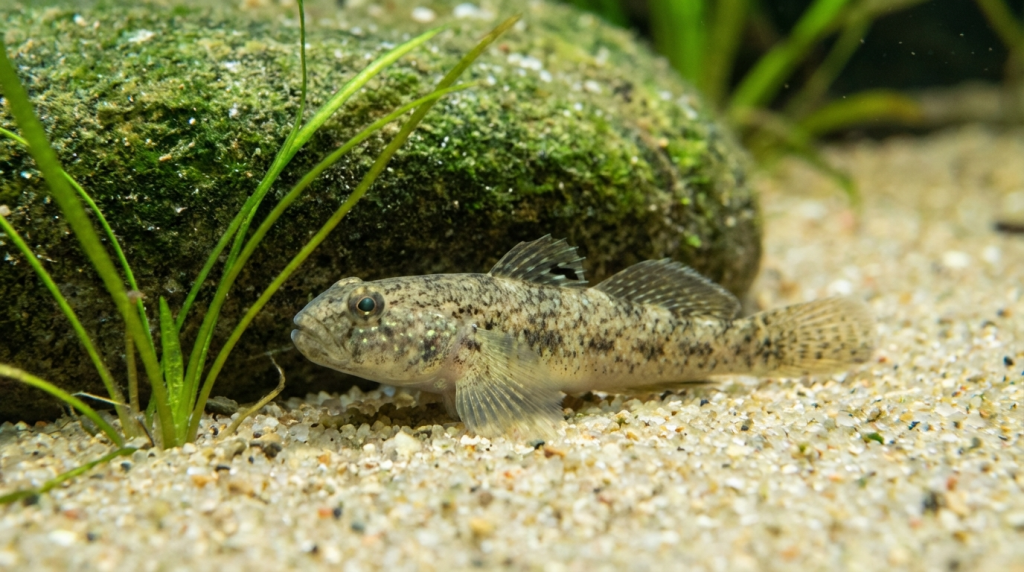

Inactive fish behavior is one of the most overlooked warning signs in aquariums. At first glance, a quiet fish may seem relaxed or resting. However, when inactivity becomes persistent, it usually points to an underlying issue. Fish rely on movement to communicate their health. When that movement fades, something has changed.
Fish cannot cry out or limp to show discomfort. Instead, they slow down. They hover. They hide. Therefore, recognizing inactive fish behavior early can make the difference between recovery and decline.
Think of activity as a language. When fish stop speaking through motion, it is time to listen more closely. This article explores the most common causes of inactivity, how to tell when it is a problem, and what steps help restore normal behavior.
Why Inactive Fish Behavior Deserves Attention
Inactive fish behavior should never be dismissed as laziness. In healthy conditions, fish display consistent swimming patterns, feeding responses, and curiosity. When those patterns break, the change matters.
Inactivity often reflects stress within the body or environment. Stress weakens immune systems and slows healing. Over time, untreated stress leads to disease.
However, not every inactive fish is sick. Environmental imbalance is often the real cause. That is why observation comes before treatment.
Addressing inactivity early improves outcomes. Fish respond quickly when conditions improve, especially when problems are caught early.
Normal Rest Versus Inactive Fish Behavior
Fish do rest. Many species slow down at night or pause between bursts of movement. This is normal and healthy.
Resting fish still react. They reposition themselves. They respond to food. Their color remains stable.
Inactive fish behavior looks different. Fish may remain motionless for long periods. They may isolate themselves or stay near the bottom. Feeding response often weakens.
The key factor is change. When behavior shifts suddenly or dramatically, it signals a problem that needs attention.
Water Quality as a Leading Cause of Inactive Fish Behavior
Water quality is the most common cause of inactive fish behavior. Fish live entirely within their environment. Any imbalance affects them directly.
Ammonia and nitrite spikes irritate gills and disrupt oxygen absorption. As a result, fish conserve energy and move less.
Nitrate buildup causes chronic stress. Over time, activity decreases gradually. This slow decline makes detection harder.
Testing water parameters should always be the first response when inactivity appears. Clean, stable water often restores movement quickly.
Temperature Stress and Inactive Fish Behavior
Temperature controls metabolism. When water becomes too cold, metabolic processes slow. Fish move less and eat less.
Excessively warm water creates a different problem. Oxygen availability drops as temperature rises. Fish tire quickly and become sluggish.
Sudden temperature changes are especially harmful. Even small fluctuations can shock fish systems.
Stable temperature supports natural activity. Consistency matters more than perfect numbers.
Low Oxygen Levels and Reduced Movement
Oxygen fuels energy. Without enough of it, fish cannot remain active.
Low oxygen often results from overcrowding, warm water, or poor circulation. Fish may gather near the surface or filter outlets.
As oxygen deprivation continues, inactive fish behavior becomes more pronounced. Energy reserves drop.
Improving aeration often produces rapid improvement. Surface agitation increases oxygen exchange and supports recovery.
Stress-Induced Inactive Fish Behavior
Stress has a powerful effect on fish. Chronic stress drains energy and alters hormones.
Common stressors include aggressive tank mates, overcrowding, loud environments, and frequent changes to the tank.
Stressed fish often withdraw. They hide. They move less. Inactive fish behavior becomes a protective response.
Reducing stress restores confidence. Calm environments encourage fish to resume normal movement patterns.
Illness and Disease-Related Inactivity
Many diseases begin internally. External symptoms may appear later.
Internal infections, parasites, or organ failure reduce stamina. Fish may breathe faster, lose appetite, or isolate themselves.
In many cases, inactivity is the first visible sign. That is why inactive fish behavior should always raise concern.
Early treatment improves survival. Delayed action allows disease to progress and spread.
Age and Gradual Changes in Activity
Age affects activity levels naturally. Older fish slow down over time.
However, age-related changes happen gradually. Sudden inactivity is not normal aging.
Senior fish still respond to feeding and environmental cues. They may rest more but remain alert.
Supporting older fish involves stable conditions and gentle care rather than drastic changes.
Nutrition and Energy Levels
Diet plays a major role in activity. Poor nutrition leads to weakness and fatigue.
Low-quality food lacks essential vitamins and proteins. Over time, muscle strength declines. Movement slows.
Overfeeding causes different problems. Excess waste degrades water quality and stresses digestion.
Balanced feeding supports vitality. Quality nutrition promotes consistent activity.
Tank Size and Physical Limitation
Fish need space to move naturally. Tanks that are too small restrict swimming patterns.
Limited movement leads to muscle weakness and boredom. Over time, inactive fish behavior develops.
Overcrowding worsens the problem. Waste buildup and social stress increase.
Adequate space supports both physical health and behavioral expression.
Lighting and Activity Cycles
Light regulates daily rhythms. Improper lighting disrupts activity patterns.
Excessive light causes stress. Insufficient light confuses feeding and rest cycles.
Sudden lighting changes startle fish and increase anxiety.
Consistent lighting schedules support normal movement and reduce stress.
Social Dynamics and Inactive Fish Behavior
Fish interactions strongly influence behavior. Bullying suppresses activity.
Dominant fish may chase others repeatedly. Submissive fish respond by hiding or freezing.
In these cases, inactivity is not illness. It is avoidance.
Rearranging decor can reset territories. Separating aggressive fish may be necessary to restore balance.
Environmental Enrichment and Movement
Fish benefit from stimulation. Bare tanks provide little incentive to explore.
Over time, lack of enrichment leads to reduced activity.
Plants, caves, and varied layouts encourage natural behaviors. Exploration increases movement.
However, overcrowding decor can cause stress. Balance remains important.
Medication Effects on Activity
Some medications cause temporary lethargy. Antibiotics and parasite treatments often reduce appetite and energy.
During treatment, decreased movement may be normal. Activity should return afterward.
If inactivity persists, reassess conditions and dosing.
Always follow medication instructions carefully.
Seasonal and Circadian Influences
Some species respond to seasonal cues. Slight changes in activity can occur.
Indoor aquariums minimize these effects, yet mild shifts may still appear.
Extended inactivity is not seasonal and should be investigated.
Stable indoor conditions reduce seasonal stress responses.
Diagnosing the Cause of Inactive Fish Behavior
Diagnosis works best through elimination. Start with water testing.
Next, observe feeding response. Appetite provides valuable clues.
Then assess tank dynamics and environment.
Finally, examine physical signs such as breathing rate and coloration.
Patterns reveal causes. Causes guide solutions.
Steps to Restore Healthy Activity
Once the cause is identified, correction becomes clearer.
Improve water quality immediately. Increase oxygenation. Stabilize temperature.
Reduce stressors. Adjust diet. Improve space or social balance.
In many cases, activity returns within days. Consistency supports recovery.
Preventing Inactive Fish Behavior Long Term
Prevention is easier than correction. Routine care protects health.
Test water regularly. Perform consistent water changes.
Feed appropriate diets. Avoid overcrowding.
Daily observation catches subtle changes early.
Conclusion
Inactive fish behavior is not random. It is a quiet message asking for attention. Whether the cause is water quality, stress, illness, or environment, inactivity always has a reason. By observing changes early and responding thoughtfully, you protect your fish’s health and vitality. Healthy fish move with purpose. When that movement fades, it is time to look closer and act with care.
FAQ
1. Is inactive fish behavior always a sign of disease?
No. Environmental stress and water quality issues are common causes.
2. How quickly should inactive fish behavior be addressed?
Immediately. Early response prevents serious health problems.
3. Can temperature changes alone cause inactivity?
Yes. Temperature directly affects metabolism and energy levels.
4. Do different fish species have different activity patterns?
Yes. Activity varies by species, age, and environment.
5. Can fish recover fully after being inactive?
Often, yes. Early correction usually leads to full recovery.