
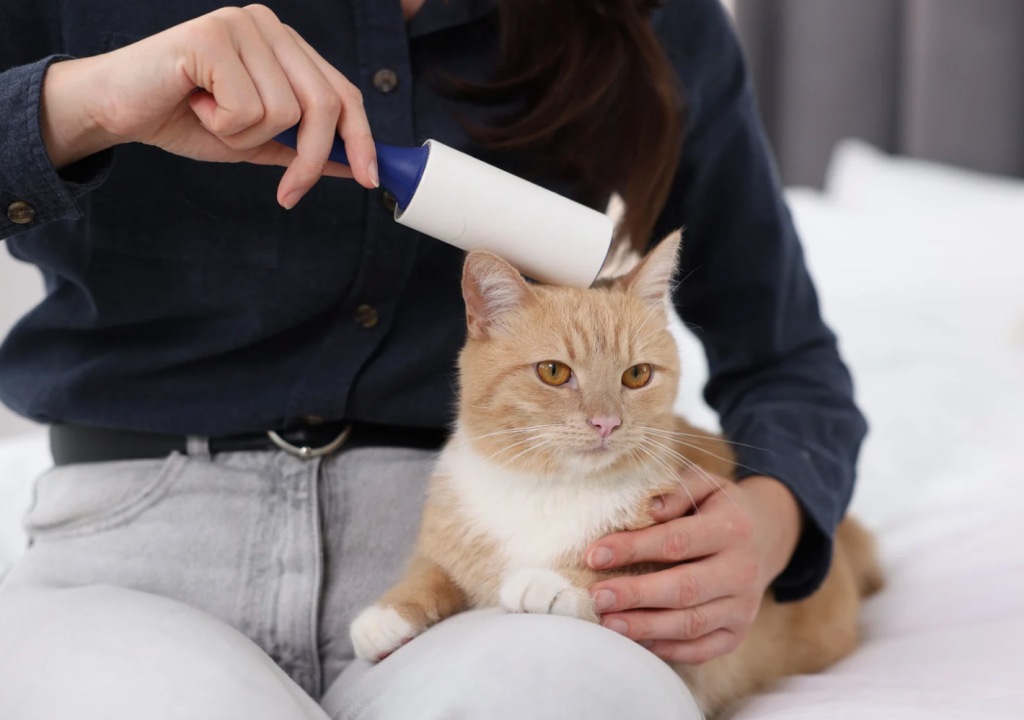

Cat grooming is often misunderstood. Many people assume cats handle everything themselves. While cats are excellent self-groomers, that does not mean they are maintenance-free. In reality, cat grooming needs by breed vary widely, and ignoring those differences can lead to discomfort, matting, skin issues, and stress.
Some cats glide through life with sleek coats that need minimal help. Others struggle with tangles, heavy shedding, or sensitive skin that demands regular attention. Breed plays a major role in how much grooming your cat truly needs.
Think of grooming like climate control. A light jacket works in mild weather. However, extreme conditions require extra layers or protection. In the same way, different cat breeds require different grooming strategies to stay comfortable.
Understanding cat grooming needs by breed allows you to care proactively instead of reacting to problems later. With the right approach, grooming becomes a bonding ritual rather than a battle.
Why Cat Grooming Needs by Breed Matter
Coat type is not just about appearance. It affects temperature regulation, skin health, and overall comfort. Breed influences coat length, density, texture, and oil production.
Long-haired breeds often struggle with mats and hairballs. Short-haired breeds may shed more than expected. Some cats have oily coats that require frequent cleaning, while others have delicate skin that reacts easily.
Cat grooming needs by breed matter because cats cannot always compensate for human environments. Indoor heating, dry air, and limited movement all change how coats behave.
When grooming aligns with breed needs, cats feel better. They move more comfortably, shed less excessively, and experience fewer skin problems.
Short-Haired Cat Grooming Needs by Breed
Short-haired cats are often labeled “low maintenance.” While they require less brushing than long-haired breeds, they still benefit from regular grooming.
Breeds like the American Shorthair, British Shorthair, and Siamese have dense coats that shed steadily. Weekly brushing removes loose hair and distributes natural oils evenly.
Cat grooming needs by breed for short-haired cats often focus on shedding control rather than detangling. Rubber grooming tools or soft bristle brushes work well.
Additionally, short-haired cats may develop dandruff if oils are not distributed properly. Gentle grooming improves circulation and skin hydration.
Even cats with sleek coats appreciate occasional grooming. It reduces hairballs and strengthens trust between you and your cat.
Long-Haired Cat Grooming Needs by Breed
Long-haired breeds demand the most attention. Persian, Maine Coon, Ragdoll, and Norwegian Forest cats all have coats designed for insulation and protection.
However, indoor living changes how these coats behave. Without natural wear, fur mats easily. Mats pull on skin, trap debris, and cause pain.
Cat grooming needs by breed for long-haired cats include daily or near-daily brushing. Wide-tooth combs help reach the undercoat without pulling.
Regular grooming prevents severe matting that may require shaving. Early intervention saves stress for both cat and owner.
Long-haired cats also ingest more fur while grooming. Consistent brushing reduces hairballs and digestive issues.
Medium-Coat Breeds and Balanced Grooming
Some breeds fall between short and long-haired extremes. These cats often have plush, semi-long coats that appear easy but hide challenges.
Breeds like the Birman and Turkish Angora have silky fur that resists matting better than thick coats. However, seasonal shedding can be intense.
Cat grooming needs by breed for medium-coat cats usually include brushing two to three times per week. During shedding seasons, daily grooming may help.
These cats benefit from routine rather than reactive grooming. Waiting until mats appear creates unnecessary discomfort.
Balanced grooming keeps coats airy and skin healthy.
Hairless Cat Grooming Needs by Breed
Hairless cats surprise many owners. Breeds like the Sphynx lack fur but require frequent grooming.
Without fur to absorb oils, skin becomes greasy. Dirt clings easily. Regular bathing prevents buildup that can cause irritation.
Cat grooming needs by breed for hairless cats focus on skin care rather than brushing. Weekly baths with gentle cat-safe shampoo are common.
Additionally, ear cleaning becomes important. Wax buildup occurs faster without fur protection.
Hairless cats also need temperature management. Grooming sessions often include skin checks for dryness or redness.
Curly and Unusual Coat Types
Some breeds have unique coat textures. The Devon Rex and Cornish Rex have short, curly fur that feels soft but behaves differently.
These coats are fragile. Over-brushing can cause breakage or irritation. Gentle grooming is essential.
Cat grooming needs by breed for curly-coated cats involve minimal brushing and careful handling. Soft cloths or hands often work better than brushes.
Because these cats have less fur coverage, they may also develop oily skin more easily. Occasional bathing helps maintain balance.
Understanding coat texture prevents accidental damage.
Double-Coated Cats and Seasonal Shedding
Double-coated breeds have a dense undercoat and longer guard hairs. Examples include Siberian cats and some British Shorthairs.
These coats change with seasons. Heavy shedding occurs in spring and fall.
Cat grooming needs by breed for double-coated cats increase during shedding periods. Frequent brushing prevents fur buildup and matting.
Deshedding tools help remove loose undercoat without harming top layers. Gentle technique matters.
Ignoring seasonal grooming leads to hairballs and overheating.
How Personality Influences Grooming Needs
Breed affects temperament as much as coat. Some cats tolerate grooming well. Others resist strongly.
Maine Coons often enjoy brushing. Persians may tolerate it quietly. Siamese cats can be vocal but cooperative.
Cat grooming needs by breed must account for personality. Short, positive sessions work better than long struggles.
Treats, calm voices, and consistent routines reduce stress.
For sensitive cats, start grooming early in life. Familiarity builds tolerance over time.
Grooming Tools That Match Breed Needs
The right tools make grooming easier. Using the wrong brush causes discomfort and resistance.
Short-haired cats respond well to rubber brushes and soft bristles. Long-haired cats need metal combs and slicker brushes.
Cat grooming needs by breed guide tool selection. Hairless cats require soft cloths and gentle cleansers instead of brushes.
Investing in proper tools prevents frustration.
Tool quality matters more than quantity.
Bathing Frequency by Breed
Not all cats need baths. However, breed influences bathing frequency.
Hairless cats require weekly baths. Long-haired cats may need occasional baths if mats or oils build up. Short-haired cats rarely need bathing unless dirty.
Cat grooming needs by breed help determine when bathing is appropriate.
Always use cat-specific products. Human shampoos disrupt skin balance.
Bathing should feel calm, not rushed.
Nail, Ear, and Eye Care by Breed
Grooming extends beyond fur. Some breeds require extra attention to ears and eyes.
Persians often have tear staining that needs regular cleaning. Hairless cats need frequent ear cleaning.
Cat grooming needs by breed include these details. Ignoring them leads to infections or discomfort.
Nail trimming frequency remains similar across breeds, though active cats may need it less often.
Routine care prevents larger issues.
How Age Changes Grooming Needs
Kittens adapt easily to grooming. Senior cats may struggle.
As cats age, flexibility decreases. Self-grooming becomes harder. Assistance becomes necessary.
Cat grooming needs by breed evolve with age. Long-haired senior cats often require more help.
Gentle handling matters more than speed.
Comfort becomes the priority.
Health Benefits of Proper Grooming
Regular grooming improves circulation, reduces shedding, and strengthens skin health.
It also allows early detection of lumps, parasites, or wounds.
Cat grooming needs by breed support preventative care rather than reactive treatment.
Grooming sessions become health checks.
Consistency saves veterinary costs long-term.
Common Grooming Mistakes to Avoid
Over-grooming damages coats. Under-grooming causes mats and stress.
Using the wrong tools creates pain. Rushing sessions increases fear.
Cat grooming needs by breed prevent these mistakes by providing structure.
Learn your cat’s limits. Respect signals.
Progress beats perfection.
Building a Grooming Routine That Works
Routine creates predictability. Predictability reduces anxiety.
Schedule grooming at calm times. Keep sessions short. End positively.
Cat grooming needs by breed guide frequency, not intensity.
Consistency builds cooperation.
Over time, grooming becomes bonding.
Professional Grooming by Breed
Some cats benefit from professional grooming. Long-haired breeds with severe mats may need expert care.
Hairless cats with skin issues may require specialized treatment.
Cat grooming needs by breed help determine when professionals are useful.
Choose groomers experienced with cats.
Safety comes first.
Indoor vs Outdoor Grooming Needs
Indoor cats accumulate shed hair indoors. Outdoor cats collect debris and parasites.
Breed still matters, but environment adds complexity.
Cat grooming needs by breed should be adjusted based on lifestyle.
Adapt routines accordingly.
Flexibility improves outcomes.
Long-Term Coat Health and Nutrition
Nutrition influences coat quality. Poor diets cause dull fur and excess shedding.
Breed-specific needs vary. Long-haired cats benefit from omega-rich diets.
Cat grooming needs by breed work best alongside proper nutrition.
Healthy coats start from within.
Food supports grooming success.
Conclusion
Cat grooming needs by breed are far more nuanced than many owners expect. Coat length, texture, skin sensitivity, and personality all influence how much care a cat truly needs.
When grooming aligns with breed traits, cats feel comfortable and confident. Mats decrease. Shedding improves. Health issues surface earlier.
Grooming is not just maintenance. It is communication, care, and prevention rolled into one.
Understand your cat’s breed, respect their needs, and grooming becomes a shared ritual instead of a struggle.
FAQ
1. Do all cats need grooming help from humans?
Yes, most cats benefit from some level of grooming, especially as they age or if they have long or dense coats.
2. How often should long-haired cats be groomed?
Long-haired cats typically need daily or near-daily brushing to prevent matting and hairballs.
3. Are hairless cats easier to groom?
No, hairless cats require frequent skin cleaning and ear care due to oil buildup.
4. Can poor grooming cause health problems?
Yes, lack of grooming can lead to mats, skin infections, hairballs, and discomfort.
5. Should grooming routines change as cats get older?
Yes, senior cats often need more assistance because flexibility and self-grooming ability decline.