Few moments feel more uncomfortable than a dog exploding toward a guest the instant the door opens. Clothes get pawed. Faces get licked. Meanwhile, your dog thinks everything is going perfectly.
However, dogs are not being rude. In reality, they are greeting the only way they know how. What feels polite in dog language can feel overwhelming in a human home.
That difference is exactly where training matters.
When you teach dog polite greetings, you are not killing excitement. Instead, you are shaping it. You are showing your dog how to say hello in a way that feels calm, safe, and welcome.
Throughout this guide, you will learn why dogs jump, how greeting habits form, and how to replace chaos with calm behavior. Most importantly, you will learn how to do it without force or frustration.
By the end, polite greetings will stop feeling like wishful thinking and start feeling like a normal part of daily life.
Why Dogs Struggle With Greetings in the First Place
To teach dog polite greetings effectively, it helps to see the situation from your dog’s perspective.
Dogs greet face-first. They rush forward. Energy flows upward. Movement signals excitement. Humans, on the other hand, value personal space and predictability.
Because of this mismatch, confusion quickly develops.
The moment a door opens, stimulation explodes. Voices rise. Eye contact happens. Movement increases. For a dog, that combination feels like an invitation.
As a result, jumping often follows.
Unfortunately, jumping is frequently rewarded without intention. People talk. Hands reach out. Even pushing a dog away provides attention. Over time, the behavior becomes automatic.
Your dog is not making a bad choice. Instead, they are repeating a behavior that has worked before.
Once you understand this, training becomes much easier.
What Polite Greetings Actually Look Like
Before training begins, it is important to define success.
Polite greetings usually include:
- Four paws on the floor
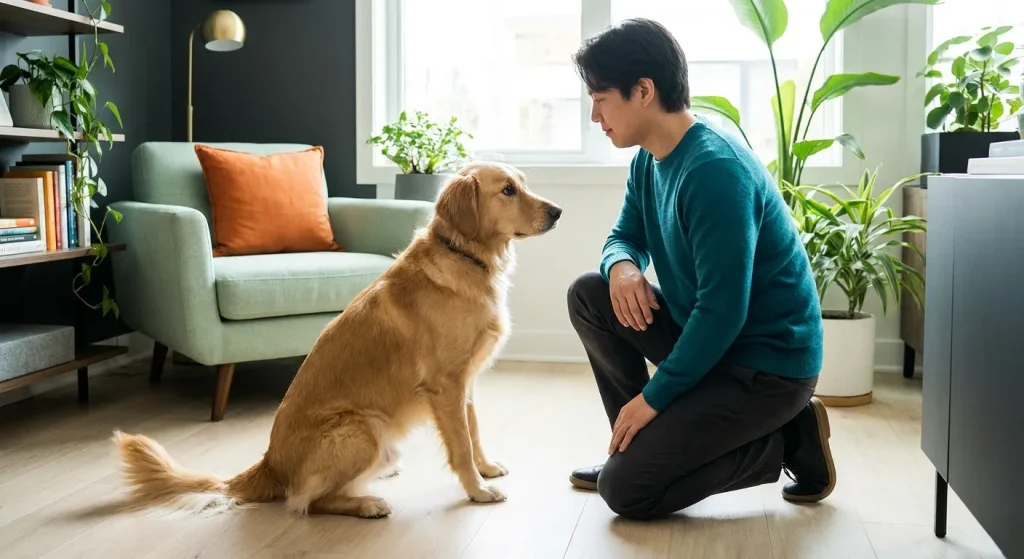
- A relaxed body
- Calm attention
- Waiting for permission
Perfection is not required. Calm matters far more than stillness.
Some dogs sit naturally. Others stand quietly. Either option works. What matters most is consistency.
When expectations stay clear, learning accelerates.
Why Jumping Gets Reinforced Without You Realizing It
Most owners accidentally reward jumping, even when they mean well.
A dog jumps. Someone laughs. Another person talks excitedly. Hands gently push the dog away. From the dog’s perspective, all of that equals success.
Even delayed attention can reinforce the behavior. If a guest ignores jumping for a few seconds but pets the dog afterward, jumping still worked.
Because of this, inconsistent ignoring rarely solves the problem.
To teach dog polite greetings, rewards must be clear and immediate. Calm behavior earns attention. Jumping earns nothing.
Consistency removes confusion faster than correction ever could.
Foundation Skills That Make Polite Greetings Easier
Greeting training works best when supported by strong foundation skills.
Three behaviors matter most:
- Calm positioning, such as sitting or standing
- Impulse control
- Focus on the handler
If these skills feel shaky, strengthening them first will save time later.
Practice calm behaviors away from the door. Living rooms work well. Quiet environments set dogs up for success.
Once those skills improve, greeting training becomes much smoother.
How to Teach Dog Polite Greetings Step by Step
Teaching polite greetings works best when broken into simple stages.
Step 1: Remove the Reward for Jumping
First, jumping must stop working.
When your dog jumps, turn away calmly. Keep your arms still. Avoid speaking. Do not make eye contact.
If jumping continues, step away slowly. Space removes access to attention.
Over time, your dog learns that jumping leads nowhere.
Step 2: Reward Calm Behavior Immediately
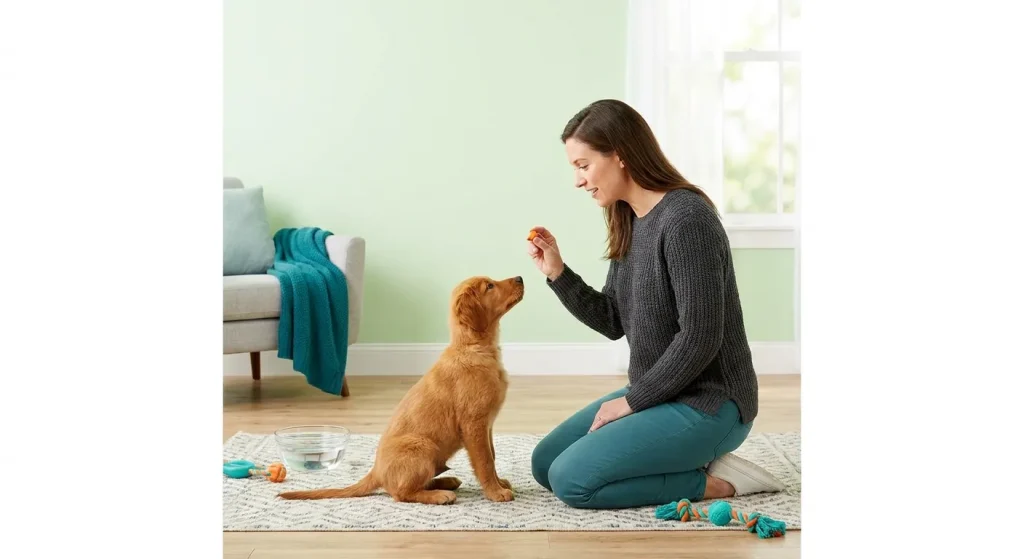
The moment four paws hit the floor, attention appears.
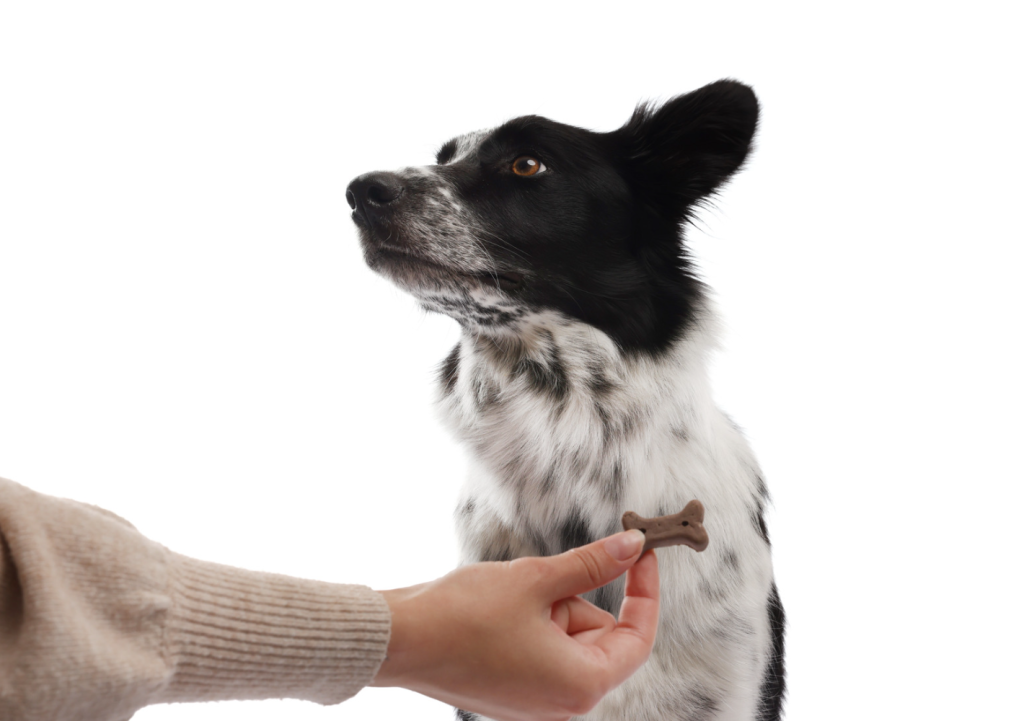
Praise calmly. Pet gently. Deliver treats low to the ground.
Timing matters more than duration. Even one second of calm deserves reinforcement.
Step 3: Add a Clear Greeting Cue
Once calm moments increase, add a verbal cue such as “say hi.”
Use the cue only when your dog is grounded. Without the cue, greetings do not happen.
This step turns greetings into a permission-based behavior.
Step 4: Practice With Familiar People
Start with household members. Then move to friends who understand the rules.
Ask helpers to ignore jumping completely. Brief them beforehand.
Short, frequent sessions work best.
Step 5: Gradually Increase Difficulty
Once success improves indoors, practice near the door. Later, add guests entering the home.
Each new environment increases difficulty. Therefore, lower expectations slightly at first.
Progress happens in layers, not leaps.
Why Leashes Help During Early Training
Leashes add structure without force.
They prevent rehearsal of jumping while still allowing movement. Standing on the leash can limit upward motion without pulling.
Keep the leash loose. Tension often increases excitement.
Eventually, the leash becomes unnecessary. Early on, however, it can be extremely helpful.
Using Treats Without Creating Dependency
Treats speed learning when used correctly.
High-value treats work best in early stages. Deliver them low to reinforce grounded behavior.
Over time, fade treats gradually. Replace some rewards with praise or touch.
Intermittent reinforcement builds long-term reliability.
What to Do When Guests Don’t Follow the Rules
Not everyone cooperates perfectly. Some guests encourage jumping without realizing it.
Prepare ahead of time. Keep treats nearby. Use leashes when needed.
If someone cannot follow instructions, manage the situation instead. Separate your dog briefly.
Protecting the learning process matters.
Teaching Polite Greetings Around Children
Children move fast and make exciting noises. For dogs, that energy is hard to resist.
Start with calm, coached children. Teach them to stand sideways and keep voices low.
Supervise closely. End sessions early before excitement peaks.
With repetition, dogs learn that children follow the same greeting rules.
How Long Does It Take to See Results?
Most dogs improve within two weeks when training stays consistent.
Puppies learn quickly. Adolescents test limits. Adult dogs may need more repetition.
Progress often comes in waves. Plateaus happen. Regression is normal.
Training is a process, not a straight line.
Common Mistakes That Slow Progress
Several mistakes reduce effectiveness:
- Inconsistent responses
- Talking during jumping
- Delayed rewards
- Allowing “sometimes” jumping
Clear rules create faster results.
Why Calm Greetings Improve More Than Manners
Polite greetings improve impulse control. Anxiety decreases. Predictability increases.
Guests feel safer. Owners feel proud.
Small behavior changes create big lifestyle improvements.
When Professional Help Makes Sense
Some dogs struggle due to fear or over-arousal.
Reward-based trainers can identify deeper issues. Avoid methods that rely on fear or pain.
Support speeds success when challenges feel overwhelming.
Maintaining Polite Greetings Long Term
Occasional reinforcement keeps behavior strong.
Revisit training after life changes. Refresh expectations when needed.
Consistency maintains habits.
Conclusion
Teaching your dog polite greetings is about clarity, not control. With patience and consistency, calm hellos replace chaos. When you teach dog polite greetings, you build trust, confidence, and smoother interactions for everyone involved.
FAQ
1. How do I teach dog polite greetings if my dog gets overly excited?
Start in low-distraction environments and reward calm behavior heavily before increasing difficulty.
2. Should I require my dog to sit during greetings?
Sitting helps some dogs, while others do better standing calmly. Choose one option and stay consistent.
3. Can older dogs learn polite greetings?
Yes. Older dogs can learn new habits with repetition and clear reinforcement.
4. Why does my dog jump only on certain people?
Those people may accidentally reward jumping through attention or touch.
5. How long should training sessions last?
Short sessions work best. One to three minutes, repeated often, delivers better results than long sessions.