
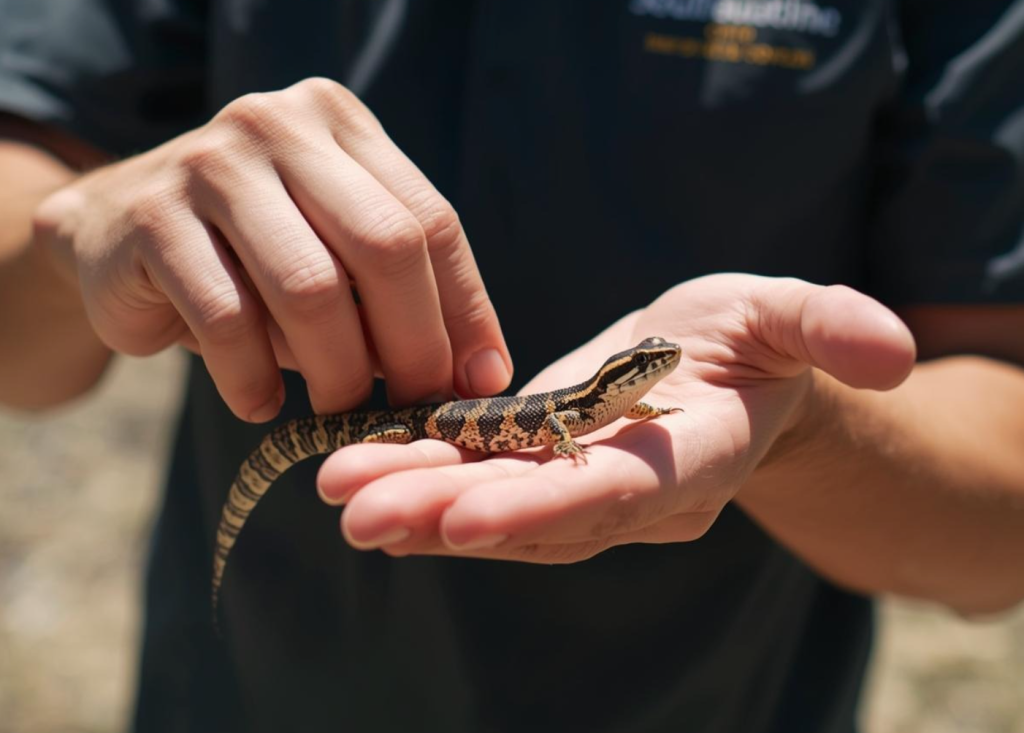

Handling a reptile can feel intimidating at first. Cold scales, slow blinks, and sudden bursts of movement tend to keep people on edge. However, safe reptile handling is not about restraining control. Instead, it’s about guiding movement in a way that feels natural, calm, and predictable for the animal.
Reptiles move for a reason. They shift to regulate temperature, escape perceived threats, explore new territory, or stabilize their bodies. When handling ignores those instincts, stress appears quickly. On the other hand, when handling supports natural movement, reptiles respond with calmer behavior, smoother motion, and better long-term health.
This guide breaks down how safe reptile handling can actively encourage movement rather than suppress it. You’ll learn why movement matters, how different species respond to touch, and what techniques create confidence instead of fear.
Why Movement Matters in Reptiles
Movement is communication for reptiles. A slow crawl, tail flick, or head lift sends a message about comfort levels. When movement is restricted too tightly, the reptile’s stress response activates. Heart rate increases. Muscles tense. Defensive behavior becomes more likely.
Safe reptile handling respects this reality. By allowing controlled freedom of motion, handlers give reptiles space to express normal behavior. That sense of control lowers anxiety and builds trust over time.
Additionally, movement supports physical health. Regular, stress-free motion improves muscle tone, joint flexibility, and digestion. For captive reptiles especially, handling sessions often provide valuable stimulation they don’t get inside enclosures.
Understanding Reptile Psychology Before Handling
Reptiles don’t interpret touch the same way mammals do. They don’t crave affection. Instead, they evaluate touch as either neutral or threatening. That distinction matters.
A reptile that feels supported will move slowly and deliberately. One that feels threatened will freeze or thrash. Therefore, safe reptile handling always starts with understanding how reptiles perceive the world.
Most reptiles rely heavily on body pressure and balance cues. Sudden elevation or uneven support triggers alarm. For that reason, lifting straight up is often more stressful than sliding hands underneath and letting the reptile step forward naturally.
Safe Reptile Handling Starts Before You Touch
Preparation shapes the entire experience. Rushing into handling increases stress for both reptile and handler.
First, ensure the environment is calm. Loud noises, sudden shadows, or fast movements signal danger. Soft lighting and steady positioning help reptiles remain relaxed.
Next, check your own body language. Slow movements matter. Confident but gentle actions communicate safety. Hesitation, oddly enough, can make reptiles more anxious because it feels unpredictable.
Finally, always approach from the side rather than above. Predators attack from above in nature. Side approaches feel far less threatening.
How Proper Support Encourages Natural Movement
Support is the foundation of safe reptile handling. Without it, movement becomes defensive instead of exploratory.
Hands should act like terrain rather than restraints. Think of your palms as warm branches or flat stones. When reptiles feel stable, they move with confidence.
Full-body support is essential. Unsupported limbs or tails trigger panic. For longer species, such as snakes or monitors, allow the body to drape naturally across both arms.
Additionally, keep the reptile close to your body. Height increases vulnerability. Grounded positioning promotes calm, steady motion.
Letting Reptiles Lead the Movement
One of the most overlooked aspects of safe reptile handling is patience. Reptiles should be allowed to initiate movement whenever possible.
Instead of repositioning constantly, pause and let the reptile adjust. Small shifts often signal exploration rather than escape. When handlers react too quickly, they interrupt that process.
Guiding movement works best through gentle redirection. For example, placing a hand in front of a moving reptile creates a natural pause without force. Over time, reptiles learn that movement isn’t punished.
Species-Specific Handling Considerations
Different reptiles move differently. Safe reptile handling must adapt accordingly.
Lizards often rely on limb stability. Supporting their chest and pelvis allows them to push forward comfortably. Bearded dragons, for instance, respond well to flat hand support under their belly.
Snakes move through muscular waves. Restricting those waves causes immediate stress. Instead, allow gradual movement along your arms while maintaining multiple points of contact.
Turtles require firm but gentle support. Their instinct is to retreat into shells. Supporting from below while allowing head extension encourages relaxed exploration.
Recognizing Stress Signals During Handling
Even with proper technique, stress can appear. Recognizing early signs prevents escalation.
Rapid breathing, sudden freezing, tail whipping, or repeated attempts to flee indicate discomfort. When these appear, slow down. Lower your hands. Reduce stimulation.
Safe reptile handling means knowing when to stop. Ending a session early is far better than pushing through stress. Over time, shorter positive sessions build tolerance and confidence.
The Role of Temperature in Encouraging Movement
Temperature plays a massive role in reptile behavior. Cold reptiles move slowly. Overheated reptiles become irritable.
Before handling, ensure the reptile’s body temperature is within its ideal range. Warmth promotes relaxed, controlled movement. Cold handling often results in stiffness or defensive reactions.
Additionally, your hands should be warm. Cold hands feel unnatural and threatening. Washing with warm water beforehand helps.
How Handling Frequency Affects Movement Confidence
Consistency matters more than duration. Frequent short handling sessions are better than rare, long ones.
Reptiles learn patterns over time. When handling feels predictable and supportive, movement becomes smoother. Confidence grows quietly.
However, overhandling can cause fatigue and stress. Balance is key. Watch behavior closely and adjust frequency accordingly.
Using Surfaces and Props to Support Movement
Sometimes, hands alone aren’t enough. Introducing stable surfaces during handling can encourage movement.
A table, towel, or soft mat gives reptiles something to step onto. That reduces reliance on your grip. Movement becomes purposeful rather than reactive.
This technique works especially well for nervous reptiles. Gradual transitions between hands and surfaces build trust.
Why Gripping Discourages Natural Motion
Gripping is often instinctive for new handlers. Unfortunately, it sends the wrong message.
Tight grips trigger defensive reflexes. Muscles tense. Movement stops or becomes frantic. Safe reptile handling avoids gripping entirely unless safety demands it.
Instead, use open palms and gentle barriers. Let gravity and balance guide positioning. Reptiles respond far better to this approach.
Training Through Movement-Based Handling
Over time, handling becomes a form of training. Reptiles learn what to expect. Their movements become predictable and calm.
This doesn’t require force or dominance. It requires consistency and respect. Each positive interaction reinforces safety.
Eventually, reptiles may move toward hands willingly. That’s not affection. It’s trust.
Common Mistakes That Limit Reptile Movement
Several common mistakes sabotage safe reptile handling.
Handling too soon after feeding causes discomfort. Digesting reptiles prefer minimal movement.
Ignoring body language leads to stress escalation. Subtle cues matter.
Handling in unfamiliar environments increases anxiety. Familiar surroundings help.
Correcting these mistakes instantly improves movement quality.
How Confidence Transfers From Handler to Reptile
Confidence is contagious. Calm handlers create calm reptiles.
When movements are smooth and intentional, reptiles relax. When handlers panic, reptiles respond in kind.
Breathing slowly helps. Staying grounded matters. Safe reptile handling starts with the human nervous system.
Long-Term Benefits of Movement-Friendly Handling
The benefits extend far beyond the moment.
Reptiles handled with movement in mind show improved feeding responses. Shedding often improves. Aggression decreases.
Most importantly, veterinary examinations become easier. Reptiles accustomed to gentle movement tolerate necessary handling far better.
Safe Reptile Handling Is a Skill, Not a Trait
No one is born good at handling reptiles. Skill develops through observation, patience, and practice.
Mistakes happen. What matters is adjustment. Reptiles are forgiving when given time.
By prioritizing movement rather than control, handlers create safer, more rewarding experiences for both sides.
Conclusion
Safe reptile handling that encourages movement is about respect, not restraint. When reptiles feel supported, warm, and in control, movement becomes calm and natural. By letting reptiles lead, supporting their bodies properly, and responding to subtle signals, handlers build trust over time. The result is safer interactions, healthier animals, and a deeper understanding of reptile behavior that benefits everyone involved.
FAQ
1. How long should a reptile handling session last?
Most sessions should last 5–15 minutes, depending on species and comfort level.
2. Can handling really reduce reptile stress over time?
Yes. Consistent, gentle handling builds familiarity and reduces fear responses.
3. Is it okay if my reptile doesn’t move much during handling?
Limited movement can be normal, especially for relaxed or cooler reptiles.
4. Should reptiles be handled daily?
Not always. Frequency depends on species, age, and individual temperament.
5. What’s the biggest mistake beginners make when handling reptiles?
Using grip instead of support is the most common and stressful mistake.