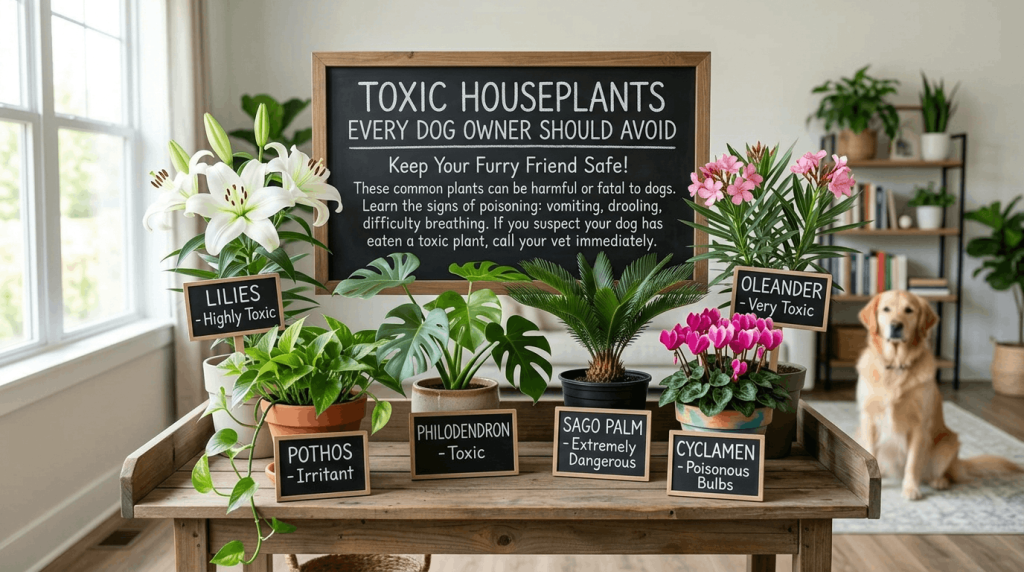
A calm, step-by-step guide to trimming your dog's nails at home: paw-handling practice, choosing clippers or a grinder, finding the quick, rewards, and what to do if a nail bleeds.
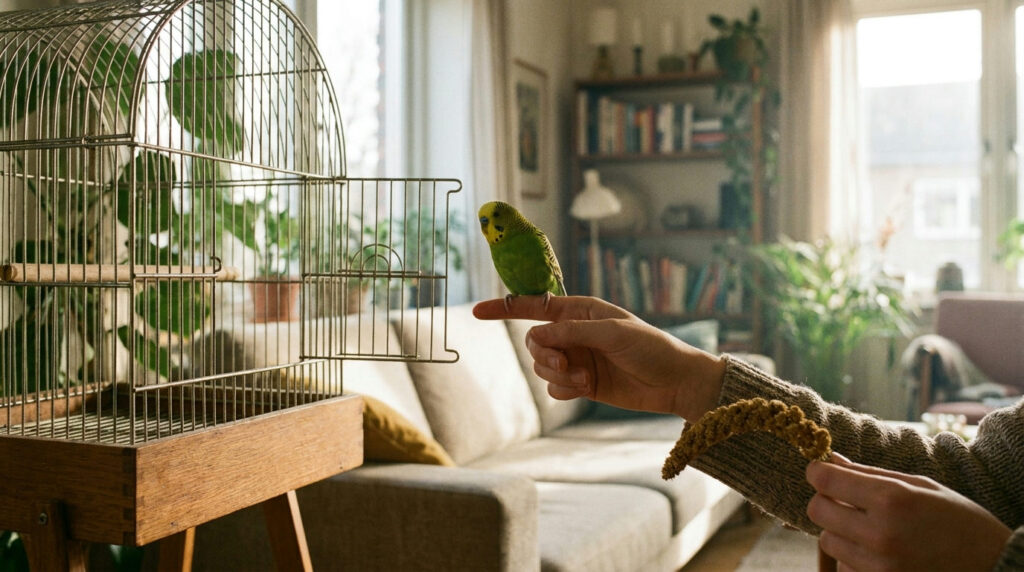
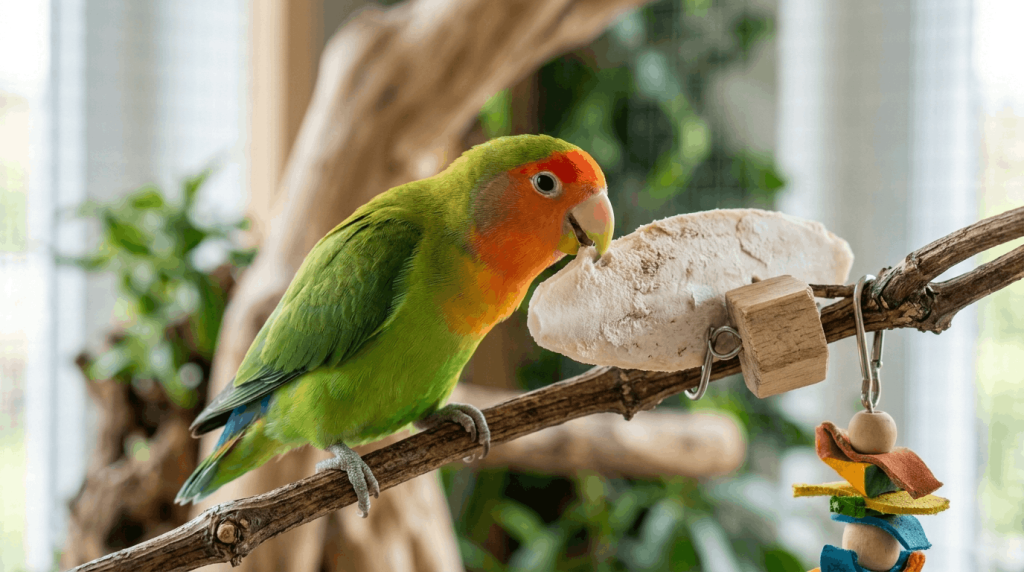
A calm, step-by-step guide to taming a budgie: letting a new bird settle, hand-feeding a favourite treat, step-up training, reading fear signals and safe out-of-cage time.
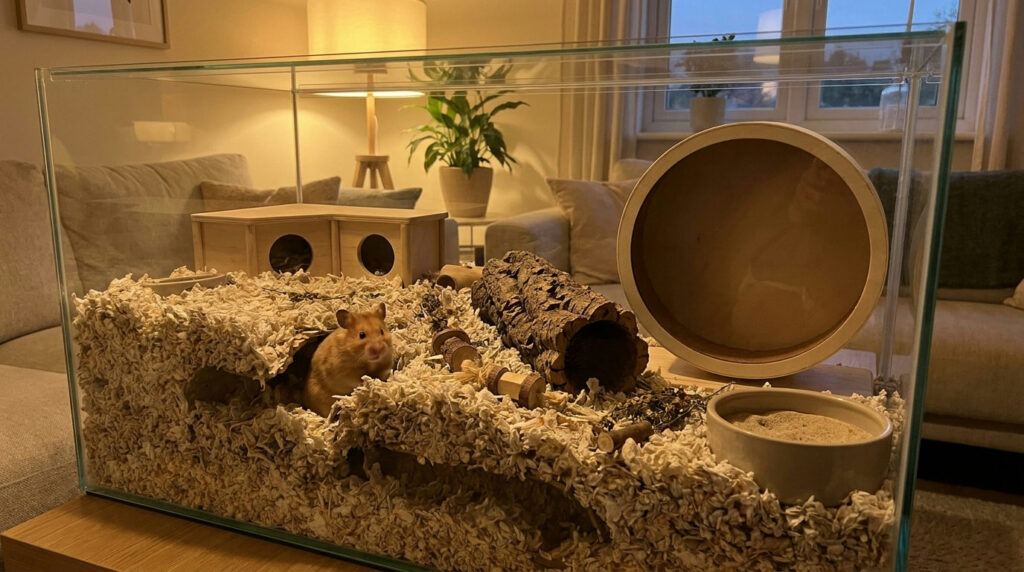
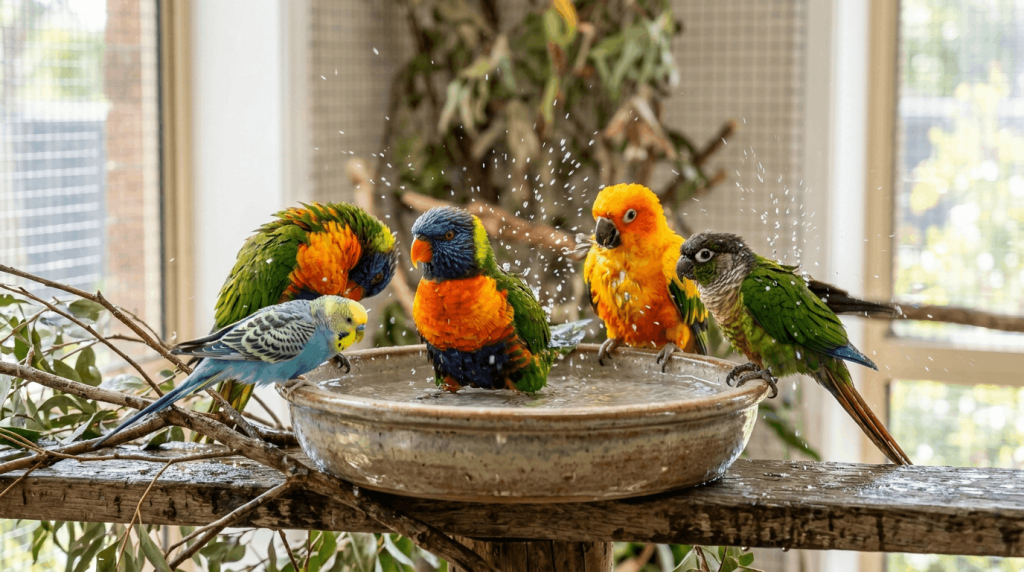
A practical hamster cage setup guide: choosing a large enclosure, deep bedding for burrowing, hides, wheel suitability, chews, a sand bath, good placement, a cleaning routine and signs the setup isn't working.
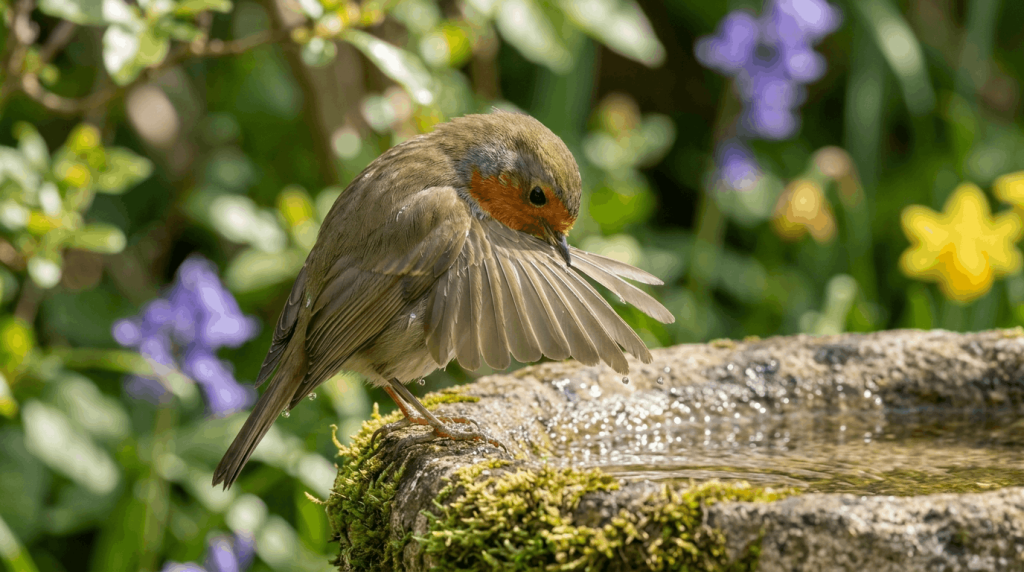
A calm, staged guide to introducing a cat and a dog at home: a cat base room, scent swapping, gated meetings with the dog on lead, reward-based steps, stress signals and when to get help.
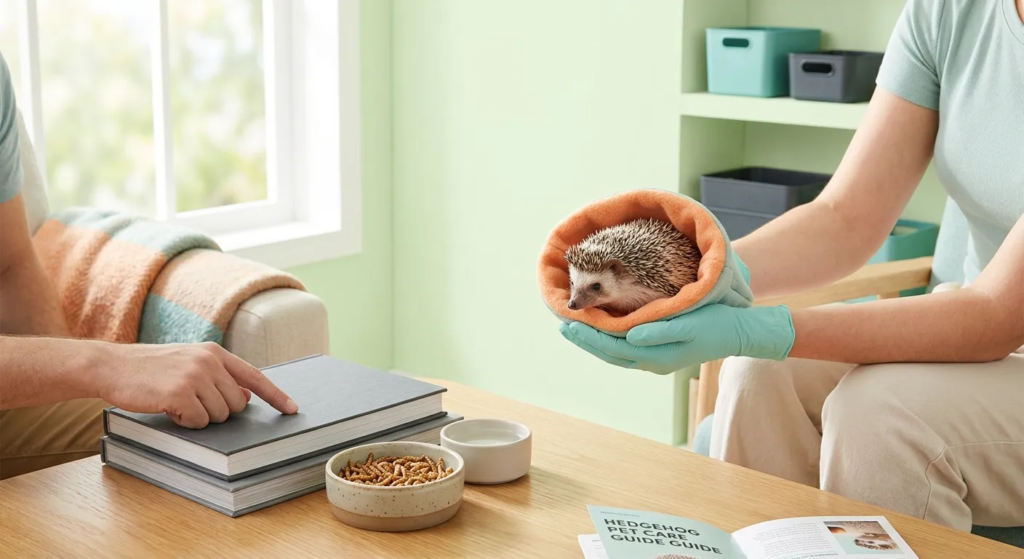
Discover essential tips for new hedgehog owners with our comprehensive hedgehog pet care guide. Learn about housing, diet, and daily care to ensure your spiky friend thrives.
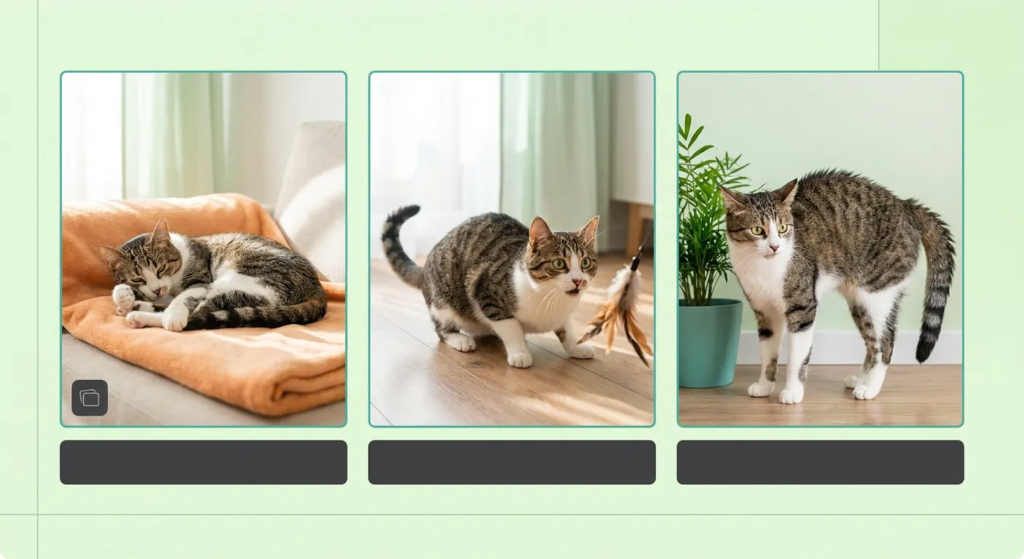
Unlock a deeper bond with your feline friend by understanding cat body language. Learn to interpret their signals and improve your communication today!
Discover essential tips for new hedgehog owners with our comprehensive hedgehog pet care guide. Learn about housing, diet, and daily care to ensure your spiky friend thrives.
High-quality dog ingredients can help you choose food with better protein, smarter carbs, and cleaner nutrition. This guide explains what to look for before you buy.
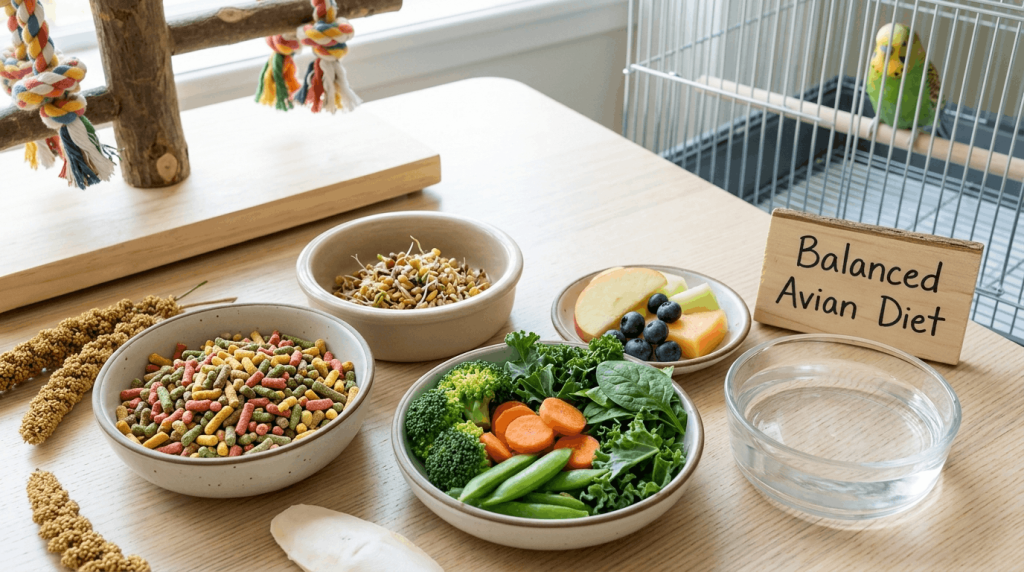
Creating a balanced diet for dogs helps support energy, digestion, coat health, and long-term wellness. This guide explains how to choose nutritious ingredients and build healthy meals your dog will enjoy.
A calm, step-by-step guide to taming a budgie: letting a new bird settle, hand-feeding a favourite treat, step-up training, reading fear signals and safe out-of-cage time.
Proper bird beak care helps prevent overgrowth, discomfort, and health complications in pet birds. This guide explains safe grooming habits, nail care, and warning signs every bird owner should know.
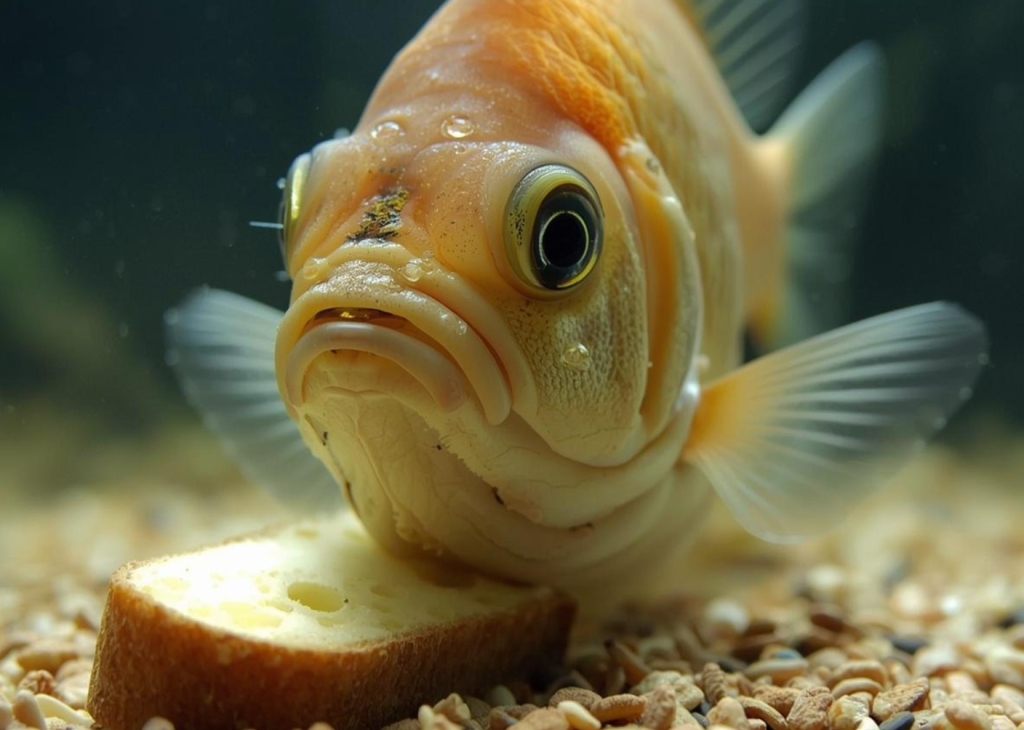
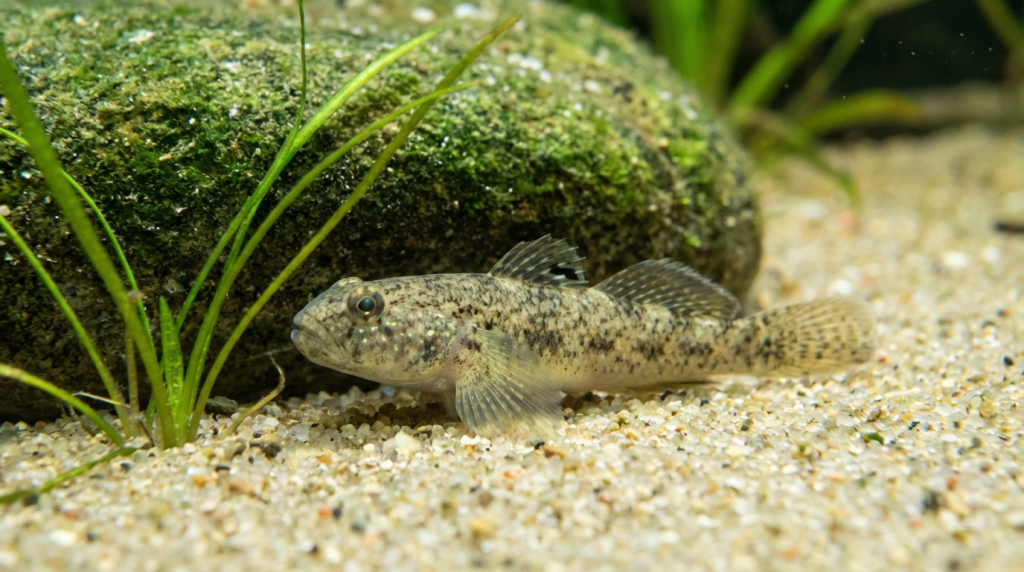
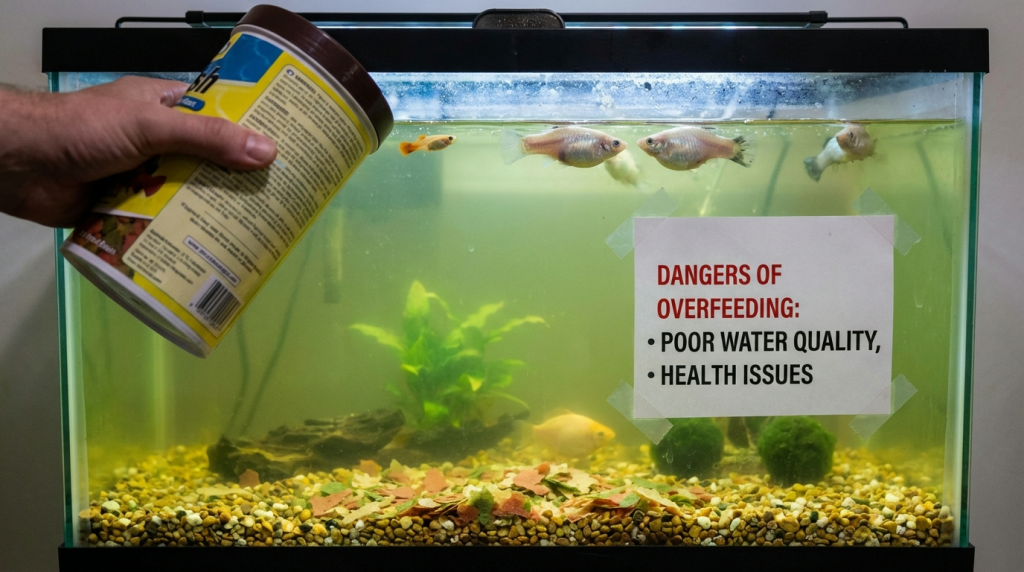
Feeding fish wrong food is one of the most common aquarium mistakes. Understanding diet needs by species helps fish stay active, healthy, and stress-free.
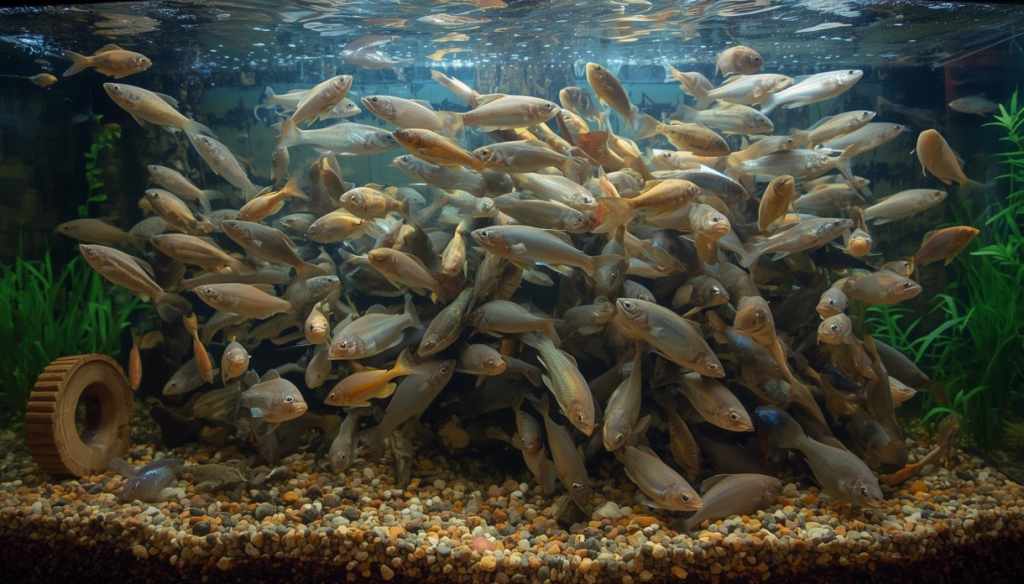
Overcrowding reduces fish activity by increasing stress, limiting movement, and disrupting natural behavior. Understanding space needs helps fish stay active and healthy.
Inactive fish behavior is often a sign that something is wrong beneath the surface. This guide explains the most common causes and how to help fish regain healthy movement.
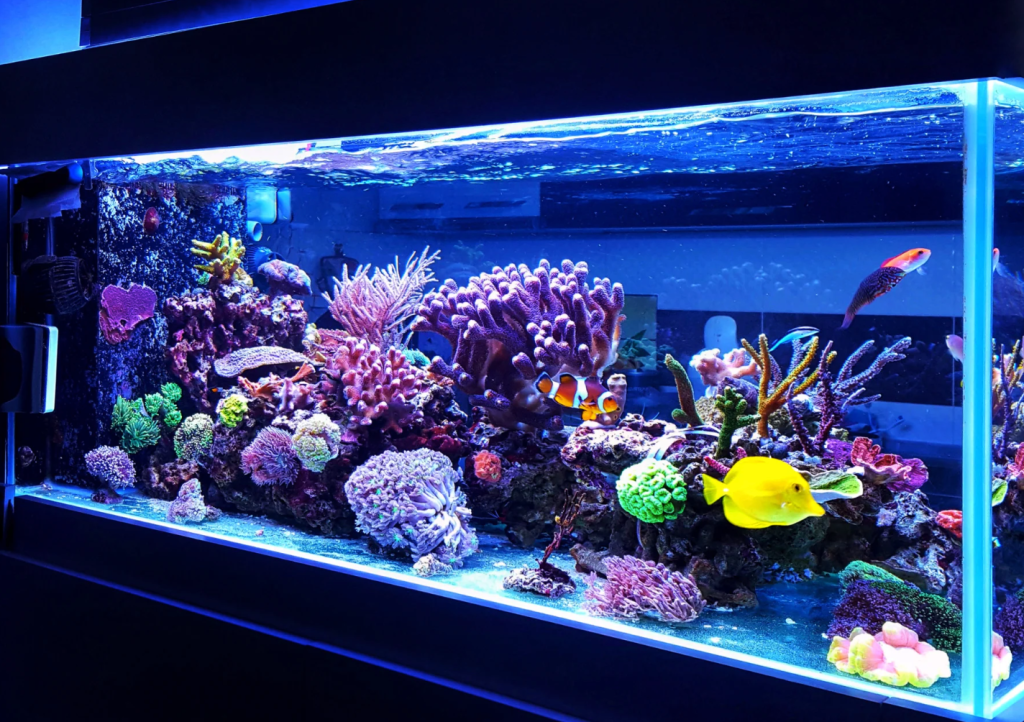
An active fish aquarium setup goes beyond decoration. It creates a living environment that encourages movement, exploration, and healthier fish behavior every day.
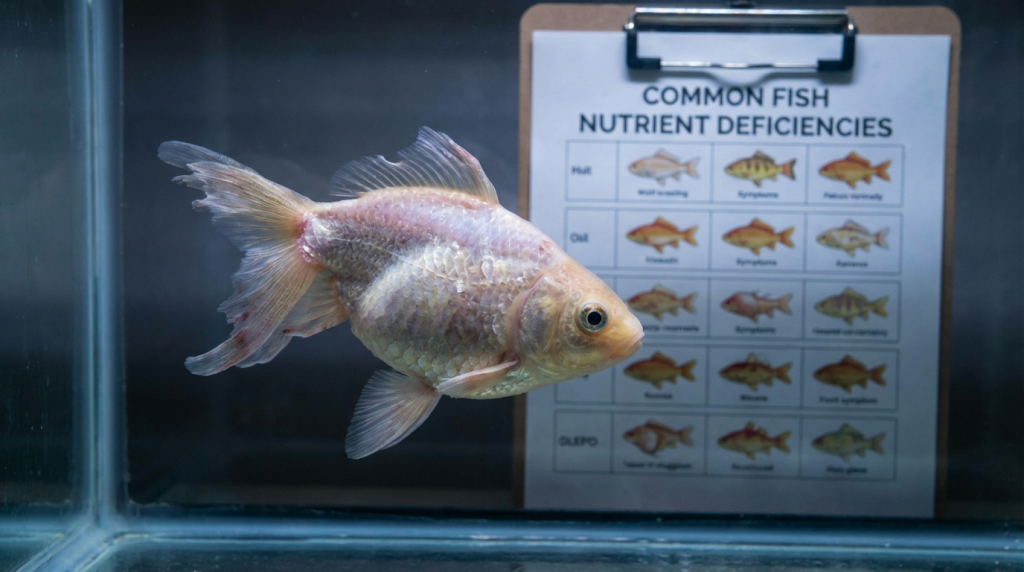
Fish nutritional deficiencies often develop quietly but can seriously impact health, color, and lifespan. This guide explains the causes, signs, and solutions.
A calm, step-by-step guide to trimming your dog's nails at home: paw-handling practice, choosing clippers or a grinder, finding the quick, rewards, and what to do if a nail bleeds.
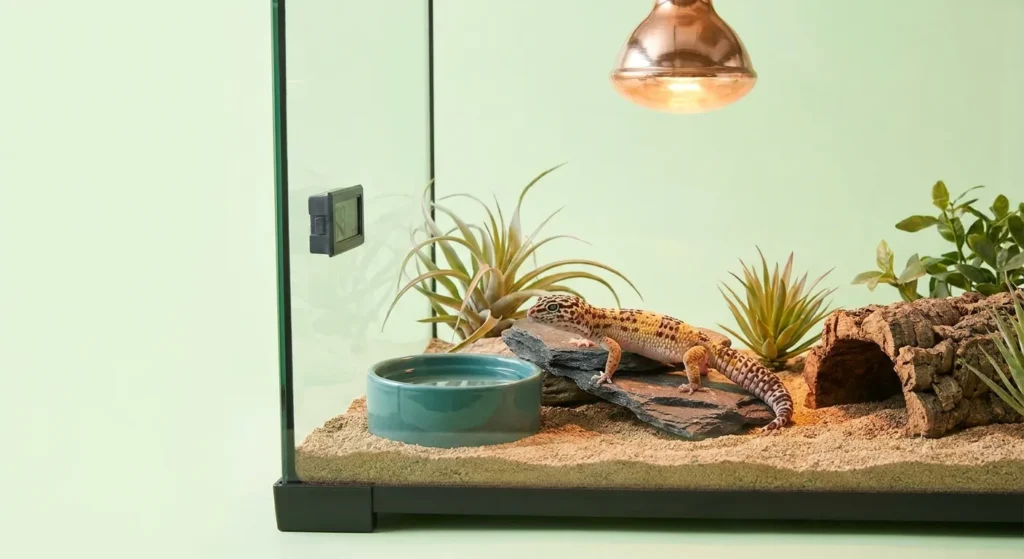
Understanding specific leopard gecko habitat needs is crucial for their long-term health and happiness. It’s about creating a meticulously tailored environment.
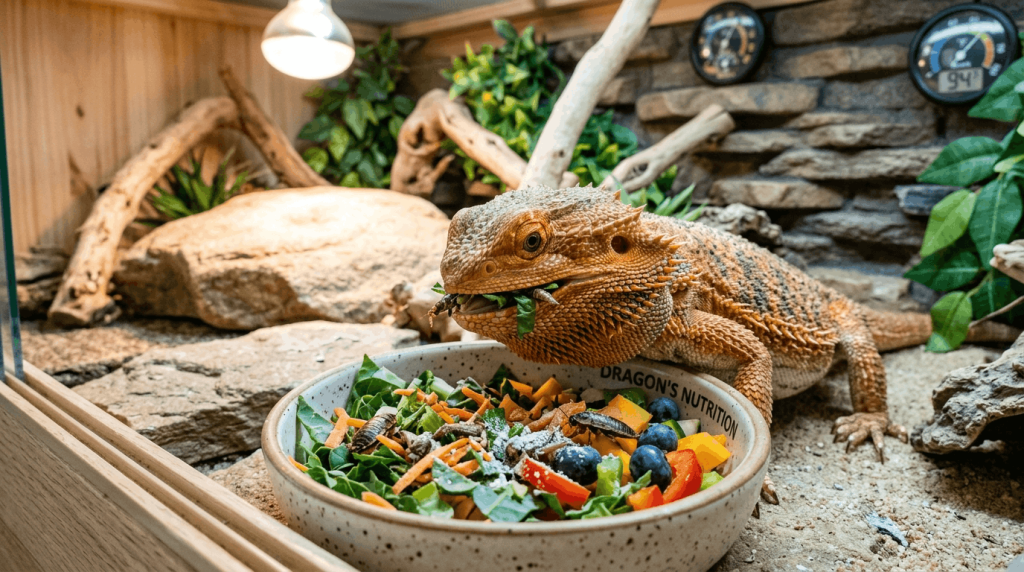
Choosing the right bearded dragon food helps support healthy growth, digestion, energy, and long-term wellness. Learn which foods provide the best nutrition for your pet reptile.
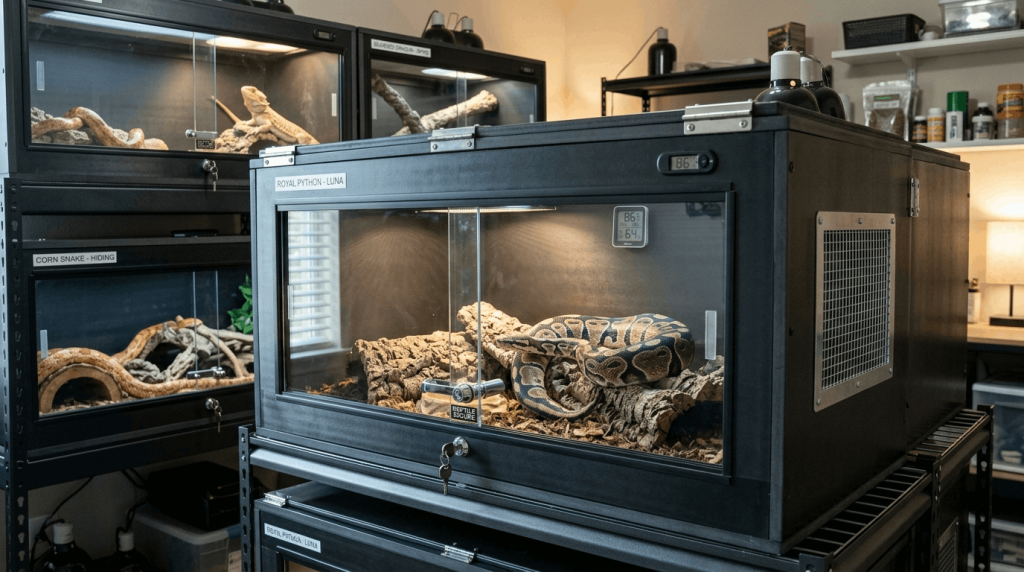
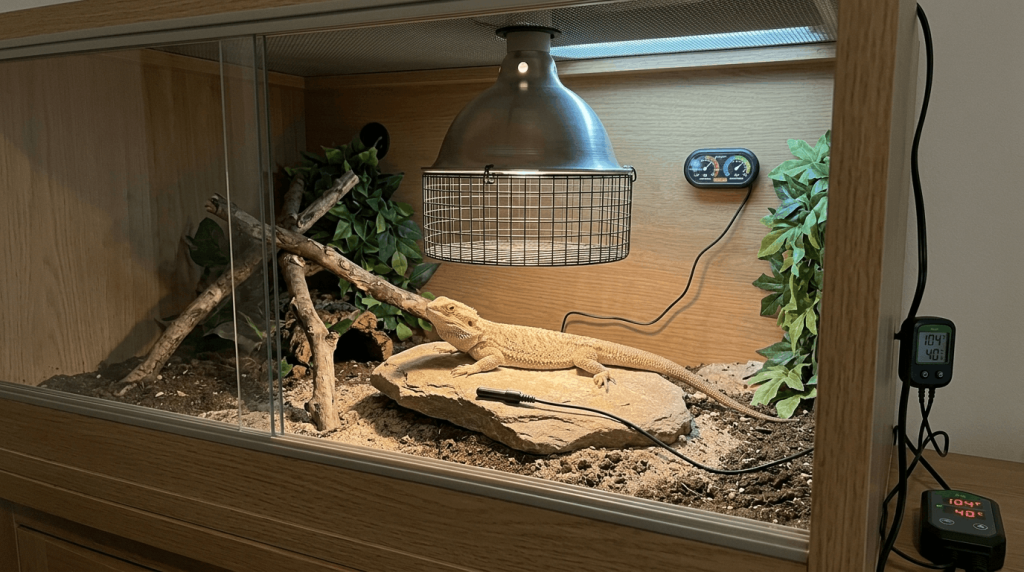
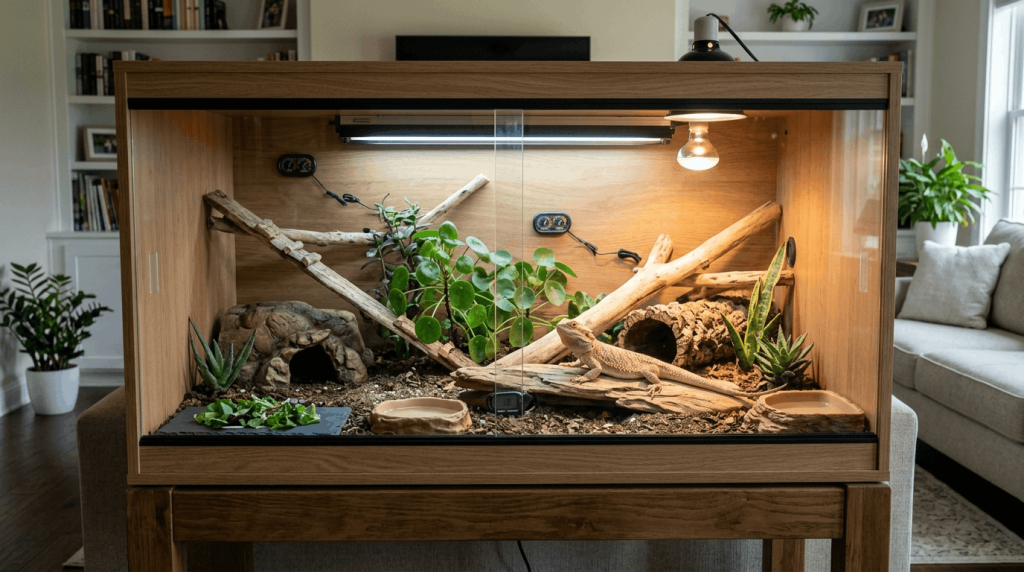
Creating secure reptile enclosures protects reptiles from stress, injury, and escape risks. Learn how to build safer habitats that support long-term reptile health.
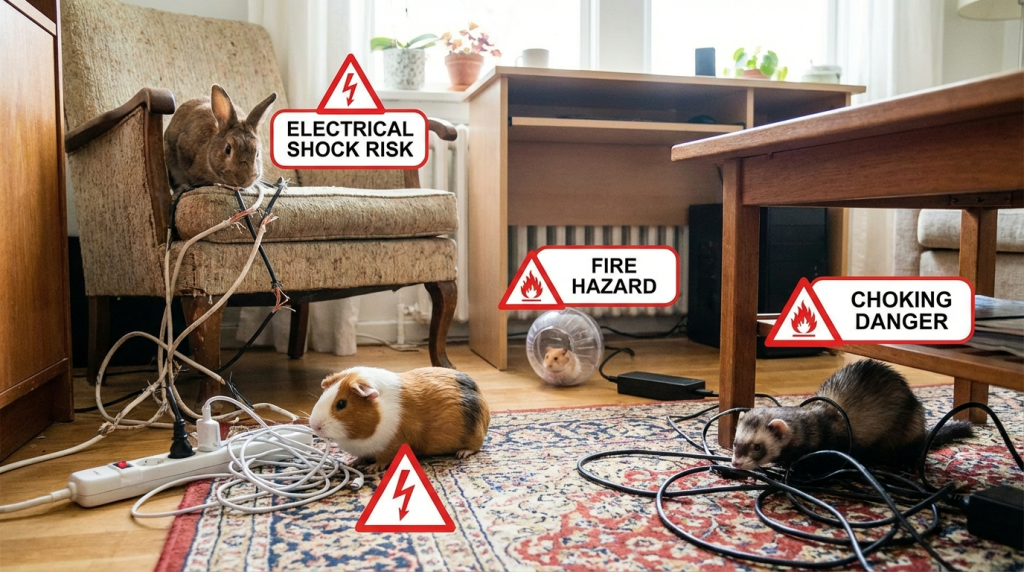
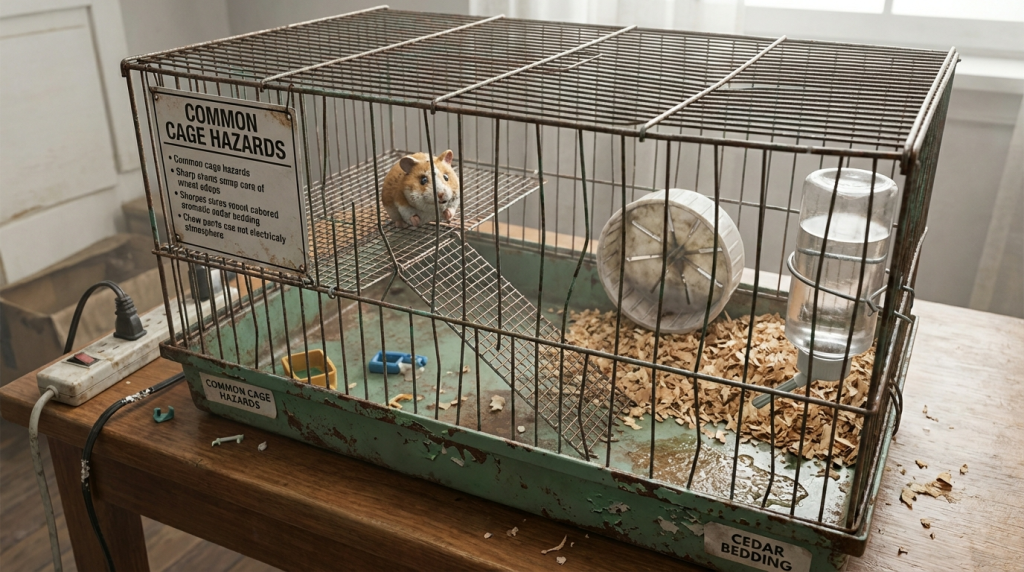
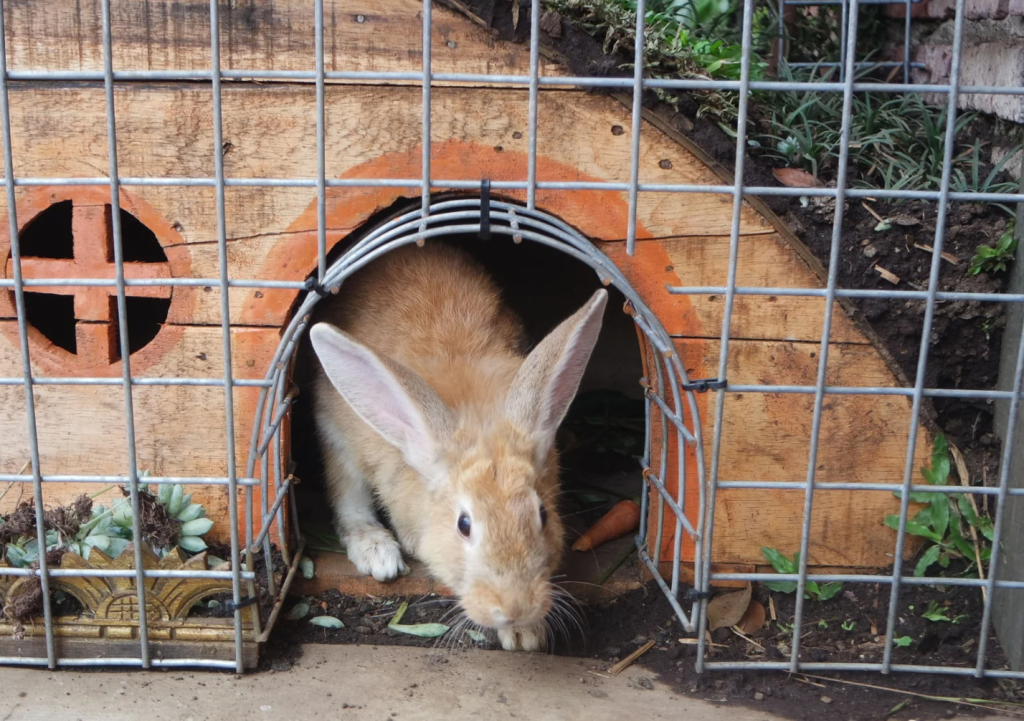
Small pet cage hazards can quietly cause injury, stress, and illness. Identifying and correcting these risks today can dramatically improve your pet’s safety and well-being.
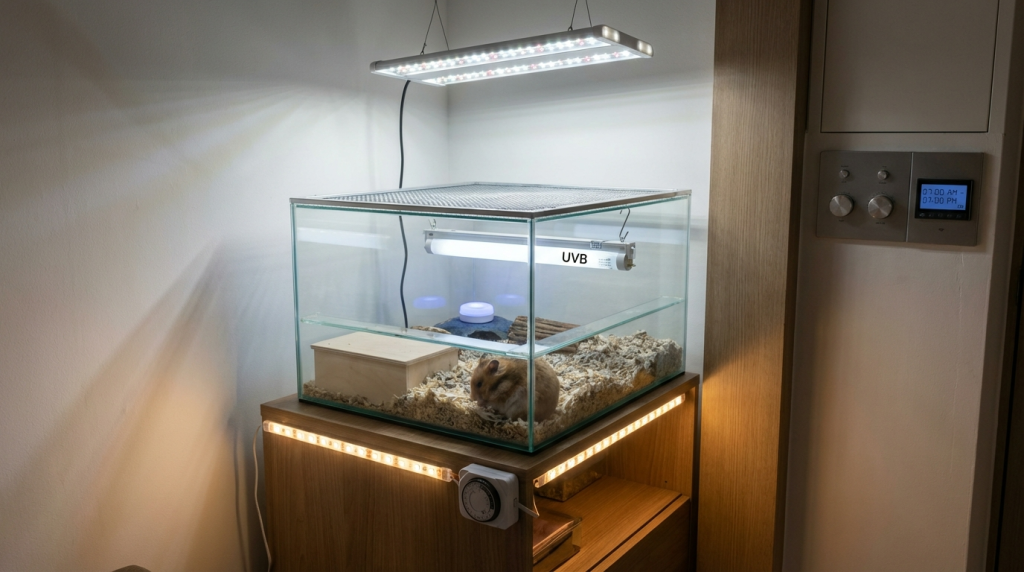
Special lighting for small pets can influence sleep cycles, behavior, and overall health. Understanding species-specific needs helps you create a safe and supportive environment.
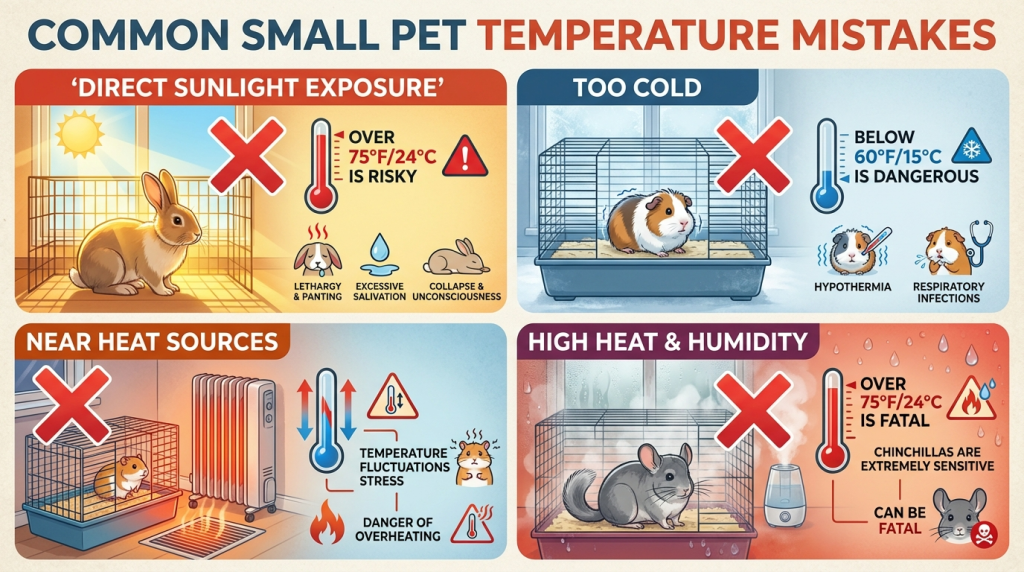
Small pet temperature mistakes can quietly lead to stress, illness, and even shortened lifespans. Understanding proper temperature control helps your small pets stay calm, active, and healthy.
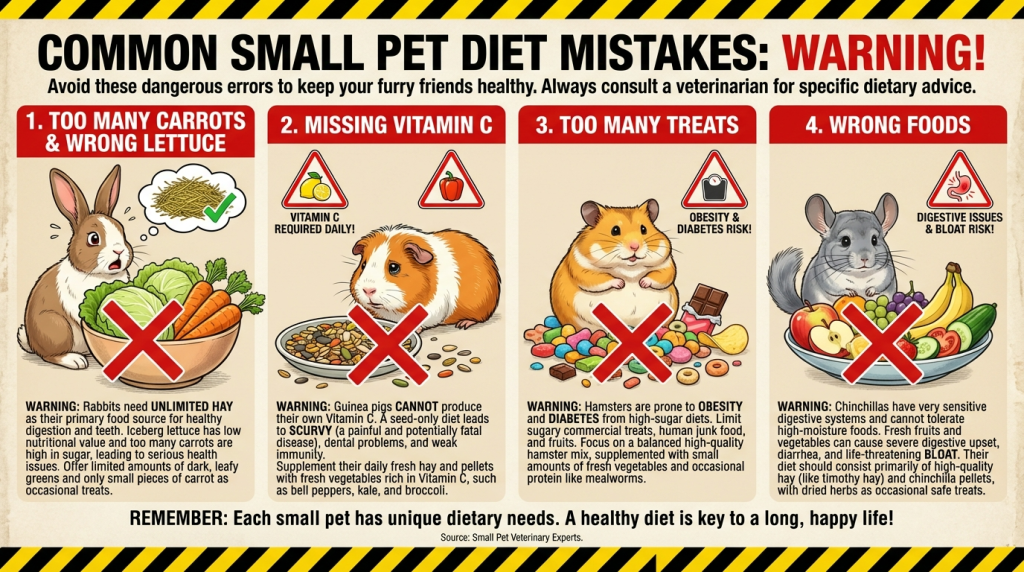
Small pet diet mistakes often go unnoticed until health problems appear. By correcting feeding habits early, you can dramatically improve your pet’s lifespan and quality of life.