

Bird grooming hygiene plays a crucial role in maintaining your pet’s health, comfort, and overall well-being. While birds naturally groom themselves through preening, they still rely on proper care from their owners to stay clean and free from potential health issues. Without the right support, even the most self-sufficient bird can develop problems related to feathers, skin, and hygiene. Therefore, understanding bird grooming hygiene is essential for any responsible bird owner who wants to ensure a long and happy life for their feathered companion.
Unlike many other pets, birds have unique grooming needs that require careful attention. Their feathers, beaks, and nails all need regular monitoring, and sometimes intervention. Additionally, environmental cleanliness plays a significant role in their hygiene. Because of this, bird grooming hygiene is not just about direct grooming practices but also about maintaining a clean and safe living space. When both aspects are addressed consistently, birds remain healthier, more active, and less prone to stress-related behaviors.
Understanding Natural Grooming Behavior
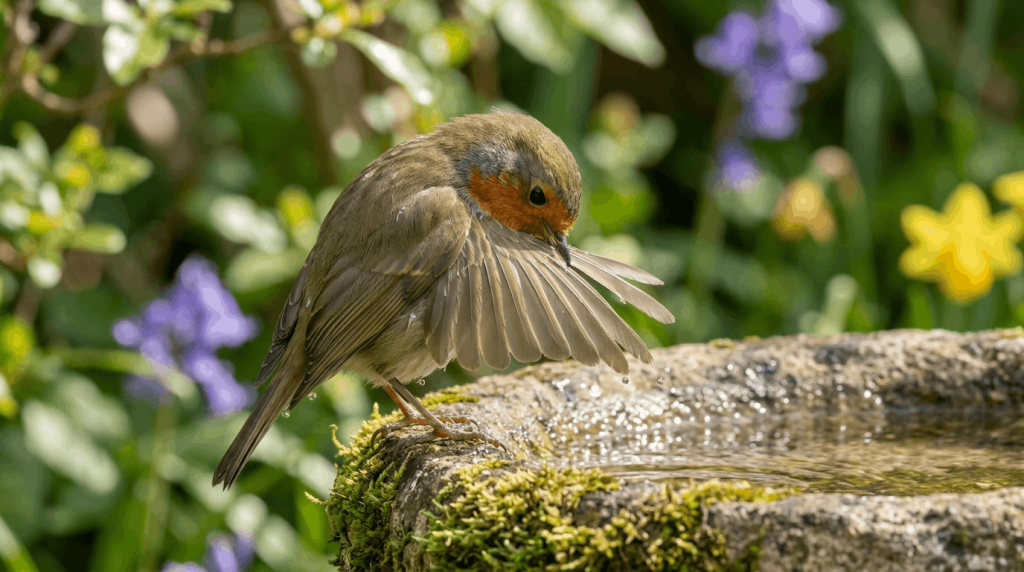
Birds are naturally equipped with the ability to groom themselves, and this behavior is known as preening. During preening, birds use their beaks to clean and align their feathers, remove dirt, and spread natural oils. This process helps maintain feather condition and ensures proper insulation and flight capability.
However, even though preening is effective, it is not always enough. Domestic birds live in environments that differ significantly from their natural habitats. As a result, bird grooming hygiene must be supported through additional care practices. For example, indoor air quality, cage cleanliness, and access to bathing opportunities all influence how well a bird can maintain itself.
Moreover, some birds may struggle with grooming due to age, illness, or stress. In these cases, owners need to step in and provide gentle assistance. By observing your bird’s behavior, you can identify when extra care is needed and adjust your routine accordingly.
The Importance Of Regular Bathing
Bathing is a key component of bird grooming hygiene and contributes significantly to feather health. Clean feathers function better, allowing birds to regulate temperature and maintain proper flight balance. Additionally, bathing helps remove dust, dander, and parasites that may accumulate over time.
Different birds prefer different bathing methods. Some enjoy shallow water dishes, while others prefer misting with a spray bottle. Offering options allows your bird to choose what feels most comfortable. It is important to use clean, lukewarm water and avoid harsh chemicals, as these can damage feathers and irritate the skin.
Frequency also matters. While some birds benefit from daily baths, others may only need them a few times a week. Observing your bird’s preferences and behavior will help determine the right schedule. Consistency ensures that bird grooming hygiene remains effective and stress-free.
Feather Care And Maintenance
Feathers are one of the most important aspects of a bird’s health, and proper care is essential. Healthy feathers are smooth, vibrant, and well-aligned. When bird grooming hygiene is maintained properly, feathers remain in optimal condition, supporting both appearance and function.
Molting is a natural process where birds shed old feathers and grow new ones. During this time, birds may require extra care and nutrition. Providing a balanced diet rich in vitamins and minerals supports feather growth and overall health.
In addition, monitoring feather condition can reveal underlying health issues. Broken, frayed, or missing feathers may indicate stress, poor nutrition, or illness. Addressing these concerns early helps prevent more serious problems.
Because feathers play such a vital role, bird grooming hygiene should always include regular observation and gentle care when needed.
Beak And Nail Care Essentials
A bird’s beak and nails continue to grow throughout its life, which makes regular maintenance necessary. While birds naturally wear down these structures through daily activities, some may require additional trimming.
Providing perches of varying textures helps keep nails at a manageable length. Natural wood perches, in particular, are effective for this purpose. Similarly, chew toys and cuttlebones support beak health by encouraging natural wear.
In some cases, professional trimming may be required. Overgrown nails or beaks can interfere with movement and feeding, leading to discomfort or injury. Therefore, bird grooming hygiene includes knowing when to seek expert assistance.
Handling your bird gently and regularly also helps it become comfortable with grooming activities. This reduces stress and makes maintenance easier over time.
Maintaining A Clean Living Environment
A clean habitat is just as important as direct grooming when it comes to bird grooming hygiene. Birds spend most of their time in their cages, so keeping this space clean directly impacts their health.
Daily cleaning tasks include removing waste, replacing food and water, and wiping down surfaces. Weekly deep cleaning involves washing the cage, perches, and accessories with bird-safe cleaners. This routine prevents the buildup of bacteria and parasites.
Additionally, proper ventilation is essential. Fresh air reduces the accumulation of dust and dander, which can affect respiratory health. Placing the cage in a well-ventilated area while avoiding drafts creates a balanced environment.
Because bird grooming hygiene extends beyond physical grooming, maintaining cleanliness in your bird’s surroundings is a critical part of overall care.
Recognizing Signs Of Poor Hygiene
Understanding the signs of poor hygiene helps you take action before problems escalate. Birds often show subtle changes that indicate something is wrong.
A dull or greasy feather appearance may suggest inadequate grooming or poor environmental conditions. Similarly, excessive scratching or feather plucking can signal irritation or stress.
Unpleasant odors coming from the cage or the bird itself are also warning signs. These may indicate bacterial growth or infection. In such cases, improving bird grooming hygiene practices is essential.
Behavioral changes, such as reduced activity or appetite, may also be linked to hygiene issues. Observing your bird closely allows you to respond quickly and effectively.
Creating A Stress-Free Grooming Routine
Establishing a routine is one of the best ways to ensure consistent bird grooming hygiene. Birds thrive on predictability, so regular grooming activities help them feel secure.
Start by introducing grooming gradually. Allow your bird to become familiar with bathing, handling, and other care practices at its own pace. Positive reinforcement, such as treats and praise, encourages cooperation.
Timing also plays a role. Choosing moments when your bird is calm and relaxed makes grooming more successful. Avoid forcing activities, as this can create negative associations.
By making grooming a positive experience, you strengthen your bond with your bird while maintaining its health. Over time, bird grooming hygiene becomes a natural and enjoyable part of daily life.
The Long-Term Benefits Of Proper Grooming
Consistent bird grooming hygiene offers numerous long-term benefits that go beyond appearance. Birds that receive proper care are less likely to develop infections, parasites, or behavioral issues.
Healthy grooming habits also support emotional well-being. Clean, comfortable birds are more active, social, and engaged. This leads to a happier and more fulfilling life for both the bird and the owner.
Furthermore, regular grooming provides opportunities to monitor your bird’s health. Early detection of issues allows for timely intervention, reducing the risk of serious complications.
Ultimately, investing in bird grooming hygiene ensures that your pet remains healthy, comfortable, and vibrant for years to come.
Conclusion
Bird grooming hygiene is a fundamental aspect of responsible bird ownership that cannot be overlooked. While birds naturally maintain themselves through preening, they still depend on their owners for proper care and a clean environment. By understanding their needs and establishing consistent routines, you create a foundation for long-term health and happiness.
From bathing and feather care to maintaining a clean cage, every element contributes to your bird’s well-being. Small, consistent efforts make a significant difference, ensuring that your bird remains comfortable and free from preventable health issues. When bird grooming hygiene becomes part of your daily routine, you not only protect your pet’s health but also strengthen the bond you share.
FAQ
- How often should I bathe my pet bird?
Most birds benefit from bathing a few times a week, although some may enjoy daily baths depending on their preferences. - Do birds need help with grooming?
Yes, while birds preen themselves, they still need support with bathing, nail care, and maintaining a clean environment. - What are signs my bird needs better care?
Dull feathers, excessive scratching, and unusual odors can indicate that hygiene practices need improvement. - Can I trim my bird’s nails at home?
You can, but it requires proper technique. If unsure, it is safer to consult a professional for trimming. - Why is cage cleanliness important for birds?
A clean cage prevents bacteria buildup, reduces illness risk, and supports overall health and comfort.


