
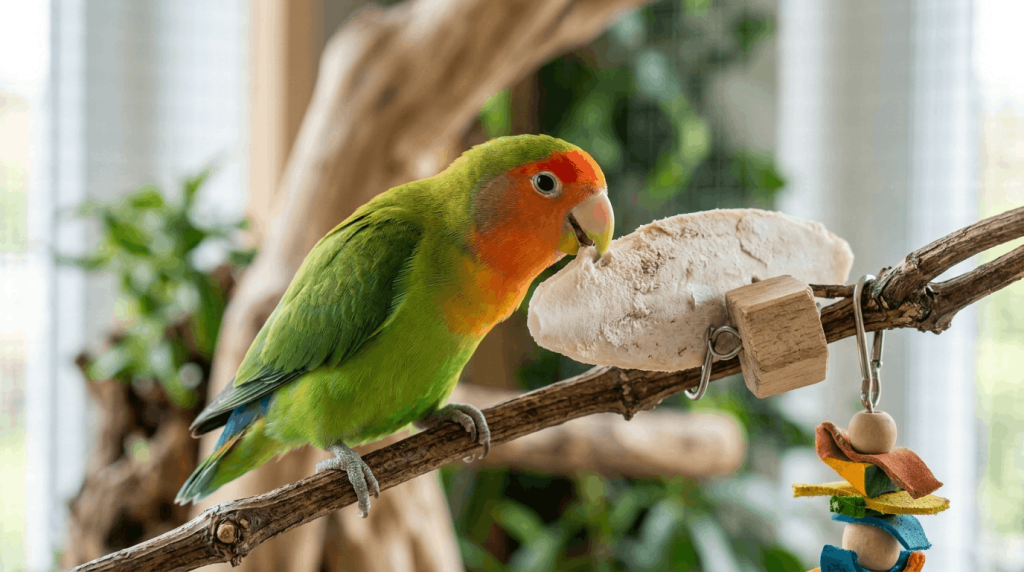

Keeping a pet bird healthy involves much more than feeding a nutritious diet and cleaning the cage regularly. Grooming plays an essential role in overall wellness, especially when it comes to maintaining healthy nails and beaks. Bird beak care is often overlooked by new owners, yet these structures affect eating, climbing, balance, and daily comfort. When grooming needs go ignored, birds may experience pain, difficulty eating, mobility problems, and even serious infections.
A bird’s beak continues growing throughout life, much like human fingernails. Nails also grow constantly and require natural wear or regular maintenance. In the wild, birds naturally trim their nails and shape their beaks through climbing, chewing, foraging, and daily activity. However, pet birds often live in environments that limit these natural behaviors. Because of this, owners must monitor growth carefully and provide proper grooming support.
Healthy grooming habits improve quality of life significantly. Birds with properly maintained beaks and nails usually climb more comfortably, interact more confidently, and eat without difficulty. In addition, regular inspections help owners identify underlying health problems before they become severe.
Why Grooming Matters for Pet Birds
Many bird owners focus heavily on diet and cage cleanliness while forgetting how important grooming is for physical comfort. Overgrown nails can make perching painful and unstable. Likewise, neglected beaks may interfere with eating, preening, and vocalization.
Bird beak care supports more than appearance alone. The beak functions as a critical tool for eating, climbing, chewing, and exploring the environment. Birds also use their beaks for self-defense and social interaction. Therefore, even mild abnormalities can disrupt daily life quickly.
Nails play an equally important role in movement and stability. Birds rely on healthy nails to grip branches, climb cage bars, and balance safely. Long or uneven nails may twist toes unnaturally and increase injury risk. Some birds even develop sores or foot strain from improper nail length.
Regular grooming checks also help detect health conditions early. Changes in beak texture, color, shape, or growth rate sometimes signal nutritional deficiencies, liver disease, infections, or trauma. Similarly, brittle or flaky nails may reflect poor nutrition or environmental stress.
Consistent grooming routines create another benefit as well. Birds that become comfortable with handling and gentle inspections usually experience less stress during veterinary visits and grooming sessions later in life.
Understanding Normal Beak Growth
A healthy beak should appear smooth, symmetrical, and properly aligned. Slight flaking on the outer layer can be normal because birds naturally shed older keratin as the beak grows. However, excessive peeling, cracking, or deformity often indicates a problem.
Bird beak care begins with understanding how growth works naturally. The upper and lower portions of the beak continuously regenerate throughout the bird’s life. Wild birds maintain healthy length through constant chewing, climbing, and foraging activities.
Pet birds sometimes lack opportunities for natural wear. Smooth plastic toys, improper perches, or inactive lifestyles may contribute to overgrowth. In some cases, dietary imbalances also affect beak strength and shape.
Soft foods can create additional issues because they reduce natural chewing activity. Birds that rarely crack seeds, chew wood, or shred materials may develop faster overgrowth than active birds with enriching environments.
Certain species face higher risks as well. Parrots, cockatoos, macaws, and cockatiels often require closer monitoring because their strong curved beaks grow continuously and receive heavy daily use.
Bird beak care also involves watching for alignment changes. If the upper and lower beak no longer meet correctly, eating and climbing may become difficult. Early intervention can often prevent more severe deformities from developing later.
Signs Your Bird Needs Grooming Attention
Subtle grooming problems can become serious quickly if ignored. Therefore, bird owners should learn how to recognize early warning signs before discomfort worsens.
Long nails often appear curved or sharp enough to snag fabrics, cage bars, or skin. Birds with overgrown nails may struggle to perch steadily or avoid climbing altogether. Some birds shift weight frequently because gripping feels uncomfortable.
Bird beak care becomes especially important when the beak appears unusually long, uneven, cracked, or discolored. Difficulty eating, dropping food, or avoiding hard foods may also indicate a grooming issue or underlying illness.
Changes in behavior sometimes provide the first clue. Irritability, reduced activity, poor appetite, or reluctance to perch comfortably may all suggest discomfort caused by grooming neglect.
Watch for excessive flaking or soft areas around the beak as well. While mild shedding remains normal, deep cracks or fragile texture require professional evaluation. Injuries can worsen quickly because birds use their beaks constantly throughout the day.
Foot sores deserve attention too. Overgrown nails can alter posture and create uneven pressure on the feet. Without correction, painful sores and infections may develop over time.
Safe Nail Care for Birds
Nail trimming often causes anxiety for bird owners because birds have delicate blood vessels inside their nails. However, proper trimming remains important for preventing injuries and maintaining comfort.
Bird beak care usually receives more attention than nails, yet both require equal monitoring. Long nails may cause birds to lose balance or injure themselves during climbing and flight attempts.
Natural wood perches help maintain nail length through daily wear. Branches with varying textures encourage healthier foot exercise while gently filing nails over time. Concrete perches can assist occasionally, but they should not become the primary perch because rough surfaces may irritate feet.
When trimming becomes necessary, using bird-specific nail trimmers is safest. Only the sharp tip should be removed gradually. Cutting too deeply may hit the quick, which contains nerves and blood vessels.
Many owners prefer professional grooming because restraint and trimming require careful technique. Avian veterinarians and experienced groomers can safely manage difficult birds while minimizing stress.
Birds that panic during grooming may benefit from gradual desensitization. Gentle handling sessions, positive reinforcement, and calm environments can help reduce fear over time. Rushing the process often increases anxiety and makes future grooming more difficult.
Creating a Healthy Environment for Natural Wear
One of the best ways to support healthy grooming is by creating an enriching environment that encourages natural behavior. Birds instinctively chew, shred, climb, and forage throughout the day. Therefore, proper enrichment can reduce grooming problems naturally.
Bird beak care improves significantly when birds have access to safe chewing materials. Untreated wood toys, natural branches, cardboard, coconut shells, and bird-safe shredding toys all encourage healthy beak exercise.
Diet also affects grooming health. Nutrient deficiencies sometimes weaken keratin structures and contribute to abnormal growth. Balanced diets containing pellets, vegetables, fruits, and healthy proteins generally support stronger nails and beaks.
Vitamin A plays a particularly important role. Birds lacking this nutrient may develop flaky beaks, weakened immunity, and skin issues. Dark leafy greens, carrots, and sweet potatoes provide beneficial nutrients that support healthy tissue growth.
Humidity matters as well. Extremely dry environments can cause brittle nails and excessive beak flaking. Maintaining comfortable humidity levels may improve overall feather and skin condition at the same time.
Exercise should never be ignored either. Active birds naturally wear their nails and strengthen muscles through climbing and movement. Larger cages, supervised playtime, and interactive toys all contribute to healthier grooming outcomes.
Common Mistakes Bird Owners Make
Many grooming problems develop because owners unknowingly follow unsafe practices or delay care too long. Understanding common mistakes can help prevent unnecessary complications.
Some owners attempt aggressive trimming without proper training. Unfortunately, cutting too deeply can cause bleeding, pain, and fear. Birds that experience traumatic grooming sessions may resist handling strongly afterward.
Bird beak care should also never involve filing or trimming excessively without veterinary guidance. Overcorrecting beak shape may interfere with alignment and function. In severe cases, improper trimming can affect eating permanently.
Ignoring gradual changes presents another common issue. Small cracks, mild overgrowth, or subtle posture changes may seem harmless initially. However, early intervention often prevents larger health problems later.
Using unsafe perches creates additional concerns. Sandpaper covers and excessively rough surfaces may damage feet rather than maintain nails safely. Natural textured perches usually provide healthier support.
Poor nutrition also contributes heavily to grooming problems. Seed-only diets often lack essential nutrients needed for strong keratin growth. Balanced nutrition remains one of the most important parts of preventive grooming care.
Finally, many owners avoid veterinary care until problems become severe. Regular wellness exams allow avian veterinarians to identify subtle grooming abnormalities before they worsen significantly.
When Professional Help Is Necessary
While routine monitoring can occur at home, some grooming situations require immediate veterinary attention. Severe overgrowth, bleeding injuries, deformities, or sudden changes in shape should never be ignored.
Bird beak care sometimes reveals hidden medical conditions. Liver disease, infections, trauma, tumors, and metabolic disorders may all affect growth patterns. Professional evaluation becomes essential when abnormalities develop quickly or repeatedly.
Bleeding nails also require careful management. Minor bleeding may stop with styptic powder, but heavy bleeding or repeated injuries should receive medical attention promptly.
Birds that stop eating, struggle to grip perches, or show obvious discomfort need immediate evaluation as well. Delayed treatment can worsen pain and increase long-term complications.
Regular avian veterinary visits provide preventive benefits beyond emergency care. Professionals can monitor growth patterns, assess diet quality, and recommend adjustments based on species-specific needs.
Owners should also avoid relying solely on pet store grooming services unless staff possess avian experience. Improper restraint and trimming techniques can increase stress and injury risk significantly.
Building a Calm Grooming Routine
Birds respond best to consistency and patience. Creating calm grooming habits early helps reduce stress and improve cooperation over time.
Bird beak care should become part of regular observation rather than an occasional emergency task. Brief daily checks allow owners to notice changes before problems progress.
Positive reinforcement works especially well with intelligent bird species. Offering treats, praise, or favorite toys after handling sessions helps create positive associations with grooming.
Short sessions usually work better than long stressful attempts. Gradual handling allows birds to build trust while remaining comfortable throughout the process.
Calm environments also make a difference. Loud noises, sudden movements, and rushed handling often increase anxiety. Gentle voices and steady movements help birds feel more secure during grooming activities.
Most importantly, owners should respect each bird’s comfort level. Some birds adapt quickly, while others require more patience and gradual conditioning. Consistency and kindness often produce the best long-term results.
Conclusion
Healthy grooming habits play a major role in a bird’s comfort, mobility, and overall wellness. Bird beak care helps prevent overgrowth, feeding problems, injuries, and hidden health complications that may worsen over time. Likewise, proper nail maintenance supports safe climbing, stable perching, and healthier foot condition.
Although grooming may seem intimidating initially, consistent observation and preventive care make the process much easier. Natural perches, enriching toys, balanced nutrition, and regular veterinary checkups all contribute to healthier nails and beaks. Small daily habits often prevent larger problems later.
Every bird depends on its beak and nails for daily survival and interaction. By providing proper grooming support and addressing concerns early, owners can help their birds live healthier, safer, and more comfortable lives for many years.
FAQ
1. How often should pet bird nails be trimmed?
Most birds need nail checks every few weeks, although trimming frequency depends on activity level and natural wear.
2. What causes overgrown beaks in birds?
Poor diet, lack of chewing opportunities, illness, injuries, and limited natural wear commonly contribute to excessive growth.
3. Are natural wood perches better for grooming support?
Yes, natural wood perches encourage healthier foot exercise while helping maintain nail condition more naturally.
4. Can a bird trim its beak naturally at home?
Birds often maintain healthy beaks through chewing toys, climbing, and eating hard foods in enriched environments.
5. When should a bird see an avian veterinarian for grooming issues?
Birds should receive professional evaluation if they show bleeding, severe overgrowth, deformities, eating difficulties, or sudden changes in behavior.