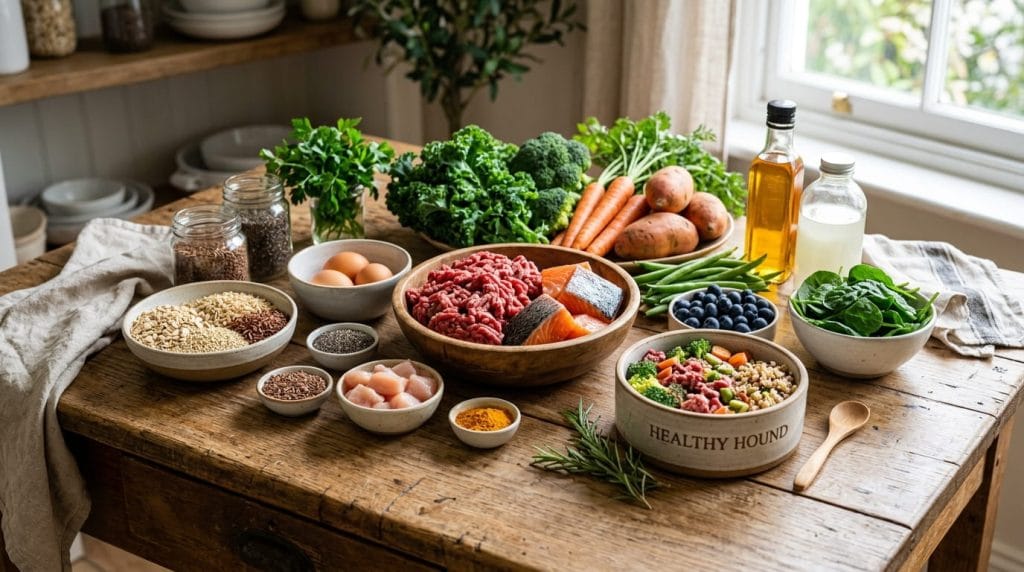
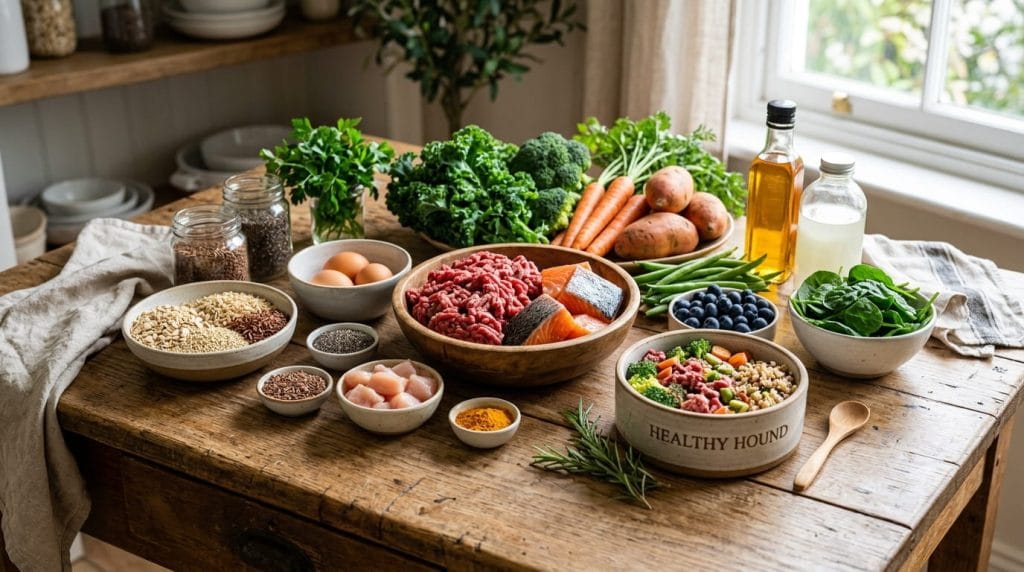

When pet food brands talk about high-quality dog ingredients, it can sound reassuring at first. However, many dog owners are not always sure what that phrase actually means. Does it mean real meat? The answer is more practical than most marketing labels suggest. Quality is not only about one trendy ingredient. Instead, it comes from the way each ingredient supports your dog’s health, digestion, energy, skin, coat, and daily comfort.
Dog food labels can feel confusing because they often use words that sound healthy but do not explain much. For example, a bag may mention premium nutrition, wholesome goodness, or chef-inspired recipes. While those phrases may look appealing, they do not always tell you whether the food gives your dog the right nutrients in the right balance. Therefore, learning how to judge ingredients gives you more control. You can look beyond the front of the package and focus on what matters most inside the recipe.
A good dog food should provide complete nutrition, not just an attractive ingredient list. Dogs need protein, fats, carbohydrates, vitamins, minerals, fiber, and moisture to support their bodies. In addition, they need these nutrients in forms they can digest and use well. A food may include impressive-sounding items, yet still fall short if the formula is not balanced. That is why high-quality dog ingredients should always be judged within the full recipe, not as isolated selling points.
The goal is not to chase perfection or buy the most expensive food on the shelf. Instead, the goal is to understand what makes one ingredient more useful than another. Once you know the difference, you can choose food that fits your dog’s life stage, size, activity level, sensitivities, and health needs. As a result, you become less dependent on marketing claims and more confident in your own judgment.
Why Ingredient Quality Matters
Ingredient quality matters because dogs eat the same food often. Unlike people, who usually eat a wide range of meals, many dogs rely on one main diet every day. Because of that, the quality of their regular food can have a lasting effect on how they feel. A well-formulated recipe may support steady energy, healthy stools, strong muscles, and a shiny coat. On the other hand, poor-quality food may lead to digestive upset, dull coat condition, or inconsistent appetite.
Protein is one of the clearest examples. Dogs need protein to support muscles, tissues, immune health, and normal body repair. However, not all protein sources are equal in digestibility or nutrient value. Named animal proteins such as chicken, beef, turkey, lamb, salmon, or egg are usually easier to understand than vague terms. When a label clearly identifies the protein source, you know more about what your dog is eating. Therefore, clarity is one sign of better ingredient quality.
Still, high-quality dog ingredients are not limited to meat. Healthy fats also play an important role. Fats provide concentrated energy and help support skin and coat health. They also help carry certain vitamins through the body. For example, fish oil, chicken fat, and flaxseed may appear in dog food formulas for different nutritional reasons. The key is not whether fat appears in the recipe, but whether the source is useful, appropriate, and clearly listed.
Carbohydrates can also be valuable when chosen well. Some owners assume that all carbs are fillers, but that is too simple. Ingredients such as brown can also be valuable when chosen well. Some owners assume that all carbs are fillers, but that is too simple. Ingredients such as brown rice, oats, barley, sweet potatoes, pumpkin, peas, or lentils can provide energy and fiber. However, quality depends on the dog, the formula, and the amount used. For many dogs, digestible carbohydrates help create steady energy and support normal digestion. Therefore, the best approach is balance, not fear of one ingredient group.
Fiber deserves attention too. Dogs need fiber for healthy digestion and stool quality. Ingredients such as pumpkin, beet pulp, chicory root, apples, carrots, and certain grains may help support the digestive system. However, too much fiber can also be a problem for some dogs. A good recipe uses fiber with purpose. It should help the food work better, not simply bulk up the formula.
What Real Quality Looks Like on a Label
A dog food label can tell you a lot when you know where to look. The ingredient list shows items by weight before cooking. This means fresh meat may appear first because it contains moisture. Meat meal, when named clearly, can also be a concentrated protein source because moisture has already been removed. For example, chicken meal is more specific than animal meal. As a result, named ingredients often give you better information than broad or unclear terms.
One sign of high-quality dog ingredients is transparency. Clear labels usually name the animal source, fat source, and major carbohydrate sources. Instead of saying meat by-product or animal fat without details, a clearer label may say turkey, salmon meal, chicken fat, or lamb meal. This does not mean every by-product is harmful. In fact, some organ meats can provide nutrients. However, vague wording makes it harder to know what your dog is actually eating.
Another sign is nutritional purpose. Every ingredient should have a reason for being included. Chicken may provide protein. Fish oil may provide omega fatty acids. Brown rice may provide digestible energy. Pumpkin may support fiber intake. Vitamins and minerals help complete the formula. When the ingredients work together, the recipe feels more intentional. Because of that, high-quality dog ingredients should support a balanced food, not just make the label look impressive.
You should also consider the guaranteed analysis, feeding guidelines, and nutritional adequacy statement. The ingredient list alone does not show the full nutritional picture. A recipe may list appealing foods, yet still be too high in fat for a less active dog. Another recipe may look simple, but it may provide excellent balance for sensitive digestion. Therefore, labels should be read as a whole. This helps you avoid judging food only by the first ingredient.
Marketing words need careful attention. Terms like natural, premium, gourmet, holistic, and human-grade can influence buyers, yet they may not always guarantee better nutrition. Some of these terms have specific meanings, while others are more flexible. In addition, a beautiful package can make ordinary ingredients seem special. So, it helps to pause and ask a simple question: what does this ingredient do for my dog?
Price can also mislead people. Expensive food is not always better, and affordable food is not always poor quality. Some higher-priced brands use better sourcing, testing, and formulation. However, others charge more because of branding. Likewise, some budget-friendly foods may still provide complete and balanced nutrition. The smarter choice is to compare ingredient clarity, nutritional balance, company standards, and your dog’s actual response.
Common Ingredient Myths Dog Owners Should Question
One common myth is that grain-free automatically means healthier. Some dogs do better without certain grains, especially if they have a diagnosed sensitivity. However, many dogs digest grains well. Ingredients such as rice, oats, and barley can provide useful energy and nutrients. Therefore, removing grains does not always make a food better. It simply changes the formula.
Another myth is that the first ingredient tells the whole story. The first ingredient matters, but it does not decide the quality of the entire food. A recipe can start with chicken and still rely heavily on less useful ingredients later. Likewise, a recipe may include a named meat meal and provide strong protein support. That is why high-quality dog ingredients should be evaluated throughout the full list, not only at the top.
Some owners also believe that by-products are always bad. This topic needs more nuance. Certain by-products can include nutrient-rich parts of an animal, such as organs. However, vague labels create uncertainty. If the source is clearly named, it is easier to assess. If the label simply uses unclear terms, you have less information. Therefore, the issue is often transparency rather than the word itself.
Fresh food and raw food also get a lot of attention. These diets may work well for some dogs when properly formulated. However, fresh or raw does not automatically mean balanced or safer. Dogs still need the correct nutrient ratios. In addition, handling, storage, and preparation matter. A fresh meal with poor balance can create problems over time. So, quality still depends on formulation, safety, and suitability.
Another common belief is that a long ingredient list is always bad. Sometimes a shorter list helps dogs with sensitivities because there are fewer ingredients to react to. However, a longer list may include helpful nutrients, fiber sources, probiotics, vitamins, minerals, and omega-rich ingredients. As a result, length alone does not prove quality. What matters is whether the ingredients are useful and appropriate.
It is also easy to assume that dogs should eat exactly like wolves. While dogs share ancestry with wolves, domestic dogs have adapted over time. Many dogs can digest a wider range of foods than a strict meat-only idea suggests. Of course, animal protein remains important. Still, balanced dog nutrition can include carefully chosen plant ingredients too. This is why practical nutrition beats dramatic claims.
How to Match Ingredients to Your Dog’s Needs
The best food for one dog may not be the best food for another. Age is one major factor. Puppies need food that supports growth, while adult dogs need maintenance nutrition. Senior dogs may need formulas that support lean muscle, digestion, and healthy weight. Therefore, high-quality dog ingredients should match your dog’s life stage.
Size also matters. Large-breed puppies need careful mineral balance to support healthy growth. Small dogs may need calorie-dense food in smaller kibble sizes. Active dogs often need more protein and fat, while less active dogs may need fewer calories. Because of this, ingredient quality should always connect to your dog’s real lifestyle.
Digestive sensitivity is another important concern. Some dogs do better with limited ingredient formulas, while others need more fiber or easier protein sources. If your dog often has loose stools, gas, itching, or ear issues, diet may be one possible factor. However, health problems can have many causes. Therefore, it is wise to talk with a veterinarian before making major diet changes, especially if symptoms continue.
Food allergies are less common than many people think, but they can happen. Dogs may react to certain proteins or other ingredients. In those cases, switching randomly from one trendy food to another may not solve the problem. A more structured plan works better. Your veterinarian may suggest an elimination diet or a specific therapeutic food. This helps identify the issue more clearly.
Weight management also depends on ingredient choices. A dog can eat quality food and still gain weight if portions are too large. Treats, table scraps, and low activity can add extra calories quickly. Therefore, the right ingredients must work with the right feeding amount. Measuring meals, watching body condition, and adjusting portions can make a big difference.
You should also pay attention to your dog’s response after switching foods. Better food should support stable energy, comfortable digestion, healthy stool, and good coat condition. However, changes may take time. A sudden switch can upset the stomach, even if the new food is better. For that reason, many dogs do best when food changes happen gradually over several days.
High-quality dog ingredients should also be suitable for your dog’s preferences. Some dogs love fish-based recipes, while others do better with poultry or lamb. Texture, kibble size, smell, and digestibility can all affect mealtime success. Even the best formula will not help much if your dog refuses to eat it. So, practical fit matters as much as the ingredient list.
Choosing Better Food Without Falling for Hype
Choosing dog food becomes easier when you follow a simple process. First, look for a complete and balanced statement for your dog’s life stage. Next, read the ingredient list for clarity. Then, review the protein source, fat source, carbohydrate choices, and fiber sources. After that, consider your dog’s body condition, digestion, age, and activity level. This approach keeps you focused on nutrition instead of hype.
It also helps to compare similar foods side by side. For example, two foods may both advertise real chicken. However, one may use clearer fat sources, better fiber support, and more appropriate calories. Another may rely on vague ingredients or heavy marketing language. When you compare calmly, high-quality dog ingredients become easier to recognize.
Brand standards matter too. A responsible company should care about formulation, testing, sourcing, and quality control. Although the label gives you useful clues, the company behind the food also plays a role. Brands that work with qualified nutrition experts and follow strong safety practices may offer more confidence. As a result, quality includes both ingredients and the process used to turn them into safe food.
Do not ignore your budget. Dogs need consistent nutrition, so the best food is one you can feed reliably. If a premium formula is too expensive to maintain, it may not be the right practical choice. Instead, look for the best balance of quality, suitability, and affordability. Many dog owners can improve food choices without choosing the most expensive option.
Treats deserve the same attention. Even if your dog eats excellent meals, low-quality treats can add unnecessary calories, sugar, salt, or artificial extras. Choose treats with simple, clear ingredients and feed them in moderation. Also, remember that training treats should be small. This lets you reward your dog without overfeeding.
Supplements should not replace a good diet. Some dogs benefit from specific supplements, especially under veterinary guidance. However, adding many extras can create imbalance or waste money. If your dog already eats complete and balanced food, extra nutrients may not be necessary. Therefore, use supplements with purpose, not because a label promises quick results.
Homemade diets require extra care. Cooking for your dog can feel loving and healthy. However, homemade meals can easily miss important nutrients if they are not properly formulated. If you want to prepare your dog’s meals at home, work with a veterinary nutrition professional. This helps ensure the food includes the right balance over time.
High-quality dog ingredients are ultimately about trust, clarity, and fit. You want ingredients you can understand, nutrients your dog can use, and a formula that supports long-term health. While no single food is perfect for every dog, better label reading helps you make smarter choices. It also helps you avoid panic over every online trend.
Conclusion matters because dog nutrition should feel empowering, not overwhelming. Once you know what quality really means, the pet food aisle becomes less confusing. Look for clear protein sources, useful fats, digestible carbs, purposeful fiber, and complete nutrition. Then watch how your dog responds in real life. When your dog has steady energy, healthy digestion, a strong appetite, and a comfortable body condition, you have strong signs that the food is working. In the end, high-quality dog ingredients are not about fancy wording. They are about helping your dog feel better every day.
FAQ
1. What Makes Dog Food Ingredients Better Quality?
Better ingredients are clear, useful, digestible, and included for a nutritional reason. Named proteins, healthy fats, digestible carbohydrates, and purposeful fiber sources are good signs.
2. Are Grain-Free Recipes Always Better for Dogs?
No, grain-free food is not always better. Many dogs digest grains well, and some grains can provide helpful energy and nutrients. Choose based on your dog’s needs.
3. Should Meat Always Be the First Ingredient?
Meat as the first ingredient can be a good sign, but it does not tell the whole story. You should review the full recipe, nutrition statement, and your dog’s response.
4. How Can I Tell If My Dog’s Food Is Working?
Look for steady energy, healthy stools, good appetite, healthy skin, and a shiny coat. Also, monitor weight and comfort after meals.
5. When Should I Ask a Veterinarian About Dog Food?
Ask a veterinarian if your dog has ongoing itching, vomiting, loose stools, weight changes, allergies, or health conditions. Professional guidance can prevent guesswork.