
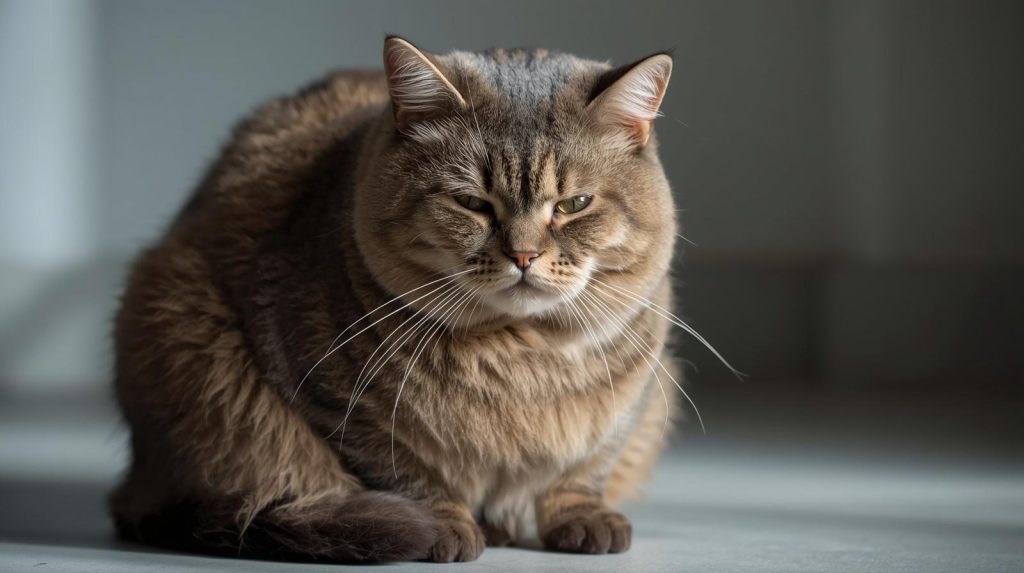

Poor nutrition cat obesity is a serious and increasingly common problem among domestic cats. Although many owners believe they are feeding their pets well, improper diet choices often lead to excessive weight gain.
Because cats rely entirely on their owners for food, even small mistakes can add up over time. As a result, poor feeding habits, low-quality food, and overfeeding contribute to unhealthy weight levels.
Understanding how poor nutrition cat obesity develops allows you to take action early. With the right approach, you can support your cat’s long-term health and prevent avoidable complications.
What Causes Poor Nutrition in Cats
Cats require a balanced diet that supports their carnivorous nature. However, many commercial foods fail to meet these needs.
Low-Quality Ingredients
Many budget cat foods contain fillers such as corn, wheat, and soy. While these ingredients provide calories, they lack essential nutrients.
As a result, cats may eat more to feel satisfied. This pattern contributes to poor nutrition cat obesity over time.
Excessive Carbohydrates
Unlike humans, cats do not process carbohydrates efficiently. Diets high in carbs can lead to fat storage rather than energy use.
Therefore, feeding carb-heavy foods increases the risk of weight gain and metabolic issues.
Inconsistent Feeding Habits
Irregular feeding schedules confuse your cat’s metabolism. Additionally, frequent treats and table scraps add unnecessary calories.
Because of this, inconsistent routines often play a role in poor nutrition cat obesity.
How Obesity Develops from Poor Diet
Weight gain does not happen overnight. Instead, it develops gradually due to an imbalance between calorie intake and energy use.
Calorie Surplus
When cats consume more calories than they burn, excess energy is stored as fat. Over time, this leads to visible weight gain.
Lack of Nutrient Balance
Even if calorie intake seems normal, poor nutrient balance can trigger overeating. Cats may continue eating because their bodies lack essential nutrients.
As a result, poor nutrition cat obesity becomes more likely.
Reduced Activity Levels
Diet and activity are closely linked. Cats fed high-calorie diets often become less active, creating a cycle of weight gain.
Therefore, both diet and lifestyle must be addressed together.
Health Risks Linked to Cat Obesity
Excess weight affects nearly every aspect of a cat’s health. Unfortunately, many owners underestimate these risks.
Diabetes and Metabolic Disorders
Obese cats have a higher risk of developing diabetes. This condition requires ongoing management and can impact quality of life.
Joint and Mobility Issues
Extra weight puts pressure on joints. As a result, cats may experience pain and reduced mobility.
Heart and Respiratory Problems
Fat accumulation affects heart function and breathing. Consequently, obese cats may tire easily and avoid activity.
Because of these risks, addressing poor nutrition cat obesity early is essential.
Signs Your Cat May Be Overweight
Recognizing early signs helps prevent serious health problems.
Look for:
- Difficulty feeling ribs
- Reduced activity or playfulness
- Visible belly sagging
- Shortness of breath during movement
If you notice these signs, it may indicate poor nutrition cat obesity.
The Role of Portion Control
Portion control plays a key role in maintaining a healthy weight. However, many owners unintentionally overfeed their pets.
Understanding Serving Sizes
Always follow feeding guidelines based on your cat’s weight and age. Measuring food accurately prevents overfeeding.
Avoid Free Feeding
Leaving food out all day encourages overeating. Instead, scheduled meals help regulate calorie intake.
Limiting Treats
Treats should make up only a small portion of daily calories. Otherwise, they contribute significantly to weight gain.
By controlling portions, you reduce the risk of poor nutrition cat obesity.
Choosing the Right Diet for Your Cat
Not all cat foods are created equal. Therefore, selecting the right diet is crucial.
High-Protein Diets
Cats thrive on protein-rich diets. These support muscle maintenance and provide sustained energy.
Low-Carbohydrate Options
Reducing carbohydrate intake helps prevent fat storage. Look for foods specifically formulated for feline nutritional needs.
Wet vs. Dry Food
Wet food often contains fewer carbohydrates and more moisture. This can help with weight management and hydration.
Because diet quality matters, improving food choices can reverse poor nutrition cat obesity.
How Feeding Behavior Affects Weight
Feeding habits influence how much and how often your cat eats.
Emotional Feeding
Some owners use food as a way to show affection. However, this can lead to unnecessary calorie intake.
Boredom Eating
Indoor cats may eat out of boredom rather than hunger. Therefore, enrichment activities are essential.
Competition in Multi-Cat Homes
In homes with multiple cats, competition may cause overeating. Monitoring each cat’s intake helps prevent imbalance.
These behaviors contribute to poor nutrition cat obesity if left unchecked.
The Importance of Exercise
Although diet is critical, exercise also plays a vital role in weight management.
Encouraging Daily Activity
Interactive toys, climbing structures, and play sessions keep cats active. Regular movement helps burn calories.
Creating a Stimulating Environment
Provide opportunities for climbing and exploration. This encourages natural behaviors and increases activity levels.
Building a Routine
Consistent playtime supports both physical and mental health. As a result, your cat stays engaged and active.
Combining exercise with proper diet reduces the impact of poor nutrition cat obesity.
Preventing Weight Gain in Cats
Prevention is always easier than treatment. By taking simple steps, you can maintain your cat’s ideal weight.
Establish Healthy Habits Early
Start with proper feeding routines from a young age. Consistency helps regulate metabolism.
Monitor Weight Regularly
Weigh your cat periodically to detect changes early. Small adjustments can prevent larger issues.
Consult Your Veterinarian
Regular checkups ensure your cat’s diet meets its needs. Professional guidance helps avoid mistakes.
By staying proactive, you minimize the risk of poor nutrition cat obesity.
How to Help an Overweight Cat Lose Weight
If your cat is already overweight, gradual changes are key.
Adjust Diet Slowly
Sudden changes can stress your cat. Instead, transition to healthier food gradually.
Increase Activity Levels
Encourage movement through play and environmental enrichment. Even small increases make a difference.
Set Realistic Goals
Weight loss should be gradual. Rapid loss can lead to health complications.
With patience and consistency, you can address poor nutrition cat obesity effectively.
Conclusion: Building a Healthier Future for Your Cat
Poor nutrition cat obesity is preventable with the right knowledge and habits. By understanding how diet affects weight, you can make better choices for your pet.
Because cats depend entirely on their owners, responsible feeding plays a critical role. Balanced nutrition, portion control, and regular activity all contribute to a healthy lifestyle.
Ultimately, addressing poor nutrition cat obesity ensures your cat lives a longer, happier, and more active life. Small changes today can lead to lasting benefits for years to come.
FAQ
1. What is the main cause of weight gain in cats?
The primary cause is an imbalance between calorie intake and activity, often linked to poor diet and overfeeding.
2. Can dry food contribute to weight problems?
Yes, especially if it contains high levels of carbohydrates and is fed in large portions.
3. How often should I feed my cat daily?
Most cats benefit from two measured meals per day rather than constant access to food.
4. Is exercise important for indoor cats?
Absolutely. Regular play helps burn calories and prevents boredom-related overeating.
5. When should I consult a vet about my cat’s weight?
If you notice rapid weight gain or difficulty moving, consult a vet for proper evaluation and guidance.