
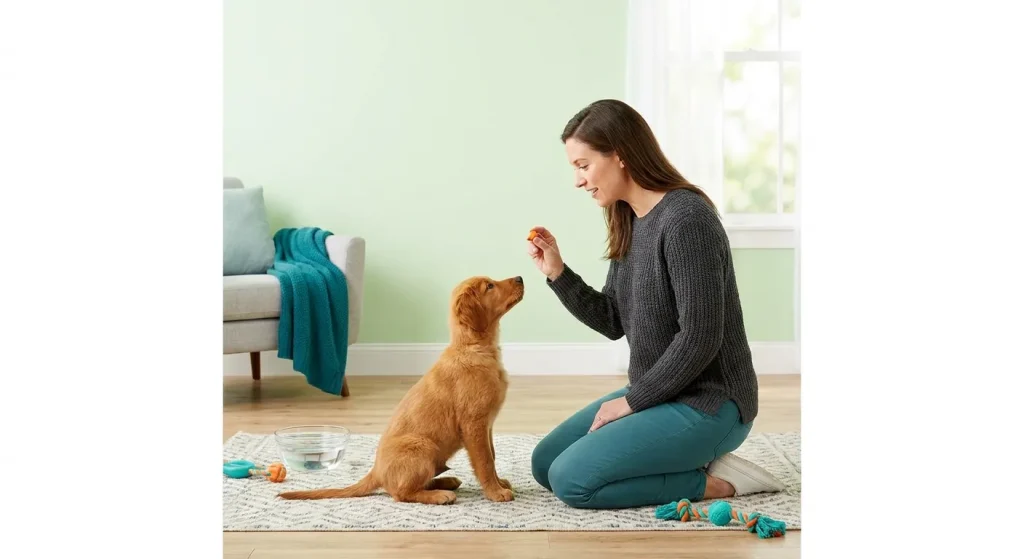

Bringing home a new puppy is an exciting time. Starting early with training new puppy techniques can set the foundation for a well-behaved companion. Effective puppy training isn’t just about obedience; it’s about building a strong bond. Furthermore, it ensures your dog can navigate the world safely and confidently. This comprehensive guide will walk you through essential first steps for successful puppy rearing.
As a new pet owner, you might feel overwhelmed. However, understanding the core principles of early learning makes the process smoother. We will cover everything from basic commands to crucial socialization. Ultimately, this information helps your puppy develop into a happy, well-adjusted adult dog.
The Foundation: Understanding Puppy Behavior
Puppies, much like human toddlers, are constantly learning about their environment. They explore with their mouths and paws. They react to new sights and sounds. Understanding their natural instincts is the first step in effective guidance. For instance, puppies chew to relieve teething pain. They also explore objects. Knowing this helps you provide appropriate chew toys instead of getting frustrated.
Moreover, puppies thrive on routine. Establishing a consistent schedule for feeding, potty breaks, playtime, and sleep is incredibly beneficial. This predictability reduces anxiety. It also helps them learn what to expect. A structured environment is a key component of successful early puppy education.
Positive reinforcement is the cornerstone of all effective puppy instruction. This method focuses on rewarding desired behaviors. It avoids punishment for unwanted actions. For example, if your puppy sits, immediately offer a treat and praise. This positive association makes them more likely to repeat the action. Conversely, scolding or yelling can create fear and damage your bond.
Why Early Intervention Matters
The first few months of a puppy’s life are a critical developmental period. During this time, their brains are like sponges. They absorb information at an incredible rate. Therefore, starting early with basic instruction is incredibly advantageous. Waiting too long can make it harder to correct undesirable habits later on. Early intervention sets your puppy up for a lifetime of good behavior.
Consider house training, for instance. Puppies have small bladders and need frequent potty breaks. By taking them outside often and rewarding them for eliminating there, you teach them appropriate bathroom habits quickly. This proactive approach prevents accidents inside. Consequently, it saves you from cleaning up messes and reinforces good conduct.
Early intervention also applies to nipping and biting. Puppies naturally explore with their mouths. They learn bite inhibition from their littermates. When a puppy bites too hard, another puppy yelps, teaching them to be gentler. You can mimic this by yelping loudly when your puppy bites too hard. Then, withdraw attention for a moment. This teaches them that hard bites end playtime.
Starting with Basic Puppy Commands
Basic commands like ‘sit,’ ‘stay,’ ‘come,’ and ‘down’ are crucial for your puppy’s safety and your peace of mind. Begin teaching these commands in a quiet, distraction-free environment. Use positive reinforcement methods. These include small, high-value treats and enthusiastic praise. Offer them whenever your puppy performs the desired action.
Keep instruction sessions short, typically five to ten minutes. Always end on a positive note. This keeps your puppy engaged and eager for the next session. Consistency is key; everyone in the household should use the same commands and rewards. This prevents confusion for your young dog.
Teaching ‘Sit’
This is often the first command new puppy owners teach. Hold a treat near your puppy’s nose. Slowly move it up and back over their head. As their nose follows the treat, their rear end will naturally lower into a sit. The moment their bottom touches the ground, say ‘Sit!’ and give them the treat and praise. Repeat this several times. Practice in short bursts throughout the day.
Teaching ‘Come’ (Recall)
‘Come’ is a vital command for safety. Start in a small, enclosed area. Get down to your puppy’s level. Use an excited voice and say ‘Come!’ while showing a treat or toy. When your puppy comes to you, reward them immediately with the treat and lots of praise. Never use ‘Come’ to scold your puppy. This could create a negative association. Always make it a positive experience.
Teaching ‘Stay’
Once your puppy understands ‘Sit,’ you can introduce ‘Stay.’ Ask your puppy to sit. Then, hold your hand up like a stop sign and say ‘Stay.’ Take one small step back. If your puppy remains seated, step forward, reward, and release them with a happy ‘Okay!’ Gradually increase the distance and duration. If they move, simply put them back in the ‘sit’ position and try again. Do not scold them.
Teaching ‘Down’
‘Down’ can be a bit trickier than ‘sit.’ Hold a treat in your closed hand. Move it from your puppy’s nose down to the floor, then slowly slide it away from them. Your puppy will likely follow the treat, lowering their body into a down position. As soon as they are down, say ‘Down!’ and give the treat and praise. This command is excellent for calming an excited puppy.
The Importance of Early Socialization
Socialization is arguably as important as obedience instruction. Exposing your puppy to a variety of sights, sounds, people, and other vaccinated dogs during their critical developmental window (typically 3-16 weeks) helps them grow into a confident, friendly adult. This doesn’t mean overwhelming them; rather, it means controlled, positive experiences.
Enroll in a puppy class, arrange supervised playdates, and take your puppy on short, positive outings to different locations. A well-socialized puppy is less likely to develop fear-based aggression or anxiety later in life. Furthermore, they will be more comfortable in various situations, making them a joy to be around.
What Socialization Entails
Socialization means introducing your puppy to new things in a positive way. This includes different types of people (men, women, children, people with hats or glasses), various sounds (vacuum cleaners, doorbells, traffic), and different environments (parks, pet stores, vet clinics for happy visits). Always ensure these experiences are positive and calm. Never force your puppy into a situation where they are clearly fearful.
Exposure to other well-behaved, vaccinated dogs is also crucial. Puppy playdates and puppy classes provide safe opportunities for this interaction. These interactions teach puppies appropriate canine communication. They also help them learn bite inhibition through play. Always supervise these interactions closely to ensure they remain positive.
Addressing Common Puppy Training Challenges
Even with the best intentions, you might encounter some common challenges when training new puppy. Understanding these issues and how to address them effectively will make the process smoother. Remember, patience and consistency are your most valuable tools.
Potty Training Accidents
Accidents happen, especially with young puppies. The key is to prevent them as much as possible. Take your puppy out frequently: first thing in the morning, after waking from naps, after eating and drinking, before bedtime, and every 1-2 hours in between. Reward them lavishly when they go outside. If an accident occurs indoors, clean it thoroughly with an enzymatic cleaner to remove odors that might attract them back to the same spot. Never punish your puppy for an indoor accident; they won’t understand why they are being punished and it can damage your bond.
Nipping and Biting
As mentioned, nipping is a natural puppy behavior. It’s how they explore and play. To teach bite inhibition, yelp loudly when your puppy bites too hard. Immediately stop playing and ignore them for 10-20 seconds. This teaches them that hard bites end the fun. Offer appropriate chew toys as alternatives. If the nipping is excessive, consider redirecting them to a toy every time they try to mouth you. Consistency is crucial for this aspect of puppy instruction.
Jumping Up
Puppies often jump up to greet people or get attention. While cute when they’re small, it can become a problem as they grow. To stop jumping, turn your back and ignore your puppy the moment they jump. As soon as all four paws are on the floor, turn around and calmly greet them. Reward them for keeping their paws on the ground. You can also teach an alternative behavior, like ‘sit’ for greetings. This gives them something else to do instead of jumping.
Advanced Steps for Your Growing Puppy
Once your puppy has mastered basic commands and is well-socialized, you can move on to more advanced steps. This continuous learning reinforces good behavior. It also strengthens your bond further. Continued instruction is a lifelong journey with your dog.
Leash Training
Introducing the leash and collar early is important. Let your puppy wear a lightweight collar for short periods, gradually increasing the time. Once they are comfortable with the collar, attach a leash and let them drag it around indoors under supervision. This helps them get used to the feeling. When walking, use positive reinforcement to encourage loose-leash walking. Avoid pulling or jerking the leash, as this can be uncomfortable and counterproductive. Instead, reward your puppy for walking nicely beside you. This training new puppy skill is essential for safe outings.
Crate Training
Crate training can be incredibly beneficial for puppies. It provides a safe, secure den for them. It also aids in house training and prevents destructive behavior when you can’t supervise them. Introduce the crate gradually. Make it a positive place by feeding meals inside and offering special treats or toys only used in the crate. Never use the crate as punishment. The goal is for your puppy to view their crate as a comfortable retreat. For more details on this, you might find resources like the Humane Society’s guide to crate training helpful.
Continued Socialization and Exposure
Socialization isn’t a one-time event; it’s an ongoing process. Continue to expose your adolescent dog to new people, places, and experiences. Enroll in advanced obedience classes or dog sports like agility. This provides mental and physical stimulation. It also keeps their social skills sharp. Regular positive exposure helps maintain their confidence and good manners. Remember, ongoing positive experiences are key for a well-adjusted companion. This applies to all aspects of training new puppy behaviors.
The Benefits of Professional Puppy Classes
While DIY instruction is valuable, professional puppy classes offer unique benefits. These classes provide a structured environment for learning. They also offer opportunities for supervised socialization with other puppies and people. A certified professional dog trainer can identify and address specific behavioral issues you might be facing.
Furthermore, puppy classes are a great way for you to learn more about canine behavior. Trainers can teach you effective communication techniques. They can also offer guidance on how to continue your puppy’s education at home. The skills learned in a class extend beyond obedience. They build a foundation for a happy, harmonious relationship with your dog. You can find reputable trainers through organizations like the Association of Professional Dog Trainers.
Building a Lifelong Bond
Ultimately, training new puppy is about building a strong, trusting relationship. Every positive interaction, every successful command, and every shared experience strengthens the bond between you and your canine companion. Be patient, be consistent, and most importantly, be kind. Your puppy looks to you for guidance and security. By investing time and effort into their early education, you are setting them up for a lifetime of happiness and good behavior. This commitment to their development will be rewarded with an amazing, well-adjusted family member. The journey of training new puppy is incredibly rewarding for both of you.
Remember that every puppy is an individual. Some may learn faster than others. Adjust your pace and methods to suit your puppy’s personality and learning style. Celebrate small victories and don’t get discouraged by setbacks. With dedication, you will successfully guide your new puppy into becoming a cherished and well-mannered member of your family. This comprehensive approach to training new puppy techniques ensures a happy future.
Conclusion
Bringing a new puppy into your home is an exciting and fulfilling experience. By prioritizing early instruction and comprehensive socialization, you lay the groundwork for a well-behaved and confident adult dog. Focus on positive reinforcement, consistency, and patience. These are the cornerstones of effective puppy rearing. From mastering basic commands like ‘sit’ and ‘come’ to navigating the world with confidence, your efforts in training new puppy will yield lasting rewards. Embrace this journey with your furry friend, and enjoy watching them grow into a beloved family member. The commitment to training new puppy behaviors truly pays off.
FAQ:
When should I start teaching my puppy?
You should start teaching your puppy as soon as you bring them home, typically around 8 weeks of age. Early exposure to basic commands and socialization experiences during their critical developmental window (3-16 weeks) is highly beneficial. This helps them learn quickly and adapt to their new environment.
What are the most important commands to teach a young dog?
The most important commands to teach your young dog are ‘sit,’ ‘come,’ ‘stay,’ ‘down,’ and ‘leave it.’ These commands are crucial for their safety, your peace of mind, and for establishing clear communication between you and your pet. Recall (‘come’) is especially vital for off-leash safety.
How long should my puppy’s instruction sessions be?
Keep your puppy’s instruction sessions short and frequent, typically 5-10 minutes each. Puppies have short attention spans. Ending sessions on a positive note, before they get bored or frustrated, keeps them engaged and eager to learn more. You can have several short sessions throughout the day.
How can I properly socialize my young dog?
Proper socialization involves safely exposing your young dog to a variety of sights, sounds, people, and other vaccinated dogs in positive, controlled ways. This includes puppy classes, supervised playdates, and short, positive outings to different environments. Always ensure experiences are calm and never force your puppy into fearful situations.
What if my puppy isn’t learning?
If your puppy isn’t learning, first assess your methods. Are you being consistent? Are your rewards high-value enough? Are sessions too long or too distracting? Sometimes, a puppy might just need more time or a different approach. If you’re still struggling, consider consulting a professional certified dog trainer. They can provide personalized guidance and help identify any underlying issues, making the process of puppy instruction smoother.
Is punishment effective for puppy behavior?
Punishment is generally not effective and can be detrimental to your puppy’s development and your relationship. It can cause fear, anxiety, and aggression. Instead, focus on positive reinforcement methods, which involve rewarding desired behaviors. This teaches your puppy what you want them to do rather than punishing them for what you don’t want. Redirect unwanted behaviors to appropriate alternatives and reward the correct choice. For example, if they chew furniture, give them an appropriate chew toy and praise them for using it.