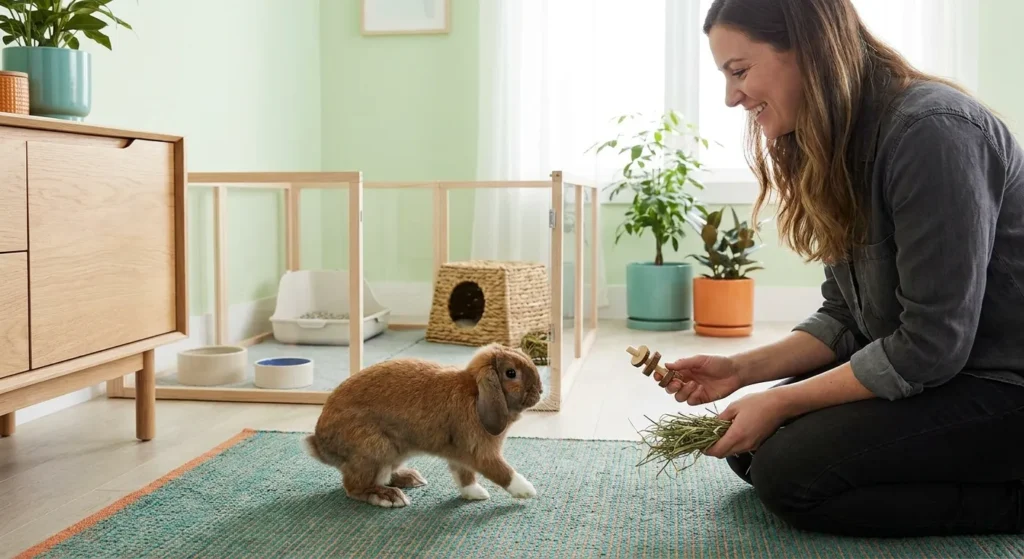

Bringing a rabbit into your home means welcoming an intelligent, social, and affectionate companion. With the increasing trend of diverse pet ownership, especially with smaller pets thriving in urban environments, rabbits are gaining recognition as cherished indoor family members. To ensure your new friend flourishes, a comprehensive indoor rabbit care guide is essential. This guide will help you understand their unique needs, from their living space to their diet and emotional well-being, reflecting the humanization trend in pet care where pets are treated as full-fledged family members seeking the best possible care.
Housing Your Indoor Rabbit: More Than Just a Hutch
Unlike their outdoor counterparts, indoor rabbits require a safe, stimulating environment that protects them from predators and extreme weather. Given the trend towards smaller living spaces, ensuring adequate room for your bunny is paramount.
Space and Safety Considerations for Your Bunny
Your rabbit needs ample space to roam, play, and stretch. A large exercise pen (at least 4×4 feet) or a dedicated rabbit-proofed room is ideal. Furthermore, ensure the area is free from electrical cords, toxic plants, and small objects they might ingest. Rabbits are curious explorers, so constant supervision or a secure enclosure is vital for their safety. For more insights on securing your home, consider our Essential Pet Proofing: Making Your Home Safe for a New Companion. Therefore, careful preparation of their environment is crucial.
Litter Training Your Indoor Rabbit
Believe it or not, rabbits can be litter trained! Provide a litter box filled with paper-based litter (never clay or clumping) in a corner where they naturally choose to relieve themselves. Consistency and positive reinforcement are key to success. In fact, many rabbits quickly adapt to using a litter box, simplifying their care routine significantly.
Personalized Nutrition: Fueling Your Bunny’s Health
The focus on wellness and prevention in pet care extends to rabbits, with a strong emphasis on personalized nutrition. A proper diet is the cornerstone of a rabbit’s health, impacting everything from their digestion to their dental health. Moreover, understanding their specific dietary needs can prevent many common health issues.
Hay, Pellets, and Fresh Greens for Optimal Health
Unlimited access to high-quality timothy or orchard hay is crucial for a rabbit’s digestive system and to wear down their continuously growing teeth. Pellets should be a limited part of their diet (about 1/4 cup per 6 lbs of body weight), and fresh, dark leafy greens (like romaine lettuce, parsley, cilantro) should be offered daily in moderation. Avoid iceberg lettuce and sugary treats. For further details on healthy eating, review our Nutrition for Healthy Pets: A Guide to Optimal Diets.
Avoiding Harmful Foods for Rabbits
Many human foods are toxic or unhealthy for rabbits. Specifically, steer clear of chocolate, avocado, fruit seeds, and sugary processed foods. Always research new foods before offering them to your bunny to prevent health issues. Consequently, a responsible approach to their diet is fundamental to their well-being.
Enrichment and Mental Well-being for Your Bunny
Just like dogs and cats, rabbits benefit greatly from mental stimulation and enrichment. Addressing their mental health and preventing boredom is a significant trend in modern pet care. Indeed, a mentally stimulated rabbit is a happier and healthier rabbit.
Toys and Playtime for Happy Rabbits
Rabbits love to chew, dig, and explore. Provide a variety of safe toys such as cardboard tubes, untreated wood blocks, and willow balls. Furthermore, rotate toys regularly to keep them interested. Daily playtime outside their enclosure is also vital for exercise and mental stimulation. For more ideas, explore Enriching Your Pet’s Environment: Toys, Play, and Mental Stimulation.
Social Interaction and Companionship
Rabbits are social animals and thrive on interaction. Spend time petting, talking, and playing with your bunny daily. If possible, consider adopting a bonded pair, as rabbits often do best with a companion of their own species. Nevertheless, even solitary bunnies need plenty of human attention.
Health and Hygiene: Keeping Your Rabbit Thriving
Maintaining your rabbit’s health involves regular checks and understanding common ailments. Prevention is always better than cure, and a proactive approach ensures your bunny enjoys a long, healthy life. Therefore, a good indoor rabbit care guide emphasizes routine health practices.
Grooming Essentials for Your Rabbit
Rabbits are meticulous groomers, but they still need human assistance, especially during shedding seasons. Regular brushing helps prevent hairballs, which can be life-threatening. Additionally, occasional nail trims are necessary to prevent overgrowth and discomfort. Similarly, ear checks are important to spot any signs of infection. Our Grooming Your Pet: Essential Tips for Health and Hygiene article offers broader advice.
Recognizing Common Health Issues
Rabbits are prey animals and often hide signs of illness. Therefore, it’s crucial to be vigilant for subtle changes in behavior, appetite, or litter box habits. Common issues include dental problems, digestive stasis, and respiratory infections. If you notice any concerning symptoms, consult a rabbit-savvy veterinarian immediately. For general understanding of pet health, refer to Common Pet Health Problems: What Every Owner Should Know.
Regular Vet Check-ups
Annual veterinary check-ups are essential for preventative care. A vet experienced with rabbits can provide vaccinations, dental checks, and general health assessments. This proactive approach ensures early detection and treatment of potential health problems. Specifically, finding a vet with exotic pet expertise is highly recommended.
Creating a Safe and Stimulating Environment: The Ultimate Indoor Rabbit Care Guide
Transforming your home into a bunny paradise requires thoughtful planning. Beyond just a cage, consider their entire living space as an extension of their natural behaviors and needs. This holistic approach is a cornerstone of any effective indoor rabbit care guide.
Rabbit-Proofing Your Home: A Detailed Look
Rabbits are natural chewers and diggers. Consequently, it’s vital to protect both your home and your bunny. Cover all electrical cords, block off unsafe areas, and remove toxic houseplants. Furthermore, provide plenty of safe chew toys to redirect their natural instincts. This proactive measure prevents accidents and damage.
Temperature and Environment Control
Rabbits are sensitive to extreme temperatures. They thrive in a cool, consistent environment, ideally between 60-70°F (15-21°C). Avoid direct sunlight, drafts, and overly humid conditions. In addition, ensure good ventilation in their living area. Therefore, careful consideration of their environment contributes significantly to their comfort.
Understanding Rabbit Behavior: A Deeper Dive
To truly provide the best care, it’s helpful to understand your rabbit’s unique communication and behaviors. This knowledge allows you to respond appropriately and build a stronger bond with your companion. Indeed, this is a crucial aspect of any comprehensive indoor rabbit care guide.
Decoding Bunny Language
Rabbits communicate through a variety of body language cues. For example, a