
[be_published_modified_date]
Grooming Your Pet: Essential Tips for Health and Hygiene
Regular grooming your pet is more than just about keeping them looking good; it’s a vital part of their overall health and hygiene. Consistent grooming practices can prevent skin issues, detect health problems early, and strengthen the bond between you and your companion. From brushing to bathing, here are essential tips for maintaining your pet’s well-being.
Brushing: More Than Just Untangling
Regular brushing is fundamental, regardless of your pet’s fur length. For long-haired breeds, daily brushing prevents mats and tangles. These can be painful and lead to skin infections. For short-haired pets, brushing removes loose fur, dirt, and dead skin cells. This reduces shedding and promotes a healthy coat sheen. It also stimulates blood flow and helps distribute natural oils. Use the right brush for your pet’s coat type. Slicker brushes, deshedding tools, or rubber mitts all serve different purposes. Brushing sessions are also an excellent opportunity to check for fleas, ticks, lumps, or skin irritations.
Bathing and Nail Trims: Essential Hygiene
Bathing frequency depends on your pet’s breed, activity level, and skin condition. Over-bathing can strip natural oils, leading to dry skin. Too little, conversely, can cause odor and skin problems. Always use pet-specific shampoos, as human products can irritate their skin. Ensure thorough rinsing to prevent residue buildup. Nail trims are equally important. Overgrown nails can cause pain, affect gait, and even lead to infections. Introduce nail trimming early and make it a positive experience with treats. If you’re unsure, your vet or a professional groomer can demonstrate the correct technique.
Understanding Your Pet’s Coat Type
Different pets have different coat needs. For instance, dogs with double coats, like Huskies or Samoyeds, require specific deshedding tools to manage their dense undercoat. On the other hand, a short-haired cat might only need a weekly brush with a rubber mitt. Knowing your pet’s specific coat type is the first step in effective pet grooming. Researching your breed’s typical grooming requirements will help you choose the correct tools and frequency. Furthermore, understanding the nuances of their fur will make the process more comfortable for them.
The Importance of Ear Cleaning
Ear cleaning is a crucial, yet often overlooked, aspect of proper pet care. Many pets, especially those with floppy ears, are prone to ear infections. Moisture and debris can easily get trapped. Regularly checking your pet’s ears for redness, odor, or discharge is important. Use a veterinarian-approved ear cleaner and cotton balls. Never insert anything deep into the ear canal. If you notice any signs of infection, consult your vet immediately. Keeping ears clean helps prevent discomfort and more serious health issues.
Dental Care: Beyond Fresh Breath
Just like humans, pets need good dental hygiene. Dental disease is incredibly common in pets and can lead to serious health problems, including heart and kidney issues. Brushing your pet’s teeth regularly with pet-specific toothpaste and a soft brush is highly recommended. Introduce this practice slowly and positively. Dental chews and professional dental cleanings by your vet also play a significant role. Maintaining good oral health significantly contributes to your pet’s overall well-being. Therefore, make dental care a regular part of their routine.
Paw Care: Protecting Those Paws
Your pet’s paws endure a lot, from hot pavement to rough terrain. Regular paw care is essential for their comfort and mobility. This includes checking for cuts, cracks, or foreign objects embedded between their paw pads. Trimming the hair between pads can prevent matting and improve traction. Moisturizing dry paw pads with pet-safe balm can also be beneficial. In winter, consider protective booties to shield paws from ice and salt. Healthy paws mean a happy, active pet. Regular inspection is key.
The Benefits of Professional Grooming
While home grooming is vital, professional grooming offers additional benefits. Professional groomers have specialized tools and expertise. They can handle difficult coats, perform intricate trims, and identify potential health issues you might miss. They are also adept at managing anxious pets. For certain breeds, especially those with complex grooming needs, regular visits to a professional are invaluable. They ensure your pet receives comprehensive care, from specialized cuts to thorough de-shedding treatments. Consequently, this keeps your furry friend looking and feeling their best.
Creating a Positive Grooming Experience
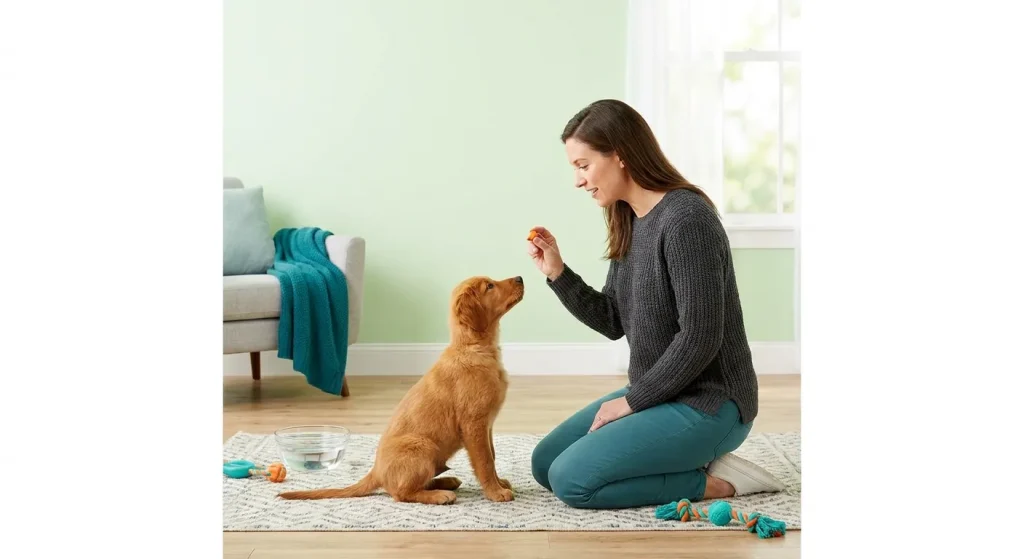
For many pets, grooming can be a stressful experience. Making it positive is crucial. Start grooming practices early in your pet’s life. Use treats, praise, and gentle handling. Keep sessions short initially and gradually increase duration. Avoid scolding or forcing your pet. If they show signs of distress, take a break. Consistency and patience are key. A positive association with grooming tools and procedures will make future sessions much easier. Furthermore, a calm environment helps immensely. A relaxed pet is more cooperative. Therefore, always approach grooming with kindness and understanding. This makes grooming your pet a bonding experience.
Recognizing Skin and Coat Changes
Your pet’s skin and coat are excellent indicators of their overall health. Changes in texture, excessive shedding, dryness, oiliness, or the appearance of rashes or lumps can signal underlying health issues. During your regular grooming sessions, pay close attention to these details. Any unusual changes warrant a visit to your veterinarian. Early detection of problems often leads to more effective treatment. Regular physical checks are a significant advantage of consistent pet grooming. This vigilance is part of responsible pet ownership. Hence, observing these changes is paramount.
Choosing the Right Grooming Products
The market is flooded with pet grooming products. Choosing the right ones is essential for your pet’s health. Always opt for pet-specific shampoos, conditioners, and brushes. Human products can upset their skin’s pH balance. Consider products formulated for sensitive skin if your pet has allergies. Hypoallergenic options are widely available. When selecting brushes, match them to your pet’s coat type and length. A good quality deshedding tool can significantly reduce shedding. Reading reviews and consulting your vet or groomer can help you make informed choices. High-quality products make the task of grooming your pet much easier and more effective. For more information on choosing safe products, check out resources like the ASPCA’s guide to dog grooming.
Nutrition’s Role in Coat Health
A shiny, healthy coat starts from within. Your pet’s diet plays a critical role in the condition of their skin and fur. A high-quality diet rich in essential fatty acids, vitamins, and minerals supports a strong, vibrant coat. Look for pet foods that list omega-3 and omega-6 fatty acids. These contribute to skin hydration and reduce inflammation. If your pet has a dull coat or dry skin, consult your vet about dietary supplements. Sometimes, a simple change in food can dramatically improve their appearance. Therefore, prioritize good nutrition for optimal coat health. A well-nourished pet will have a healthier, more manageable coat, making the process of grooming your pet much simpler.
Dealing with Shedding Effectively
Shedding is a natural process for most pets, but it can be frustrating for owners. Effective shedding management involves regular brushing with the right tools. Deshedding brushes, like a Furminator, can remove a significant amount of loose undercoat. Regular baths can also help release dead fur. For extreme shedding, a professional groomer can offer specialized deshedding treatments. Vacuuming frequently and using lint rollers are also practical ways to manage pet hair in your home. Understanding your pet’s shedding cycle can help you anticipate and prepare for heavier shedding periods. This proactive approach makes dealing with pet hair more manageable. Ultimately, consistent effort will minimize the impact of shedding. This is a key part of maintaining a clean home and a healthy pet.
Seasonal Grooming Adjustments
Grooming needs can change with the seasons. In warmer months, some pets may benefit from shorter haircuts to stay cool, though certain breeds require their double coat for insulation. Increased outdoor activity might mean more frequent baths or paw checks. During colder months, dry air can lead to dry skin, so moisturizing shampoos might be helpful. Adjusting your grooming routine to the season ensures your pet remains comfortable and healthy year-round. For example, checking for ticks becomes more critical in spring and summer. Similarly, protecting paws from ice and salt is vital in winter. Adapting your approach to grooming your pet according to the weather is a smart strategy. For further reading on seasonal care, consider visiting the AKC’s seasonal grooming tips.
Incorporating these practices into your routine makes grooming your pet a positive experience for both of you. It’s an investment in their health, comfort, and happiness, ensuring they remain a clean, vibrant, and cherished member of your family. Consistent care, attention to detail, and a loving approach will strengthen your bond and ensure your companion thrives. Remember, healthy grooming habits contribute to a longer, happier life for your beloved animal.
FAQ
What are the benefits of regular animal grooming?
Regular animal grooming offers numerous benefits, including preventing skin issues like mats and infections, early detection of health problems such as lumps or parasites, and promoting a healthy coat and skin. It also strengthens the bond between you and your companion and can reduce shedding in your home.
How often should I bathe my pet?
Bathing frequency varies greatly depending on your pet’s breed, activity level, and skin condition. Some pets may need a bath every few weeks, while others might only need one every few months. Over-bathing can strip natural oils, so always use pet-specific shampoos and consult your vet if you’re unsure.
What tools do I need for basic pet care?
For basic pet care, you’ll need a suitable brush for your pet’s coat type, pet-specific shampoo, nail clippers, and potentially an ear cleaner. Depending on your pet, a deshedding tool, dental brush, and toothpaste might also be necessary. Always choose tools appropriate for your pet’s size and breed.
Is professional pet grooming worth it?
Professional pet grooming can be highly beneficial, especially for breeds with complex coat needs or pets that are difficult to groom at home. Groomers have specialized equipment and expertise to handle various coat types, perform intricate trims, and identify potential health issues. It ensures comprehensive care and can save you time and effort.
How can I make grooming more enjoyable for my companion animal?
To make caring for your companion animal more enjoyable, start grooming early in their life, use positive reinforcement like treats and praise, and keep sessions short initially. Be gentle, avoid forcing them, and create a calm environment. Consistency and patience will help them associate grooming with a positive experience.