
[be_published_modified_date]
Bringing a new pet home is an exciting time, filled with anticipation and joy. However, before your new furry, feathered, or scaled friend arrives, it’s crucial to ensure your living space is safe and secure. Just like baby-proofing for a child, effective pet proofing your home will prevent accidents, protect your belongings, and create a stress-free environment for everyone. A little preparation goes a long way in ensuring a happy and healthy start for your new companion.
Understanding Your Pet’s Perspective: Why Pet Proofing Matters
Pets, especially young ones, explore the world with their mouths and paws. Their natural curiosity can lead them into dangerous situations if your home isn’t prepared. For instance, a curious puppy might chew on electrical cords. Similarly, a playful kitten could swallow a small object. Therefore, understanding potential hazards from their viewpoint is the first step in creating a safe haven. This proactive approach helps prevent costly vet visits and heartbreaking emergencies. Moreover, it allows your new family member to settle in comfortably and safely.
Different types of pets have unique safety considerations. For example, a bird might be at risk from open windows or ceiling fans. On the other hand, a reptile needs specific temperature controls and secure enclosures. Considering your specific pet’s needs is vital for effective home preparation. This guide will cover general pet safety measures applicable to most animals. However, always research breed-specific or species-specific hazards. By doing so, you ensure a truly tailored safe environment. Ultimately, a well-prepared home fosters a happier, healthier pet.
Kitchen & Bathroom Safety: Guarding Against Common Hazards
The kitchen and bathroom often contain some of the most common household hazards for pets. Start by securing all cabinets and drawers. Specifically, focus on those containing cleaning supplies, medications, and toxic foods. Examples of toxic foods include chocolate, onions, and grapes. Consider childproof latches for added security. Always keep trash cans lidded and preferably in a secure cabinet. Curious pets love to rummage, and trash can contain harmful items. Furthermore, ensure toilet lids are kept down. This prevents small pets from falling in or drinking chemically treated water. Remove any accessible small items that could be swallowed. These might include dental floss, razor blades, or bottle caps. Many common household cleaners are extremely dangerous if ingested. Therefore, store them on high shelves or in locked cabinets. Even seemingly harmless items like rubber bands or hair ties can cause intestinal blockages. Consequently, keeping these items out of reach is paramount. Remember, a thorough sweep of these rooms is an essential part of pet proofing your home.
Living Areas & Bedrooms: Electrical and Choking Dangers
In living areas and bedrooms, focus on electrical safety and potential choking hazards. Tidy up loose electrical cords. Consider using cord protectors or hiding them behind furniture. This prevents chewing, which can lead to electrocution or fire. Small items like coins, buttons, jewelry, or even small children’s toys can be easily ingested. Therefore, keep them out of reach. Check your houseplants; many common varieties are toxic to pets. Research safe alternatives or place toxic plants in inaccessible spots. Be mindful of window blind cords, which can pose a strangulation risk. Secure them high up, well out of your pet’s reach. Store medications, cosmetics, and personal care products in secure, closed containers. Pets are often attracted to the smell of human products. For instance, some dogs might try to eat toothpaste. Cats, meanwhile, might play with pill bottles. Furniture can also pose risks. Recliner mechanisms, for example, can trap small animals. Consider blocking access to these areas when unsupervised. Additionally, ensure all decorative items are stable and cannot be easily knocked over. This includes vases, lamps, and sculptures. Ultimately, creating a safe living space requires vigilance. Proper pet proofing your home in these areas ensures peace of mind.
Outdoor Spaces: Extending Pet Safety Beyond the Walls
If your pet will have access to outdoor areas, pet proofing your home extends beyond the interior. Check your fence for any gaps or weak spots where a pet could escape. Ensure gates are secure and latched. Store garden chemicals, fertilizers, and pest control products in a locked shed or garage. Certain plants and flowers are toxic to pets; identify and remove them, or create barriers. For example, lilies are highly toxic to cats. Azaleas and rhododendrons are dangerous for dogs. If you have a pool, consider a safety cover or fence to prevent accidental drownings. This is especially important for smaller animals or those not accustomed to water. Furthermore, inspect your yard for sharp objects or debris. Nails, broken glass, or even small rocks can injure paws. Ensure any outdoor furniture is stable and doesn’t pose a tipping hazard. Consider using pet-safe lawn treatments. Many common pesticides can be harmful if ingested. Always provide fresh water outdoors, especially in warm weather. Finally, be aware of local wildlife. Some animals carry diseases or can pose a threat to pets. For more information on toxic plants, visit the ASPCA’s list of toxic and non-toxic plants. Proper outdoor preparation is just as vital as indoor safety.
Creating a Pet-Friendly Environment: Beyond Hazard Removal
While removing hazards is crucial, creating a truly pet-friendly environment goes further. It involves providing designated safe spaces and enriching activities. For instance, a comfortable bed or crate gives your pet a personal sanctuary. This is especially important during the initial adjustment period. Furthermore, provide appropriate toys to satisfy chewing instincts. This redirects their attention away from furniture or electrical cords. Puzzle toys can keep them mentally stimulated. This reduces boredom, which often leads to destructive behaviors. Additionally, ensure easy access to fresh water bowls throughout your home. Proper hydration is key to a pet’s health. Consider a pet-specific first-aid kit. This allows you to handle minor injuries promptly. Knowing basic pet first aid can be incredibly helpful in emergencies. For detailed first aid tips, consult resources like the American Red Cross’s Pet First Aid guide. Regular exercise and training also contribute to a well-adjusted pet. A tired pet is often a well-behaved pet. Therefore, incorporate daily walks or playtime into your routine. This comprehensive approach ensures both safety and well-being. It’s an integral part of successfully pet proofing your home.
Specific Considerations for Different Types of Pets
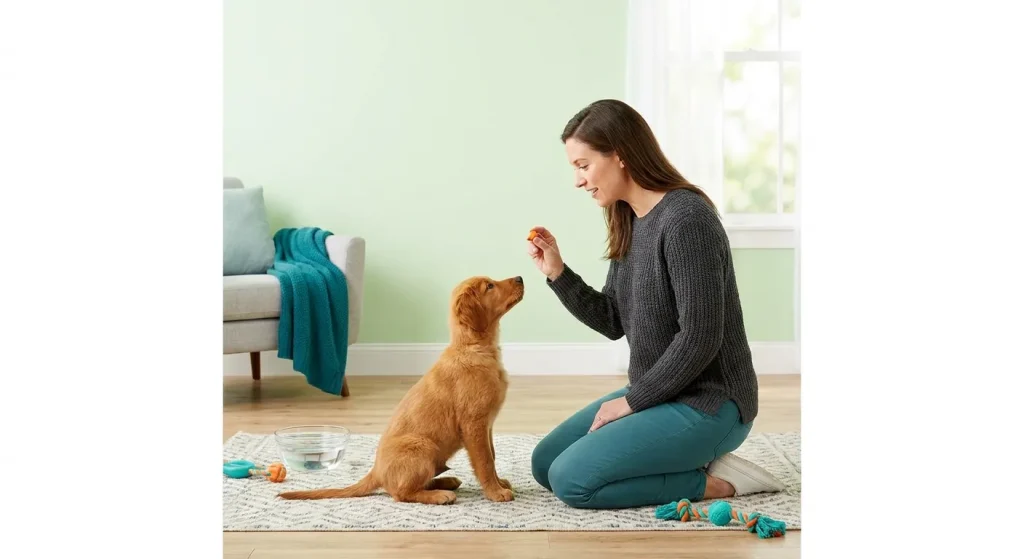
The term ‘pet’ encompasses a vast array of animals, each with unique needs when it comes to home safety. When you are pet proofing your home, it’s important to tailor your efforts. For example, if you’re bringing home a new puppy, focus heavily on chewing hazards. Puppies explore with their mouths and will gnaw on almost anything. This includes shoes, furniture legs, and electrical cords. Therefore, puppy-proofing involves securing these items or making them inaccessible. Consider bitter apple sprays for items you can’t move. These sprays deter chewing. For kittens, however, vertical spaces become important. They love to climb, so ensure shelves are stable. Also, check for small spaces they might get stuck in. This includes behind appliances or inside cabinets. Cats are also notorious for playing with string or yarn. These items can cause severe internal damage if ingested. Therefore, keep them completely out of reach.
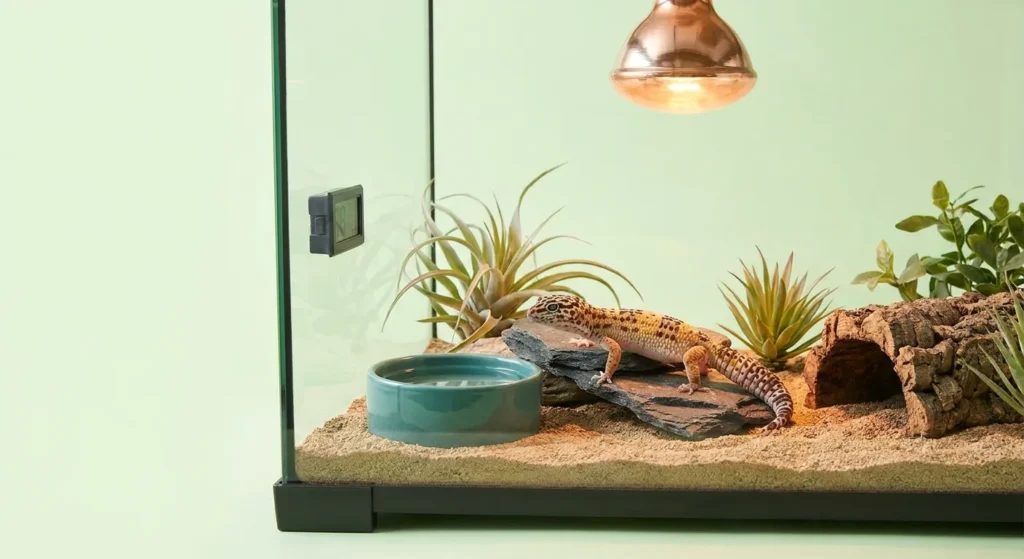
Bird owners face different challenges. Birds are sensitive to airborne toxins. This includes fumes from non-stick cookware, aerosols, and scented candles. Ensure your home is well-ventilated. Avoid using these products in rooms where your bird resides. Additionally, open windows can be a major escape route. Ceiling fans also pose a significant danger. Always be mindful of your bird’s location. For small animals like hamsters, guinea pigs, or rabbits, their enclosures are paramount. Ensure cages are secure and free from sharp edges. Prevent access to electrical cords, as these animals love to chew. They can also squeeze into surprisingly small gaps. Therefore, supervise them closely during playtime outside their cage. For reptiles and amphibians, maintaining proper temperature and humidity is critical. Their enclosures must be escape-proof. Many household items, like certain cleaning products, can be highly toxic to them. Always use pet-safe cleaners around their habitats. Understanding these species-specific needs is a vital component of comprehensive pet safety. It ensures that your efforts to prepare your home are truly effective. This nuanced approach to safety guarantees a secure environment for every type of companion. It goes far beyond general recommendations and truly customizes the safety measures. This thoroughness is what makes your home genuinely safe.
The Ongoing Process of Maintaining a Safe Environment
Pet proofing your home isn’t a one-time task; it’s an ongoing process. As your pet grows and matures, their curiosity and capabilities change. A puppy might chew everything, while an adult dog might be more interested in counter-surfing. Regularly reassess your home for potential hazards. What was safe for a small kitten might not be safe for a mischievous adult cat. For example, a cat might suddenly learn to open cabinets. Therefore, periodically check latches and secure items. Keep up with home maintenance. Loose floorboards or torn screens can become escape routes or injury hazards. Always be vigilant about new items brought into the home. Gifts, groceries, or new furniture can introduce unforeseen dangers. Instilling good habits in your pet also helps. Training them to ‘leave it’ or ‘drop it’ can prevent them from ingesting harmful items. Consistent training reinforces boundaries. This makes your home safer for everyone. Furthermore, educate all family members. Everyone in the household should understand the importance of keeping certain items out of reach. This includes children, who might accidentally leave small toys accessible. Regularly review your pet’s favorite play areas. Look for wear and tear on toys or bedding that could expose hazards. For instance, a torn toy might reveal stuffing that could be swallowed. Staying proactive and observant ensures long-term safety. This continuous effort guarantees a secure living space for your beloved companion throughout their life. Therefore, make pet safety a regular consideration, not just a one-off event.
Conclusion
A thorough pet-proofing session before your new companion arrives can save you from potential headaches and heartbreaking emergencies. By proactively addressing common hazards in and around your home, you’ll create a safe, welcoming, and secure environment. This allows your new pet to explore and thrive without undue risk. Your peace of mind, and your pet’s safety, are well worth the effort. Remember, pet proofing your home is a commitment to their well-being. It shows your dedication to providing a loving and secure forever home. Welcome your new family member with confidence, knowing you’ve taken every step to keep them safe.
FAQ: How do I start making my house safe for a new pet?
Begin by surveying your home from a pet’s eye level. Identify potential hazards like loose electrical cords, toxic plants, and small items that could be swallowed. Secure cabinets, trash cans, and medications. This initial sweep is crucial.
FAQ: What are common household items that are dangerous for pets?
Many common items pose risks. These include certain human foods (chocolate, grapes, onions), cleaning supplies, medications, small objects (coins, buttons), and many houseplants. Always research specific items if you are unsure.
FAQ: How can I protect my furniture and belongings during new pet adjustment?
Provide plenty of appropriate toys and scratching posts to redirect chewing or scratching behavior. Use pet gates to restrict access to certain areas initially. Consider deterrent sprays for furniture you wish to protect.
FAQ: Is child-proofing the same as preparing my home for a pet?
While there are similarities, pet preparation has unique considerations. Pets can access smaller spaces, chew through different materials, and react differently to various substances. Always tailor your efforts specifically for pet safety.
FAQ: How often should I re-evaluate my home’s safety for my pet?
It’s wise to re-evaluate your home’s safety periodically, especially as your pet grows or if you introduce new items into your living space. What’s safe for a puppy might not be for an adult, and vice-versa.