
Best bird cages parakeets is the focus of this guide. Choosing the right habitat for your parakeet is one of the most important decisions you’ll make as a bird owner. A good cage provides security, comfort, and space for your feathered friend to thrive. To ensure your parakeet lives a happy and healthy life, it’s essential to invest in one of the best bird cages for parakeets that meets their specific needs. This guide will help you navigate the options and make an informed choice.
Top Considerations When Choosing a Parakeet Cage
When selecting a parakeet cage, several factors are crucial. First and foremost is size: parakeets, though small, need ample space to fly, climb, and play. A cage should be at least 18x18x18 inches for a single parakeet, but larger is always better, especially for multiple birds. Bar spacing is another critical element; it should be no more than 1/2 inch to prevent your bird from escaping or getting stuck. Material safety is paramount; look for cages made from non-toxic, bird-safe materials like powder-coated steel. Avoid cages with zinc or lead, which can be poisonous. Finally, consider ease of cleaning. Cages with pull-out trays and wide access doors make daily maintenance much simpler, promoting a hygienic environment for your bird.
Recommended Cages for Parakeets
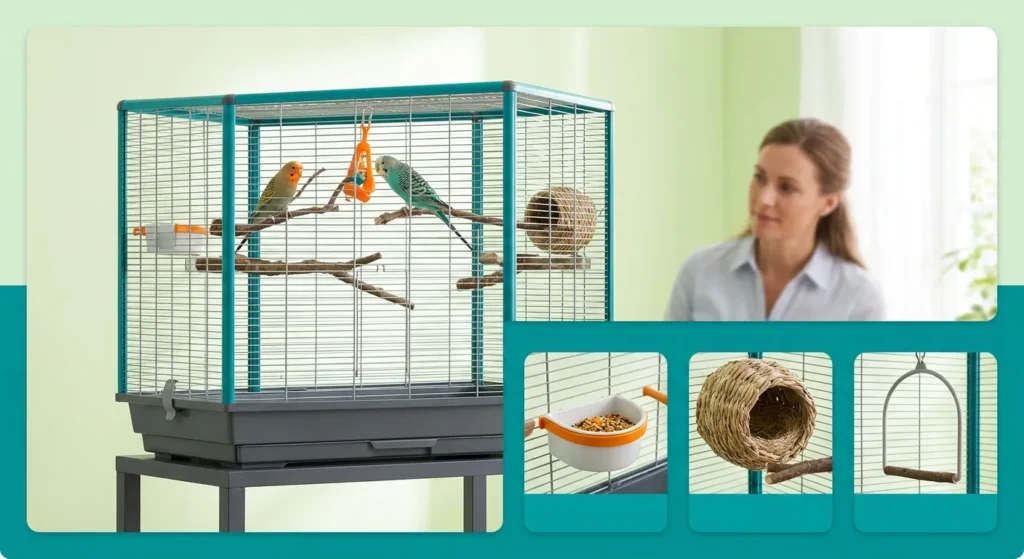
Based on these considerations, here are some top picks that consistently rank among the best bird cages for parakeets: Large flight cages, even for a single bird, offer superior space for exercise and mental stimulation. Brands like Prevue Hendryx and Yaheetech offer spacious options with appropriate bar spacing and durable construction. Look for cages that come with multiple perches of varying textures and diameters to promote foot health, as well as easy-to-access food and water dishes. Avoid cages that are too tall and narrow, as parakeets fly horizontally. A wide cage allows for more natural flight patterns. By prioritizing space, safety, and functionality, you can provide your parakeet with a home that supports their natural behaviors and contributes to their overall well-being. A well-chosen cage is an investment in your pet’s happiness and health.
Understanding Parakeet Needs: More Than Just a Cage
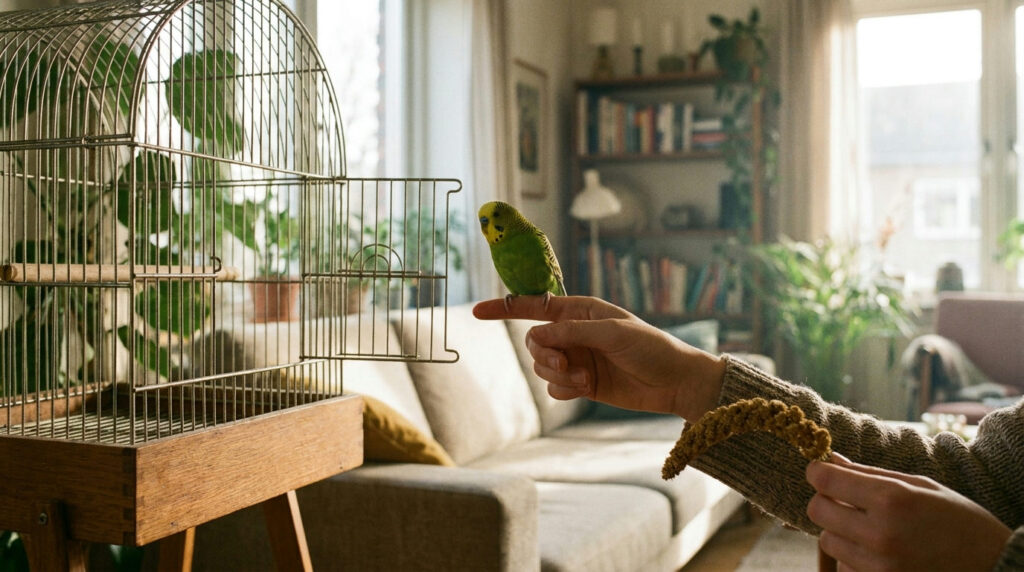
Beyond the cage itself, understanding your parakeet’s broader needs is vital for their well-being. These small, intelligent birds thrive on interaction and mental stimulation. Therefore, the cage should be seen as a foundation for a rich environment. For instance, consider the placement of the cage in your home. Parakeets enjoy being part of the family activity but also need quiet time. A corner of a living room or a sunny, but not overly hot, spot near a window can be ideal. Furthermore, proper lighting, including access to natural light or full-spectrum avian lighting, is crucial for their health. This helps regulate their natural sleep cycles and promotes vitamin D synthesis, which is essential for calcium absorption. For more insights into creating a stimulating environment, consider our guide on Enriching Your Pet’s Environment: Toys, Play, and Mental Stimulation.
Essential Accessories for Your Parakeet’s Home
Once you’ve chosen one of the best bird cages for parakeets, outfitting it with the right accessories becomes the next step. Perches are not just for standing; they are crucial for foot health. Provide a variety of perches made from different materials like natural branches (safe woods only, like apple or willow), rope, and cement. This prevents pressure sores and keeps their nails naturally trimmed. Additionally, food and water dishes should be stainless steel or ceramic, as these are easier to clean and less prone to bacterial growth than plastic. Consider placing dishes at different heights to encourage movement. Toys are also indispensable for mental stimulation. Swings, ladders, bells, and shreddable toys keep parakeets entertained and prevent boredom, which can lead to behavioral issues. Regularly rotating toys can keep your parakeet engaged. For further guidance on maintaining your bird’s health, our article on Grooming Your Pet: Essential Tips for Health and Hygiene offers valuable advice.
Cleaning and Maintenance of Parakeet Habitats
Maintaining a clean cage is non-negotiable for your parakeet’s health. Daily cleaning involves removing droppings, uneaten food, and refreshing water. A pull-out tray, as mentioned earlier, significantly streamlines this process. Weekly, a more thorough cleaning is necessary. This includes washing all perches, toys, and dishes with bird-safe disinfectant or a mild soap and water solution, followed by thorough rinsing. The cage bars and bottom grate should also be scrubbed. Moreover, a deep clean, perhaps monthly, involves dismantling the cage (if possible) and scrubbing every component. Always ensure everything is completely dry before reassembling to prevent mold or mildew. Proper hygiene prevents the buildup of bacteria and fungi, which can cause respiratory issues or other illnesses in your bird. This meticulous care is a key aspect of Exotic Pet Health Concerns: What Every Owner Needs to Know.
Safety Features to Look for in a Parakeet Cage
Safety is paramount when selecting a parakeet enclosure. Beyond non-toxic materials, consider the overall construction. The cage should be sturdy and well-built, without sharp edges or gaps where a parakeet could get injured. Doors should have secure latches that are easy for humans to operate but impossible for a clever parakeet to open. Furthermore, the bar spacing, as previously highlighted, is critical. For parakeets, a maximum of 1/2 inch (1.27 cm) is ideal; anything wider poses an escape risk or the danger of a bird getting its head stuck. When evaluating potential homes for your feathered friend, always prioritize durability and thoughtful design. An excellent resource for understanding general pet safety is the ASPCA’s guide on bird housing, which reiterates many of these points.
Choosing the Right Size: Why Bigger is Always Better
While an 18x18x18 inch cage is often cited as the minimum for a single parakeet, we strongly advocate for larger options, especially flight cages. Parakeets are active birds that need space to fly horizontally, not just climb vertically. A spacious enclosure allows for natural behaviors like flapping wings, exploring, and playing with toys. For a single parakeet, a cage that is 24 inches wide by 24 inches deep by 30 inches high offers significantly more room. If you plan to have multiple parakeets, the cage size must increase proportionally. Overcrowding can lead to stress, aggression, and health problems. Therefore, investing in a generous bird cage for parakeets provides a healthier and happier life for your pet. Consider how much space you can realistically provide; then, aim for the largest possible enclosure within those constraints.
Understanding Bar Spacing for Parakeet Security
The bar spacing on your parakeet’s cage is a critical safety feature. If the bars are too wide, your parakeet might try to squeeze through, potentially injuring itself or escaping. If the bars are too narrow, it can be difficult for your bird to climb and interact with its environment. For parakeets, the ideal bar spacing is typically between 3/8 inch (0.95 cm) and 1/2 inch (1.27 cm). This range prevents escapes while still allowing your bird to comfortably grip the bars and climb. Always measure the bar spacing carefully before purchasing. Some cages might advertise a suitable size but have inconsistent bar spacing in certain areas. Double-checking this detail ensures that the enclosure you choose will be secure for your small avian companion. This attention to detail is part of Essential Pet Proofing: Making Your Home Safe for a New Companion.
Materials Matter: Non-Toxic Options for Your Bird’s Health
The material of your parakeet’s cage directly impacts its health and longevity. The safest and most recommended material is powder-coated steel. This finish is durable, easy to clean, and, crucially, non-toxic. Stainless steel cages are also an excellent, albeit more expensive, option due to their superior durability and resistance to corrosion. Conversely, avoid cages made with zinc or lead, as these metals are highly toxic to birds and can cause severe health issues, including neurological damage and death, if ingested. Even small amounts from chewing on bars can be dangerous. Always inquire about the materials used and look for certifications if possible. Reputable manufacturers will clearly state that their cages are bird-safe. Understanding cage materials is a key part of providing a healthy environment for your pet, preventing Common Pet Health Problems: What Every Owner Should Know.
Location, Location, Location: Placing Your Parakeet’s Cage
Where you place your parakeet’s cage within your home is as important as the cage itself. Parakeets are social creatures and thrive when they are part of the family’s daily activities. Therefore, a common living area, such as a living room or family room, is often ideal. However, direct sunlight should be avoided, as it can lead to overheating. Similarly, keep the cage away from drafts from windows, doors, or air conditioning vents, which can make your bird sick. Kitchens are also generally not recommended due to the fumes from cooking and non-stick cookware, which can be toxic to birds. A stable temperature and a quiet, dark spot for sleeping are also crucial. Covering the cage at night can help ensure your parakeet gets adequate rest. The right location promotes a sense of security and belonging for your feathered friend.
Enrichment and Mental Stimulation in Your Parakeet’s Home
A parakeet’s cage is more than just a place to live; it’s their world. Therefore, providing ample enrichment and mental stimulation is paramount for their psychological well-being. Toys are essential for this. Offer a variety of toys that encourage chewing, shredding, climbing, and foraging. Swings, ladders, mirrors (used with caution, as some birds can become overly fixated), and puzzle toys can keep your parakeet engaged. Rotate toys regularly to prevent boredom and maintain interest. Furthermore, consider providing opportunities for out-of-cage time in a bird-proofed room, under supervision. This allows for greater exploration and exercise. A mentally stimulated parakeet is a happy and healthy parakeet, less prone to behavioral issues like feather plucking or excessive screeching. This holistic approach to pet care is central to Understanding Pet Behavior Challenges: A Guide to Positive Management.
The Importance of Perches and Foot Health
Perches might seem like a simple accessory, but they play a critical role in your parakeet’s foot health. Providing a variety of perches with different diameters, textures, and materials is essential. Natural branches (ensure they are bird-safe and free from pesticides) are excellent because their irregular shapes exercise different parts of your parakeet’s feet, preventing pressure sores and arthritis. Rope perches, cement perches (for nail conditioning), and even soft cotton perches can be included. Avoid dowel perches as the sole option, as their uniform diameter can lead to foot problems over time. Place perches at different heights and angles within the enclosure to encourage climbing and movement. This variety mimics a bird’s natural environment and contributes significantly to their overall physical well-being. For more detailed information on avian care, you might find the Lafeber Company’s bird care resources helpful.
Food and Water Stations: Cleanliness and Accessibility
Proper food and water stations are fundamental for your parakeet’s health. Opt for stainless steel or ceramic dishes, as these materials are non-porous, making them easy to clean and less likely to harbor bacteria. Plastic dishes can scratch easily, creating tiny crevices where germs can hide. Place food and water dishes away from perches to prevent contamination from droppings. Furthermore, ensure the dishes are easily accessible for both your parakeet and for you to clean. Some of the best bird cages for parakeets include external feeding stations that allow you to refill without fully opening the cage, minimizing escape risks. Always provide fresh water daily, and clean dishes thoroughly. This attention to detail is part of a comprehensive approach to Nutrition for Healthy Pets: A Guide to Optimal Diets.
Considerations for Multiple Parakeets
If you plan to house more than one parakeet, the choice of enclosure becomes even more critical. A larger flight cage is absolutely essential for multiple birds to prevent territorial disputes and stress. Each parakeet needs its own personal space, including multiple perches, food, and water dishes. Providing ample space allows them to fly and interact without feeling overcrowded. While parakeets are social birds and often enjoy companionship, ensuring enough room for each individual is key to a harmonious environment. Overcrowding can lead to aggressive behaviors, feather plucking, and increased susceptibility to illness. Therefore, when looking for bird cages for parakeets in pairs or groups, always err on the side of extreme spaciousness. A happy flock starts with a generous home.
Investing in Quality: Long-Term Benefits for Your Feathered Friend
While some enclosures might seem more expensive upfront, investing in a high-quality, durable bird cage for parakeets offers significant long-term benefits. A well-constructed cage made from safe materials will last for many years, potentially the entire lifespan of your parakeet. It reduces the need for frequent replacements and ensures a consistently safe environment. Moreover, quality enclosures often feature better design elements, such as secure latches, easy-to-clean trays, and thoughtful placement of doors, which contribute to both your convenience and your bird’s safety. Ultimately, choosing a superior habitat is an investment in your parakeet’s health, happiness, and overall quality of life. It reflects your commitment to providing the best possible care for your cherished companion.
Conclusion: Creating the Ideal Home for Your Parakeet
Selecting the ideal home for your parakeet is a foundational step in responsible pet ownership. By prioritizing size, safety, material quality, and ease of cleaning, you can confidently choose from the best bird cages for parakeets. Remember that the cage is just the beginning; enriching it with appropriate perches, toys, and proper food/water stations will complete their comfortable and stimulating environment. Regular maintenance and careful placement further contribute to a healthy and happy avian companion. With the right enclosure and dedicated care, your parakeet will thrive for years to come, filling your home with joy and cheerful chirps. Make an informed decision, and provide your feathered friend with the perfect sanctuary.
FAQ: Frequently Asked Questions About Parakeet Cages
What size enclosure does a single parakeet need?
For a single parakeet, the minimum recommended cage size is usually 18x18x18 inches. However, a larger flight cage (e.g., 24x24x30 inches) is always better, providing more space for flying and exercise, which is crucial for their health and happiness.
What is the ideal bar spacing for a parakeet’s habitat?
The ideal bar spacing for a parakeet’s habitat is between 3/8 inch (0.95 cm) and 1/2 inch (1.27 cm). This range prevents your bird from escaping or getting its head stuck, ensuring their safety within their home.
Which materials are safe for parakeet homes?
The safest materials for parakeet homes are powder-coated steel and stainless steel. These are durable, easy to clean, and non-toxic. Always avoid cages made with zinc or lead, as these metals are poisonous to birds.
How often should I clean my parakeet’s enclosure?
You should perform daily spot cleaning of your parakeet’s enclosure, including removing droppings and refreshing food/water. A more thorough weekly cleaning, involving washing all components, is also necessary to maintain a hygienic environment.
Are tall, narrow bird homes good for parakeets?
No, tall and narrow bird homes are generally not ideal for parakeets. These birds fly horizontally, so a wide cage that allows for flight and exploration is much better than a cage that is only tall but lacks width and depth.
What accessories are essential for a parakeet’s living space?
Essential accessories for a parakeet’s living space include a variety of perches (different textures and diameters), stainless steel or ceramic food and water dishes, and a selection of bird-safe toys for mental stimulation and enrichment.