
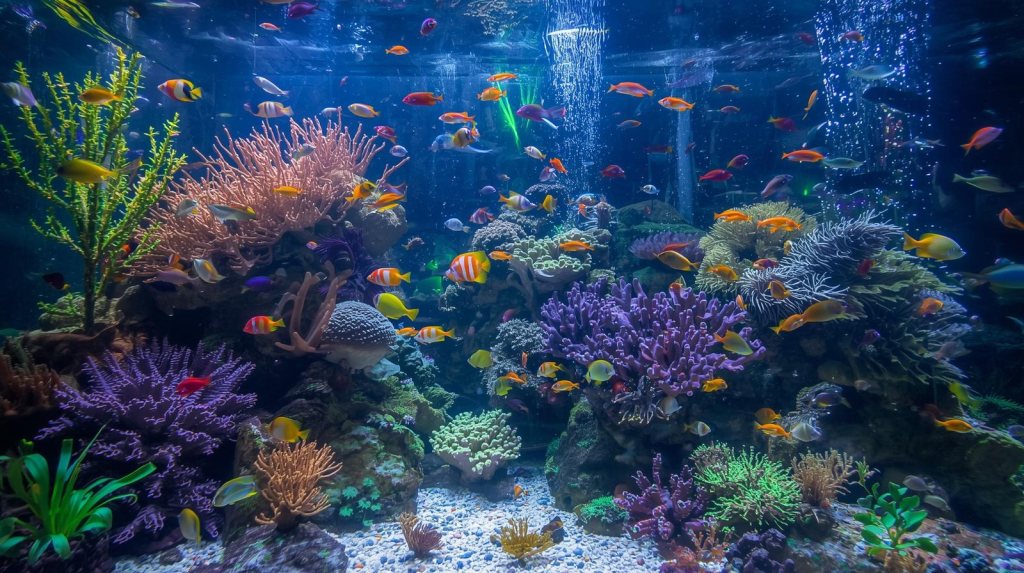

Owning an aquarium is supposed to be relaxing. The gentle bubbling sound, the slow glide of fish through the water—it’s like living art. But when your fish tank starts to smell, that peaceful vibe quickly turns sour. A smelly aquarium isn’t just unpleasant—it’s a sign that something’s wrong in your tank’s ecosystem. Let’s uncover why your fish tank smells and how to fix it fast before it becomes a bigger problem.
Understanding Why Your Fish Tank Smells
Before you grab the cleaning supplies, you need to know what’s causing the odor. The smell is almost always a symptom, not the root issue. In most cases, it’s about balance—or rather, an imbalance.
When waste, leftover food, and decomposing matter build up faster than your tank can handle, you get that unmistakable fishy funk. It’s your aquarium’s way of crying out for help.
The Role of the Nitrogen Cycle
Every healthy tank runs on the nitrogen cycle—a process where beneficial bacteria break down fish waste and uneaten food into less harmful compounds. When this cycle is disrupted or overloaded, ammonia and nitrite levels spike. These compounds not only make the water smell bad but can harm your fish, too.
Common Sources of Aquarium Odor
Let’s look at what typically causes a stinky tank:
- Overfeeding: Extra food sinks and rots, releasing foul-smelling gases.
- Waste buildup: Uneaten food and fish poop collect in the substrate and filter.
- Dead plants or fish: Decomposing matter quickly contaminates water.
- Dirty filter: A clogged or unchanged filter becomes a breeding ground for bacteria.
- High ammonia levels: Toxic ammonia gives off a sharp, pungent odor.
- Poor circulation: Without good water flow, oxygen drops and odor rises.
Identifying which of these issues applies to your tank helps you solve the problem efficiently.
Quick Fixes for a Smelly Fish Tank
Once you pinpoint the cause, it’s time for action. You don’t need to dismantle your entire aquarium—just follow these quick steps to restore freshness fast.
1. Remove Decomposing Matter
Start by checking for dead fish, decaying plants, or leftover food hiding under decorations. Even a small dead snail can make the whole tank stink. Use a net or siphon to remove debris immediately.
2. Perform a Partial Water Change
Changing 20–30% of your tank’s water can make an instant difference. It dilutes harmful compounds and freshens up the environment. Always use a dechlorinator if your tap water contains chlorine or chloramine.
3. Clean the Filter (But Gently)
A dirty filter can be the biggest odor culprit. Rinse filter media in a bucket of old tank water—not under tap water—to preserve beneficial bacteria. Replace only one filter component at a time to avoid disrupting the nitrogen cycle.
4. Vacuum the Gravel
The gravel is where most of the waste settles. Use a gravel vacuum to remove fish waste and leftover food trapped beneath the surface. You’ll be amazed how much grime you pull up—and how quickly the smell fades.
5. Wipe Down the Tank Glass
Algae and residue can cling to the glass, contributing to the smell. Use an aquarium-safe scraper or sponge to gently clean the inside walls.
These quick fixes not only improve the smell but also give your fish a healthier, happier home.
Preventing Odors Before They Start
Once your tank smells fresh again, the goal is to keep it that way. Prevention is always easier than repeated cleanup.
Feed Your Fish the Right Way
More food doesn’t mean happier fish—it means more waste. Feed small portions that your fish can eat in two to three minutes. If food sinks and sits, you’re overfeeding.
Stick to a Regular Cleaning Routine
Consistency is key to keeping your tank odor-free. Aim to:
- Change 20–30% of the water weekly.
- Clean the gravel every two weeks.
- Rinse the filter media monthly.
- Check for dead plants or fish daily.
These small habits prevent buildup before it starts.
Use Activated Carbon
Activated carbon in your filter acts like an odor sponge. It absorbs impurities and neutralizes smells. Replace it every few weeks for the best results.
Improve Water Circulation
Good water flow keeps oxygen levels high and discourages bacterial stagnation. Use an air stone, powerhead, or a properly rated filter to maintain movement.
Maintain Healthy Bacteria Levels
Beneficial bacteria do the heavy lifting in breaking down waste. Avoid over-cleaning or replacing all filter media at once. You can also use bacterial supplements to support your tank’s ecosystem.
When a Persistent Smell Means Trouble
Sometimes, even after cleaning, the odor lingers. That’s when you need to dig deeper.
Check Ammonia and Nitrite Levels
Use a test kit to check for ammonia and nitrite spikes. Even low levels can indicate poor filtration or overstocking. Addressing these issues quickly protects your fish and restores balance.
Reevaluate Tank Size and Stocking Levels
An overcrowded aquarium overwhelms the natural filtration system. If your fish seem stressed or the smell keeps coming back, you might need a larger tank or fewer fish.
Inspect for Mold or Mildew
Occasionally, the smell isn’t from the water but from around it. Moisture trapped under the lid or in the stand can cause mold growth. Wipe these areas regularly to keep everything clean and dry.
Natural Ways to Keep Your Aquarium Fresh
If you prefer to avoid chemical cleaners or additives, there are natural ways to maintain freshness.
Add Live Plants
Live aquatic plants absorb waste products like ammonia and nitrate. They not only purify the water but also enhance your aquarium’s beauty.
Use Natural Odor Absorbers Nearby
Placing a bowl of baking soda or activated charcoal near (but not in) the tank helps absorb lingering smells in the room.
Keep Lighting Balanced
Too much light promotes algae growth, which can lead to smells. Keep your lights on for 8–10 hours a day and use a timer for consistency.
Encourage a Balanced Ecosystem
Think of your tank as a miniature world. Every fish, plant, and bacterium has a role. When balance is maintained, odors disappear naturally.
How to Tell When It’s Time for a Deep Clean
Even with good maintenance, every tank needs a deep clean once in a while. Signs include:
- Persistent cloudy or murky water
- Sticky film on surfaces
- Strong or sour smell after regular cleaning
- Sluggish fish behavior
A deep clean involves removing decorations, thoroughly vacuuming the gravel, and rinsing the tank’s interior surfaces. Always reintroduce fish gradually to avoid stress.
The Importance of Water Quality
Smells are often your first clue that water quality has dropped. Regular testing ensures your aquarium stays healthy long before odors appear.
Keep an eye on:
- Ammonia: Should always be 0 ppm.
- Nitrite: Also 0 ppm.
- Nitrate: Below 40 ppm is ideal.
- pH levels: Stable between 6.5–8 depending on your fish species.
When water quality is stable, odors vanish and your fish thrive.
Conclusion
If your fish tank smells, it’s your aquarium’s way of telling you something’s off balance. Luckily, the fix is usually simple: clean smarter, not harder. By removing waste, managing feeding, and maintaining water quality, you can enjoy a crystal-clear, odor-free tank. With the right care routine, that unpleasant smell will be gone fast—and your fish will thank you with calm, graceful swims in their fresh, clean home.
FAQ
1. Why does my fish tank smell like rotten eggs?
A rotten egg smell usually means hydrogen sulfide is forming from anaerobic bacteria in the substrate. Vacuum the gravel and improve water circulation to fix it.
2. Can a fish tank smell bad even if it looks clean?
Yes. Invisible waste, bacteria, or poor water flow can cause odors even if the tank appears spotless. Test your water and clean the filter.
3. How often should I clean my fish tank to prevent smells?
Do a partial water change weekly and deep-clean the substrate every two weeks. Regular maintenance prevents odor buildup.
4. Does activated carbon really remove aquarium smells?
Absolutely. Activated carbon absorbs organic compounds and odor molecules, keeping your water clear and fresh.
5. What if my tank still smells after cleaning?
If the smell persists, check ammonia levels, ensure no dead fish are hidden, and evaluate if your tank is overstocked or under-filtered.