Trust with your dog is the foundation of everything else. Training depends on it, and behavior improves because of it. When trust exists, the bond you feel deepens naturally. Without that foundation, commands feel hollow, walks feel tense, and affection can feel uncertain.
Dogs are not born trusting humans. Instead, trust is learned through experience over time. Every interaction teaches your dog something, whether you realize it or not. Some moments quietly say, “You are safe with me.” Others, unfortunately, send the opposite message.
Think of trust like a savings account. Each calm response, every kept promise, and every gentle correction makes a deposit. Meanwhile, inconsistency or frustration can drain the balance faster than expected. For that reason, daily choices matter more than grand gestures.
The good news is encouraging. Trust with your dog can always be strengthened. No matter your dog’s age or background, trust grows through predictable, fair, and emotionally safe behavior.
Why Trust With Your Dog Matters More Than Obedience
Many owners focus on obedience first. Sit, stay, come, heel. However, obedience without trust is fragile. Once fear, stress, or distraction appears, that obedience often collapses.
Trust with your dog creates willingness instead of compliance. Your dog listens because they believe in you, not because they fear consequences. As a result, responses become faster and more reliable.
Dogs that trust their humans recover from mistakes quickly. They explore the world with confidence. Instead of reacting impulsively, they look to you for guidance.
When trust is present, training becomes a conversation rather than a command chain. That shift changes everything.
How Dogs Interpret Trust Differently Than Humans
Humans often view trust as emotional loyalty. Dogs, however, experience trust through patterns and outcomes. They trust what remains consistent and predictable.
Your dog does not analyze intentions. Instead, results are remembered. If approaching you leads to calm guidance, trust grows. If approaching you leads to confusion or fear, trust weakens.
Tone matters here. Timing matters just as much. Body language matters constantly. Because dogs read these signals without pause, clarity becomes essential.
Trust with your dog forms when reactions make sense from their perspective. Clear cause and effect builds understanding. Over time, understanding builds confidence.
Consistency as the Fastest Trust Builder
Consistency is the language of trust. Dogs thrive when rules stay the same. Predictability lowers anxiety and increases confidence.
If jumping is sometimes allowed and sometimes punished, confusion follows. When commands change tone or meaning, uncertainty grows. Over time, that uncertainty erodes trust.
Trust with your dog strengthens when expectations remain stable. Calm routines signal safety. Clear boundaries reduce stress.
Consistency does not mean rigidity. Instead, it means your dog knows what to expect from you in similar situations.
Daily Routines That Strengthen Trust With Your Dog
Routines quietly build trust. Feeding times, walk schedules, play sessions, and rest periods all create structure.
When your dog knows what comes next, relaxation increases. That relaxed state allows learning. Consequently, learning reinforces trust.
Simple routines often work best. Morning walks establish rhythm. Evening play builds connection. Quiet time after meals supports calm digestion.
Trust with your dog grows when routines feel reliable rather than chaotic. Even small rituals carry weight.
Communication That Builds Trust Instead of Confusion
Dogs communicate constantly, although humans often miss the signals. Yawning, lip licking, turning away, freezing, and lowered posture all express discomfort.
Ignoring these signs teaches dogs that communication does not work. In contrast, responding appropriately builds confidence.
Trust with your dog increases when you listen with your eyes. Likewise, clarity in your communication matters. Use consistent cues. Keep commands simple. Match your tone to your intent.
Clear communication feels fair. Fairness strengthens trust over time.
Body Language and Trust With Your Dog
Dogs believe bodies more than words. Posture, movement, and facial expressions speak loudly.
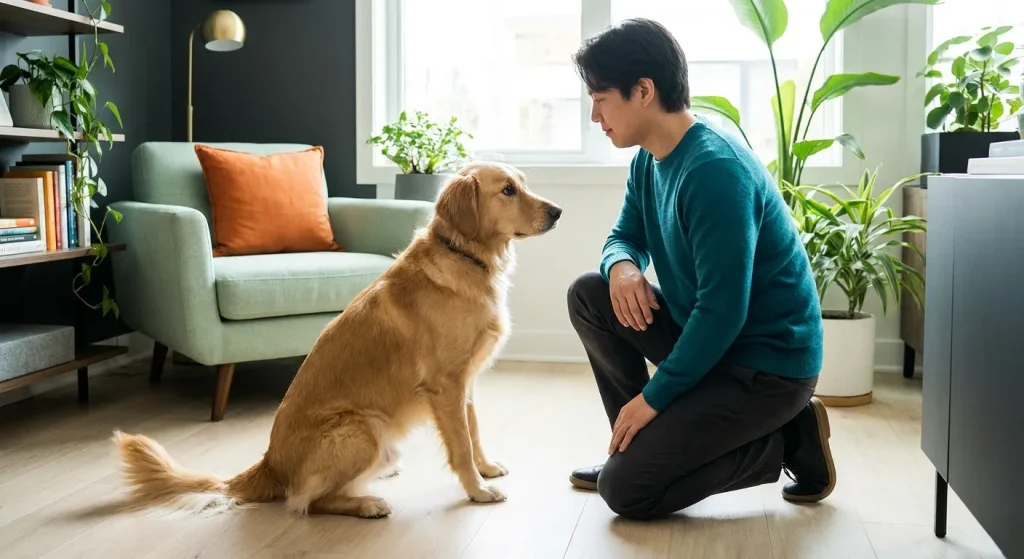
Leaning over a nervous dog can feel threatening. Sudden movements can trigger fear. By comparison, calm, sideways approaches feel safer.
Trust with your dog grows when body language remains relaxed and predictable. Slow movements communicate safety. Soft eye contact builds connection.
Even breathing patterns matter. Calm breathing helps regulate your dog’s nervous system.
Why Punishment Damages Trust With Your Dog
Punishment may stop behavior temporarily. However, long-term trust often suffers as a result. Dogs learn to avoid the person rather than understand the lesson.
Fear-based corrections teach dogs that humans are unpredictable. That uncertainty breaks trust quickly.
Trust with your dog thrives on guidance instead of intimidation. Teaching what to do works better than punishing mistakes.
Errors are part of learning. Therefore, how you respond to mistakes teaches your dog whether you are safe during failure.
Positive Reinforcement and Trust With Your Dog
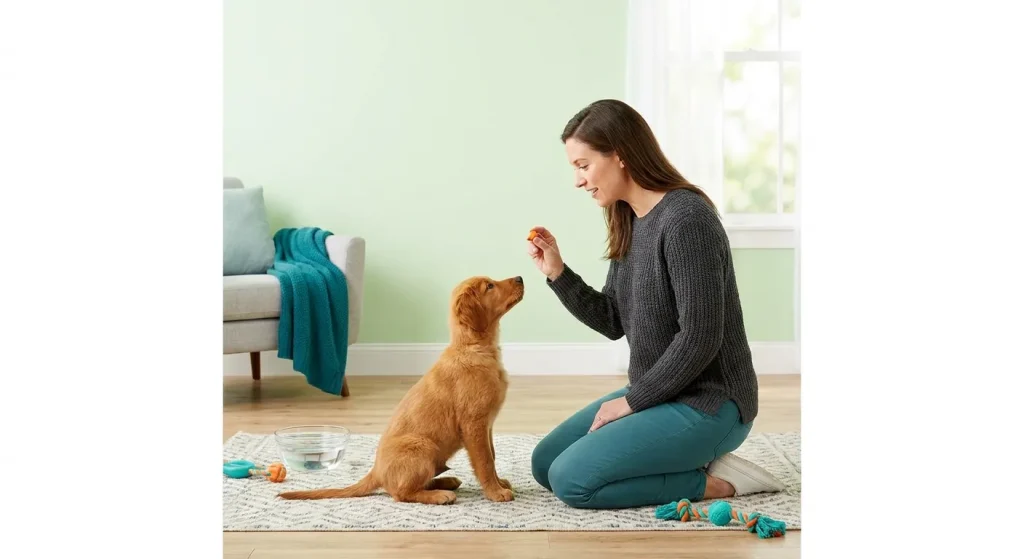
Positive reinforcement strengthens trust because it links you with good outcomes. Rewards build optimism. Optimism fuels engagement.
Praise, treats, play, and affection all reinforce behavior while strengthening your relationship. Over time, training becomes enjoyable rather than stressful.
Trust with your dog grows when you are associated with success. Confidence increases. Willingness follows.
Boundaries That Support Trust With Your Dog
Boundaries are not the enemy of trust. In fact, they support it.
Dogs feel safer when limits exist. Boundaries clarify expectations and reduce anxiety.
Trust with your dog strengthens when boundaries remain fair and consistent. Calm enforcement matters more than strictness.
Rules should protect your dog, not control them. Protective boundaries feel reassuring.
Fear, Trauma, and Trust Building
Some dogs carry fear from past experiences. In those cases, trust develops slowly.
Rushing progress often breaks trust. Forcing exposure overwhelms the nervous system. Instead, patience creates safety.
Trust with your dog deepens when they learn you will not push them beyond their limits. Safety must always come first.
Touch and Trust With Your Dog
Touch can either build or damage trust. The outcome depends on consent and timing.
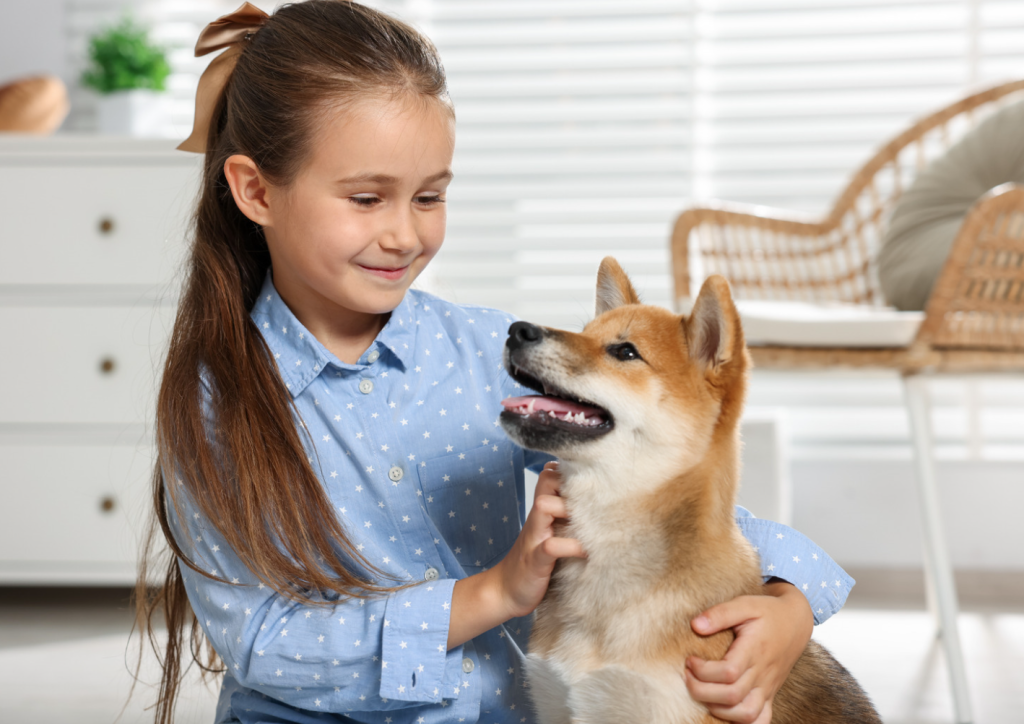
Many dogs enjoy physical affection. Others prefer space. Respecting those preferences builds trust.
If your dog leans in, respond gently. If they move away, listen. Trust with your dog strengthens when touch feels optional.
Play as a Trust-Building Tool
Play builds joy, confidence, and connection. Games teach cooperation. Turn-taking builds communication.
Trust with your dog increases when play feels fair and fun. Avoid games that create frustration.
Ending play on a positive note reinforces trust. Success leaves a lasting impression.
Walks and Trust With Your Dog
Walks are more than exercise. They are shared experiences.
Loose leash walking requires cooperation. Checking in builds communication. Exploring together builds partnership.
Trust with your dog grows when walks feel calm and predictable. Reactivity often decreases as trust increases.
Allowing sniffing reduces stress and supports confidence.
Training Sessions That Build Trust
Short, positive training sessions work best. Keep them clear. Keep them engaging.
Avoid drilling commands repeatedly. Instead, focus on understanding.
Trust with your dog strengthens when training feels like teamwork. Ending sessions with success reinforces belief.
Emotional Regulation and Trust With Your Dog
Dogs mirror emotional states. Anxiety transfers quickly. Calm spreads as well.
When frustration appears, pause. Reset before continuing.
Trust with your dog grows when emotional responses remain stable. Predictability feels safe.
Mistakes That Weaken Trust With Your Dog
Inconsistency confuses dogs. Overcorrection scares them. Ignoring signals disconnects the relationship.
Mistakes happen. Repair matters more than perfection.
Trust with your dog recovers through calm, consistent care.
Time and Patience in Building Trust
Trust grows gradually. There are no shortcuts.
Daily choices compound quietly. Small moments matter deeply.
Trust with your dog deepens when patience replaces urgency.
Signs Trust With Your Dog Is Growing
Relaxed posture appears more often. Soft eye contact becomes common. Recovery from stress improves.
Checking in during walks increases. These signals show trust taking root.
Progress deserves quiet celebration.
Maintaining Trust With Your Dog Long-Term
Trust requires maintenance. Life changes. Environments shift. Dogs age.
Staying consistent, kind, and aware preserves the bond.
Trust with your dog evolves as your relationship deepens.
Conclusion
Trust with your dog is built through thousands of small moments rather than one dramatic effort. Consistency, communication, patience, and respect create a bond that lasts.
When trust exists, training improves. Behavior stabilizes. Connection deepens.
Your dog does not need perfection. They need predictability, fairness, and emotional safety.
Build trust daily, and everything else follows.
FAQ
1. How long does it take to build trust with your dog?
Trust develops gradually and depends on consistency, past experiences, and daily interactions. While some dogs build trust quickly, others may need weeks or months of steady, calm guidance.
2. Can trust with your dog be rebuilt after mistakes or fear?
Yes, trust can be rebuilt with patience and predictable behavior. However, progress happens fastest when fear is replaced with calm communication and positive experiences.
3. Does training help build trust with your dog?
Positive, reward-based training strengthens trust because it improves clarity and confidence. As a result, dogs learn to see their owner as a reliable guide rather than a source of stress.
4. How do I know if my dog trusts me?
Signs of trust include relaxed body language, frequent check-ins, and quicker recovery from stress. Additionally, a trusting dog often seeks guidance instead of reacting impulsively.
5. What breaks trust with your dog the fastest?
Inconsistency, fear-based punishment, and ignoring stress signals weaken trust quickly. Therefore, calm responses and predictable boundaries are essential for maintaining a strong bond.