
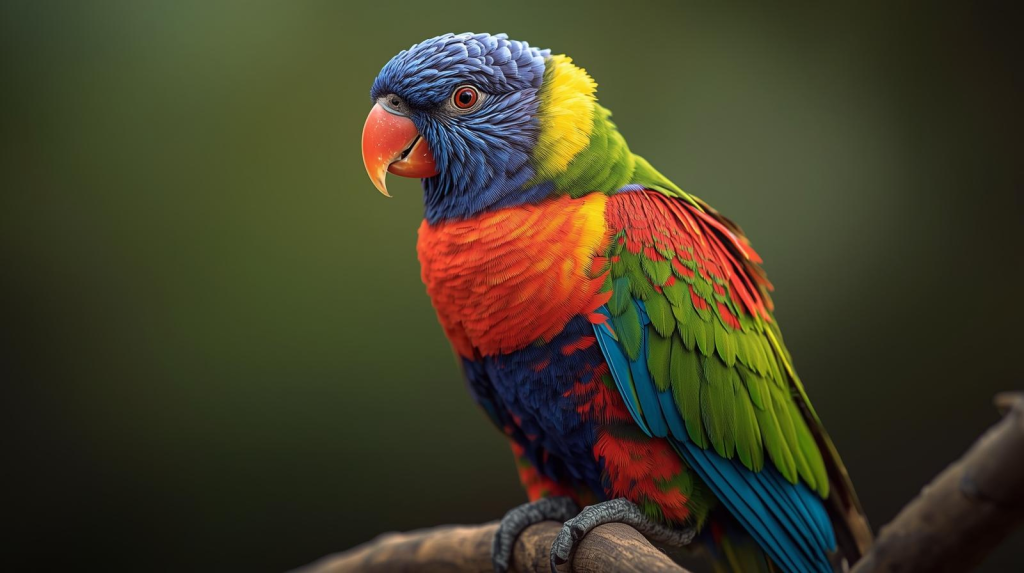

Caring for your bird goes beyond feeding and playtime. Just like grooming your own nails, trimming your bird’s nails and beak is essential for its health and comfort. Overgrown nails can snag on cages or perches, while an untrimmed beak can cause feeding problems. Many bird owners fear the trimming process—but with the right tools, technique, and patience, you can handle it like a professional.
Let’s explore how to trim your bird’s nails and beak safely, ensuring your feathered friend stays happy and healthy.
Why Trimming Your Bird’s Nails and Beak Matters
Proper grooming keeps your bird balanced, comfortable, and thriving. When nails grow too long, your bird may struggle to perch or walk without pain. You might even notice scratches on your arm or shoulder after playtime—clear signs that a trim is overdue.
An overgrown beak, on the other hand, can cause difficulty eating and lead to abnormal wear. Birds in the wild naturally keep their nails and beaks in check through climbing, chewing, and pecking. However, in captivity, they rely on you to maintain that balance. Regular trimming helps:
- Prevent injuries and deformities
- Support proper feeding and preening
- Reduce stress and discomfort
- Encourage natural behavior
By staying consistent, you help your bird live a healthier, longer life.
Understanding When It’s Time for a Trim
You don’t need to guess when to trim your bird’s nails or beak—your bird will show you the signs.
Signs of Overgrown Nails
Look for these clues:
- Difficulty gripping perches or walking steadily
- Nails catching on clothing or cage bars
- You feel scratches when handling your bird
If nails curl downward or sideways, they definitely need attention.
Signs of an Overgrown Beak
Your bird’s beak may need trimming if you notice:
- Cracks, flaking, or uneven surfaces
- Trouble eating or picking up food
- The upper or lower beak crossing abnormally
When in doubt, observe your bird’s eating habits. A bird that avoids hard foods or drops seeds frequently could be struggling with beak overgrowth.
Essential Tools for Trimming
To trim your bird’s nails and beak like a pro, the right tools make all the difference. Using inappropriate equipment can cause pain or even bleeding. Here’s what you’ll need:
For Nail Trimming
- Bird nail clippers: Small, sharp clippers designed for birds.
- Styptic powder or cornstarch: To stop bleeding if you accidentally cut the quick.
- Towel: To gently secure your bird.
- Perch or helper: Having someone hold the bird can make the process smoother.
For Beak Trimming
- Emery board or dremel tool: Ideal for gentle shaping and smoothing.
- Bird-safe disinfectant: To clean tools before and after use.
- Good lighting: Clear visibility helps avoid over-trimming.
Always ensure your tools are clean and sharp. Dull blades or rough surfaces can injure delicate tissue.
Step-by-Step: How to Trim Your Bird’s Nails
Trimming your bird’s nails requires patience and confidence. It’s a small task that can feel daunting, but with steady hands and gentle handling, it becomes routine.
1. Prepare the Environment
Choose a quiet room with good lighting. Close windows and doors to prevent your bird from escaping if startled.
2. Secure Your Bird
Wrap your bird gently in a towel, leaving one leg free. Speak softly to reassure them. If you’re nervous, ask someone experienced to help hold your bird.
3. Identify the Quick
Look for the pinkish area inside each nail—the quick. Cutting into it can cause bleeding, so trim just before it. For birds with dark nails, take tiny cuts and watch for a pale center.
4. Clip Carefully
Use your bird nail clippers to snip small portions at a time. Avoid large cuts. After each trim, check for signs of stress and bleeding.
5. Stop Any Bleeding
If you nick the quick, apply styptic powder or cornstarch immediately. Hold gentle pressure for a few seconds.
6. Reward Your Bird
End the session on a positive note with praise, a treat, or some gentle affection. This builds trust for future trimmings.
Step-by-Step: How to Trim Your Bird’s Beak
Unlike nail trimming, beak trimming requires more care and precision. A beak is sensitive and filled with blood vessels, so take your time.
1. Examine the Beak
Look closely at the shape and symmetry. The upper and lower halves should align properly, allowing the bird to close its beak fully.
2. Use Gentle Tools
Avoid using clippers or scissors. Instead, use an emery board or a rotary file to gradually smooth and shorten the beak.
3. File Gradually
File in short, gentle strokes, focusing on shaping rather than shortening too much. Stop immediately if you see pink or feel heat—this indicates proximity to blood vessels.
4. Smooth Edges
Round off any sharp points to prevent cracking or uneven wear.
5. Observe Your Bird’s Behavior
After trimming, watch your bird for signs of discomfort or reluctance to eat. If you notice anything unusual, consult an avian vet.
Tips to Make the Process Easier
Trimming your bird’s nails and beak doesn’t have to be stressful. With the right mindset and preparation, it can be a smooth, bonding experience.
- Start early: Introduce grooming when your bird is young. It builds trust.
- Stay calm: Birds sense tension. A calm tone helps them relax.
- Do it gradually: It’s better to trim a little often than too much at once.
- Reward cooperation: Positive reinforcement encourages good behavior.
- Use proper perches: Natural wood and rough textures can help wear down nails between trims.
With regular practice, your bird will become more comfortable, and you’ll gain confidence as a caretaker.
When to Call a Professional
Sometimes, it’s best to let a professional handle it. If your bird is large, aggressive, or has very dark nails, an avian vet or groomer can perform a safe trim.
You should also seek professional help if:
- Your bird resists handling severely.
- The beak shows abnormal growth patterns.
- You notice bleeding or infections after a trim.
A professional can also show you proper techniques to use at home, helping you feel more secure next time.
Maintaining Nail and Beak Health Between Trims
Regular care reduces how often trimming is needed. Offer your bird items that naturally wear down their beak and nails.
- Perches of varying textures: Include natural wood and rope perches.
- Chew toys: Safe wooden or mineral toys help keep the beak in shape.
- Balanced diet: Nutritional deficiencies can cause abnormal beak growth.
- Regular handling: Frequent perching on your hand helps keep nails from curling.
Consistency is key. By integrating these habits, your bird stays healthy and comfortable between grooming sessions.
Conclusion
Learning how to trim your bird’s nails and beak like a pro takes patience and care—but it’s entirely achievable. With the right tools, steady hands, and a calm approach, you can keep your bird comfortable, safe, and looking its best. Remember, every grooming session is an opportunity to build trust and strengthen your bond.
When done with confidence and compassion, trimming becomes less of a chore and more of a meaningful act of love.
FAQ
1. How often should I trim my bird’s nails?
Most birds need a nail trim every 4–8 weeks, depending on their activity and perch types.
2. Can I use human nail clippers for my bird?
It’s better to use bird-specific nail clippers. They’re designed for precision and safety.
3. How can I keep my bird’s beak naturally trimmed?
Provide chew toys, cuttlebones, and natural perches. These encourage natural wear.
4. What if I cut the quick by accident?
Stay calm. Apply styptic powder or cornstarch to stop bleeding, and monitor your bird closely.
5. Should I let a vet do the trimming instead?
If you’re unsure, it’s safest to let an avian vet handle it. They can also teach you proper techniques for next time.