
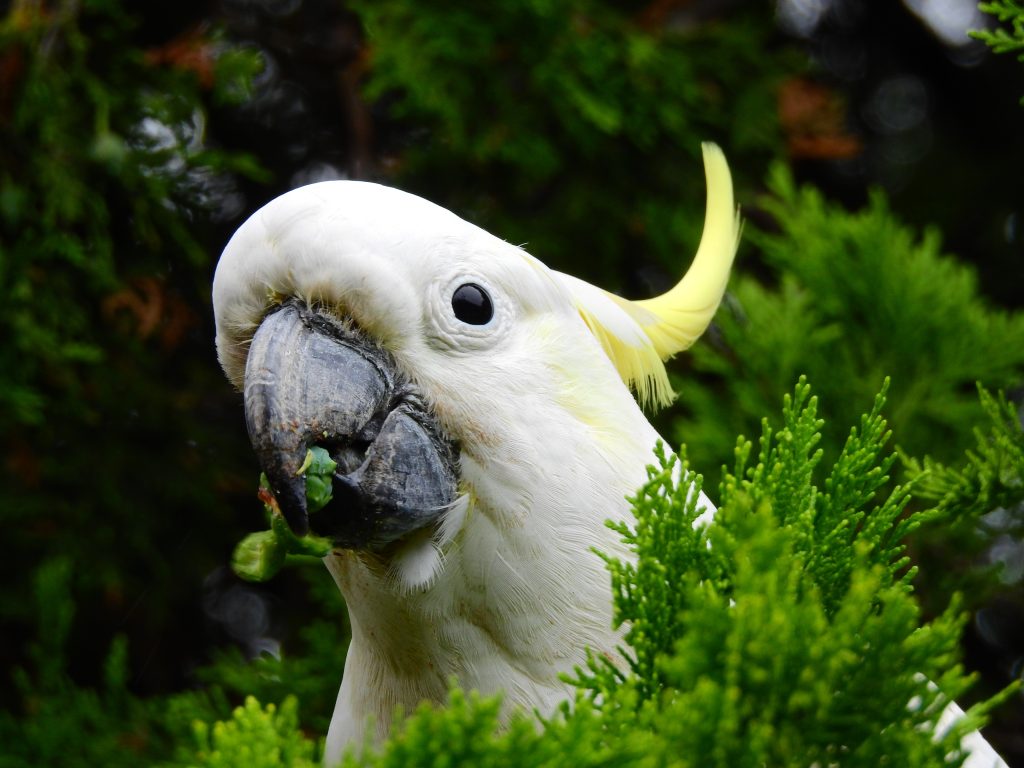

Cockatoos are among the most intelligent and social birds in the parrot world. Their charm, curiosity, and need for interaction make them delightful companions—but also prone to boredom if their environment lacks stimulation. When boredom sets in, these brilliant birds can become destructive, loud, or withdrawn. So how do you stop cockatoo boredom before it turns into behavioral problems? The answer lies in smart enrichment.
Enrichment is more than just tossing a few toys into their cage. It’s about creating a world that challenges their mind, satisfies their instincts, and keeps them happily busy. Let’s explore how to stop cockatoo boredom with strategies that stimulate their body and brain.
Understanding Cockatoo Behavior and Boredom
Before diving into solutions, it helps to understand why cockatoos get bored so easily. These birds are natural problem solvers. In the wild, cockatoos spend hours flying, foraging, calling, and interacting with their flock. This constant engagement keeps their sharp minds occupied.
In captivity, their daily routine is often far less stimulating. When confined to a quiet environment with limited activity, cockatoos can quickly become restless. Signs of boredom include:
- Feather plucking or over-preening
- Screaming or loud vocalizations
- Chewing cage bars or furniture
- Pacing or repetitive head bobbing
- Reduced appetite or lethargy
If you’ve noticed these behaviors, don’t worry—smart enrichment can transform your bird’s mood and energy levels in just days.
Smart Enrichment: The Key to a Happy Cockatoo
Smart enrichment means offering your cockatoo experiences that mirror their natural behaviors while challenging them to think. A well-rounded enrichment plan includes physical, mental, social, and sensory stimulation. Let’s break down how to implement each one effectively.
1. Foraging Fun: Turning Mealtime into a Challenge
In the wild, cockatoos work hard to find food. Recreating that natural instinct helps eliminate boredom and frustration. Instead of serving food in a plain dish, turn mealtime into a treasure hunt.
Try these ideas:
- Hide seeds or nuts inside paper cups or cardboard tubes.
- Use a foraging toy that requires solving a puzzle to release treats.
- Scatter pellets or fruit pieces across their play stand for exploration.
- Fill a box with shredded paper and sprinkle their favorite snacks inside.
These small adjustments transform eating into a brain-boosting activity. The keyphrase stop cockatoo boredom truly starts with creative feeding techniques.
2. Interactive Toys That Challenge the Mind
Cockatoos love puzzles. The best toys engage their problem-solving abilities and curiosity. Rotate toys weekly to prevent monotony and maintain interest.
Some popular enrichment toys include:
- Puzzle feeders: Toys that require opening drawers or sliding doors.
- Foot toys: Small objects they can manipulate or carry.
- Hanging toys: Made of wood, rope, or natural fibers to chew and shred.
- Sound toys: Bells, rattles, and even toddler-safe musical instruments.
A mix of textures, colors, and sounds keeps your cockatoo mentally sharp. Remember to supervise play with new toys to ensure safety.
For more guidance on interactive toys and parrot safety, check out avian care resources from trusted sources like the American Federation of Aviculture.
3. Environmental Enrichment: Reimagine Their Space
A static cage leads to a static mind. Rearranging your cockatoo’s environment is an easy way to stop boredom instantly. Move perches, rotate play areas, or introduce new textures and materials.
Try adding:
- Natural branches from safe trees (like apple or willow).
- Hanging swings or climbing ropes.
- Mirrors or reflective toys to pique curiosity.
- Safe plants or greenery near their cage for visual stimulation.
Even a simple cage rearrangement can spark excitement and exploration. Think of it as redecorating your bird’s world.
4. Social Interaction: The Heart of Cockatoo Happiness
Cockatoos are flock animals. In the wild, they spend nearly every moment socializing. A lack of interaction in captivity can lead to loneliness—a major source of boredom.
Make daily bonding a priority:
- Spend time talking and singing to your bird.
- Train them with positive reinforcement—teaching tricks builds trust and engagement.
- Allow supervised out-of-cage time on a stand near you.
- Introduce mirror play or videos featuring other cockatoos for visual connection.
Some owners even schedule “cockatoo talk time” each morning or evening to maintain consistency. Social engagement is one of the most effective ways to stop cockatoo boredom naturally.
5. Sensory Stimulation: Engage Their Senses
Your cockatoo’s world shouldn’t just be visual—it should be full of sounds, scents, and textures. Stimulating the senses adds variety and excitement.
Here’s how:
- Play gentle nature sounds or soft music.
- Provide bird-safe herbs like basil or mint for scent exploration.
- Offer textured toys made from paper, leather, or palm leaves.
- Allow them to bathe or mist regularly for tactile pleasure.
Varying sensory inputs mimics the diversity of their natural environment. The more enriched their senses, the less likely boredom will creep in.
6. Training and Learning: Mental Gymnastics for Birds
Training isn’t just about obedience—it’s mental exercise. Teaching your cockatoo tricks or commands sharpens their focus and provides structured fun.
Start simple with:
- “Step up” and “step down” commands.
- Target training (touching a stick for reward).
- Learning to wave, spin, or fetch.
Keep sessions short (5–10 minutes) and always end on a positive note. Praise and treats go a long way in building confidence.
By combining training and enrichment, you’ll stop cockatoo boredom while strengthening your bond.
For step-by-step parrot training techniques, explore reputable training platforms like Good Bird Inc..
7. Rotate and Refresh: Keep Things New
No matter how exciting a toy or activity is, repetition dulls interest. Rotating enrichment items ensures your cockatoo always has something novel to explore.
Tips for rotation success:
- Keep a box of extra toys and swap them weekly.
- Change cage layout every few weeks.
- Introduce new materials gradually to prevent stress.
- Observe what excites your bird most and adjust accordingly.
Think of it as managing an amusement park—keep the attractions fresh, and your cockatoo will never get bored.
How to Create a Daily Enrichment Routine
A structured daily routine balances activity and rest. Here’s a sample schedule to guide you:
Morning:
- Serve breakfast in a foraging toy.
- Short training session or playtime on a perch.
Afternoon:
- Quiet time with music or window watching.
- Offer shredding toys or puzzle feeders.
Evening:
- Social interaction, cuddles, or light training.
- A soothing bedtime routine with dim lighting and calm sounds.
Consistency helps your cockatoo anticipate fun and reduces anxiety. Just like people, they thrive on predictable, engaging days.
Common Mistakes That Lead to Boredom
Even well-meaning owners can accidentally encourage boredom. Avoid these pitfalls:
- Neglecting rotation: Leaving the same toys for months.
- Over-reliance on noise: Loud TV or music doesn’t replace interaction.
- Too much isolation: Lack of social contact causes depression.
- Ignoring signs of stress: Feather plucking or pacing should be addressed quickly.
The key is awareness and variety. A little effort daily prevents boredom from ever taking hold again.
The Emotional Payoff of Enrichment
When you stop cockatoo boredom effectively, you’ll notice dramatic changes. Your bird will:
- Become more talkative and interactive.
- Show fewer destructive behaviors.
- Display brighter feathers and improved health.
- Seek out play and engagement with enthusiasm.
An enriched cockatoo is a joyful, loving companion. They’ll reward your effort with trust, affection, and personality that truly shines.
Conclusion
Stopping cockatoo boredom isn’t about adding more toys—it’s about creating a life full of purpose, challenge, and joy. With smart enrichment, you can transform your cockatoo’s daily routine into an adventure that mirrors their natural instincts. Mix mental puzzles with social time, training, and sensory play, and you’ll have a happier, healthier bird who thrives under your care.
Whether you’re a first-time owner or lifelong parrot enthusiast, remember this: a busy cockatoo is a blissful cockatoo.
FAQ
1. How can I tell if my cockatoo is bored?
Watch for signs like excessive screaming, feather plucking, or repetitive movements. These often signal mental or emotional frustration.
2. How often should I rotate my cockatoo’s toys?
Rotate toys every week or two. This keeps your cockatoo curious and prevents them from losing interest.
3. What are safe materials for cockatoo toys?
Use bird-safe woods, natural fibers, untreated paper, and stainless steel. Avoid plastic or painted materials that can be harmful if chewed.
4. Can music help stop cockatoo boredom?
Yes. Soft or rhythmic music stimulates their mind and keeps them company when you’re away. Many cockatoos enjoy singing along.
5. How much time should I spend with my cockatoo daily?
At least 2–3 hours of direct interaction daily is ideal. This includes talking, playing, or training to keep your bird mentally active and emotionally fulfilled.