
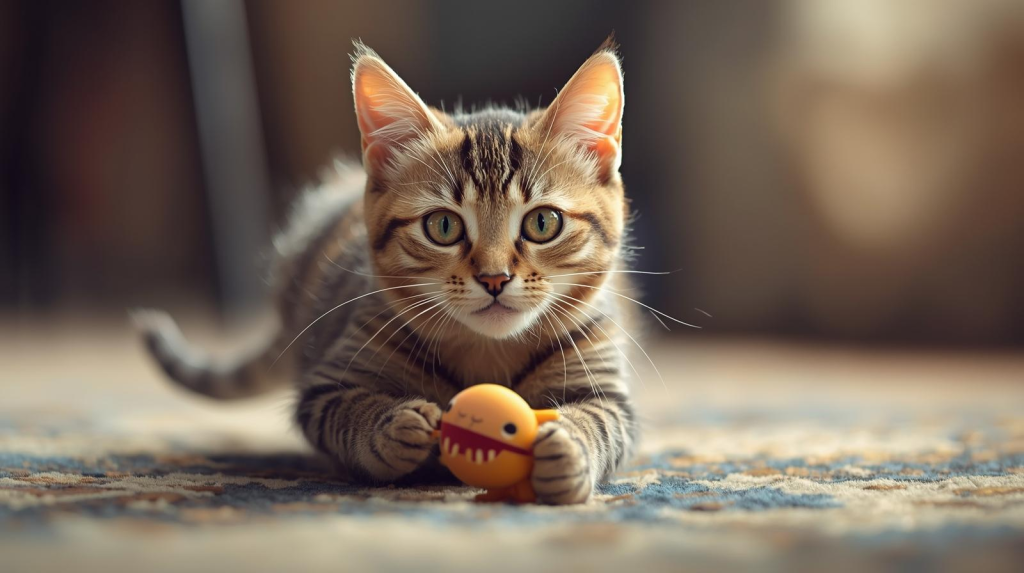

Cats are curious by nature, but when their environment lacks stimulation, boredom creeps in. A bored cat might start clawing furniture, overeating, or sleeping all day—not out of laziness, but from a lack of engagement. The good news? You can stop cat boredom with smart enrichment ideas that turn every day into an adventure. Let’s explore how to keep your feline both mentally and physically fulfilled.
Why Cats Get Bored Indoors
Even though domestic cats live safely indoors, they still retain their wild instincts. Without outlets for hunting, exploring, and problem-solving, those instincts fade into frustration. Indoor cats, especially single ones, often face long stretches of inactivity. That’s when destructive behavior or anxiety may surface.
Cats crave novelty. When their world never changes, even subtle restlessness can become full-blown behavioral issues. Think of it like giving a sharp-minded detective nothing to investigate—eventually, they’ll create their own “mystery” by knocking things off shelves just to see what happens.
The Signs of Cat Boredom
Before fixing boredom, you need to spot it. Bored cats may not always meow for help, but they send plenty of signals if you pay attention.
1. Overgrooming or Excessive Sleeping
If your cat licks their fur constantly or naps far more than usual, it may be boredom disguised as self-soothing.
2. Destructive Behavior
Scratched couches, torn curtains, or chewed cords are signs of a cat trying to release pent-up energy.
3. Aggression or Attention-Seeking
A bored cat may start swatting or meowing excessively, demanding stimulation they’re not getting elsewhere.
4. Loss of Appetite or Overeating
When there’s nothing to do, some cats lose interest in food—others use it to fill the void.
Understanding these signals is the first step to stop cat boredom before it leads to stress-related health problems.
Smart Enrichment: Engaging Your Cat’s Mind and Body
Enrichment is the key to transforming your cat’s environment into a playground of discovery. It’s not just about toys—it’s about creating opportunities for exploration, challenge, and reward.
1. Interactive Play Sessions
Playtime is the foundation of enrichment. Wand toys that mimic prey movement, laser pointers, or small balls can awaken your cat’s hunting drive. Move the toy like a bird or mouse—erratic, unpredictable, and enticing. Rotate toys every few days to keep things fresh.
Consistency matters more than duration. Even two 10-minute sessions daily can dramatically improve your cat’s happiness and reduce anxiety.
2. Puzzle Feeders and Food Games
Cats are natural problem solvers. Instead of a boring bowl, use puzzle feeders or treat-dispensing toys to make meals an adventure. Hide treats around the house or use snuffle mats that encourage foraging.
This turns eating into a stimulating challenge, satisfying your cat’s brain while managing their appetite. It’s like turning every meal into a treasure hunt!
3. Window Perches and Visual Entertainment
Cats love to watch the world go by. Install a secure window perch where your cat can safely observe birds, trees, and passing cars. You can also hang bird feeders outside the window to provide live “cat TV.”
If you live in a quiet area, consider leaving a window cracked open (with a secure screen) so your cat can enjoy fresh scents and sounds from outdoors.
4. Climbing Spaces and Vertical Territory
In the wild, cats climb to hunt or escape. Recreate that instinct with cat trees, wall shelves, or tall scratching posts. Vertical spaces give your cat confidence, exercise, and a sense of control.
For small spaces, consider modular climbing units that can be rearranged to keep the environment new and exciting. This simple change can stop cat boredom and strengthen their confidence.
5. Training and Tricks
Contrary to popular belief, cats can be trained—and they love it when done right. Clicker training, for example, teaches cats to associate a sound with a reward. You can train your cat to sit, high-five, or even jump through hoops.
Training not only strengthens your bond but also exercises your cat’s mind, building trust and focus. It’s an excellent way to stop cat boredom and encourage curiosity.
Sensory Stimulation: Beyond Toys and Play
Smart enrichment goes beyond the physical—it taps into your cat’s senses.
1. Scent Enrichment
Cats rely heavily on scent to interpret their world. Introduce new, safe smells such as cat-safe herbs (catnip, valerian, or silvervine). You can also rotate fabrics or toys between rooms so your cat explores familiar scents in new places.
2. Sound Enrichment
Soothing nature sounds or soft instrumental music can calm and engage your cat. Some cats respond positively to recordings of birds or small animal noises. Use sound enrichment sparingly to avoid overstimulation.
3. Texture and Touch
Cats love different surfaces—smooth, rough, soft, or fuzzy. Introduce a variety of textures in beds, blankets, and play areas. It’s like redecorating your cat’s environment with curiosity in mind.
Environmental Rotation: Keep Things Fresh
Cats may thrive on routine, but they also crave novelty. You can strike a balance by rotating toys, bedding, and furniture arrangements every few weeks.
Move a scratching post to a new location or swap out toy sets. Small changes keep your cat’s curiosity alive. It’s like updating their “indoor jungle” without overwhelming them.
You can even introduce seasonal enrichment—pumpkin toys in autumn, feather toys in spring, or cardboard forts during holidays. A dynamic environment prevents boredom before it begins.
Social Enrichment: Bonding and Companionship
Your presence is the most powerful enrichment tool. Talk to your cat, maintain eye contact, and gently pet them in ways they enjoy. Cats form strong attachments and need emotional engagement.
If your cat is social and your home allows it, consider adopting a compatible feline friend. Paired cats often groom, play, and nap together—reducing loneliness and stimulating healthy activity.
However, always introduce new cats gradually with scent swaps and supervised meetings to ensure harmony.
Technology for Modern Cat Enrichment
Technology has made feline enrichment easier than ever. Smart feeders, motion-sensing toys, and pet cameras let you interact even when you’re away.
Automated toys that mimic prey or random movements can keep your cat engaged during long workdays. Some even sync with smartphone apps, allowing you to schedule play remotely.
But remember—no gadget replaces your presence. Technology enhances interaction but should never replace it.
Creating a Daily Enrichment Routine
A structured routine helps your cat anticipate fun moments. Combine physical play, mental stimulation, and rest periods.
Morning: short play session before breakfast
Afternoon: window watching or puzzle feeder
Evening: interactive play and calm bonding time
By integrating variety throughout the day, you create a lifestyle that stops cat boredom and promotes balance.
Conclusion
Stopping cat boredom isn’t about filling time—it’s about fulfilling instincts. Smart enrichment helps your cat stay sharp, curious, and content. When you build an environment rich with play, challenge, and connection, you nurture not just a pet—but a thriving companion.
So start today. Add a perch, swap a toy, or try a puzzle feeder. Small changes create big joy in your cat’s world.
FAQ
1. How can I tell if my cat is bored?
Signs include excessive sleeping, overgrooming, aggression, or destructive behavior like scratching furniture.
2. How much playtime does my cat need daily?
Aim for two or three 10–15 minute sessions of interactive play each day to stop cat boredom.
3. Can puzzle feeders really help?
Yes, they mimic hunting behavior and mentally challenge your cat, preventing overfeeding and boredom.
4. What if my cat doesn’t like toys?
Try different textures or types—feathers, bells, or treats. Some cats prefer chasing light or exploring boxes instead.
5. Is adopting another cat a good idea?
If your cat enjoys company, a companion can help relieve boredom, but introduce them slowly to ensure compatibility.