
Feeding birds correctly may seem simple, yet many owners overlook the importance of a species appropriate bird diet. While seeds and pellets are common, they often fail to meet the full nutritional needs of different bird species. As a result, birds may suffer from deficiencies, low energy, or even long-term health issues.
Every bird has unique dietary requirements based on its species, size, and natural habitat. Therefore, understanding what your bird would eat in the wild provides a strong foundation for proper feeding. When you align your bird’s diet with its natural needs, you support better digestion, brighter feathers, and improved overall vitality.
Creating a balanced feeding routine does not require complicated steps. Instead, it involves choosing the right foods, offering variety, and maintaining consistency over time.
Understanding Natural Diets In The Wild
To build a species appropriate bird diet, it helps to start by looking at what birds eat in their natural environment. Different species thrive on different food sources, including fruits, seeds, insects, nectar, and vegetation. Because of this diversity, a one-size-fits-all approach rarely works.
For example, parrots often eat fruits, nuts, and seeds, while finches rely more on seeds and small plant matter. Meanwhile, insect-eating birds require protein-rich diets that mimic their natural feeding habits. When these differences are ignored, nutritional imbalances can occur.
By researching your bird’s species, you can better understand its dietary needs. This knowledge allows you to recreate a diet that closely resembles what your bird would naturally consume. As a result, your bird is more likely to stay healthy and active.
Balancing Seeds, Pellets, And Fresh Foods
Many bird owners rely heavily on seeds, but this is one of the most common feeding mistakes. While seeds are appealing to birds, they are often high in fat and low in essential nutrients. Therefore, relying on seeds alone can lead to obesity and deficiencies.
A species appropriate bird diet should include a mix of high-quality pellets, fresh fruits, vegetables, and occasional seeds. Pellets provide balanced nutrition, while fresh foods add vitamins and variety. Together, they create a more complete and satisfying diet.
However, introducing new foods may take time. Birds can be selective, especially if they are used to seeds. Gradually adding fresh options helps them adjust without stress. Over time, they will begin to accept and even enjoy a wider range of foods.
The Role Of Fresh Fruits And Vegetables
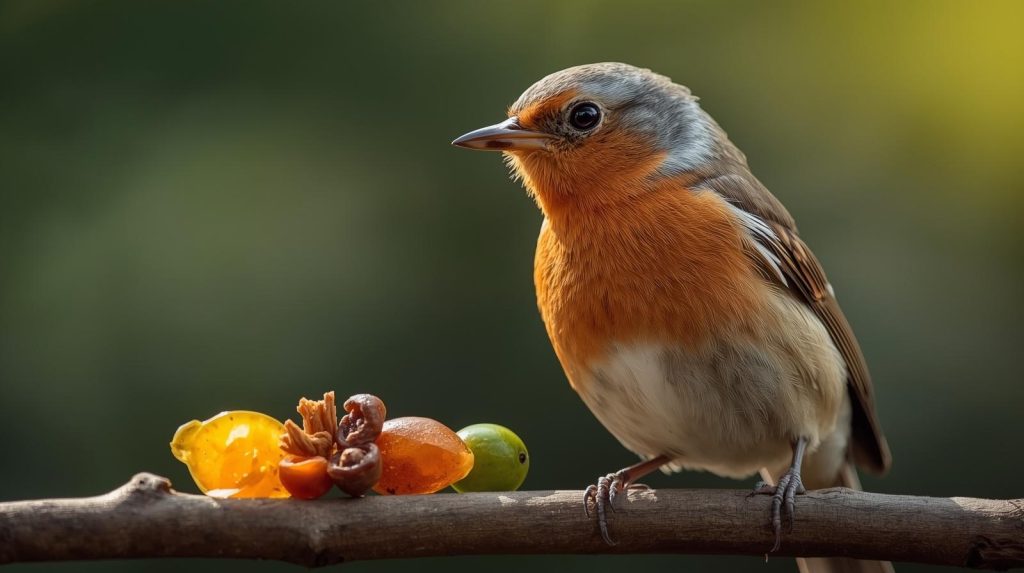
Fresh produce plays a key role in building a species appropriate bird diet. Fruits and vegetables provide essential vitamins, minerals, and antioxidants that support overall health. In addition, they help keep birds hydrated and engaged during feeding.
Leafy greens, carrots, berries, and apples are excellent choices for many bird species. However, it is important to avoid toxic foods such as avocado, chocolate, and certain seeds from fruits. Always research which foods are safe for your specific bird.
Offering a variety of produce ensures your bird receives a broad range of nutrients. Rotating different options also keeps meals interesting, which encourages consistent eating habits.
Providing Proper Portion Sizes
Even when feeding healthy foods, portion control remains essential. Overfeeding is a common issue that can lead to weight gain and health problems. Therefore, understanding how much your bird should eat each day is crucial.
A species appropriate bird diet involves adjusting portions based on size, activity level, and species. Smaller birds require less food, while larger birds need more substantial portions. Monitoring your bird’s weight and behavior helps guide these adjustments.
Additionally, removing uneaten food prevents spoilage and keeps the feeding area clean. This simple habit also allows you to track how much your bird actually consumes.
Importance Of Clean Water And Hydration
Water is just as important as food, yet it is often overlooked. A species appropriate bird diet must include constant access to fresh, clean water. Birds use water not only for drinking but also for digestion and temperature regulation.
Dirty or stale water can lead to illness, so it should be changed daily. In warmer climates, more frequent changes may be necessary. Keeping water dishes clean helps prevent bacteria buildup and supports overall health.
Some birds also enjoy bathing, which can further improve feather condition. Providing shallow water for this purpose can enhance your bird’s well-being.
Avoiding Common Feeding Mistakes
Even with good intentions, many owners make errors that disrupt a species appropriate bird diet. One common mistake is offering too many treats or human foods. While occasional treats are fine, frequent indulgence can lead to imbalances.
Another issue involves feeding the same foods every day. Lack of variety can result in nutritional gaps, even if the food seems healthy. Birds benefit from diverse diets that reflect their natural eating patterns.
Additionally, ignoring changes in behavior or appetite can signal underlying problems. Paying attention to these signs allows you to adjust feeding habits before issues become serious.
Adapting Diets As Birds Age
A bird’s dietary needs change over time, so adjustments are necessary as it grows older. Young birds require more nutrients for development, while older birds may need fewer calories but more targeted nutrition.
Maintaining a species appropriate bird diet means adapting to these changes. Regularly reviewing your bird’s condition helps ensure its diet continues to meet its needs. If your bird becomes less active, reducing calorie intake may prevent weight gain.
On the other hand, adding supplements or softer foods may benefit older birds. These adjustments support comfort and long-term health.
Encouraging Natural Foraging Behavior
Feeding is not only about nutrition but also about enrichment. Birds naturally spend time searching for food, so encouraging this behavior supports mental and physical health. A species appropriate bird diet should include opportunities for foraging.
Using puzzle feeders or hiding food in safe areas encourages activity and prevents boredom. This approach also slows down eating, which can help prevent overeating.
Engaging your bird in this way creates a more natural feeding experience. As a result, your bird remains active, stimulated, and healthier overall.
Conclusion
Creating a species appropriate bird diet requires attention, consistency, and a willingness to learn. While it may take time to adjust feeding habits, the benefits are well worth the effort. Birds that receive proper nutrition tend to be more energetic, vibrant, and resilient.
By focusing on variety, portion control, and species-specific needs, you can provide a balanced and fulfilling diet. Additionally, staying observant and flexible ensures your bird’s needs are always met.
Ultimately, feeding your bird correctly is one of the most important responsibilities you have as an owner. With the right approach, you can support a longer, healthier, and happier life for your feathered companion.
FAQ
- What foods should birds eat daily?
Birds benefit from a mix of pellets, fresh fruits, vegetables, and small amounts of seeds depending on their species. - Can birds survive on seeds alone?
No, seed-only diets often lack essential nutrients and can lead to health problems over time. - How often should I change my bird’s water?
Fresh water should be provided daily, and more often in warm conditions. - Are fruits safe for all birds?
Many fruits are safe, but some like avocado are toxic, so always check before feeding. - How do I transition my bird to a healthier diet?
Gradually introduce new foods alongside familiar ones to help your bird adjust comfortably.