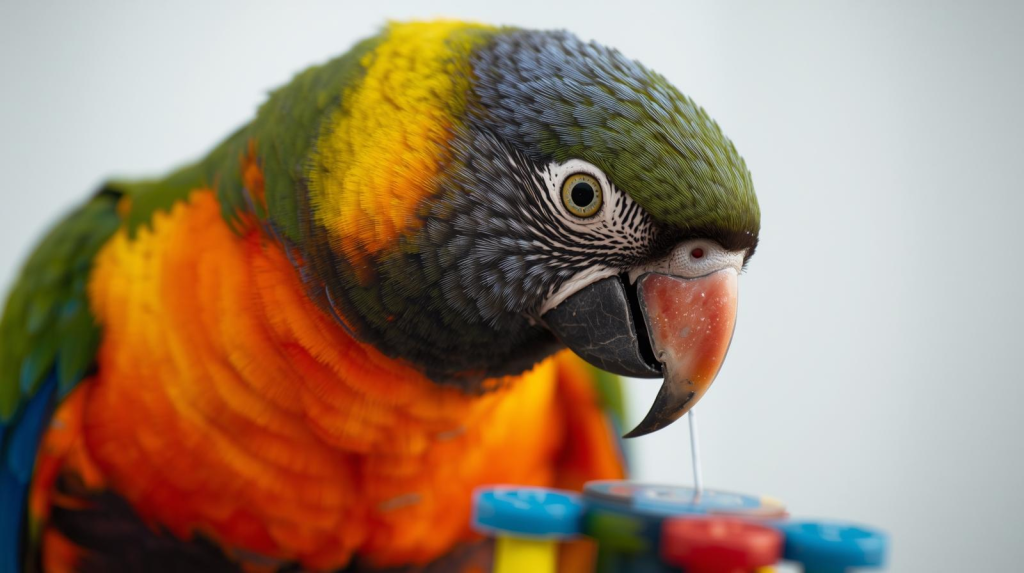

Parrots are brilliant, social creatures with a deep need for mental and emotional engagement. When living solo, your parrot depends entirely on you for entertainment, learning, and companionship. Without consistent stimulation, boredom can turn into stress or unwanted behavior. The good news? You can easily transform your parrot’s environment into an enriching playground filled with curiosity and joy.
Let’s explore the best ways to keep your solo parrot mentally stimulated and emotionally fulfilled every single day.
Understand Your Solo Parrot’s Needs
Parrots are problem solvers by nature. In the wild, they spend their days foraging, climbing, and interacting with their flock. A solo parrot in captivity doesn’t have these opportunities unless you create them.
A mentally deprived bird may scream excessively, pluck feathers, or become withdrawn. These are signs of frustration, not defiance. Understanding this helps you build a lifestyle where your parrot can think, explore, and stay emotionally balanced.
The key to success lies in variety and connection. Every change — from new toys to social time — lights up your parrot’s curious mind.
Create a Stimulating Environment
Your parrot’s environment is their entire world, so make it one that sparks discovery.
Rotate Toys for Freshness
Parrots get bored fast. Keep a rotation of 4–6 toys and switch them weekly. Include puzzles, bells, ropes, and chewable wood toys. Rotation mimics the ever-changing nature of the wild and keeps your parrot’s mind alert.
Add Natural Elements
Incorporate bird-safe branches, leaves, and perches made of apple or willow wood. Different textures awaken their senses. Even a cardboard roll or crinkled paper can turn into an adventure.
Use Visual Stimulation
Mirrors, colorful items, or soft lighting changes can spark curiosity. Watch your parrot’s reaction closely — balance stimulation with calm.
Engage in Daily Interaction
Your solo parrot looks to you for companionship and mental connection.
Talk and Sing Together
Speak to your bird often. Parrots love rhythm and tone, and repetition helps them pick up words and sounds. Try singing simple tunes or mimicking their chirps — it builds trust and language skills.
Train with Positive Reinforcement
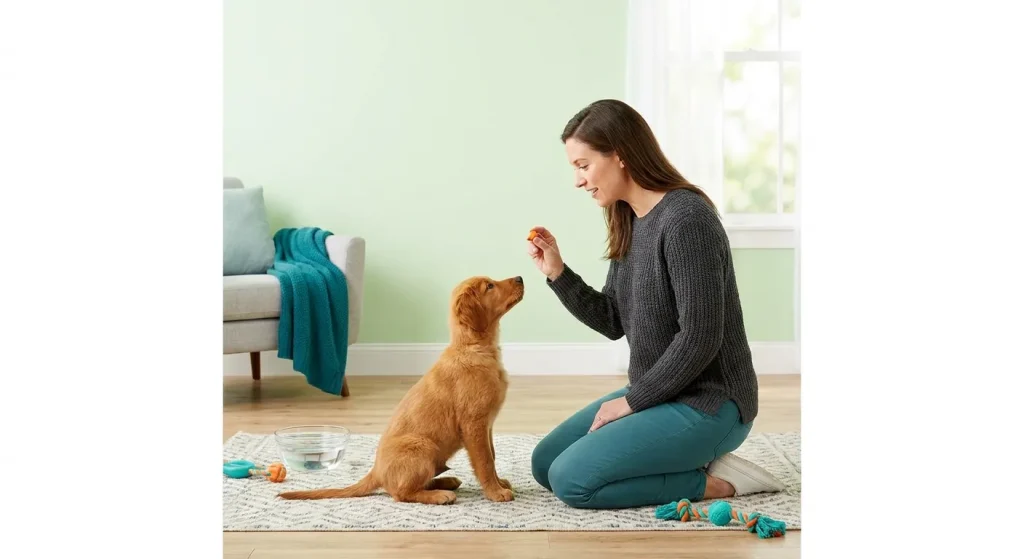
Short training sessions are incredible for mental stimulation. Teach easy commands like “step up” or “wave.” Reward effort with praise or small treats. Training deepens your bond while exercising your parrot’s focus and memory.
Offer Interactive Games
Puzzle feeders, treat hunts, and simple object games like “find the toy” engage their brain and motor skills. Each success keeps them motivated and happy.
Encourage Natural Foraging
Foraging satisfies your parrot’s natural instincts and prevents boredom.
Scatter Feeding
Hide small portions of food around their cage or play area. It turns mealtime into an exciting search mission.
DIY Foraging Projects
Fill paper cups or cardboard boxes with treats and let your parrot tear them open. The act of discovering food builds confidence and problem-solving skills.
Use Food Puzzle Toys
Commercial foraging toys with sliding doors or hidden compartments challenge your parrot’s intelligence and persistence.
Offer Emotional and Social Enrichment
A solo parrot still craves companionship, reassurance, and touch.
Quality Time Matters
Spend at least 1–2 hours of focused time daily with your bird. Talk, play, or train without distractions. This steady routine strengthens your bond.
Safe Exploration Outside the Cage
Allow your parrot supervised out-of-cage time each day. Provide perches, ropes, and toys in different rooms to give them variety and freedom.
Introduce Gentle Novelty
Move perches, change backgrounds, or add new sounds occasionally. Gradual changes keep them adaptable without stress.
Stimulate Their Senses
Parrots thrive on multi-sensory engagement.
Play Bird Sounds or Nature Music
Soft background sounds remind them of natural environments. You can play rainforest sounds or gentle classical music for calm stimulation.
Visual Enrichment
Place the cage near a window (but not in direct sunlight) so your parrot can watch outdoor life. Visual change promotes curiosity and emotional balance.
Add Colors and Textures
Introduce colorful toys or fabric-covered perches. Parrots are visual learners, and variety helps them stay engaged.
Encourage Learning and Curiosity
Your parrot’s brain loves to learn — challenge it regularly!
Teach Colors and Shapes
Hold up a colored toy and repeat the color name. With consistency, your parrot might start recognizing or mimicking the words.
Simple Tricks and Games
Teach “touch,” “spin,” or “pick up.” These short activities strengthen focus and communication skills.
Reward Exploration
When your parrot investigates something new, offer a treat. Positive reinforcement builds confidence and curiosity.
Balance Stimulation with Rest
Too much activity can overwhelm your bird. Balance is key.
Set a Predictable Routine
Parrots feel secure when they know what to expect. Keep feeding, training, and rest times consistent.
Quiet Hours for Rest
Dim lights and reduce noise in the evening. Like humans, parrots need calm periods to recharge.
Watch for Overstimulation
If your parrot seems fluffed up or withdrawn, take a break. Rest is part of healthy mental stimulation.
Conclusion
Keeping a solo parrot mentally stimulated is all about creativity, patience, and connection. When you introduce variety, play, and gentle challenges into their day, you transform their life from routine to rewarding.
A mentally active parrot is a joyful, talkative, and affectionate companion who thrives on curiosity. With consistency and love, you can ensure your solo parrot’s life is full of enrichment and emotional fulfillment.
FAQ
1. How often should I change my parrot’s toys?
Rotate toys every week to prevent boredom and maintain curiosity.
2. What’s the best daily schedule for a solo parrot?
Include regular playtime, training, feeding, and quiet rest periods each day.
3. Are mirrors safe for parrots?
Short mirror sessions are fine, but avoid overuse to prevent obsessive behavior.
4. Can parrots enjoy music?
Yes! Many parrots love soft, rhythmic tunes that engage their hearing and mood.
5. What’s a simple mental exercise I can do daily?
Hide treats in paper or cups for an easy at-home foraging game that keeps their mind sharp.