
Learning how to socialize your dog is one of the most valuable gifts you can give them. It shapes how they see the world. It influences how they react to strangers, children, other dogs, and even unfamiliar places. Most importantly, it helps your dog feel safe rather than threatened.
Socialization is not about forcing interactions. Instead, it is about teaching your dog that new experiences are normal, manageable, and even enjoyable. Think of it like building emotional muscles. The more positive reps your dog gets, the stronger their confidence becomes.
Many owners worry they started too late. Others assume their dog is “just shy” or “naturally aggressive.” However, the truth is more hopeful. With patience, structure, and the right approach, almost any dog can learn better social skills.
Let’s walk through how to socialize your dog with other dogs and humans in a way that feels safe, practical, and effective.
What It Really Means to Socialize Your Dog
Socialization is often misunderstood. It does not mean letting your dog meet every person or dog they see. Instead, it means helping your dog stay calm and neutral in different situations.
A well-socialized dog does not need to greet everyone. Rather, they feel comfortable ignoring distractions. That calm indifference is the real goal.
When you socialize your dog properly, you are teaching them how to process new sights, sounds, smells, and movements without panic. Over time, this creates emotional resilience.
Dogs that miss these experiences may react with fear or overexcitement. In contrast, dogs exposed gradually learn that the world is predictable. As a result, they make better choices.
Why Socializing Your Dog Early Makes Life Easier
Early socialization sets the foundation. Puppies experience a critical learning window between three and fourteen weeks. During this phase, their brains absorb information quickly.
Positive experiences during this time tend to stick for life. For example, a puppy gently exposed to other dogs usually grows into a relaxed adult dog. Similarly, a puppy who meets different people learns that humans come in many shapes and voices.
However, missing this window does not mean failure. Adult dogs can still learn. It simply takes more repetition and care.
Consistency matters more than age. Calm exposure, repeated often, rewires behavior over time.
Understanding Your Dog’s Comfort Zone
Before you socialize your dog, you must understand their emotional threshold. Every dog has a comfort bubble. Inside it, they feel safe. Outside it, stress builds.
Signs of stress include lip licking, yawning, stiff posture, tucked tail, and avoidance. When these appear, learning stops.
Effective socialization happens just below the stress line. This is where growth occurs. If your dog panics, the experience becomes negative.
Therefore, distance is your best tool. You can always move closer later. You cannot undo a bad experience.
How to Socialize Your Dog with Other Dogs Safely
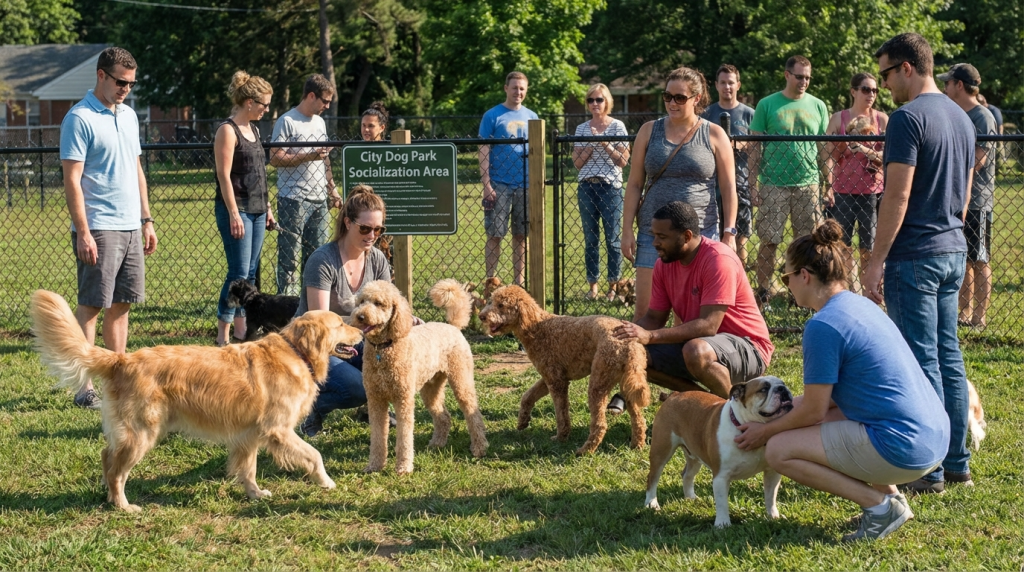
Dog-to-dog socialization is not about chaotic playgroups. In fact, random dog park visits often do more harm than good.
Start with calm, neutral dogs. Choose dogs that ignore rather than overwhelm. Controlled environments work best.
Begin with parallel walks. Two dogs walking side by side, at a safe distance, builds familiarity without pressure. Over time, the gap can close naturally.
Allow sniffing only when both dogs show relaxed body language. Loose tails, soft eyes, and curved bodies are good signs.
If tension appears, calmly increase distance. This is not a setback. It is information.
Quality always beats quantity when you socialize your dog.
Why Forced Greetings Can Backfire
Many owners push dogs together hoping they will “work it out.” Unfortunately, this approach often creates fear-based reactions.
Dogs need choice. When a dog feels trapped, defensive behaviors emerge. These reactions can include barking, snapping, or freezing.
Instead, let interactions unfold naturally. Give your dog permission to disengage. This builds trust.
A dog that trusts you will look to you for guidance. That trust is the backbone of social success.
How to Socialize Your Dog with Humans of All Kinds
Humans are unpredictable from a dog’s perspective. Voices change. Movements vary. Some people stare, hug, or reach suddenly.
Start by exposing your dog to people at a distance. Parks, sidewalks, and outdoor cafes work well. Let your dog observe without interaction.
Reward calm behavior. Calm observation deserves praise just as much as friendly greetings.
Gradually allow interaction with people who follow instructions. Ask them to ignore your dog at first. Sideways bodies and soft voices help.
Children require special care. Their movements are fast and erratic. Always supervise closely. Short, positive exposures work best.
When you socialize your dog with humans, neutrality is success.
The Role of Positive Reinforcement in Socialization
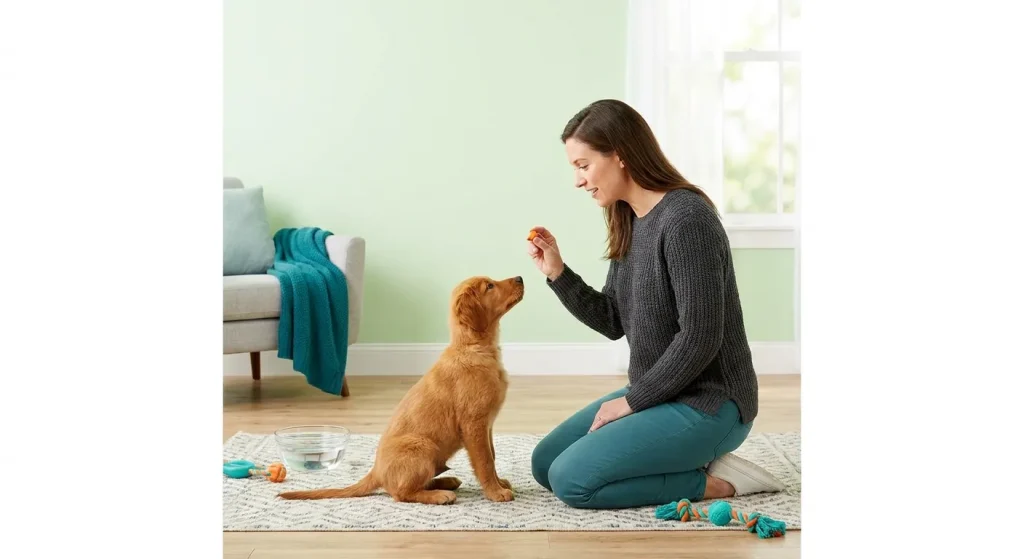
Rewards shape behavior faster than corrections. When your dog associates new experiences with good things, confidence grows.
Use high-value treats during early exposures. Small pieces work best. Timing matters more than quantity.
Reward your dog for choosing calm behaviors. Sitting, looking at you, or simply staying relaxed are all wins.
Avoid punishing fear. Fear is an emotion, not disobedience. Punishment suppresses signals without fixing the root problem.
Positive reinforcement builds trust. Trust builds progress.
Socializing an Adult Dog with a Rough Past
Rescue dogs often carry emotional baggage. Some missed early socialization. Others experienced trauma.
Patience becomes essential here. Progress may feel slow. However, small wins matter more.
Start with low-pressure environments. Quiet streets. Open spaces. Familiar routines.
Use management tools like distance and barriers. A parked car can create safety. A fence can reduce intensity.
Celebrate neutrality. Calm coexistence is a major achievement.
When you socialize your dog at this stage, consistency transforms fear into predictability.
Common Mistakes That Slow Progress
Rushing is the most common mistake. Socialization is not a race.
Another error involves flooding. Too much exposure too fast overwhelms the nervous system.
Inconsistent handling also creates confusion. Everyone in the household must follow the same rules.
Finally, ignoring stress signals leads to setbacks. Listen to your dog. They communicate constantly.
Progress follows clarity and patience.
How Environment Shapes Social Confidence
Dogs learn contextually. A dog calm at home may panic elsewhere.
Change locations gradually. Introduce new surfaces, sounds, and layouts.
Car rides, elevators, stairs, and slippery floors all matter. Each experience expands your dog’s coping skills.
Short sessions work best. End on success whenever possible.
Environment is a silent teacher when you socialize your dog correctly.
Using Training as a Socialization Tool
Basic cues create structure in social settings. Sit, down, and look at me give your dog something predictable to do.
These cues act like anchors. They reduce anxiety by offering clarity.
Practice cues around mild distractions first. Then slowly increase difficulty.
Training and socialization support each other. Together, they build emotional stability.
When Professional Help Makes Sense
Some dogs need extra support. Reactivity, aggression, or severe fear should not be ignored.
Certified trainers and behaviorists provide customized plans. They read subtle signals owners often miss.
Seeking help is not failure. It is responsibility.
Early intervention prevents long-term issues.
How Long Socialization Really Takes
Socialization is not a one-time task. It is an ongoing process.
Dogs continue learning throughout life. New experiences always require guidance.
However, the effort decreases over time. As confidence grows, reactions fade.
Think of socialization like fitness. Maintenance keeps skills strong.
Consistency today prevents problems tomorrow.
Building a Calm Future Through Socialization
When you socialize your dog thoughtfully, you are shaping their emotional health.
A confident dog enjoys more freedom. Walks feel easier. Guests feel safer. Life feels calmer.
Socialization strengthens your bond. Your dog learns you are their safe place.
That trust changes everything.
Conclusion
Learning how to socialize your dog is a journey, not a checklist. Each calm exposure adds another brick to your dog’s confidence. With patience, awareness, and positive guidance, your dog can learn to navigate the world without fear. Over time, socialization transforms uncertainty into calm curiosity, creating a happier life for both of you.
FAQ
1. At what age should I socialize my dog?
The best time is during puppyhood, but adult dogs can still learn with patience and consistency.
2. Can I socialize my dog without dog parks?
Yes. Controlled environments like walks and structured meetups are often safer and more effective.
3. How do I know if my dog is stressed?
Watch for signs like stiff posture, yawning, lip licking, or avoidance behaviors.
4. How often should I socialize my dog?
Short, frequent sessions work better than occasional intense experiences.
5. What if my dog reacts aggressively?
Stop the interaction, increase distance, and consider working with a professional trainer.