
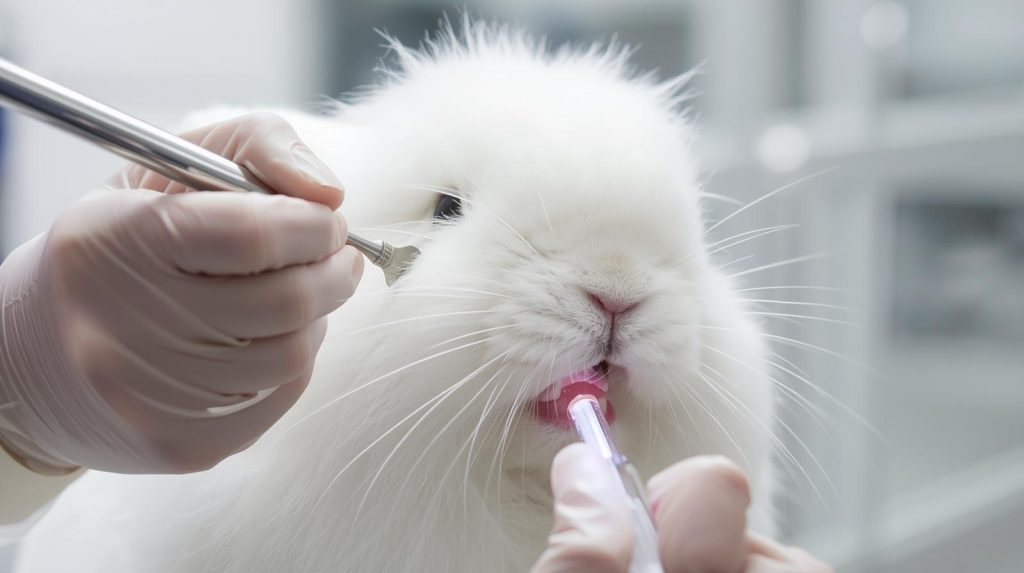

Caring for small animals goes beyond feeding and housing. Small pet dental care plays a crucial role in keeping your pet healthy and comfortable. Animals like rabbits, guinea pigs, and hamsters rely on strong teeth for eating and survival.
However, dental issues often go unnoticed until they become serious. Therefore, understanding proper small pet dental care helps prevent pain and long-term health problems.
With the right habits, you can protect your pet’s teeth and improve their quality of life. In turn, your pet will stay active, happy, and easier to care for.
Why Dental Health Matters for Small Pets
Teeth are essential for small animals. Small pet dental care ensures proper chewing, digestion, and overall health.
Many small pets have continuously growing teeth. If not worn down properly, these teeth can become overgrown. As a result, they may cause pain or difficulty eating.
Moreover, dental problems can lead to infections. These infections may spread and affect other parts of the body.
Therefore, maintaining oral health is critical. A healthy mouth supports better nutrition and long-term well-being.
Common Dental Problems in Small Animals
Understanding risks is important. Small pet dental care begins with recognizing common issues early.
Typical problems include:
- Overgrown teeth
- Misaligned teeth (malocclusion)
- Tooth abscesses
- Difficulty chewing
These issues often develop gradually. However, they can worsen quickly if ignored.
Early detection makes treatment easier. Therefore, regular observation is essential.
Signs Your Pet May Have Dental Issues
Small animals rarely show obvious pain. Small pet dental care requires careful attention to subtle changes.
Look for these warning signs:
- Reduced appetite
- Drooling or wet fur around the mouth
- Weight loss
- Difficulty chewing food
Behavioral changes may also occur. For example, your pet may become less active or avoid eating hard foods.
Recognizing these signs early helps prevent serious complications.
The Role of Diet in Dental Health
Diet is one of the most important factors. Small pet dental care depends heavily on proper nutrition.
High-fiber foods help wear down teeth naturally. For example, hay is essential for rabbits and guinea pigs.
Additionally:
- Fresh vegetables support overall health
- Limited pellets prevent overfeeding
- Avoid sugary treats that harm teeth
Chewing fibrous foods keeps teeth at the right length.
A balanced diet is the foundation of good oral health.
Importance of Hay and Chewing Materials
Hay is essential for many small pets. Small pet dental care relies on constant chewing activity.
Hay provides:
- Natural tooth wear
- Digestive support
- Mental stimulation
In addition to hay, provide safe chew toys. Wooden blocks and natural materials work well.
Avoid plastic or treated items. These can be harmful if ingested.
Providing proper chewing options prevents overgrowth and keeps teeth healthy.
Safe Toys That Promote Dental Health
Toys are more than entertainment. Small pet dental care includes providing items that encourage chewing.
Good options include:
- Untreated wood toys
- Natural fiber chews
- Cardboard tubes
These items help maintain tooth length while keeping your pet engaged.
Rotate toys regularly to keep them interesting. As a result, your pet will continue to use them.
Safe toys support both dental health and mental stimulation.
Regular Health Checks at Home
Routine checks are essential. Small pet dental care includes inspecting your pet regularly.
Look at:
- Tooth alignment
- Gum condition
- Signs of swelling
Handle your pet gently during inspections. If your pet resists, avoid forcing the mouth open.
Frequent checks help you notice changes early. Early detection leads to better outcomes.
When to Visit a Veterinarian
Professional care is sometimes necessary. Small pet dental care includes knowing when to seek help.
Visit a vet if you notice:
- Persistent eating problems
- Visible overgrowth
- Swelling or discharge
Veterinarians can trim teeth safely and treat infections.
Delaying treatment can worsen the condition. Therefore, early intervention is important.
Preventing Overgrown Teeth
Prevention is key. Small pet dental care focuses on maintaining proper tooth length.
To prevent overgrowth:
- Provide unlimited hay
- Offer safe chew toys
- Monitor diet carefully
These steps promote natural wear.
Consistent care reduces the need for medical intervention.
Creating a Dental-Friendly Habitat
Environment matters as much as diet. Small pet dental care includes a habitat that encourages activity.
Ensure your pet has:
- Enough space to move
- Access to chew materials
- Clean feeding areas
Active pets chew more often. As a result, their teeth stay healthier.
A well-designed habitat supports both physical and dental health.
Common Mistakes Pet Owners Make
Many owners unknowingly cause problems. Small pet dental care requires avoiding common mistakes.
These include:
- Feeding too many soft foods
- Ignoring early warning signs
- Providing unsafe chew items
- Skipping regular checks
Each mistake can lead to serious dental issues.
Instead, focus on consistent and informed care.
Hydration and Oral Health Connection
Water plays a role in health. Small pet dental care also depends on proper hydration.
Dehydration can affect gum health and overall well-being. Therefore, always provide fresh, clean water.
Water bottles or bowls should be cleaned regularly. This prevents bacteria buildup.
Good hydration supports healthy tissues and reduces infection risk.
Long-Term Benefits of Proper Dental Care
Consistent care leads to lasting results. Small pet dental care supports a healthier and happier pet.
Benefits include:
- Better eating habits
- Reduced risk of illness
- Increased activity levels
Additionally, your pet will experience less pain and discomfort.
Healthy teeth improve quality of life significantly.
Conclusion
Small pet dental care is essential for maintaining your pet’s health and happiness. By focusing on diet, chewing habits, and regular checks, you can prevent many common issues.
Simple steps, such as providing hay and safe toys, make a big difference. Over time, these habits create a strong foundation for long-term health.
Pay attention to your pet’s behavior and act quickly when needed. With consistent care, your small pet can enjoy a comfortable and active life.
FAQ
1. How often should I check my pet’s teeth?
Weekly checks are ideal to spot early signs of dental problems.
2. What foods help keep small pet teeth healthy?
High-fiber foods like hay are essential for natural tooth wear.
3. Can small pets live without chew toys?
No, chew toys are important for preventing overgrown teeth.
4. What are signs of dental pain in small animals?
Signs include reduced eating, drooling, and weight loss.
5. When should I take my pet to the vet for dental care?
Visit a vet if you notice eating issues, swelling, or visible tooth problems.