
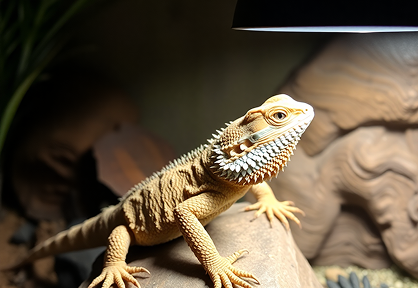

Bringing home your first reptile is exciting, but it’s also a big responsibility. Unlike cats or dogs, reptiles rely completely on their environment to survive. Their habitat isn’t just a place to live—it’s their entire world. Temperature, humidity, lighting, and enclosure size all affect how healthy and happy your reptile will be.
Setting up your first reptile habitat takes planning and care. But don’t worry—with the right setup, you can create a safe, comfortable, and natural space that your reptile will thrive in. This guide walks you through every step, from choosing the right enclosure to fine-tuning temperature and lighting.
Choosing the Right Reptile and Enclosure
Before you buy any equipment, start by understanding the needs of your reptile. Different species require different habitats. A leopard gecko, for example, thrives in a dry, warm environment, while a tree frog needs moisture and vertical space.
Size and Type of Enclosure
The enclosure is the foundation of your reptile habitat. It must mimic the reptile’s natural surroundings as closely as possible. Here are a few common options:
- Glass terrariums: Ideal for small reptiles and amphibians that need high humidity and visibility.
- Plastic enclosures: Great for maintaining temperature and humidity; easy to clean and durable.
- Screen cages: Best for species that require high airflow, such as chameleons.
Always choose an enclosure that provides room for movement. As a rule of thumb, your reptile should be able to fully stretch out without touching the walls. Bigger is usually better—especially if you plan to add decorations or climbing areas.
Secure and Safe Design
Reptiles are surprisingly good at escaping. Make sure the enclosure has a secure lid or door. Avoid sharp edges or small gaps that can cause injury or allow escape. Safety should always come first when setting up your first reptile habitat.
Creating the Perfect Temperature and Humidity
Reptiles are ectothermic, which means they rely on external heat sources to regulate their body temperature. Without proper heating, they can’t digest food, move properly, or stay healthy.
Temperature Zones
Your reptile habitat should include both a warm basking area and a cooler area. This temperature gradient allows your pet to move around and self-regulate its body heat.
For example:
- Bearded dragons: 95–105°F in the basking area, 75–85°F in the cool zone.
- Corn snakes: 85–90°F on the warm side, 70–75°F on the cool side.
- Leopard geckos: 88–92°F on the warm side, 75°F on the cool side.
Use a reliable thermometer on each side of the enclosure to track temperature accurately. Heat lamps, ceramic heaters, or under-tank heating pads are all effective, depending on the species.
Humidity Control
Humidity is equally important, especially for tropical reptiles. Too dry, and your pet may struggle to shed; too wet, and mold or respiratory issues can occur.
Here’s a quick guide:
- Desert reptiles: 20–40% humidity.
- Tropical reptiles: 60–80% humidity.
- Forest reptiles: 50–70% humidity.
A hygrometer helps you monitor humidity levels. You can maintain moisture with misting, humidifiers, or live plants. Covering part of the top of the enclosure also helps retain humidity.
Lighting: The Key to Health
Lighting isn’t just for visibility—it’s vital for reptile health. Most reptiles need two kinds of light: heat and UVB.
Heat Lamps
Heat lamps create the warmth reptiles need for digestion and energy. Position them over the basking area, and make sure they’re out of reach to prevent burns.
UVB Lighting
UVB light allows reptiles to synthesize vitamin D3, which helps them absorb calcium. Without UVB, they can develop metabolic bone disease, a painful and potentially fatal condition.
Different reptiles have different UVB needs:
- Desert reptiles: High UVB output (10.0 bulbs).
- Tropical reptiles: Moderate UVB output (5.0 bulbs).
Replace bulbs every 6–12 months, even if they still light up, since their UVB output fades over time.
For nocturnal reptiles, provide a day-night cycle using a timer to simulate natural conditions—about 12 hours of light and 12 hours of darkness.
Substrate and Habitat Design
The substrate is the flooring material in your reptile enclosure, and it plays a big role in comfort, hygiene, and humidity control.
Choosing the Right Substrate
Each species has specific needs. For example:
- Desert reptiles: Sand, reptile carpet, or tile.
- Forest or tropical reptiles: Coconut fiber, moss, or soil-based substrate.
- Snakes: Aspen bedding or paper towels for easy cleaning.
Avoid loose substrates like gravel or walnut shells that can cause impaction if ingested.
Decorations and Hiding Spots
A visually appealing habitat isn’t just for looks—it provides comfort and enrichment. Add rocks, logs, plants, and hides to make your reptile feel secure.
Every reptile needs at least one hiding spot on both the warm and cool sides of the tank. This helps them feel safe while thermoregulating.
Climbing branches, hammocks, and background textures also keep your reptile mentally stimulated. The more natural the setup, the happier and healthier your pet will be.
Feeding and Hydration Setup
Feeding your reptile the right diet is part of maintaining a healthy habitat. The food source often determines how the enclosure should be arranged.
Feeding Stations
Use shallow, stable bowls for food and water. For insect-eating reptiles, feeding dishes help prevent live prey from escaping into the enclosure.
Reptiles like snakes and lizards often prefer separate feeding spaces, especially when eating larger prey, to avoid stress or substrate ingestion.
Hydration
Clean, fresh water should always be available. Depending on your reptile’s natural habits, you may need a water dish or a misting system.
For example:
- Chameleons: Prefer dripping water rather than still bowls.
- Snakes: Enjoy soaking in shallow water dishes during shedding.
- Turtles: Require both swimming and basking areas in semi-aquatic setups.
Keep all bowls clean and refill daily to prevent bacteria growth.
Cleaning and Maintenance
A clean habitat equals a healthy reptile. Waste buildup can cause illness, bacteria growth, and odor problems.
Spot-clean the enclosure daily by removing waste and uneaten food. Deep-clean the habitat once a month by replacing the substrate, washing decorations, and disinfecting the surfaces with reptile-safe cleaner.
Always rinse thoroughly after cleaning—chemical residue can harm your pet. Regular maintenance not only keeps the habitat fresh but also helps you spot early signs of health issues, such as abnormal shedding or droppings.
Common Mistakes to Avoid
When setting up your first reptile habitat, it’s easy to overlook small details that have big consequences. Avoid these common mistakes:
- Using the wrong substrate: Certain materials can cause impaction or hold too much moisture.
- Neglecting humidity or lighting: Both are vital for your reptile’s survival.
- Overcrowding the enclosure: Too many decorations can limit movement.
- Improper heat sources: Hot rocks and unshielded bulbs can burn reptiles.
Take time to research your reptile’s exact needs. A well-planned setup means fewer health issues and a happier pet in the long run.
Conclusion
Setting up your first reptile habitat is more than an art—it’s a science. Every element, from temperature and lighting to substrate and decor, contributes to your reptile’s comfort and health.
When you create a habitat that mirrors their natural environment, you’re not just giving them a home—you’re giving them a thriving ecosystem. With the right care, your reptile will reward you with years of fascinating behavior, bright colors, and a bond that grows stronger over time.
FAQ
1. How big should my reptile’s enclosure be?
The size depends on the species, but always choose an enclosure larger than the minimum recommended size for comfort and activity.
2. Do all reptiles need UVB lighting?
Most do, especially diurnal reptiles. However, nocturnal species like leopard geckos may only need a heat source.
3. How often should I clean my reptile’s habitat?
Spot-clean daily and do a deep clean monthly, replacing substrate and disinfecting surfaces.
4. Can I use real plants in my reptile habitat?
Yes, but make sure they’re non-toxic and safe for your species. Live plants help maintain humidity and improve aesthetics.
5. How do I maintain the right humidity?
Use a hygrometer to monitor levels. Adjust by misting, adding water dishes, or using humidity-retaining substrates.