
Cats age with remarkable subtlety. One month they sprint across the room, and the next they pause before jumping. At first glance, these changes seem harmless. However, they often signal deeper shifts happening beneath the surface. That’s exactly why a senior cat health check is so important.
Unlike younger cats, seniors experience rapid internal changes. Organs slow down, joints stiffen, and immunity weakens. Meanwhile, cats instinctively hide discomfort. Because of that, visible symptoms often appear late. A structured senior cat health check catches problems early, when treatment is easier and outcomes are better.
Rather than searching for illness, senior care focuses on protection, comfort, and stability. With proper monitoring, older cats can enjoy many happy, pain-free years. This guide explains what happens during a senior cat health check, how often it’s needed, and how owners can support aging cats at home.
When a Cat Is Considered a Senior
Age doesn’t arrive all at once.
Most cats enter senior status between 7 and 10 years old. Smaller cats may age more slowly, while larger breeds often age faster. Even so, biological age matters more than birthdays.
Once senior years begin, health changes accelerate. Therefore, veterinary care must adapt. Recognizing this transition early allows preventive care to start before problems grow.
Why Senior Cat Health Checks Are Different
Senior care requires a proactive mindset.
Younger cats recover quickly from minor issues. Older cats don’t. As a result, small problems can escalate rapidly if overlooked.
A senior cat health check focuses on trends rather than single findings. Subtle weight loss, mild dehydration, or behavioral shifts provide valuable clues.
Instead of reacting to illness, senior care aims to stay ahead of it.
How Often a Senior Cat Health Check Is Needed
Frequency matters.
Most veterinarians recommend health checks every six months for senior cats. That schedule allows changes to be tracked over time instead of discovered too late.
Six months may seem short. However, for a senior cat, it represents significant aging.
Regular visits create continuity and confidence.
What Happens During a Senior Cat Health Check
Each visit follows a detailed structure.
First, your vet reviews history. Appetite, water intake, litter box habits, mobility, and behavior changes are discussed. Even small details help guide decisions.
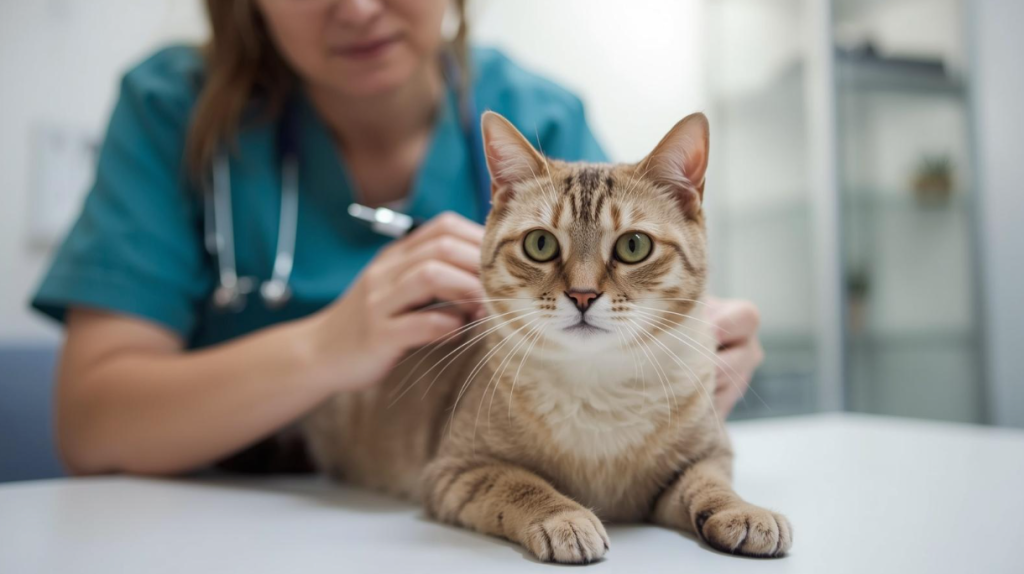
Next comes a full physical exam. Weight, hydration, heart, lungs, joints, eyes, ears, and teeth are evaluated carefully.
This comprehensive approach provides context for diagnostic testing.
Weight and Body Condition Monitoring
Weight changes speak volumes.
Senior cats often lose muscle before owners notice. Because fur hides body shape, loss can go undetected.
During a senior cat health check, precise weighing and body condition scoring reveal early trends. When weight changes appear without explanation, further testing is recommended.
Early awareness prevents decline.
Blood Work and Senior Cat Health
Blood tests reveal silent issues.
Routine panels assess kidney function, liver health, blood sugar, and thyroid levels. Many age-related diseases show abnormal values long before symptoms appear.
Kidney disease, diabetes, and hyperthyroidism are especially common in senior cats. Early detection allows treatment to begin sooner.
Blood work replaces uncertainty with clarity.
Urinalysis and Kidney Monitoring
Urinalysis completes the picture.
This test evaluates hydration, infection, crystals, and kidney concentration ability. When paired with blood work, it improves diagnostic accuracy.
Often, urine changes appear before blood values shift. Therefore, urinalysis plays a key role in senior cat health checks.
Simple tests can reveal critical information.
Blood Pressure Checks for Aging Cats
High blood pressure often hides.
Hypertension affects many senior cats and can damage kidneys, eyes, and the brain. Unfortunately, symptoms rarely appear early.
Including blood pressure measurement during a senior cat health check helps prevent irreversible damage.
Early control protects vital organs.
Dental Health and Senior Cats
Oral health impacts the entire body.
Dental disease causes chronic pain and increases the risk of heart, liver, and kidney problems. In senior cats, untreated dental issues reduce appetite and energy.
During exams, vets assess teeth, gums, and oral tissues closely. When needed, dental treatment restores comfort.
Healthy mouths support healthy bodies.
Joint Health and Mobility Assessment
Arthritis is common but subtle.
Unlike dogs, cats rarely limp dramatically. Instead, they jump less, groom poorly, or sleep more. These signs often go unnoticed.
A senior cat health check includes joint evaluation and muscle assessment. Early pain management improves movement and mood.
Comfort encourages activity.
Vision and Hearing Evaluation
Sensory changes affect behavior.
Senior cats may develop vision or hearing loss gradually. As a result, they may startle easily or avoid interaction.
Routine checks identify these changes early. With awareness, owners can adjust the home environment to reduce stress.
Adaptation preserves confidence.
Thyroid Health in Senior Cats
Hyperthyroidism deserves attention.
This common condition causes weight loss, increased appetite, restlessness, and vomiting. However, early signs may be mild.
Blood testing during a senior cat health check detects thyroid changes early. Treatment significantly improves quality of life.
Timely care makes a difference.
Digestive Health and Appetite Changes
Eating habits evolve with age.
Senior cats may become picky, eat less, or eat more. Digestive efficiency declines over time.
Your vet evaluates stool quality, hydration, and nutrition. Dietary adjustments often restore balance and energy.
Food becomes part of treatment.
Skin, Coat, and Grooming Changes
Coat condition reflects health.
Senior cats groom less due to arthritis or illness. Consequently, mats, dandruff, or thinning fur may appear.
During exams, skin and coat are examined carefully. External changes often reveal internal concerns.
Observation guides care.
Vaccinations and Preventive Care for Seniors
Prevention remains important.
Although vaccine schedules may be adjusted, senior cats still benefit from core protection. Risk-based decisions guide timing.
Parasite prevention also continues, even for indoor cats.
Balanced prevention supports longevity.
Behavior Changes That Signal Health Issues
Behavior is communication.
Increased hiding, vocalization, litter box accidents, or irritability often indicate discomfort or illness.
Rather than dismissing these changes as aging, prompt evaluation is recommended.
Early response prevents suffering.
Cognitive Changes in Aging Cats
Cognitive decline happens quietly.
Senior cats may seem disoriented, restless at night, or less interactive. These changes resemble dementia in humans.
A senior cat health check helps rule out medical causes and guide supportive strategies.
Understanding reduces anxiety.
Pain Management and Quality of Life
Comfort defines senior care.
Pain from arthritis, dental disease, or organ issues reduces enjoyment of life. Fortunately, many safe options exist.
Your vet discusses medications, supplements, and lifestyle changes based on individual needs.
Comfort restores dignity.
Nutrition Adjustments for Senior Cats
Diet evolves with age.
Senior diets focus on kidney support, joint health, and digestion. Protein quality becomes more important than quantity.
Weight management plays a central role.
Nutrition supports resilience.
Environmental Adjustments at Home
Small changes matter.
Lower litter box sides, ramps, heated beds, and accessible food areas reduce strain. These adjustments are often recommended during senior health checks.
Comfort begins in familiar spaces.
How Owners Can Prepare for Senior Health Checks
Preparation improves accuracy.
Tracking appetite, weight, water intake, and behavior provides valuable insight. Bringing notes or videos helps your vet assess changes.
Preparation turns visits into collaboration.
Common Mistakes Owners Make With Senior Cats
Mistakes are usually unintentional.
Many owners assume changes are “normal aging.” Others skip diagnostics or delay visits.
Education prevents missed opportunities.
Awareness saves time and stress.
The Emotional Side of Senior Cat Care
Senior care is emotional.
Watching a beloved companion age brings concern and uncertainty. Regular health checks provide reassurance and direction.
Support helps both cats and owners navigate aging.
Why Preventive Senior Care Extends Life
Early detection changes outcomes.
Cats receiving regular senior care often live longer and more comfortably. Pain is managed earlier. Disease progression slows.
Prevention protects quality of life.
Building a Long-Term Senior Care Plan
Consistency builds confidence.
Working with one veterinarian creates continuity. Trends become easier to recognize.
A long-term plan adapts as needs change.
Planning brings peace of mind.
Conclusion
A senior cat health check is one of the most valuable commitments you can make for your aging companion. It uncovers hidden problems early, manages discomfort, and protects quality of life. While aging cannot be stopped, unnecessary suffering can often be prevented.
By prioritizing regular senior health checks, you replace guesswork with understanding. You give your cat comfort, dignity, and more good days. Senior care is not about extending life at all costs. It’s about making every stage of life as comfortable and meaningful as possible.
FAQ
1. When should my cat start senior health checks?
Most cats benefit from senior health checks starting between 7 and 10 years of age.
2. How often should a senior cat see the vet?
Senior cats are usually seen every six months for optimal monitoring.
3. Are blood tests necessary for senior cats?
Yes, blood tests detect early disease before symptoms appear.
4. What signs mean my senior cat needs an earlier visit?
Weight loss, appetite changes, behavior shifts, or litter box issues warrant prompt care.
5. Can senior cat health checks improve lifespan?
Yes, early detection and proactive management improve both comfort and longevity.