
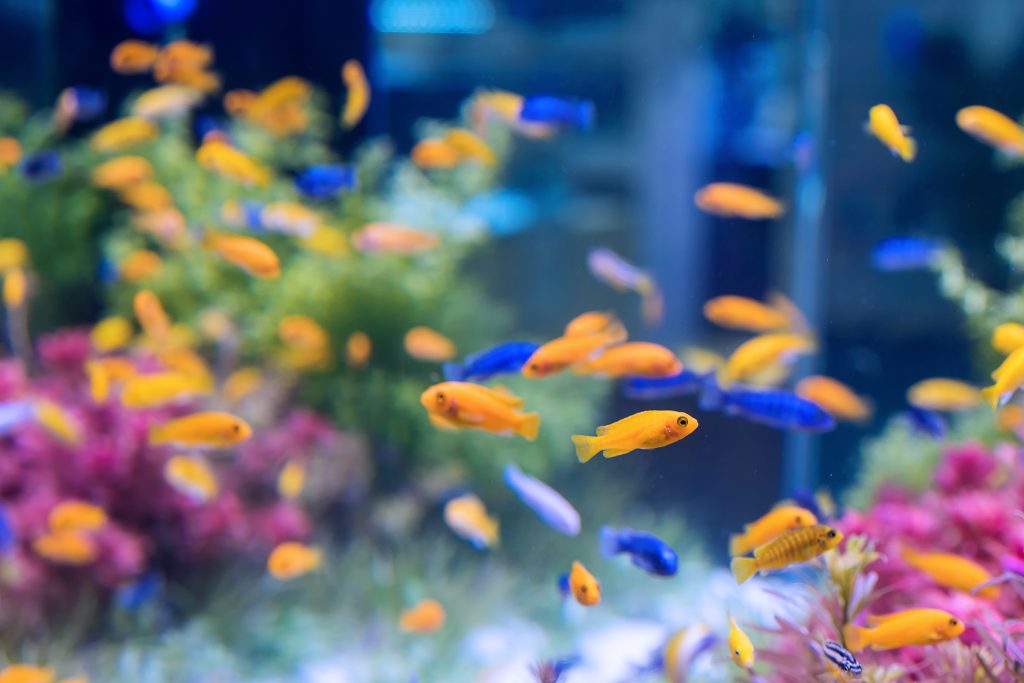

Ever notice one of your tetras or barbs hovering by itself while the rest of the group swims in perfect unison? It’s a strange sight for aquarium owners — schooling fish that choose solitude. When that happens, something is off in their environment or social structure. The good news? With the right changes, your fish can return to their natural schooling behavior in no time.
In this guide, we’ll explore the reasons why schooling fish stay alone, what it means for their health, and step-by-step solutions to restore balance and activity in your aquarium.
Understanding Schooling Behavior in Fish
Before you can fix the problem, it helps to understand why fish school in the first place. In the wild, schooling serves several purposes — survival, navigation, and even emotional stability.
Why Fish School in Nature
Schooling is nature’s defense mechanism. By moving in groups, fish confuse predators and improve their chances of survival. It also helps them find food more efficiently and maintain steady swimming patterns through shared motion cues.
In aquariums, schooling reduces stress. Fish feel safer when surrounded by their kind, creating a calmer and more confident environment. When one strays, it often signals discomfort or a deeper problem.
Signs Your Fish Is Avoiding the School
If one or more fish consistently drift away, it’s more than random behavior. You might notice them hiding behind decorations, staying near the surface, or hovering in corners. These signs point to either fear, illness, or social isolation within the group.
Common Reasons Why Schooling Fish Stay Alone
Every fish has its reason for withdrawing, but certain factors commonly trigger this behavior. Let’s break them down one by one.
1. Too Few Tank Mates
Schooling fish rely on numbers. Keeping only two or three neon tetras, for example, makes them anxious. They need at least six or more of the same species to feel secure. A small group simply doesn’t mimic the natural “safety in numbers” they depend on.
2. Poor Water Conditions
Even a mild imbalance in water quality can stress your fish. Ammonia spikes, fluctuating pH, or low oxygen levels can make them sluggish or isolated. When a fish feels physically uncomfortable, its instinct is to hide — not to school.
Regular testing and maintenance can prevent this. Clean filters, perform partial water changes weekly, and ensure the temperature suits your specific fish species.
3. Aggression or Bullying
Sometimes, the issue isn’t the lone fish — it’s the others. Dominant individuals might chase or nip at weaker ones. Over time, that bullied fish learns to keep its distance to avoid confrontation.
To fix this, observe the group during feeding times or when lights come on. If one fish is constantly targeted, consider separating the aggressor temporarily.
4. Tank Size and Layout Issues
A cramped or poorly designed tank can disrupt natural behavior. Fish need open swimming space for schooling, along with areas for retreat. Too many decorations or narrow tanks can fragment their movement.
Ideally, your aquarium should offer long, unobstructed stretches for schooling species. Rearrange decor if necessary to open up the midsection of the tank.
5. Illness or Injury
Fish that feel sick isolate themselves instinctively. It’s a survival behavior — in nature, weak fish attract predators.
Look for signs like clamped fins, faded color, rapid breathing, or refusal to eat. If any appear, quarantine the fish and check for infections or parasites before reintroducing it.
6. New Environment Stress
Introducing fish to a new aquarium can temporarily disrupt their schooling instincts. The unfamiliar surroundings and different water chemistry can cause anxiety.
Give them time. Within a few days to a week, most fish begin to relax and regroup once they feel secure.
How to Encourage Schooling Behavior Again
Once you’ve identified the cause, it’s time to take action. Encouraging your schooling fish to reconnect requires environmental stability, proper care, and social balance.
1. Increase the School Size
Add more of the same species to the tank if possible. The “magic number” for most schooling fish is at least six, but larger groups — around ten — create even stronger unity.
Adding just a few more fish can make the difference between scattered individuals and a synchronized, peaceful school.
2. Maintain Ideal Water Quality
Test your water parameters weekly using a reliable aquarium test kit. Keep ammonia and nitrite levels at zero, nitrates below 40 ppm, and maintain a stable pH.
Stable conditions not only promote schooling but also strengthen your fish’s immune system. Consistency is key — sudden changes often cause more harm than gradual ones.
3. Feed a Balanced Diet
A poor diet can affect your fish’s energy and confidence. Provide a mix of flakes, pellets, and frozen foods like bloodworms or daphnia. Variety keeps them active and vibrant.
Feed small amounts two to three times daily, ensuring they finish their food within a few minutes to avoid waste buildup.
4. Reduce Aggression in the Tank
If bullying continues, rearrange decorations or add more plants and hiding spots. This breaks up territories and diffuses tension. In extreme cases, move the aggressive fish to another tank.
Peaceful coexistence encourages schooling behavior to resume naturally.
5. Optimize Lighting and Environment
Overly bright lights can make shy species nervous, while complete darkness makes them inactive. Use adjustable LED lighting to create natural day-night cycles.
Add driftwood, live plants, or floating covers to soften the light and create a sense of safety.
6. Avoid Overcrowding
Even though fish are social, too many in one tank can cause stress. Follow the “one inch of fish per gallon” rule as a general guideline, adjusting for species size and activity level.
Creating the Ideal Tank for Schooling Fish
Think of your aquarium as a miniature ecosystem. When designed thoughtfully, it promotes calmness, balance, and social connection.
Tank Shape and Flow
Choose a rectangular tank with a horizontal layout rather than a tall, narrow one. This gives your fish space to swim side by side. Moderate water flow mimics natural currents and helps guide schooling motion.
Plant and Decoration Placement
Use live plants like java fern or anubias to create shelter but keep the center open. Avoid overcrowding the tank with ornaments that interrupt swimming patterns.
Fish feel secure when they can dart into plants but still see their school clearly.
Consistent Routine
Like humans, fish thrive on routine. Turn lights on and off at consistent times and feed them regularly. Predictability reduces anxiety and helps restore normal schooling patterns.
Behavioral Tips for Observation and Adjustment
Sometimes, fixing the environment isn’t enough. Understanding subtle cues from your fish helps maintain long-term harmony.
Watch Their Movement Patterns
Are they swimming close but not synchronized? Do they dart apart suddenly? These are indicators of mild tension or territorial discomfort.
Subtle adjustments, like repositioning a rock or reducing water flow, can correct this behavior over time.
Use Calm Tank Mates
Avoid housing schooling fish with large or aggressive species. Peaceful companions like rasboras, guppies, or corydoras make better neighbors and maintain harmony.
Add Visual Stimulation
Mirrors placed temporarily outside the tank can trigger schooling responses, as fish interpret reflections as more members of their group. Use this technique sparingly to reduce stress.
When to Seek Professional Help
If your fish remain isolated despite all adjustments, consult an aquatic veterinarian or a specialized fish care expert. Chronic isolation can signal deeper health or environmental problems that require expert diagnosis.
Early intervention ensures that problems don’t escalate into illness or death. Sometimes, even experienced aquarists need a second opinion.
Conclusion
When your schooling fish stay alone, it’s their way of telling you something is wrong. Whether it’s loneliness, stress, or poor water quality, every factor affects their behavior. The key is to listen with your eyes — observe their patterns, adjust their surroundings, and maintain stability.
By restoring balance to the tank, you’ll soon watch your fish move together again — gliding in harmony, like a living ballet of color and rhythm.
FAQ
1. Why is my schooling fish hiding all the time?
It may be stressed by poor water quality, bullying, or a lack of sufficient group members. Check your tank parameters and ensure at least six of the same species are present.
2. Can schooling fish survive alone?
While they can survive, they won’t thrive. Schooling fish depend on companionship for safety and comfort. Loneliness increases stress and weakens their immune system.
3. How long does it take for new fish to start schooling?
It typically takes a few days to a week for new fish to adjust and begin schooling once they feel comfortable in their environment.
4. Should I separate a bullied fish?
Yes, temporarily isolating a bullied fish helps it recover. You can also rearrange the tank to reduce aggression before reintroducing it.
5. What fish species are best kept in schools?
Popular schooling species include neon tetras, zebra danios, harlequin rasboras, and rummy nose tetras. They exhibit natural group behavior when kept in proper numbers.