
Providing nutritious food is one of the most important responsibilities of caring for small animals. Rabbits, guinea pigs, hamsters, mice, and other small pets depend entirely on their owners for safe and balanced diets. Because their digestive systems are delicate, even small dietary mistakes can cause health problems.
Choosing safe small pet ingredients helps ensure that animals receive proper nutrition while avoiding harmful foods. Balanced diets support digestion, maintain healthy teeth, and promote strong immune systems.
Unfortunately, many commercial foods contain fillers or sugary treats that offer little nutritional value. Instead, small pets thrive when their diets include natural ingredients that mirror their wild feeding habits.
By understanding which foods are safe and nutritious, pet owners can provide meals that support long-term health. When small animals eat high-quality ingredients, they remain energetic, active, and comfortable in their environment.
Why Ingredient Quality Matters for Small Pets
The digestive systems of many small animals are sensitive and specialized. Therefore, selecting the right foods plays a major role in maintaining overall health.
Providing safe small pet ingredients helps prevent digestive upset, nutrient deficiencies, and long-term illnesses. Many small mammals rely on fiber-rich diets to maintain proper gut function.
When diets lack adequate fiber or contain harmful additives, digestive problems may occur quickly.
High-quality ingredients also support strong immune systems and healthy growth.
Fresh vegetables, natural fibers, and species-specific foods provide nutrients that processed foods often lack.
Additionally, balanced diets help maintain proper body weight. Obesity can become a serious concern when pets consume excessive sugars or fats.
Choosing safe ingredients protects both short-term and long-term health.
Understanding Natural Diets of Small Pets
Different small pets evolved to eat different types of foods in their natural environments. Understanding these natural diets helps pet owners choose appropriate ingredients.
Building meals with safe small pet ingredients begins with learning what animals would normally eat in the wild.
Herbivorous animals such as rabbits and guinea pigs primarily consume grasses and leafy plants. Their digestive systems depend heavily on fiber.
Omnivorous rodents like hamsters and mice eat a mixture of seeds, grains, insects, and plant material.
Because of these differences, diets must be tailored to each species.
Providing foods that mimic natural diets supports proper digestion and nutrient absorption.
Matching ingredients to natural feeding behavior helps prevent many common dietary issues.
Hay and Fiber-Rich Foods
For many small herbivores, hay serves as the most important food source. Fiber plays a critical role in maintaining digestive health.
Using safe small pet ingredients such as high-quality hay ensures that animals receive the fiber they need.
Common hay options include:
• Timothy hay
• Orchard grass hay
• Meadow hay
• Oat hay
These hays support digestion while also helping wear down continuously growing teeth.
Unlimited hay should remain available for species that depend on it.
Regular hay consumption helps prevent gastrointestinal problems that can occur when fiber intake drops.
Providing fresh hay daily encourages natural grazing behavior and supports long-term digestive health.
Leafy Greens and Fresh Vegetables
Fresh vegetables offer valuable vitamins and minerals for many small animals. These foods help supplement fiber-based diets with essential nutrients.
Including vegetables among safe small pet ingredients improves nutritional balance and adds variety.
Healthy leafy greens include:
• Romaine lettuce
• Collard greens
• Dandelion greens
• Cilantro
• Parsley
These vegetables provide important vitamins while supporting hydration.
However, introducing new vegetables gradually helps prevent digestive upset.
Offering different greens throughout the week ensures pets receive diverse nutrients.
Fresh vegetables should always be washed thoroughly before feeding.
Balanced vegetable intake complements hay-based diets effectively.
Whole Grains and Seeds for Omnivorous Pets
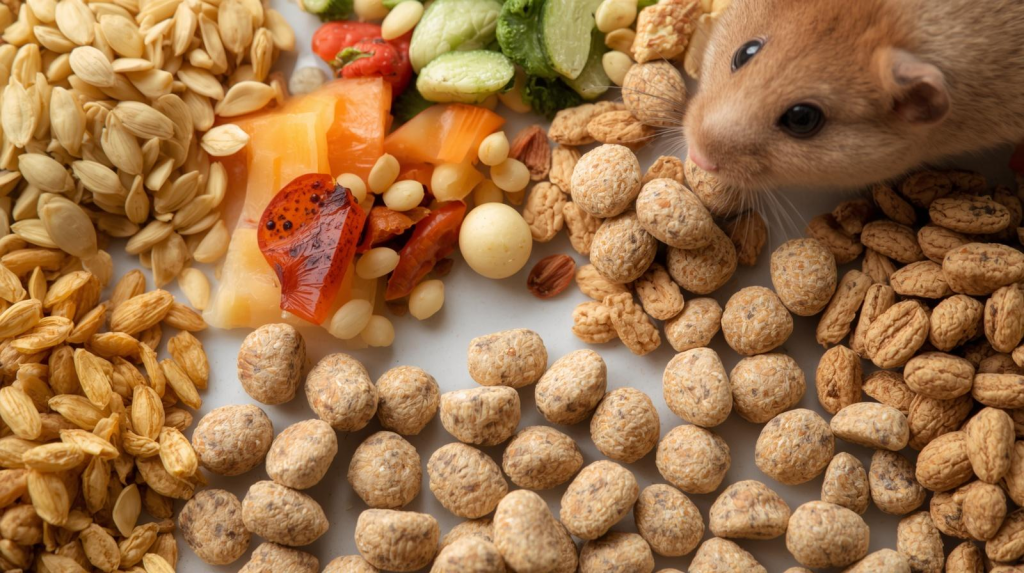
Omnivorous small animals require slightly different diets than herbivores. Hamsters, gerbils, and mice benefit from grains and seeds that provide energy and nutrients.
Including whole grains among safe small pet ingredients supports balanced nutrition for these species.
Examples of beneficial grains include:
• Oats
• Barley
• Whole wheat
• Millet
• Brown rice
Seeds may also provide healthy fats and protein when offered in moderation.
However, seeds should not dominate the diet. Excessive fat intake may lead to obesity.
Balanced grain and seed portions support energy needs while maintaining proper nutrition.
Healthy Protein Sources
Some small animals require additional protein beyond plant-based foods. Providing appropriate protein sources helps support growth and energy levels.
Adding protein to safe small pet ingredients benefits omnivorous pets and young animals.
Healthy protein options may include:
• Cooked eggs in small amounts
• Mealworms for hamsters
• Insect-based treats
• High-quality pellet foods
These foods support muscle development and metabolism.
However, protein should be provided in moderate quantities.
Too much protein can strain the digestive system in certain species.
Balanced portions ensure that protein contributes positively to nutrition.
Safe Fruits as Occasional Treats
Fruits can be enjoyable treats for many small pets. However, they should remain occasional additions rather than daily foods.
Selecting fruits among safe small pet ingredients allows owners to provide enrichment without harming nutritional balance.
Examples of safe fruits include:
• Apple slices without seeds
• Blueberries
• Strawberries
• Small banana pieces
Although fruits contain beneficial vitamins, they also contain natural sugars.
Excess sugar can lead to obesity or digestive issues in small animals.
Offering fruit once or twice per week helps maintain healthy balance.
Treats should never replace essential foods such as hay or vegetables.
Avoiding Harmful Foods
Not every food that appears safe for humans is suitable for small animals. Some ingredients can cause serious health problems.
Maintaining safe small pet ingredients means avoiding foods that may be toxic or harmful.
Common foods to avoid include:
• Chocolate
• Onions and garlic
• Caffeine
• Processed snacks
• Sugary candy
Additionally, many houseplants can be toxic if ingested.
Owners should research foods carefully before offering them to pets.
Preventing exposure to dangerous foods protects animals from illness or poisoning.
Importance of Clean Water
Water remains an essential component of small pet nutrition. Even animals that eat fresh vegetables still require access to drinking water.
Combining hydration with safe small pet ingredients ensures proper digestion and body function.
Fresh water should always remain available.
Water bottles or shallow bowls may be used depending on the species.
Containers should be cleaned regularly to prevent bacteria buildup.
Hydration helps maintain kidney function, digestion, and body temperature.
Providing clean water alongside nutritious foods supports complete health.
Monitoring Health Through Diet
Diet quality often becomes visible through a pet’s appearance and behavior. Owners can monitor these signs to evaluate nutrition.
Pets receiving safe small pet ingredients usually show positive health indicators.
Healthy animals often display:
• Bright, alert eyes
• Smooth fur or coat
• Active movement
• Consistent appetite
• Healthy body weight
Poor diets may cause rough fur, lethargy, or digestive issues.
Observing pets regularly allows owners to adjust feeding habits when necessary.
Balanced nutrition promotes stable health over time.
Creating a Balanced Feeding Routine
Establishing consistent feeding habits helps maintain stable digestion and energy levels.
Using safe small pet ingredients within a routine feeding schedule supports proper nutrition.
Most small pets benefit from daily access to staple foods such as hay.
Vegetables and pellets may be offered once or twice daily depending on species.
Treats should remain occasional additions rather than frequent meals.
Consistent feeding schedules help regulate digestion and appetite.
Routine care also strengthens the bond between pets and their owners.
Conclusion
Choosing safe small pet ingredients is essential for maintaining the health and well-being of rabbits, guinea pigs, hamsters, and other small animals. Nutritious foods support digestion, immune function, and long-term vitality.
Understanding natural feeding habits allows pet owners to select foods that closely match what animals would eat in the wild.
High-quality hay, fresh vegetables, balanced grains, and moderate protein sources create well-rounded diets.
Additionally, limiting sugary treats and avoiding harmful foods protects animals from health risks.
When small pets receive safe and nutritious ingredients, they remain active, comfortable, and healthy.
Providing balanced nutrition remains one of the most meaningful ways to care for these beloved companions.
FAQ
1. What foods are safest for small pets to eat daily?
Most small herbivores should eat unlimited hay, fresh leafy greens, and species-specific pellets.
2. Can small pets eat fruits regularly?
Fruit should be given only occasionally because many fruits contain natural sugars.
3. Why is hay important for rabbits and guinea pigs?
Hay provides fiber that supports digestion and helps wear down continuously growing teeth.
4. Are commercial seed mixes healthy for rodents?
Some mixes contain excessive fats or sugars, so balanced portions and high-quality blends are important.
5. How can I tell if my pet’s diet is healthy?
Healthy pets usually show bright eyes, smooth fur, steady appetite, and active behavior.