
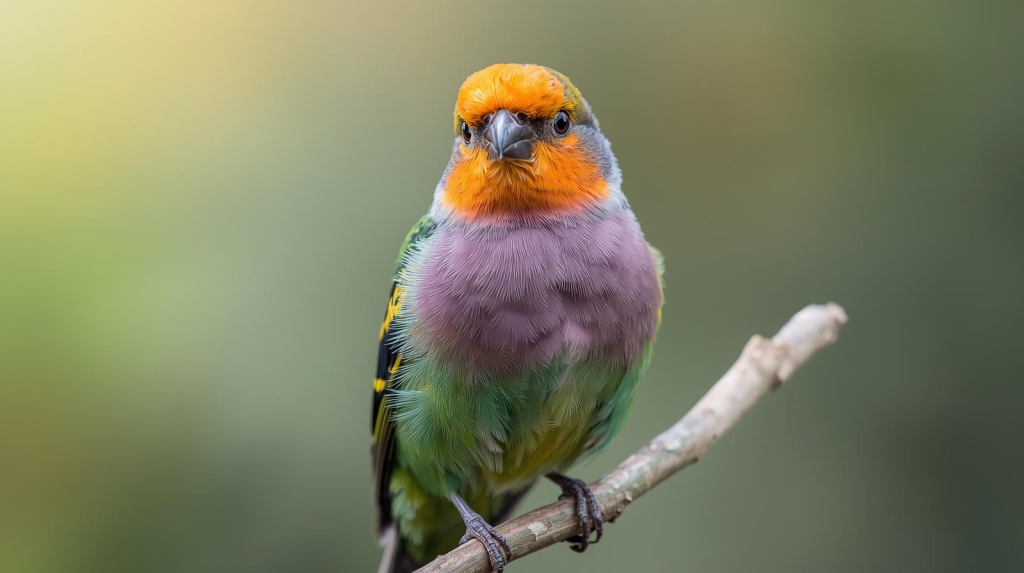

Living with a pet bird is like caring for a highly intelligent child—curious, sensitive, and deeply observant. Birds thrive on consistency and familiarity, and when that’s disrupted, they often react with anxiety or behavioral problems. Establishing a reliable routine for pet birds not only prevents stress but also strengthens your bond.
Let’s explore why structure matters so much, how birds perceive change, and how you can create a daily rhythm that keeps your feathered friend calm, confident, and happy.
Why Routine Is Crucial for Pet Birds
Birds are creatures of habit. In the wild, they follow natural rhythms—the sunrise, feeding times, flock calls, and resting hours. These patterns give them a sense of safety. When we bring birds into our homes, we remove many natural cues. A structured routine for pet birds replaces those missing rhythms with predictability.
A predictable environment reduces stress hormones like cortisol. It also minimizes destructive behaviors such as feather plucking, screaming, or aggression. When a bird knows what’s coming next, it feels secure—much like how humans relax when they can rely on daily consistency.
How Birds React to Unpredictability
Ever noticed your bird acting moody or withdrawn after a sudden schedule change? Birds are sensitive to even small disruptions. A delayed feeding time, an unexpected visitor, or a different sleeping schedule can trigger anxiety.
Unpredictability confuses them. They may interpret changes as threats, especially if they’re prey species like parrots or cockatiels. Stress manifests in ways such as:
- Excessive screaming or biting
- Feather picking
- Loss of appetite
- Lethargy or pacing
By recognizing these signs early, you can restore stability before stress takes hold.
Creating a Consistent Daily Routine
Consistency doesn’t mean rigidity—it’s about balance. You’re not programming a robot; you’re creating rhythm and reassurance.
A healthy routine for pet birds usually includes:
1. Morning wake-up and sunlight exposure
Open the curtains or use a full-spectrum light around the same time each morning. Birds depend on light cycles to regulate hormones, appetite, and mood.
2. Regular feeding schedule
Feed your bird at predictable times. Morning and late afternoon feedings mimic natural foraging rhythms. Avoid skipping meals or changing feeding hours abruptly.
3. Interaction and playtime
Daily social engagement is essential. Spend time talking, training, or playing with your bird at roughly the same time each day. Predictable interaction helps them look forward to bonding moments.
4. Quiet time and rest
Birds need 10–12 hours of uninterrupted sleep. Dim lights, lower noise levels, and cover their cage at bedtime. Keeping a consistent “lights out” schedule prevents fatigue-related stress.
5. Cleaning and cage maintenance
Perform light cleaning daily—replace water, remove droppings, and tidy toys. Do deep cleaning weekly at a set time, so your bird learns to expect the disruption.
Small, repetitive actions create a safe emotional framework. The goal is to make your bird feel confident, not startled by change.
Building Trust Through Routine
Trust is the foundation of every healthy human–bird relationship. A consistent routine signals reliability. Birds quickly learn that you’re not a threat—you’re the provider of food, safety, and companionship.
When you feed your bird at the same time, approach the cage gently, and speak consistently, your bird associates you with calm predictability. Over time, they respond more positively to training and handling.
Imagine routine as a silent language of trust. It tells your bird, “You’re safe here. You can relax.” That’s a powerful message for such alert creatures.
The Role of Environment and Enrichment
Even within a routine, birds need stimulation. A boring schedule without enrichment can lead to frustration. Balance is key.
Rotate toys weekly to maintain interest while keeping the placement predictable. Offer foraging challenges—like hiding treats or changing perch positions slightly—to encourage natural instincts without causing stress.
Environmental cues such as music, natural light, and background sounds (like gentle talking or soft radio) help maintain a familiar ambiance. Avoid sudden loud noises or rearranging the cage too often; these break the illusion of stability.
Handling Change Without Causing Stress
Life happens—vacations, guests, vet visits. The trick is managing these changes gracefully.
When change is unavoidable, ease your bird into it gradually. For instance, if you plan to adjust bedtime by an hour, shift it by 10–15 minutes each day. Introduce new caregivers before leaving for a trip, so your bird feels comfortable with them.
Routine acts as a buffer. Birds with an established rhythm handle disruptions far better than those without one because they have a strong psychological baseline of security.
Common Mistakes to Avoid
Even well-meaning owners can accidentally create stress. Here are some pitfalls to steer clear of:
- Inconsistent feeding or bedtime – causes confusion and irritability.
- Sudden loud environments – frightens sensitive species.
- Too much handling – overwhelms shy or new birds.
- Neglecting mental enrichment – leads to boredom and behavioral issues.
- Skipping social interaction – makes birds feel isolated and anxious.
Awareness is half the battle. The rest comes down to patience and mindful observation.
Making Routine a Lifestyle
The longer you maintain a steady routine for pet birds, the more it becomes second nature—for both of you. You’ll start to notice patterns: when your bird gets playful, hungry, or tired.
Over time, routine turns your relationship into a partnership built on understanding. Your bird feels seen, secure, and valued. In return, you enjoy fewer behavioral challenges, a happier companion, and a peaceful home environment.
Conclusion
Establishing a daily routine for pet birds is one of the most loving things you can do. It’s not about control—it’s about communication. Birds thrive when they can predict their world, and you become their anchor of stability.
With a reliable schedule, gentle consistency, and enriching activities, your feathered friend will not just survive but truly flourish in your care.
FAQ
1. How do I start a routine for my pet bird?
Begin with consistent feeding, light exposure, and bedtime. Introduce structure gradually so your bird adjusts comfortably.
2. Can changing the cage location stress my bird?
Yes, moving the cage can disrupt their sense of security. If necessary, transition slowly and reassure your bird with familiar sounds and toys.
3. How many hours of sleep do pet birds need?
Most pet birds need 10–12 hours of uninterrupted sleep to maintain hormonal balance and reduce stress.
4. What happens if I miss a routine feeding?
Occasional changes are fine, but frequent disruptions may cause anxiety or aggression. Consistency keeps your bird’s trust intact.
5. Can I change my bird’s routine later?
Yes, but make adjustments gradually—shift times slightly each day so your bird adapts without stress.