
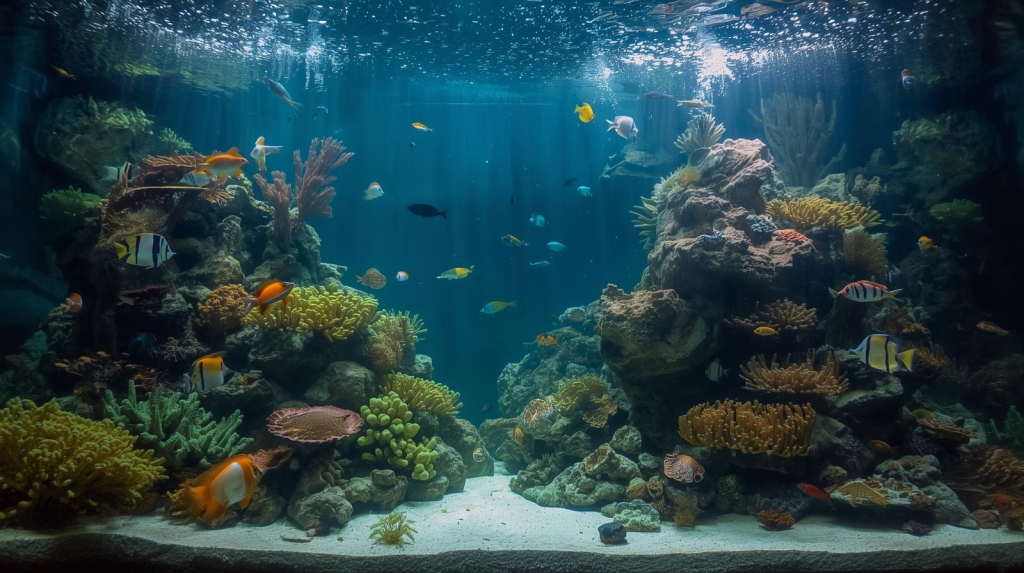

Keeping your aquarium clear and algae-free is one of the biggest challenges for fish owners. Algae can quickly turn a beautiful tank into a murky mess, making it harder for your fish to thrive and ruining the view. If you’ve ever wondered how to remove algae from your aquarium effectively and prevent it from coming back, you’re in the right place. Let’s dive into practical strategies that work — and help you maintain that crystal-clear beauty every aquarist dreams of.
Understanding Algae in Your Aquarium
Before learning how to remove algae from your aquarium, it helps to understand what causes it. Algae are simple plant-like organisms that thrive in water where light and nutrients are abundant.
While a small amount of algae is normal — even beneficial for balancing your tank — an overgrowth can cloud the water, coat decorations, and stress your fish. Common types include green algae, brown algae (diatoms), and blue-green algae (which are actually bacteria). Each type signals different imbalances, such as too much light, excess nutrients, or poor water circulation.
When you identify which type is spreading, you can target your cleaning method more effectively.
Why Algae Overgrowth Happens
Algae growth isn’t random. It’s usually a result of a few key factors working together. Understanding these will help you prevent future outbreaks.
- Excess Light: Leaving your aquarium lights on for more than 8–10 hours daily can encourage algae blooms.
- Nutrient Imbalance: Uneaten food, fish waste, and decaying plants release nitrates and phosphates — algae’s favorite meal.
- Poor Water Flow: Still water areas can allow algae to cling and grow faster.
- Infrequent Cleaning: Skipping water changes or filter maintenance lets algae take over.
By managing these elements, you’ll create an environment where algae struggles to survive.
How to Remove Algae from Your Aquarium
When you notice algae spreading, don’t panic. Removing it is easy with the right steps and a consistent approach.
1. Scrub Tank Surfaces
Start by gently scrubbing the glass using an algae scraper or magnetic cleaner. Move slowly to avoid scratching. For decorations and rocks, take them out and scrub them under running water using a soft brush — but avoid soap or detergents, as they can harm your fish.
2. Vacuum the Substrate
Algae can cling to gravel or sand. Use a gravel vacuum during your next water change to remove algae films and trapped debris. This also improves water quality and oxygen circulation.
3. Clean the Filter
Your filter can harbor trapped algae spores. Rinse filter media in aquarium water (not tap water) to preserve beneficial bacteria while removing buildup. Check your filter regularly to ensure good water flow.
4. Perform Partial Water Changes
Replacing 20–30% of your tank’s water weekly helps dilute excess nutrients and keep conditions stable. Use a water conditioner to remove chlorine before adding fresh water.
5. Introduce Algae-Eating Fish or Snails
Nature offers great helpers! Species like Siamese algae eaters, otocinclus catfish, and nerite snails love munching on algae. Just make sure they’re compatible with your existing tank inhabitants.
6. Adjust Lighting Duration
Use a timer to keep aquarium lights on for about 8 hours daily. If natural sunlight hits the tank, move it or use a curtain to block direct rays that promote algae growth.
7. Balance Nutrients
Feed fish only what they can eat in 2–3 minutes, once or twice a day. Overfeeding leads to decaying food, which fuels algae blooms. Also, consider using a high-quality aquarium plant fertilizer sparingly if you have live plants.
Preventing Algae from Returning
Once you remove algae from your aquarium, keeping it away requires ongoing maintenance. Prevention is easier — and cleaner — than constant scrubbing.
1. Maintain Regular Cleaning Habits
Stick to weekly water changes and monthly filter cleanings. Consistency keeps your water parameters balanced, reducing algae’s chances of growing.
2. Add Live Plants
Live plants compete with algae for nutrients, making it harder for algae to thrive. Fast-growing species like hornwort or anubias are great options for natural balance.
3. Monitor Water Quality
Use a test kit to check nitrate and phosphate levels regularly. Keep nitrates under 20 ppm and phosphates under 0.5 ppm to discourage algae growth.
4. Use UV Sterilizers
A UV sterilizer kills free-floating algae spores before they settle. It’s a safe, low-maintenance option for larger aquariums prone to green water.
5. Avoid Overcrowding Fish
Too many fish means more waste and faster algae growth. Keep your fish load within recommended limits for your tank size.
Natural and Chemical Algae Control Methods
Sometimes, even with perfect maintenance, algae may still appear. Let’s explore natural and safe chemical methods for extra support.
Natural Control Methods
- Manual Cleaning: The most basic but effective method.
- Algae Eaters: Snails, shrimp, and certain fish species consume algae directly.
- Plant Competition: Live plants outcompete algae for nutrients.
Chemical Treatments
If the infestation is severe, you can use an aquarium-safe algaecide. Follow the instructions carefully and avoid overdosing, as chemicals can stress fish or kill beneficial bacteria. Use chemicals as a last resort and focus on prevention afterward.
Balancing Light and Nutrients
Light and nutrients are the two biggest factors in algae control. Striking the right balance is key to keeping your aquarium crystal clear.
Reduce lighting time, and if your tank receives too much sunlight, move it away from windows. Control nutrient buildup through careful feeding, regular water changes, and good filtration. Think of it like balancing a diet — too much of anything leads to problems.
A well-balanced aquarium is like a miniature ecosystem. When everything works in harmony, the water stays clear, the fish thrive, and algae stays under control.
Troubleshooting Stubborn Algae Problems
Even with all precautions, you might still face recurring algae issues. Here’s how to handle them.
- Green Water: Caused by excess light and nutrients. Use a UV sterilizer or blackout method for 3–4 days.
- Brown Algae: Common in new tanks. Improve lighting and water flow, and it should fade naturally.
- Blue-Green Algae: Actually cyanobacteria. Clean thoroughly and increase water circulation.
- Hair Algae: Remove manually and balance nutrient levels.
Identifying the specific type helps you tailor the solution and prevent future outbreaks.
Conclusion
Learning how to remove algae from your aquarium is about more than just cleaning — it’s about understanding the delicate balance of your tank’s ecosystem. With consistent maintenance, balanced lighting, proper feeding, and a few natural allies, you can enjoy a crystal-clear aquarium where your fish flourish. Remember, prevention is always easier than cure. Keep up with routine care, and your tank will reward you with beauty, clarity, and peace.
FAQ
1. How often should I clean algae from my aquarium?
You should clean visible algae weekly and perform partial water changes every 7–10 days to maintain water balance.
2. Are algae bad for my fish?
A small amount of algae is harmless, but overgrowth can deplete oxygen, block light, and stress your fish.
3. Can I use household cleaners to remove algae?
No. Avoid all soaps and chemicals. Only use aquarium-safe tools and water for cleaning.
4. What fish eat algae naturally?
Siamese algae eaters, otocinclus catfish, plecos, and nerite snails are great natural algae removers.
5. How do I prevent algae in a planted tank?
Control light exposure, avoid overfeeding, prune plants regularly, and maintain consistent water changes.