
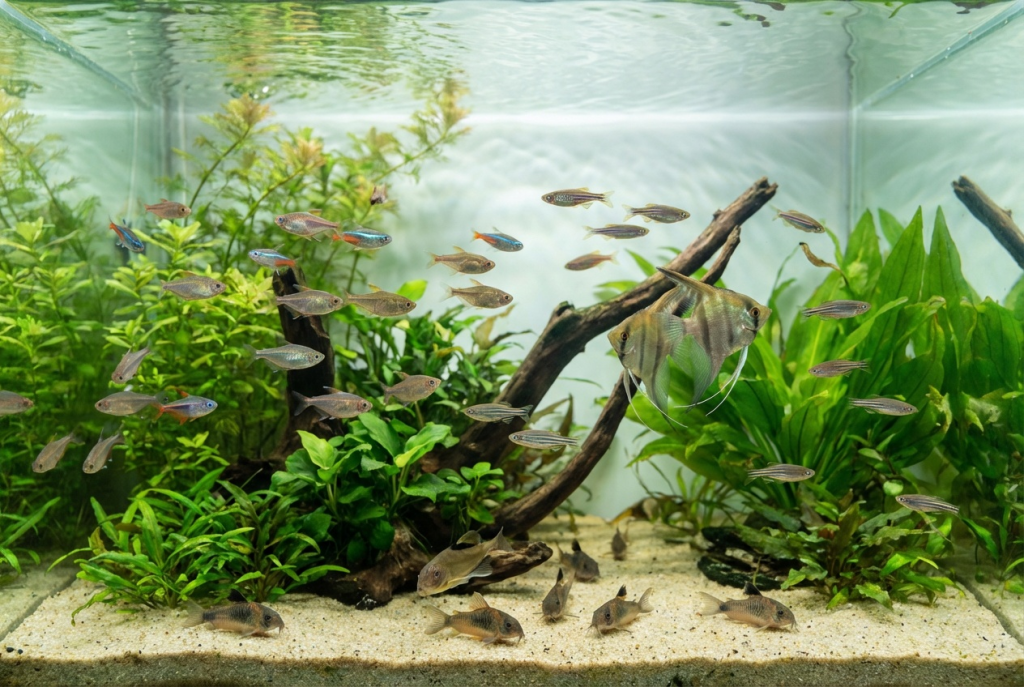

Learning how to reduce aggression in fish is one of the most important skills any aquarist can develop. Aggression isn’t random. It has causes, triggers, patterns, and predictable outcomes. When you recognize what drives territorial behavior, you can shape your tank into a calmer, safer, more cooperative environment. Even naturally aggressive species can live more peacefully when their needs are understood and respected.
Territorial aggression is one of the most common problems in both freshwater and marine aquariums. Fish guard space to survive, whether they’re protecting food, defending breeding grounds, or establishing hierarchy. In captivity, tanks often limit their natural movement and compressed territories create conflict. But aggression doesn’t have to dominate your aquarium. By creating the right setup, offering proper stimuli, and understanding each species’ nature, you can dramatically reduce tension.
Your goal isn’t to eliminate aggression completely — many species instinctively express dominance. Instead, your goal is to reduce aggression to healthy, manageable levels that prevent injury. When you reduce aggression in fish, your tank becomes calmer. Fish behave naturally without fear. Colors brighten, appetites improve, and lifespans increase.
A peaceful tank doesn’t happen by accident. It happens through intention.
Why Aggression Happens in Territorial Fish
Before you can reduce aggression in fish, you need to understand why it appears. Territorial behavior is built into many species, especially cichlids, bettas, gouramis, wrasses, and certain barbs.
Fish become aggressive because of:
• Competition for space
• Breeding urges
• Overcrowding
• Resource guarding
• Incompatible tankmates
• Lack of hiding areas
• Stress from poor water conditions
• Unbalanced gender ratios
Aggression is communication. It tells you that something in the environment is off. Once you recognize these signals, you can address the root cause rather than reacting to the symptoms.
Territorial fish don’t attack randomly. Their aggression usually follows patterns, and those patterns reveal how to calm them.
How to Reduce Aggression in Fish with Proper Tank Size
Tank size is the foundation of peaceful behavior. When a fish doesn’t have enough space, territorial tension skyrockets. Even peaceful species become defensive in cramped environments.
Territorial species need room to:
• Establish boundaries
• Swim freely
• Avoid rivals
• Claim hiding places
• Reduce visual contact
Small tanks compress territories, forcing fish into unwanted confrontations. Large tanks allow natural separation.
For example:
• Bettas prefer 5–10 gallons
• African cichlids thrive in 55+ gallons
• Gouramis need horizontal space
• Barbs need room to school
When you reduce aggression in fish by giving them proper space, conflicts naturally decline.
Aquascaping to Reduce Aggression in Fish
Tank layout plays a huge role in aggression control. The right aquascape creates visual barriers, hiding spots, and territory boundaries. The wrong layout creates open areas where dominant fish control everything.
To reduce aggression in fish, focus on breaking line of sight. When fish cannot see each other constantly, they feel less threatened.
Use:
• Rocks
• Driftwood
• Dense plants
• Caves
• Overhangs
• Vertical decorations
Territorial fish rely heavily on sight. When you block sightlines, you block aggression.
Dividing the tank into zones helps fish claim separate areas. Each zone reduces stress by giving fish privacy.
Adding Plenty of Hiding Places
Hiding places are essential for reducing aggression. Submissive fish need safe spaces to retreat without being chased. When they cannot hide, they experience chronic stress.
Offer hiding options for every tank level:
• Surface: floating plants, tall stems
• Mid-level: caves, driftwood, rockwork
• Bottom: tunnels, stacked stones, substrate shelters
The more hiding places you create, the easier it becomes to reduce aggression in fish naturally.
Using Schooling Behavior to Reduce Aggression
Some territorial species behave better within groups. Schooling fish thrive in numbers because it diffuses aggression across the group rather than targeting a single individual.
For example:
• Tiger barbs behave peacefully in groups of 8+
• Tetras feel safer in schools of 6–10
• Zebra danios calm down in large groups
In small groups, these species turn hostile. In large groups, they distribute dominance more evenly.
Using schooling behavior is one of the simplest ways to reduce aggression in fish without changing tankmates.
Matching Compatible Tankmates
Not all fish belong together. Mismatched temperaments cause constant stress. When choosing tankmates, consider:
• Temperament
• Size
• Swimming zone
• Diet
• Activity level
• Water parameters
Fast swimmers may stress slow species. Bottom dwellers may clash with other bottom dwellers. Large fish may view small fish as prey.
To reduce aggression in fish, select breeds that thrive in similar environments and display similar energy levels.
Avoid pairing:
• Bettas with fin-nippers
• Cichlids with peaceful slow fish
• Aggressive barbs with soft-bodied species
Compatibility prevents conflict before it starts.
Maintaining Stable Water Conditions
Poor water quality increases aggression because it increases stress. Fish in contaminated or unstable environments lose patience, become irritable, and lash out.
Keep water parameters stable by:
• Performing weekly water changes
• Testing regularly
• Maintaining filter media
• Avoiding sudden chemical changes
• Preventing ammonia spikes
Stable environments reduce stress hormones, which helps reduce aggression in fish.
Feeding Properly to Prevent Aggression
Hunger triggers conflict. Food competition is one of the biggest aggression triggers in territorial species.
To reduce aggression in fish during feeding:
• Spread food across the tank
• Feed in multiple locations
• Use sinking and floating foods
• Offer frequent small meals
• Avoid long fasting periods
Well-fed fish are calmer and less likely to chase tankmates. A balanced diet also prevents nutrient-based stress reactions.
Reducing Aggression with Gender Balance
Gender ratio matters greatly, especially in livebearers and cichlids. Too many males cause constant rivalry.
To reduce aggression in fish:
• Keep 1 male to 2–3 females in livebearers
• Keep harems in gouramis and certain cichlids
• Avoid keeping multiple male bettas
• Choose peaceful male-to-male combinations in small species
Balanced ratios reduce mating pressure and territorial fighting.
Using Dither Fish to Calm Aggression
Dither fish are fast, confident species that reduce fear in territorial fish. They create movement in the tank, signaling safety, and diffusing aggression.
Examples include:
• Danios
• Rasboras
• Certain tetras
When dominant fish see dither fish swimming freely, they feel less defensive. This reduces aggression overall and creates a calmer environment.
Rearranging the Tank to Reset Territories
If aggression becomes too intense, rearranging the tank can help. When you change the layout, you erase established territories. This forces all fish to renegotiate space equally.
Rearrange when:
• Introducing new fish
• A dominant fish becomes aggressive
• You notice territorial boundaries forming too strongly
This method works especially well for cichlid tanks.
Rearranging helps reduce aggression in fish by leveling the playing field.
When to Separate Aggressive Fish
Sometimes separation becomes necessary. A fish may be overly dominant, sick, or incompatible with the tank. Use a divider or secondary tank if:
• A fish injures others
• Multiple fish hide constantly
• Colors fade from stress
• Severe fin damage appears
• Aggressive behavior escalates daily
Separating fish is not a failure — it’s protection.
Reducing aggression means understanding when a species cannot coexist, no matter the strategy.
The Role of Lighting in Territorial Behavior
Bright lighting exaggerates aggression in some species. Harsh light removes shadows, exposes hiding areas, and increases stress.
To reduce aggression in fish, use:
• Dim lighting
• Floating plants
• Adjustable LED settings
• Diffused light effects
Soft lighting creates a calmer environment and lowers territorial tension.
Breeding Behavior and Territory Defense
During breeding, aggression increases naturally. Fish defend nests, eggs, or fry. When breeding intentions emerge, aggression becomes predictable.
To reduce aggression during breeding:
• Offer safe spawning areas
• Separate breeding pairs
• Provide fry-protection zones
• Avoid introducing new tankmates
Hormonal cycles affect behavior. Respecting these cycles reduces stress.
Signs of Aggression to Watch For
You can reduce aggression in fish more effectively when you recognize early signs:
• Chasing
• Fin nipping
• Lip locking
• Flaring
• Tail slapping
• Cornering tankmates
• Guarding specific objects
• Frequent collisions
Early intervention prevents injury and long-term stress.
How Stress Affects Territorial Fish
Stress reduces immunity, increases disease risk, disrupts appetite, and causes colors to fade. Aggression often rises as stress rises.
Common causes include:
• Poor water quality
• Overcrowding
• Loud noises
• Sudden changes
• Inadequate hides
Stress management is the cornerstone of reducing aggression in fish.
Conclusion
Understanding how to reduce aggression in fish allows you to create a thriving, peaceful aquarium where every species can live comfortably. Territorial behavior is natural, but it becomes problematic in cramped or poorly designed environments. By choosing compatible species, providing space, adjusting tank layout, maintaining water quality, and reducing stress triggers, you encourage healthier interactions. A well-planned aquarium becomes a calm underwater community where every fish feels secure. When you respect their instincts and needs, aggression fades, and harmony grows.
FAQ
1. Why are my fish suddenly aggressive?
Sudden aggression often comes from stress, overcrowding, or territory establishment.
2. Can tank rearrangement really reduce aggression?
Yes. Rearranging decor disrupts territories and resets dominance.
3. What are good dither fish?
Danios, rasboras, and fast-moving tetras work well.
4. How do I stop fin nipping?
Increase school size, add hiding places, and avoid pairing nippy species with long-finned fish.
5. When should I separate aggressive fish?
Separate them if injuries, constant chasing, or extreme stress signs appear.