

Feeding reptiles correctly requires more than simply offering insects or vegetables. Each species has unique nutritional needs that influence its health, growth, and longevity. Therefore, selecting the right ingredients becomes one of the most important responsibilities of reptile care.
A quality reptile diet provides balanced nutrition while closely reflecting what reptiles eat in the wild. Natural diets supply proteins, vitamins, minerals, and hydration that support vital body functions.
However, many new reptile owners overlook the importance of ingredient quality. Poor nutrition can lead to metabolic bone disease, poor shedding, and weakened immunity.
Fortunately, choosing proper foods becomes easier once you understand reptile dietary needs. By selecting nutritious ingredients and feeding them correctly, you can maintain a thriving and healthy reptile.
Why Nutrition Matters for Reptiles
Reptiles rely heavily on diet to regulate growth, metabolism, and overall health. Because they cannot produce certain nutrients naturally, their food must provide these essential elements.
Maintaining a quality reptile diet ensures reptiles receive nutrients required for strong bones, healthy skin, and proper digestion.
For example, calcium plays a critical role in bone development. Without enough calcium, reptiles may suffer from skeletal deformities.
Additionally, vitamins such as vitamin D3 support calcium absorption. Meanwhile, protein supports muscle growth and energy production.
Reptiles fed poor diets often display symptoms such as lethargy, weak limbs, and poor appetite.
Therefore, carefully selecting ingredients helps prevent nutritional deficiencies.
When reptiles consume well-balanced meals, they remain active, alert, and resilient.
Understanding Different Reptile Diet Types
Not all reptiles eat the same foods. Some species consume insects, while others prefer plant matter or a combination of both.
Therefore, building a quality reptile diet begins with understanding the natural feeding habits of your reptile.
Reptiles typically fall into three main dietary categories.
Carnivores eat primarily animal-based foods. Examples include snakes and certain lizards.
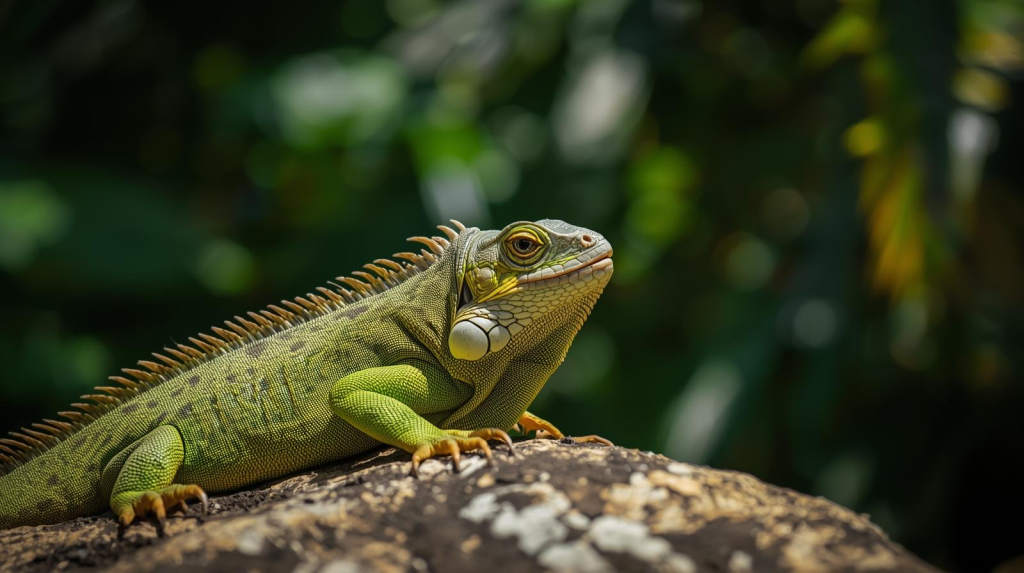
Herbivores consume plant-based diets. Tortoises and iguanas often belong in this category.
Omnivores eat both plants and animal proteins. Many species of lizards and turtles fall into this group.
Matching your reptile’s diet to its natural behavior ensures better digestion and nutrition.
Providing the wrong type of food may cause serious health problems over time.
Choosing High-Quality Insect Protein
Insect-based diets remain essential for many reptiles, especially lizards and amphibious species.
Therefore, selecting healthy insects becomes an important part of maintaining a quality reptile diet.
Common feeder insects include:
• Crickets
• Dubia roaches
• Mealworms
• Superworms
• Black soldier fly larvae
However, the nutritional value of these insects depends on how they are raised and fed.
Gut-loading insects with nutritious vegetables before feeding them to reptiles improves their nutrient content.
Additionally, dusting insects with calcium powder supports proper bone health.
High-quality feeder insects provide protein, fats, and essential nutrients needed for growth.
When reptiles receive nutritious insect prey, they develop stronger muscles and maintain better energy levels.
Selecting Nutritious Vegetables and Greens
Plant-based foods are essential for herbivorous reptiles and beneficial for many omnivores.
Fresh vegetables and leafy greens play a major role in a quality reptile diet.
Some excellent reptile-safe greens include:
• Collard greens
• Mustard greens
• Dandelion greens
• Turnip greens
• Endive
These greens contain valuable vitamins and minerals while supporting digestive health.
Avoid feeding vegetables that contain high oxalate levels, such as spinach, too frequently. Oxalates can interfere with calcium absorption.
Variety also matters.
Offering different vegetables throughout the week ensures reptiles receive diverse nutrients.
Fresh produce should always be washed thoroughly and chopped into manageable sizes.
Balanced plant foods help reptiles maintain strong immune systems and healthy digestion.
Providing Proper Calcium and Vitamin Supplements
Reptiles require specific vitamins and minerals that may not always appear naturally in captive diets.
Therefore, supplements are often necessary to maintain a quality reptile diet.
Calcium supplements are especially important.
Many reptiles require calcium dusted onto their food several times per week.
Vitamin D3 helps reptiles absorb calcium effectively. However, reptiles also obtain vitamin D3 through proper UVB lighting.
Multivitamin supplements provide additional nutrients such as vitamin A and vitamin E.
Using supplements correctly prevents deficiencies while supporting overall health.
However, excessive supplementation may cause toxicity.
Following recommended feeding schedules ensures reptiles receive balanced nutrition.
Understanding Hydration Through Diet
Hydration is another critical element of reptile nutrition.
Many reptiles obtain moisture directly from their food.
Therefore, maintaining a quality reptile diet often includes moisture-rich foods.
Fresh vegetables naturally contain water that supports hydration.
Additionally, certain fruits may be offered occasionally for reptiles that tolerate them.
However, fruits should remain limited due to their sugar content.
Some reptiles also benefit from misting or soaking opportunities that support hydration.
Proper hydration improves digestion and helps reptiles shed their skin properly.
Dry environments combined with poor diet can lead to dehydration issues.
Avoiding Low-Quality or Unsafe Foods
Some foods may appear harmless but can cause serious problems for reptiles.
Therefore, avoiding these ingredients protects the integrity of a quality reptile diet.
Common foods to avoid include:
• Wild-caught insects exposed to pesticides
• Processed human foods
• Toxic plants
• High-fat feeder insects used excessively
Additionally, insects collected outdoors may carry parasites or chemical contaminants.
Feeding only trusted sources ensures food safety.
Maintaining ingredient quality prevents digestive problems and reduces health risks.
Choosing natural, safe foods supports long-term reptile wellness.
Creating a Balanced Feeding Schedule
Even nutritious ingredients must be offered in appropriate quantities and frequencies.
Therefore, feeding routines play a major role in maintaining a quality reptile diet.
Young reptiles usually eat more frequently due to rapid growth.
Adult reptiles may require fewer meals depending on their metabolism.
For example, juvenile lizards may eat daily, while adult snakes may eat once every week or two.
Overfeeding can lead to obesity and metabolic disorders.
Meanwhile, underfeeding may cause malnutrition.
Monitoring body condition helps determine whether feeding routines remain appropriate.
Balanced schedules ensure reptiles receive adequate nutrition without excess.
Encouraging Natural Feeding Behavior
Reptiles benefit from feeding methods that mimic their natural hunting or grazing behaviors.
Encouraging these behaviors enhances the effectiveness of a quality reptile diet.
For example, moving insects with feeding tongs stimulates hunting instincts in many lizards.
Herbivorous reptiles benefit from scattered vegetables that encourage natural foraging.
These feeding strategies create enrichment while promoting healthy activity.
Additionally, interactive feeding improves mental stimulation.
Natural feeding behaviors help reptiles remain physically and mentally engaged.
Observing Reptile Health Through Diet
Diet quality often reveals itself through visible signs in reptiles.
Owners maintaining a quality reptile diet will often notice clear health indicators.
Healthy reptiles typically display:
• Strong appetite
• Bright eyes
• Smooth shedding cycles
• Firm body condition
• Active movement
Conversely, poor nutrition may cause lethargy, weak bones, and dull coloration.
Regular observation allows owners to detect problems early.
Adjusting food quality or variety often resolves many dietary concerns.
Healthy feeding practices produce noticeable improvements in reptile behavior and appearance.
Adjusting Diet as Reptiles Age
Reptile dietary needs change over time.
Young reptiles require more protein to support rapid growth. Adults may require fewer calories but balanced nutrients.
Therefore, maintaining a quality reptile diet involves adjusting ingredients based on life stage.
Juveniles often need frequent feedings rich in protein and calcium.
Adult reptiles may benefit from more plant matter or reduced feeding frequency.
Senior reptiles may require softer foods that are easier to digest.
Monitoring growth and behavior helps determine when dietary adjustments are needed.
Flexible feeding strategies ensure reptiles remain healthy throughout their lives.
Conclusion
Providing a quality reptile diet requires thoughtful ingredient selection, proper supplementation, and balanced feeding routines. When reptiles receive the right foods, they develop strong bones, vibrant skin, and stable energy levels.
Understanding natural dietary habits allows owners to replicate wild feeding patterns more closely. Nutritious insects, fresh vegetables, and proper supplements all contribute to long-term reptile health.
Additionally, safe feeding practices prevent exposure to harmful foods or contaminants.
Consistent observation and adjustment ensure that dietary needs remain balanced throughout the reptile’s life.
Ultimately, careful nutrition forms the foundation of responsible reptile care and helps these fascinating animals thrive in captivity.
FAQ
1. What foods should reptiles eat regularly?
Most reptiles require a mix of insects, leafy greens, or vegetables depending on their species and natural diet.
2. Why is calcium important for reptiles?
Calcium supports bone strength and prevents metabolic bone disease, which can occur when reptiles lack proper minerals.
3. Can reptiles eat fruits every day?
Fruits should only be offered occasionally because they contain natural sugars that may disrupt balanced nutrition.
4. How often should reptiles be fed?
Feeding frequency varies by species and age. Young reptiles often eat daily, while adults may eat less frequently.
5. How can I tell if my reptile’s diet is healthy?
Healthy reptiles show strong appetite, active movement, proper shedding, and steady body condition.


