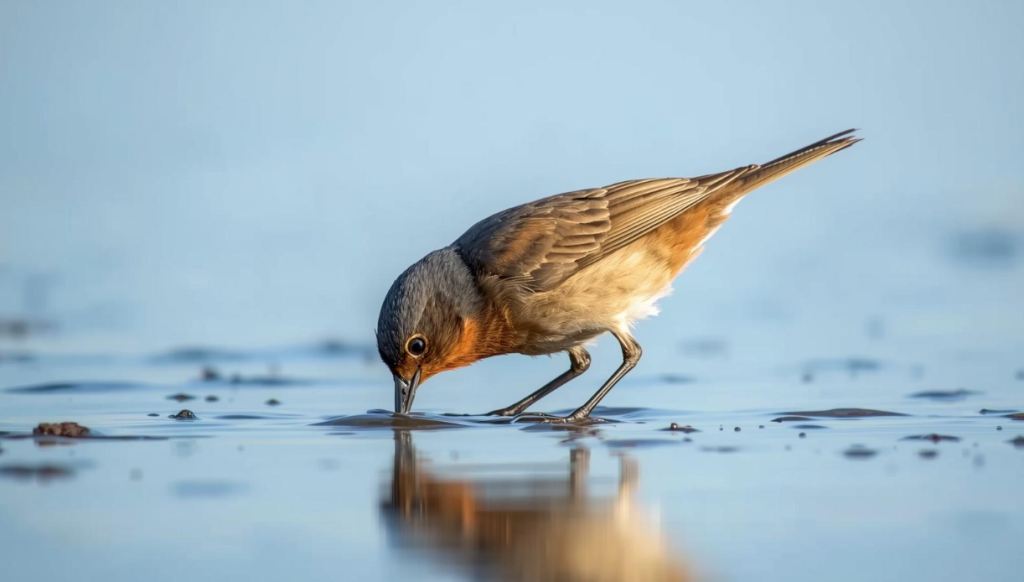

Pet birds are masters of disguise. They can look perfectly fine while quietly fighting illness. That’s not stubbornness or mystery. It’s instinct. In the wild, showing weakness makes a bird a target. That survival behavior doesn’t disappear in captivity.
Because of this, preventive care matters more for birds than for many other pets. Waiting for symptoms often means waiting too long. The good news is that simple, consistent habits protect your bird’s health every day.
These preventive health tips for birds focus on proactive care rather than emergency response. Think of them as daily insurance. When prevention becomes routine, illness has fewer chances to take hold.
Why Preventive Health Tips for Birds Matter More Than You Think
Birds age quickly and hide problems expertly. A year in a bird’s life can equal several human years, depending on species. Therefore, small issues escalate faster than expected.
Preventive health tips for birds aim to catch problems early or stop them entirely. Healthy birds maintain steady weight, smooth feathers, clear eyes, and strong energy levels. Once those markers change, the issue may already be advanced.
Prevention shifts care from reaction to protection. That shift saves stress, money, and heartache.
Balanced Nutrition as the First Line of Defense
Nutrition underpins every aspect of bird health. Yet poor diet remains the most common cause of preventable illness.
Seed-only diets cause vitamin deficiencies, obesity, and liver disease. While seeds feel natural, they lack balance. Instead, high-quality pellets should form the dietary foundation for most pet birds.
Fresh vegetables provide essential vitamins and antioxidants. Leafy greens, carrots, peppers, and squash support immune function. Fruit should be limited due to sugar content.
Proper nutrition fuels immunity, feather health, and energy. As a result, disease resistance improves naturally.
Clean Water and Daily Hydration Habits
Hydration often gets overlooked, yet it’s critical.
Fresh water must be provided daily. Bowls and bottles should be cleaned every day to prevent bacterial growth. Even small contamination causes digestive upset.
Some birds enjoy bathing. Providing shallow bathing dishes encourages feather maintenance and skin health.
Clean water supports digestion, temperature regulation, and toxin removal. Simple habits produce powerful benefits.
Cage Cleanliness and Environmental Hygiene
Clean environments prevent disease before it starts.
Daily spot-cleaning removes droppings and food debris. Weekly cleaning addresses perches, bowls, and cage surfaces. Monthly deep cleaning reduces bacterial buildup.
Use bird-safe cleaners only. Harsh chemicals damage respiratory systems.
Additionally, avoid cluttered cages. Clean spaces reduce stress and improve air quality.
Hygiene protects lungs, digestion, and overall wellbeing.
Air Quality: A Silent Health Factor
Birds have extremely sensitive respiratory systems. Poor air quality damages health quickly.
Avoid smoke, scented candles, aerosols, and cooking fumes. Non-stick cookware fumes are especially dangerous.
Ensure proper ventilation without drafts. Air purifiers designed for pets help reduce airborne particles.
Clean air supports strong lungs and long-term health.
Preventive Health Tips Birds Need for Stress Reduction
Stress weakens immunity.
Loud noises, constant disruption, or lack of routine create chronic stress. Birds thrive on predictability. Feeding, sleep, and interaction should follow consistent schedules.
Provide quiet resting periods daily. Avoid overstimulation.
Lower stress equals stronger immune response.
Sleep: The Overlooked Health Essential
Sleep plays a major role in disease prevention.
Most birds need 10 to 12 hours of uninterrupted sleep each night. Inconsistent sleep disrupts hormones and immunity.
Use cage covers or dark rooms to signal bedtime. Avoid light exposure after hours.
Well-rested birds resist illness more effectively.
Mental Stimulation Prevents Behavioral Illness
Mental health affects physical health.
Boredom leads to feather plucking, screaming, and depression. Enrichment prevents these issues.
Rotate toys regularly. Provide foraging activities that encourage natural behavior. Puzzle toys stimulate problem-solving skills.
Mental stimulation keeps stress low and confidence high.
Safe Exercise and Movement
Exercise strengthens muscles, circulation, and mood.
Allow supervised out-of-cage time daily when possible. Encourage flying or climbing depending on species.
Inside the cage, varied perch sizes promote foot health. Avoid uniform dowel perches exclusively.
Movement supports cardiovascular health and weight control.
Regular Weight Monitoring
Weight changes reveal health issues early.
Weigh your bird weekly using a gram scale. Track results consistently.
Sudden weight loss or gain signals trouble, even before visible symptoms appear.
Early detection improves treatment success dramatically.
Feather and Skin Health Checks
Feathers reflect overall health.
Healthy feathers appear smooth and vibrant. Dull feathers or excessive loss may indicate nutritional or medical issues.
Check skin for redness, lesions, or parasites regularly.
Preventive observation reduces surprises.
Beak, Nail, and Foot Maintenance
Overgrown beaks or nails affect eating and mobility.
Provide natural wear through perches and chew toys. Schedule trims with avian professionals when needed.
Inspect feet for pressure sores or swelling. Vary perch textures to prevent injury.
Physical comfort supports daily activity.
Preventive Health Tips Birds Need for Safe Handling
Gentle handling builds trust and reduces injury risk.
Avoid force. Support the body fully. Learn species-specific handling techniques.
Stress-free handling makes health checks and vet visits easier.
Confidence grows when birds feel safe.
Routine Veterinary Care Saves Lives
Annual avian vet visits are essential, even for healthy birds.
These exams establish baselines and catch early changes. Bloodwork and fecal tests often reveal hidden issues.
Senior birds benefit from biannual visits.
Professional oversight strengthens preventive care.
Parasite Prevention and Monitoring
Parasites affect indoor birds too.
Regular fecal exams detect intestinal parasites early. Mites and lice appear through feather damage or irritation.
Early treatment prevents spread and discomfort.
Parasite prevention protects flock health.
Quarantine New Birds
New birds carry unknown risks.
Always quarantine new arrivals for at least 30 days. Separate cages and supplies prevent disease transmission.
Observation during quarantine catches illness before exposure occurs.
Quarantine protects existing birds.
Preventive Health Tips Birds Need for Safe Environments
Environmental hazards cause preventable injuries.
Secure windows and doors during out-of-cage time. Remove toxic plants. Keep cords and small objects inaccessible.
Bird-proofing prevents accidents.
Safety reduces emergency vet visits.
Understanding Subtle Behavior Changes
Behavior changes often signal illness.
Reduced vocalization, increased sleeping, or altered appetite deserve attention.
Do not dismiss small changes. Early response prevents escalation.
Observation saves lives.
Molting and Seasonal Health Considerations
Molting stresses the body.
During molting, increase nutritional support and reduce handling stress.
Feather regrowth demands protein and rest.
Seasonal awareness supports resilience.
Avoiding Toxic Foods and Materials
Many household items harm birds.
Chocolate, avocado, caffeine, and alcohol are toxic. Heavy metals from toys or decor cause poisoning.
Choose bird-safe products only.
Prevention eliminates unnecessary risk.
Emergency Preparedness as Preventive Care
Preparation reduces panic.
Know your avian vet’s contact information. Keep a basic bird first-aid kit available.
Preparation ensures faster response when needed.
Building a Strong Human-Bird Bond
Trust improves health.
Birds that trust humans show less chronic stress. Handling becomes easier. Observation improves accuracy.
Bonding supports emotional and physical wellness.
Consistency: The Ultimate Preventive Tool
Consistency underpins every preventive health tip.
Stable routines, predictable care, and attentive observation create resilience.
Consistency transforms care into protection.
Conclusion
Preventive health tips for birds focus on stopping problems before they start. Through proper nutrition, clean environments, stress reduction, routine monitoring, and professional care, you protect your bird’s health every day. Birds may hide illness, but they cannot hide the benefits of good prevention.
When proactive care becomes routine, birds thrive. Energy increases. Behavior stabilizes. Lifespan extends. Prevention is not extra work. It is the foundation of a healthy, happy life for your feathered companion.
FAQ
1. How often should pet birds see a veterinarian?
Most birds need annual avian vet visits, while seniors often benefit from twice-yearly exams.
2. What is the most common preventable illness in pet birds?
Nutritional deficiencies caused by seed-only diets are among the most common preventable issues.
3. Can indoor birds still get sick easily?
Yes, indoor birds can develop illness from poor diet, stress, air quality, or hidden infections.
4. How can I tell if my bird is stressed?
Changes in behavior, appetite, vocalization, or feather condition often indicate stress.
5. Do toys really affect bird health?
Yes, enrichment toys reduce stress and prevent behavioral and physical health problems.