
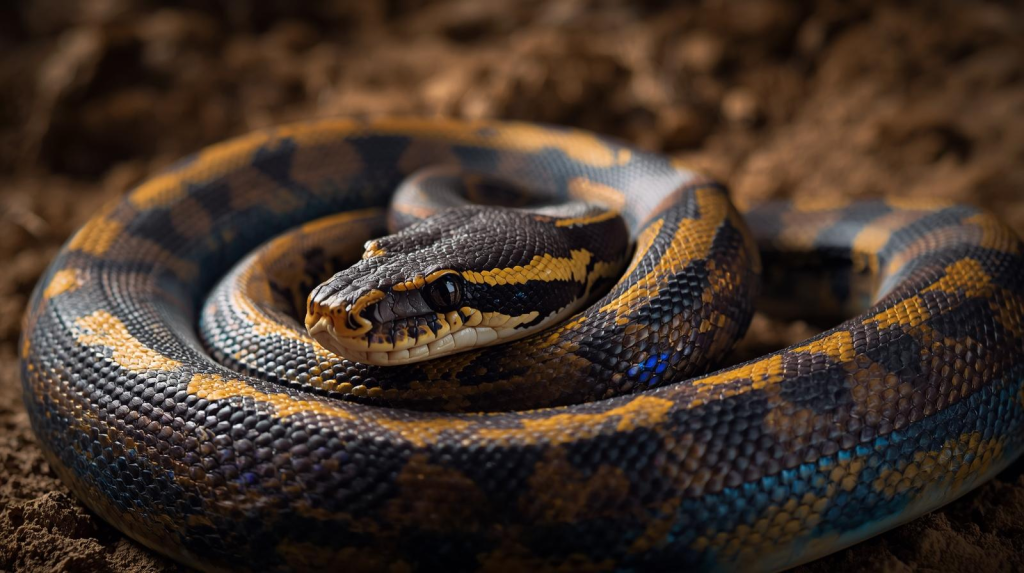

Understanding Temperature Stress in Pet Snakes
Temperature stress in snakes happens when their environment becomes too hot or too cold. Since snakes are cold-blooded, they rely entirely on external heat sources to regulate their body temperature. Without the right balance, they can quickly become ill or lethargic.
Imagine living in a house where the thermostat swings between freezing cold and burning heat — uncomfortable, right? That’s how a snake feels when its enclosure lacks proper temperature control. Maintaining the right thermal gradient is vital to your snake’s digestion, immune function, and overall wellbeing.
Why Preventing Temperature Stress Is So Important
Temperature stress affects every part of a snake’s health. When they’re too cold, their metabolism slows, making digestion difficult and weakening their immune system. When they’re too hot, dehydration and stress can set in fast, leading to serious health issues.
Proper temperature control not only keeps your snake healthy but also makes them more active and responsive. A comfortable snake eats better, sheds smoothly, and shows more natural behaviors — signs of a happy reptile.
Ideal Temperature Ranges for Common Pet Snakes
Different species have slightly different needs, but most pet snakes thrive within a specific range. Creating a gradient — a warm side and a cool side — lets your snake self-regulate.
- Ball Python: Warm side 88–92°F (31–33°C); cool side 78–80°F (25–27°C)
- Corn Snake: Warm side 85°F (29°C); cool side 75°F (24°C)
- King Snake: Warm side 86–88°F (30–31°C); cool side 74–76°F (23–24°C)
- Boa Constrictor: Warm side 90°F (32°C); cool side 78°F (25°C)
Always check your specific species’ care requirements to ensure accuracy. A reptile thermometer or digital temperature gun can help you monitor these zones precisely.
Creating the Perfect Thermal Gradient
The best way to prevent temperature stress in snakes is to create a thermal gradient — a warm area on one side of the enclosure and a cooler one on the other. This setup mimics nature, where snakes move between sunny and shaded areas to maintain body temperature.
Use under-tank heating pads or ceramic heat emitters to create the warm side. Avoid using heat rocks, as they can cause burns. Place thermometers on both ends of the enclosure to monitor each zone.
Remember to provide hiding spots on both the warm and cool sides. This gives your snake a sense of security while maintaining their preferred temperature.
Choosing the Right Heating Equipment
Heating your snake’s habitat isn’t just about turning on a heat lamp. The equipment you use makes a big difference.
- Under-tank heaters: Ideal for species that stay close to the ground. Always regulate with a thermostat to avoid overheating.
- Ceramic heat emitters: Great for maintaining consistent ambient heat, especially at night.
- Heat lamps: Useful for daytime basking but should be paired with UV protection and controlled timers.
- Thermostats and dimmers: Essential to prevent temperature fluctuations and potential burns.
Never guess the temperature — always measure and control it. Overheating is just as dangerous as the cold.
Humidity and Temperature Go Hand in Hand
When you prevent temperature stress in snakes, humidity control also plays a major role. High heat combined with low humidity can cause dehydration, while excessive humidity in a warm tank can lead to respiratory infections.
For instance, ball pythons thrive in 50–60% humidity, while boas often need 60–70%. Use hygrometers to track humidity and mist the enclosure lightly if it drops below the recommended level.
Make sure the water bowl is large enough for soaking, especially during shedding periods. Proper hydration helps regulate internal temperature and prevents stress.
Recognizing Signs of Temperature Stress
Even with careful setup, it’s important to watch for warning signs that your snake might be uncomfortable. Early detection helps prevent long-term harm.
Common symptoms of temperature stress include:
- Constant hiding or staying only on one side of the tank
- Refusal to eat
- Lethargy or slow movements
- Unusual aggression or restlessness
- Trouble shedding
- Wheezing or open-mouth breathing (especially if humidity is off)
If you notice any of these, check the temperatures immediately and adjust the heating setup. In severe cases, consult a reptile veterinarian.
Seasonal Adjustments and Temperature Fluctuations
Even indoors, room temperatures can shift between seasons. That means your snake’s enclosure will too. During winter, heat sources may need to run longer, while in summer, they might need moderation.
Avoid placing the tank near windows, vents, or direct sunlight. These create unpredictable temperature spikes or drops. It’s also smart to use a nighttime thermostat to keep the environment stable when room temperatures fall.
For snakes kept in cooler climates, insulated enclosures and ceramic heat emitters help maintain steady warmth without disrupting day-night cycles.
Common Mistakes That Cause Temperature Stress
Many new snake owners unintentionally create stressful conditions through small errors. Knowing what to avoid can save your pet from harm.
- Using heat rocks: They create uneven heating and can burn your snake.
- Not using thermostats: Unregulated heaters can overheat the tank quickly.
- Ignoring cool zones: Snakes need a cooler area to regulate body temperature.
- Relying on room temperature: Household temperatures are rarely stable enough for reptiles.
- Overheating at night: Snakes need a nighttime temperature drop for natural rhythms.
Preventing temperature stress in snakes means being consistent. Always monitor and maintain, rather than guessing.
Long-Term Health Benefits of Proper Temperature Care
Keeping your snake within its ideal range does more than prevent illness — it enhances every part of its life. With consistent warmth and humidity, snakes digest efficiently, grow steadily, and shed cleanly.
A stable environment reduces stress hormones, which can otherwise suppress appetite and immunity. In short, good temperature management leads to longer life, brighter coloration, and a calmer, healthier pet.
Conclusion
Learning how to prevent temperature stress in snakes is one of the most important steps in reptile care. A balanced thermal gradient, proper humidity, and consistent monitoring ensure your snake stays comfortable year-round.
Think of temperature as the heartbeat of your snake’s enclosure — steady, reliable, and essential. When you maintain that rhythm, you create a safe haven your pet can thrive in for years.
FAQ
1. How do I know if my snake is too cold?
If your snake is sluggish, refuses food, or spends all its time on the warm side, it’s likely too cold. Use a thermometer to confirm and adjust the heater.
2. Can snakes die from being too hot?
Yes. Overheating can cause dehydration and organ failure. Always use a thermostat to keep temperatures within safe limits.
3. Do all snakes need heat lamps?
Not necessarily. Some species do well with under-tank heating, while others benefit from overhead lamps. Always match the setup to your snake’s natural habitat.
4. How often should I check the enclosure temperature?
Check daily. Even small fluctuations can cause stress over time, so consistent monitoring is key.
5. What’s the safest way to warm up a cold snake?
Gradually raise the enclosure temperature using a thermostat-controlled heat source. Never use hot water or direct heat on your snake’s body.