
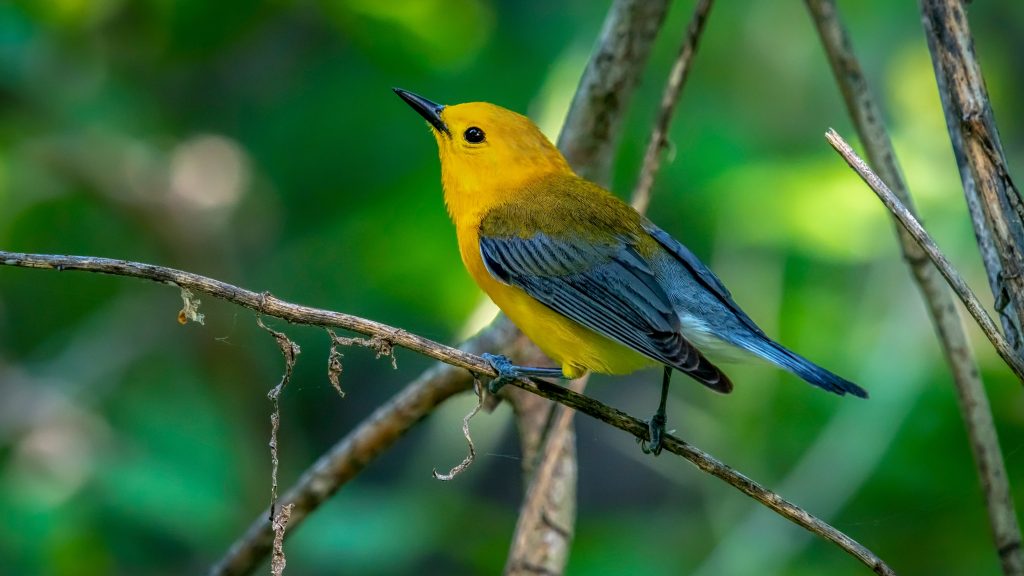

Understanding How Noise Affects Birds
Birds are sensitive creatures. Their keen hearing allows them to pick up sounds that humans might barely notice. While this trait helps them survive in the wild, it can create serious problems in a noisy household. Imagine living next to a constant thunderstorm—how calm could you really feel? For birds, loud televisions, barking dogs, vacuum cleaners, or even door slams can cause constant stress.
When exposed to prolonged noise, birds may exhibit signs of anxiety such as feather plucking, pacing, loss of appetite, or aggressive behavior. Just like people, chronic stress can weaken their immune systems and shorten their lifespan. Understanding how sound impacts your feathered companion is the first step in preventing bird noise stress.
Recognizing the Signs of Noise Stress in Birds
Transitioning from awareness to observation, it’s crucial to know what stress looks like in your pet bird. Since they can’t tell you they’re uncomfortable, their body language becomes the only language they speak.
Common signs include:
- Fluffed-up feathers for long periods.
- Repetitive movements like pacing or head bobbing.
- Excessive vocalization or complete silence.
- Feather picking or biting.
- Sudden aggression or fearfulness.
If your bird’s behavior changes after a loud event, the noise may be the cause. It’s essential to track patterns and take early action before the stress becomes chronic.
Identify and Minimize Household Noise Sources
Now that you know what to look for, let’s identify where the noise comes from. Household environments are full of unexpected sound triggers. Television volumes, kitchen appliances, children playing, or even passing traffic can disturb a bird’s peace.
Start by observing your home’s soundscape. Spend a few minutes in each room and listen. Do you hear humming electronics, slamming doors, or echoes? Birds are especially sensitive to high-pitched sounds like alarms, beeping microwaves, or phone notifications.
Once identified, work on minimizing these noises:
- Turn off unnecessary electronics when not in use.
- Use soft-close drawers and doors to reduce sudden sounds.
- Keep your bird’s cage away from TVs, washing machines, and air vents.
- Replace harsh lighting or flickering bulbs that can add to sensory overload.
A calm environment is not about silence—it’s about stability. Consistent background sounds are much less stressful than unpredictable noise spikes.
Creating a Quiet Sanctuary for Your Bird
Every bird deserves a retreat, a personal sanctuary where they can feel safe. Ideally, this space should be away from the main traffic areas of your home. Choose a room or corner where sound levels stay steady throughout the day.
Line the walls or nearby areas with soft materials like curtains, carpets, or wall hangings to absorb echoes. Avoid placing the cage near windows facing busy streets or barking dogs.
Adding natural elements such as plants or wooden toys can help make the environment feel organic and secure. These additions subtly diffuse sound and create a calming atmosphere that mimics the natural world.
For times when you know noise will rise—like vacuuming or parties—temporarily move your bird to a quieter space. If that’s not possible, cover part of the cage with a light, breathable cloth to reduce visual and acoustic stimulation.
Use White Noise or Calming Sounds Wisely
Interestingly, not all sounds are harmful. Just as soft music can calm humans, gentle background sounds can soothe birds. White noise machines, nature soundtracks, or low-volume classical music can help drown out disruptive noises.
However, moderation is key. Avoid looping the same track endlessly, as repetition can become irritating. Keep the volume low, matching the ambient level of conversation. Observe your bird’s response—if they relax or begin preening, that’s a good sign. If they seem restless or quiet, the sound might not be to their liking.
Each bird is unique, so finding the right auditory environment may take some trial and error.
Building a Predictable Routine
Transitioning into a steady daily rhythm can make a big difference in reducing bird noise stress. Birds thrive on predictability. When meals, cage cleaning, and playtime happen at consistent times, your bird feels secure.
Unpredictable changes—like sudden guests or shifting routines—can increase anxiety. Try to maintain a consistent household pattern. Inform family members about quiet hours, especially during your bird’s rest periods.
If you live in a noisy neighborhood, establish quiet times in the morning and evening when your bird can rest without disturbances. Structure and repetition are powerful stress relievers for both birds and humans.
Social Interaction and Emotional Reassurance
Noise control alone isn’t enough. Birds are social animals that rely on interaction for comfort and mental health. Regular bonding sessions—talking softly, offering treats, or gentle handling—help counteract anxiety caused by environmental noise.
If your bird becomes frightened by loud sounds, respond calmly. Avoid sudden movements or scolding, which may reinforce fear. Instead, use a gentle voice and reassuring gestures. Over time, they’ll learn to associate your presence with safety.
You can also train your bird to become desensitized to certain sounds. Start by playing mild background noises at low volumes and gradually increase them. This technique can help reduce startle reactions to unavoidable sounds like thunderstorms or appliances.
When to Seek Professional Help
Sometimes, despite your best efforts, your bird may still show signs of stress. If feather plucking or aggression persists, consult an avian veterinarian or certified behaviorist. They can assess the situation, rule out medical causes, and recommend behavior modification strategies.
Noise-related stress can overlap with other health issues, so a professional opinion ensures your bird gets the right care. Addressing the problem early can prevent long-term psychological damage and restore your bird’s well-being.
Conclusion
Preventing bird noise stress is about awareness, balance, and care. You don’t need to live in silence; you just need to create predictability and calm. By minimizing sudden sounds, offering a peaceful retreat, and maintaining consistent routines, you can help your feathered friend thrive.
Remember, your bird’s world is smaller and more sensitive than yours. A little effort in managing household noise can make a massive difference in their happiness and health.
FAQ
1. How can I tell if my bird is stressed by noise?
Watch for changes like feather plucking, aggression, pacing, or silence after loud sounds. These are common stress indicators.
2. What are the quietest areas to place my bird’s cage?
Choose a room with minimal traffic and steady background noise, away from TVs, kitchens, and loud appliances.
3. Can music help calm my bird?
Yes. Soft, consistent music or nature sounds can soothe your bird, but keep the volume low and vary the playlist to prevent boredom.
4. Should I cover my bird’s cage during noisy times?
Partially covering the cage can reduce visual and auditory stress, especially during storms or cleaning sessions.
5. When should I seek professional help for noise stress?
If behavioral changes persist after noise reduction efforts, consult an avian vet or behaviorist for specialized support.