
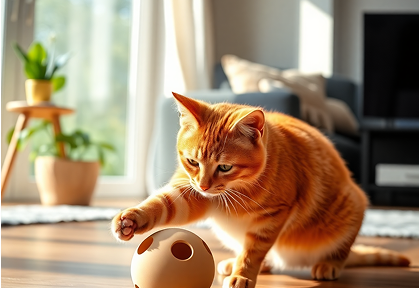

Cats are natural explorers. They love to climb, chase, hide, and observe the world from above. But when living indoors, their natural instincts can become dull without the right environment. Creating the perfect indoor environment for cats isn’t about spoiling them—it’s about nurturing their physical and mental well-being.
Whether you live in a small apartment or a spacious home, you can transform your space into a feline paradise. With a few thoughtful adjustments, your indoor cat can live a full, exciting, and healthy life.
Let’s explore how to design an indoor space your cat will truly love.
Understanding Your Cat’s Natural Instincts
To build the perfect indoor environment for cats, it’s essential to think like one. Cats are predators at heart, even if they spend most of their lives lounging on a cozy bed. They have an instinct to stalk, hunt, and claim territory.
An indoor space should satisfy three main feline instincts: exploration, hunting, and comfort. Ignoring these needs can lead to stress, boredom, or unwanted behaviors like scratching furniture or nighttime meowing.
For example, if your cat doesn’t have enough to climb, they’ll often use furniture to fill that need. By providing suitable outlets—like cat trees or shelves—you allow your cat to express its instincts safely and happily.
Understanding these instincts is the foundation of building an enriching space where your cat can thrive.
Creating Safe and Stimulating Spaces
Cats are curious creatures, and a well-planned environment fuels that curiosity. Every corner of your home can become a mini adventure zone if arranged thoughtfully.
Climbing and Vertical Exploration
Cats love heights—it makes them feel safe and gives them a commanding view of their surroundings. Incorporate vertical spaces like:
- Cat trees or towers near windows
- Wall-mounted shelves or bridges
- Window perches for bird-watching
These structures don’t just entertain; they also give your cat territory, reducing tension in multi-cat homes.
If space is limited, place furniture strategically. A bookshelf or dresser can become a fun climbing route with a few soft mats or rugs placed nearby.
Hiding Spots and Safe Zones
Cats also need retreat spaces. They love privacy, especially when they feel anxious or tired. Provide cozy hideaways such as:
- Covered beds or cat caves
- Cardboard boxes (yes, the classic favorite)
- Blankets draped over furniture
These areas become sanctuaries for relaxation and security. When your cat feels safe, they’re more confident and content throughout the day.
Enrichment Through Play and Stimulation
A perfect indoor environment for cats isn’t complete without play. Indoor cats rely entirely on their human companions for stimulation. Without it, boredom can lead to overeating, stress, or destructive behavior.
Interactive Playtime
Play mimics hunting and keeps your cat’s mind sharp. Use interactive toys like feather wands, laser pointers, and balls to simulate prey movement. Play for 10–15 minutes twice a day, allowing your cat to chase and “catch” the toy to satisfy their hunting instincts.
Vary the toys often. Cats can get bored with repetitive play. Rotating their toys every few days reignites their curiosity and keeps things exciting.
Puzzle Feeders and Foraging Games
In the wild, cats work for their food. Recreate that challenge indoors with puzzle feeders or treat-dispensing toys. These encourage problem-solving and slow down eating, which benefits digestion.
Try hiding small portions of kibble around the house. It turns mealtime into a treasure hunt and engages their sense of smell.
Visual and Auditory Enrichment
Cats are sensory-driven. Open a window (with a secure screen) to let them watch birds or feel the breeze. If outdoor access isn’t possible, try cat TV videos showing birds, fish, or small critters.
Soft music or nature sounds can also be soothing for cats who are left alone during the day.
Designing a Comfortable Living Space
Comfort is at the heart of the perfect indoor environment for cats. They spend around 15 hours a day sleeping, so their rest areas matter.
The Ideal Cat Bed
Every cat has different preferences—some like plush cushions, while others prefer firm surfaces. Observe where your cat naturally naps and recreate those textures.
Place beds in warm, quiet corners away from drafts or loud noises. Cats love elevated resting spots, so try putting a bed on a shelf or near a sunny window.
During colder months, self-heating mats or blankets make cozy additions.
Temperature and Lighting
Cats adore warmth and natural light. Allow access to sunny spots for lounging. However, ensure they can move to cooler areas when needed.
At night, soft ambient lighting helps cats navigate since they’re naturally more active in low light. Avoid harsh overhead lights in their relaxation zones.
Safe Exploration Areas
Create spaces your cat can explore without danger. Keep toxic plants, cleaning chemicals, and small objects out of reach.
If you want to give your cat a taste of the outdoors, consider a “catio” — an enclosed outdoor patio or balcony space. It lets them experience fresh air safely while staying protected from traffic and predators.
Maintaining Cleanliness and Health
Cleanliness is key to keeping your cat happy indoors. A well-maintained space ensures both hygiene and comfort.
Litter Box Setup
The litter box is a big part of your cat’s daily routine, and it must be handled with care. Follow these guidelines:
- One litter box per cat, plus one extra
- Place boxes in quiet, accessible areas
- Scoop daily and change litter weekly
Avoid scented litters—they can irritate sensitive feline noses.
If your cat starts avoiding the box, it could signal a health issue or dissatisfaction with cleanliness or placement.
Grooming and Maintenance
Indoor cats still need regular grooming. Brush them weekly to reduce shedding and prevent hairballs. Trim nails carefully and check their ears and teeth often.
Scratching posts are also essential. They maintain claw health and save your furniture. Place multiple posts around your home, especially near sleeping areas and doorways.
Promoting Emotional Well-Being
Beyond toys and furniture, emotional care completes the perfect indoor environment for cats.
Cats form deep attachments to their humans. Spend time together daily, whether it’s gentle petting, play, or simply sitting nearby. Routine affection builds trust and lowers stress.
Maintain consistency in their environment. Sudden changes—like rearranging furniture or introducing new pets—can make cats anxious. If you need to make changes, do them gradually.
For households with multiple cats, provide enough resources: separate feeding areas, beds, and litter boxes. This prevents territorial tension and keeps peace in the home.
If your cat seems withdrawn or aggressive, it could be a sign of stress. Consult a vet or behaviorist to rule out medical causes and restore balance to their environment.
Conclusion
Creating the perfect indoor environment for cats isn’t about lavish purchases—it’s about understanding your feline’s needs. With a mix of safety, comfort, enrichment, and love, you can turn your home into a playground and sanctuary all in one.
Your cat deserves more than just a roof and food. They deserve an environment that reflects who they are—curious, independent, and full of life. When you nurture those instincts indoors, you’re not just giving them a better space; you’re giving them a happier, healthier life.
FAQ
1. How can I keep my indoor cat entertained while I’m away?
Provide puzzle toys, cat TV videos, and window perches. Leaving out safe toys keeps your cat engaged during your absence.
2. What plants are safe for cats indoors?
Cat grass, spider plants, and areca palms are non-toxic options. Avoid lilies, philodendrons, and poinsettias.
3. How do I stop my cat from scratching furniture?
Offer scratching posts covered in sisal or cardboard. Place them near furniture your cat targets and reward proper use.
4. Do indoor cats need regular vet visits?
Yes. Annual check-ups, vaccinations, and dental care are essential to detect health issues early.
5. Can an indoor cat be truly happy without going outside?
Absolutely. With mental stimulation, play, and companionship, indoor cats can live full, contented lives.