

Creating a peaceful environment for rescue dogs is one of the most compassionate things you can do. Many rescue dogs come from stressful, uncertain pasts, and your home can be their first real sanctuary. But how do you transform your space into one that promotes calm, trust, and emotional healing? Let’s explore the essential steps that can make your rescue dog feel safe, relaxed, and truly at home.
Understanding Rescue Dog Behavior
Before you can create peace, it helps to understand where your rescue dog is coming from. Many rescue dogs carry emotional baggage—fear, confusion, or even trauma from neglect or abandonment. Their reactions may seem unpredictable at first: sudden barking, trembling, hiding, or refusal to eat.
These behaviors aren’t disobedience—they’re survival mechanisms. Recognizing this builds empathy and helps you respond with patience instead of frustration. The goal isn’t to “fix” your dog overnight but to slowly show them that this new world is safe.
Transitioning a rescue dog into your home requires consistency. You’re not just training a pet—you’re teaching trust.
Creating a Safe and Soothing Space
The first step toward a peaceful environment for rescue dogs is providing a personal space that’s theirs alone. Just like humans, dogs need a secure area where they can retreat and decompress.
Choose a quiet corner away from heavy foot traffic, loud TVs, or kitchen chaos. Place a comfortable dog bed, soft blankets, and maybe a familiar toy there. Keep the lighting gentle—natural light during the day and dim lamps at night help create a calm atmosphere.
Avoid forcing interaction. Let your rescue dog approach this space on their own. Over time, they’ll associate it with safety and rest.
Think of it as building a “quiet room” where stress melts away and peace becomes the norm.
Establishing a Predictable Routine
Routine is the backbone of stability. A predictable daily schedule builds confidence for a rescue dog who may have lived in uncertainty.
Feed, walk, and play at the same times each day. This repetition provides comfort—dogs thrive when they know what’s coming next. Morning walks, afternoon naps, and consistent feeding times teach your dog that life is now predictable and kind.
If you must make changes, introduce them gradually. Sudden shifts in routine can unsettle your rescue dog, especially during the first few weeks of adjustment.
A peaceful environment for rescue dogs isn’t about perfection—it’s about reliable rhythm. That rhythm helps them feel in control and safe.
Reducing Noise and Stress Triggers
Noise is one of the most common sources of anxiety for rescue dogs. They may flinch at slamming doors, loud appliances, or thunderstorms.
Start by minimizing sudden sounds. Close windows during fireworks or storms. Use white noise machines or soft background music to mask unpredictable noises.
Speak in a calm, low tone. Dogs respond not only to words but to energy. A steady voice reassures them that all is well.
If your rescue dog startles easily, avoid crowded gatherings or chaotic play until they feel more secure. Remember, peace begins with the environment you control.
Over time, their confidence will grow, and those noises won’t seem so frightening anymore.
Building Trust Through Gentle Interaction
Trust isn’t automatic—it’s earned. For rescue dogs, human touch might once have meant fear. That’s why every interaction counts.
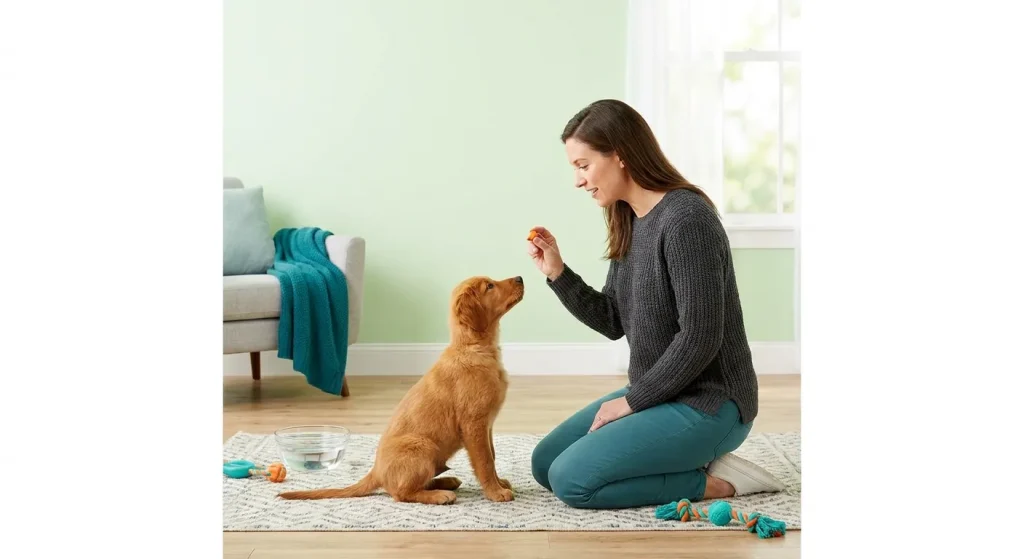
Start slow. Sit near your dog without forcing contact. Let them sniff you and approach when they’re ready. Offer treats for calm behavior and use positive reinforcement to encourage connection.
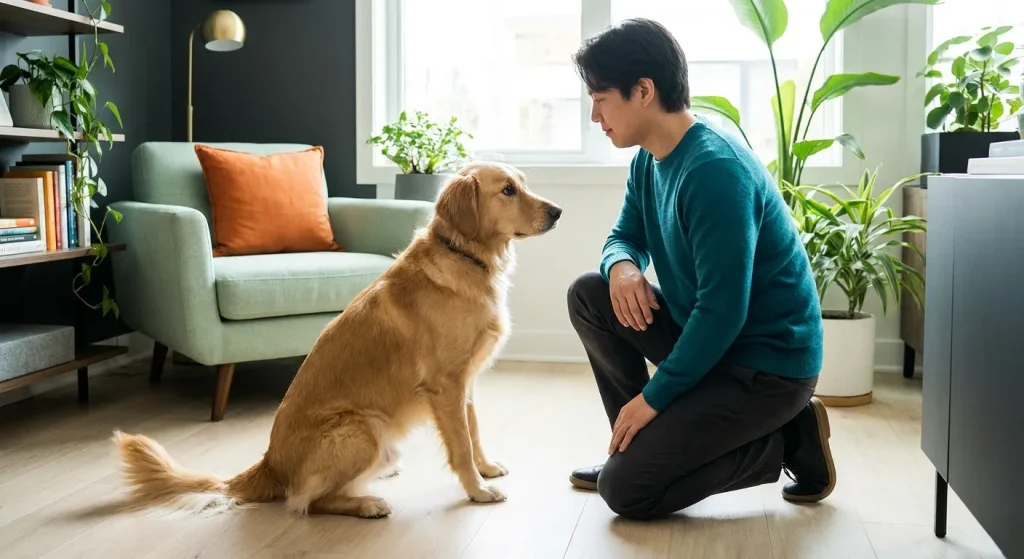
Avoid looming over them or making sudden movements. Instead, kneel down to their level and move with care. Eye contact should be soft and brief rather than intense.
Over time, gentle play, soothing words, and affection create a deep bond. This is how you help your rescue dog believe that love is safe again.
When a rescue dog starts wagging its tail just because you entered the room—that’s peace in motion.
Using Calming Tools and Scents
A peaceful environment for rescue dogs can also be enhanced with sensory tools. Certain scents and textures help reduce anxiety naturally.
Use dog-safe essential oils like lavender or chamomile in diffusers. These scents can create a calming atmosphere, but always ensure proper ventilation and consult your vet first.
Try anxiety wraps or soft shirts that provide gentle pressure—many dogs find this comforting. Background music designed for dogs, or soft instrumental tunes, can soothe nerves during stressful moments like storms or separation.
These small touches transform your home into a multisensory sanctuary.
Encouraging Play, Exercise, and Enrichment
While calmness matters, so does stimulation. A balanced rescue dog needs both rest and healthy activity.
Daily walks help release pent-up energy and reduce anxiety. Gentle playtime builds confidence and strengthens your bond. Use puzzle toys or slow feeders to engage their mind while promoting patience.
If your dog is timid, start with simple games like hide-and-seek or gentle fetch. Over time, these playful moments remind them that joy is safe too.
An active mind and body are crucial for long-term peace. Movement helps process emotions, while play helps heal old fears.
The Role of Patience and Love
Creating a peaceful environment for rescue dogs is a journey of compassion. Some days will feel like breakthroughs, and others may bring setbacks.
Celebrate progress, no matter how small—a relaxed tail, a trusting glance, a peaceful nap near you. Those moments show healing in motion.
Your calm energy sets the tone. Dogs mirror the emotions around them, so your patience and love become the anchors of their new life.
In the end, peace isn’t just what you create—it’s what you share.
Conclusion
A peaceful environment for rescue dogs doesn’t happen overnight. It’s built day by day through kindness, consistency, and gentle care. Your home becomes more than shelter—it becomes sanctuary.
By understanding their needs, reducing stress triggers, and offering trust, you help your rescue dog move from fear to freedom.
And when they finally rest their head in peace beside you, you’ll know you’ve done something extraordinary—you’ve given them not just a home, but harmony.
FAQ
1. How long does it take a rescue dog to adjust to a new home?
Adjustment can take a few weeks to several months. Every rescue dog is unique. With patience, love, and routine, most begin to relax within the first three months.
2. What scents help calm rescue dogs?
Lavender and chamomile are known to promote calmness. Always use pet-safe products and consult your vet before introducing new scents.
3. How can I stop my rescue dog from barking at noises?
Use white noise, calm background music, and positive reinforcement when your dog remains calm. Avoid yelling—it can increase anxiety.
4. Should I crate train my rescue dog for peace?
Crate training can help if done gently. The crate should feel like a safe den, never a punishment. Keep it cozy with soft bedding and treats.
5. How do I know my rescue dog feels peaceful?
Relaxed posture, gentle eye contact, slow breathing, and willingness to rest near you are all signs that your rescue dog feels safe and calm.