
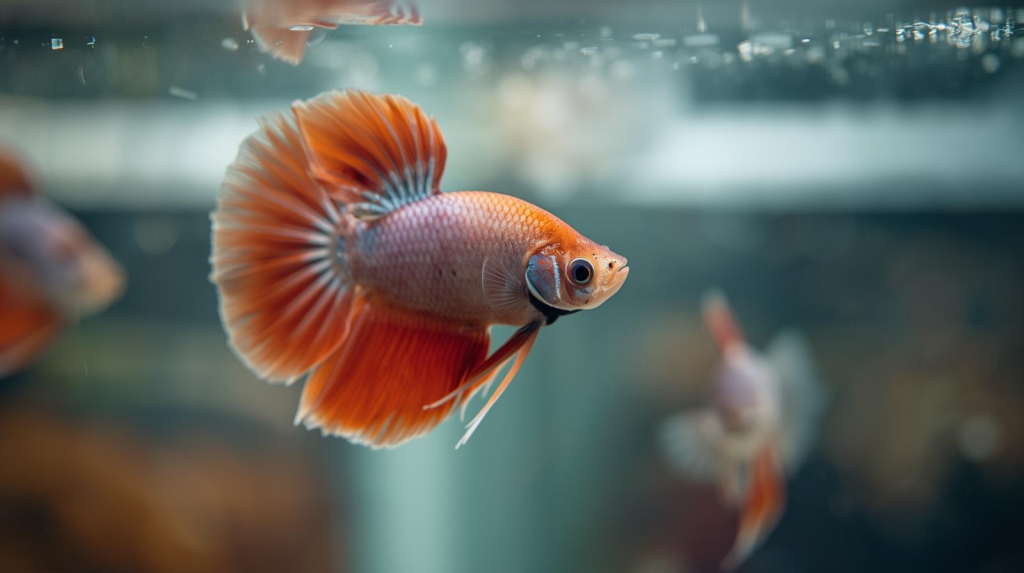

Betta fish are stunning, graceful, and full of personality—but they’re also known for being territorial. So, how can you enjoy a lively community aquarium without upsetting your betta’s peace? The secret lies in choosing peaceful betta tank mates that complement their calm yet curious nature.
In this guide, you’ll discover which species get along with bettas, how to create a balanced tank environment, and what mistakes to avoid. By the end, you’ll be ready to build a vibrant, conflict-free aquarium that both your betta and its companions will love.
Understanding Betta Temperament
Before adding new fish, it’s important to understand your betta’s behavior. Bettas—especially males—are naturally territorial. In the wild, they defend small sections of rice paddies or slow-moving waters. When placed in a tank, that instinct doesn’t disappear.
However, not all bettas are equally aggressive. Some are mild-mannered and tolerant, while others act like underwater warriors. Factors like tank size, decoration layout, and individual temperament play major roles in determining compatibility.
Key Traits to Consider
- Territorial nature: Bettas often claim personal space, especially near the surface.
- Curiosity: They like exploring but can become stressed by flashy or fast-moving tank mates.
- Solitary habits: Bettas thrive in calm, balanced settings without constant confrontation.
Understanding these traits helps you choose peaceful companions that won’t trigger defensive behavior.
Ideal Tank Setup for Peaceful Coexistence
Even the best tank mates can become targets if the environment isn’t right. To maintain peace, focus on proper tank size, layout, and hiding spaces.
Tank Size Matters
A small 2-gallon tank won’t cut it. For a community setup, aim for at least 10 gallons. A larger tank gives each fish room to swim and reduces territorial disputes.
Provide Plenty of Hiding Spots
Use plants (live or silk), caves, and driftwood to create visual barriers. Bettas appreciate having private nooks, while shy fish use these areas to retreat.
Keep Water Conditions Stable
Betta-friendly companions prefer similar water parameters:
- Temperature: 76–82°F (24–28°C)
- pH: 6.5–7.5
- Gentle filtration to prevent strong currents
When you get the environment right, your betta becomes calmer and more accepting of peaceful tank mates.
Top Peaceful Tank Mates for Betta Fish
Let’s explore the most compatible companions. These species are known for being gentle, non-territorial, and visually complementary to bettas.
1. Corydoras Catfish
Cory catfish are bottom dwellers that stay out of your betta’s way. They’re peaceful scavengers that help keep the tank clean by eating leftover food.
They’re social, so keep them in small groups of 3–6. Their calm nature and bottom-level habits make them nearly invisible to bettas.
2. Kuhli Loaches
Kuhli loaches look like tiny eels but are incredibly gentle. They spend most of their time burrowing or hiding under decorations.
Because they’re nocturnal, they won’t disturb your betta’s daytime routine. A group of 4–6 loaches works best for both companionship and cleaning duty.
3. Harlequin Rasboras
These small, peaceful fish swim in the middle level of the tank and add lively color without aggression. Bettas usually ignore them since they move calmly and don’t nip fins.
A school of 6 or more creates a balanced, soothing movement throughout the aquarium.
4. Neon or Ember Tetras
Tetras are tiny, peaceful swimmers that add sparkle to your aquarium. However, some bettas may react to their bright colors, so monitor interactions carefully.
Ember tetras, being smaller and calmer, often blend in better than neons.
5. Mystery Snails
If you prefer a non-fish companion, mystery snails are perfect. They clean algae and uneaten food while posing no threat. Bettas might show curiosity at first, but they quickly lose interest.
Their slow movement and colorful shells make them beautiful and functional additions.
6. Ghost or Amano Shrimp
Shrimp can coexist beautifully with bettas if introduced correctly. They help clean the tank and add interesting movement.
Make sure your tank is heavily planted so shrimp have hiding spots—some bettas may see them as snacks!
Tank Mates to Avoid
Not all fish make good roommates for bettas. Some species are too flashy, aggressive, or fast, which can trigger territorial fights.
Avoid These Species
- Guppies: Their bright tails resemble bettas, causing aggression.
- Barbs: Known fin-nippers, they’ll stress your betta.
- Goldfish: Require cooler water and produce excess waste.
- Cichlids: Too aggressive and territorial.
- Other male bettas: Never house two together—they’ll fight to the death.
Keeping the wrong species together can quickly turn your tranquil aquarium into a battlefield. Always research before introducing new fish.
Introducing New Tank Mates Safely
Even peaceful species need careful introductions. Bettas are sensitive to sudden changes and unfamiliar creatures.
Follow These Steps
- Start with a large, clean tank: Ensure proper filtration and plenty of hiding spots.
- Add the betta last: This helps reduce territorial claims.
- Use a divider temporarily: Allow visual contact without physical interaction for a few days.
- Observe closely: Look for signs of aggression like flaring fins or chasing.
- Be ready to separate: Keep a backup tank or divider in case of hostility.
Patience is key. Over time, most bettas adjust to peaceful neighbors, especially when stress levels are low.
Feeding Tips for a Peaceful Community Tank
Feeding time can cause tension if food becomes competition. Ensure every fish gets its share by adjusting your routine.
- Use sinking pellets for bottom feeders like corydoras and loaches.
- Spread flakes or micro-pellets across the surface for tetras and rasboras.
- Feed small portions multiple times a day to reduce competition.
- Remove uneaten food to maintain water quality and prevent aggression.
With consistent feeding habits, your betta and companions can coexist peacefully without stress or hunger-driven conflict.
Maintaining Long-Term Harmony
Harmony in a betta tank requires ongoing observation. Regular maintenance, consistent water parameters, and monitoring fish behavior are key.
If you notice aggression—like fin nipping, hiding, or chasing—intervene early. Sometimes rearranging decorations or adding plants can reset territorial boundaries.
Peaceful coexistence isn’t luck—it’s balance. When each species has space, shelter, and proper care, the result is a thriving, visually stunning aquarium full of calm energy.
Conclusion
Creating a community with peaceful betta tank mates isn’t just possible—it’s incredibly rewarding. By understanding your betta’s personality, providing a spacious and structured tank, and introducing calm companions carefully, you can achieve true aquatic harmony.
Your betta will remain the star of the show, surrounded by gentle, colorful friends that bring life and tranquility to your underwater world.
FAQ
1. Can betta fish live with other bettas?
No, never house two male bettas together. They’re territorial and will fight, often until one is severely injured or worse.
2. What is the best tank size for a betta community?
A 10-gallon tank is the minimum recommended for a peaceful community. Larger tanks provide more room and reduce aggression.
3. Are snails good companions for bettas?
Yes, mystery or nerite snails are excellent companions. They’re slow, peaceful, and help clean the tank.
4. How can I tell if my betta is stressed?
Signs include faded color, hiding, clamped fins, or loss of appetite. If you see these, check water quality and tank dynamics.
5. Can shrimp live with betta fish?
Yes, but only in tanks with plenty of hiding spots. Some bettas may try to eat smaller shrimp, so monitor behavior closely.