
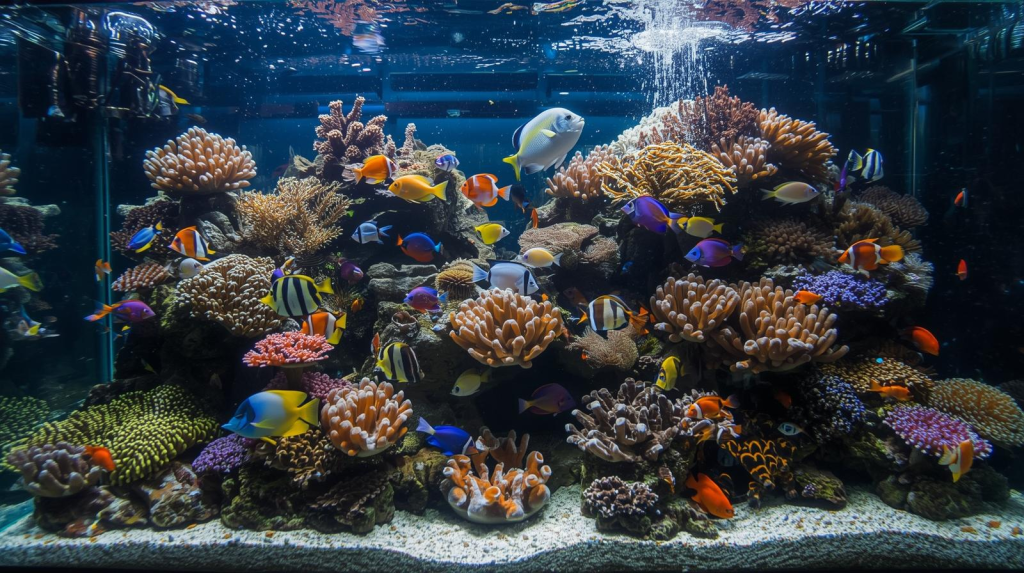

Creating a thriving aquarium isn’t just about filling it with beautiful fish. It’s about balance — between water, space, and life. When that balance tips toward overcrowding, stress takes over, and the peaceful underwater world can turn chaotic. Let’s dive deep into why overcrowding your aquarium stresses fish, what signs to watch for, and how to restore harmony to your aquatic ecosystem.
Understanding the Science Behind Aquarium Overcrowding
Fish are more than colorful decorations — they’re living creatures with needs. Overcrowding happens when there are too many fish for the available space, filtration capacity, and oxygen levels. This imbalance affects not only the water quality but also the emotional well-being of your fish.
In nature, fish have territories and open space to swim freely. In an overcrowded tank, that natural freedom disappears. As a result, stress levels rise, immune systems weaken, and aggression often increases. Over time, even small changes in water chemistry become more dangerous in such a cramped environment.
How Overcrowding Affects Water Quality
Think of your aquarium as a tiny ecosystem — everything that enters must be processed and balanced. When too many fish are producing waste, the biological filtration can’t keep up. Ammonia and nitrite levels spike, turning your once-clear water into a toxic environment.
Even with regular water changes, overcrowding makes it hard to maintain ideal conditions. Oxygen levels drop quickly, especially at night when plants also consume oxygen. Stressed fish may start gasping at the surface or hiding more often, clear indicators of poor water quality.
A balanced aquarium is like a well-tuned orchestra. Each fish, plant, and filter plays its part. But when you add too many “players,” the harmony disappears.
Behavioral Stress: When Fish Turn on Each Other
Fish may seem calm, but overcrowding often reveals hidden tension. Territorial species like cichlids or bettas become aggressive when their personal space is invaded. Even peaceful fish can become bullies under stress, chasing or nipping at others.
This aggression isn’t just unpleasant to watch — it can lead to physical injury, fin damage, and infections. Overcrowded tanks create constant competition for food and space, which keeps fish in a state of chronic stress. Just like humans living in tight quarters, they need breathing room to feel safe and relaxed.
Health Problems Caused by Overcrowding
Stress doesn’t just affect mood — it affects the body. When fish are stressed, their immune systems weaken, making them vulnerable to common diseases like ich, fin rot, and bacterial infections. Overcrowding also promotes faster spread of illness since pathogens move easily through shared water.
Here are a few health red flags linked to overcrowding:
- Lethargy or erratic swimming patterns
- Loss of appetite
- Faded colors or frayed fins
- Gasping at the surface or clamped fins
A stressed fish rarely thrives, no matter how good your food or equipment may be. Reducing crowding is one of the simplest and most effective ways to boost their health naturally.
How to Determine the Right Number of Fish
It’s tempting to fill your aquarium with a variety of species, but restraint is key. A general rule is one inch of fish per gallon of water — but that’s only a rough guideline. Larger or more active fish need more space, and filtration capacity must also be considered.
When deciding how many fish your tank can handle, think beyond size. Consider:
- Behavior: Are they territorial or schooling fish?
- Oxygen needs: Do they thrive in well-aerated environments?
- Tank setup: Is there enough hiding space and swimming area?
Always plan for the adult size of the fish, not the size they are when purchased. Overcrowding often starts because owners underestimate how quickly fish grow or how much waste they produce.
Simple Ways to Prevent Aquarium Overcrowding
Preventing overcrowding starts with mindful planning and regular maintenance. Here’s how to keep your tank balanced and your fish happy:
- Stock slowly: Add new fish one at a time, allowing the system to adjust.
- Upgrade filtration: Choose a filter rated for a tank larger than yours.
- Perform frequent water changes: Replace 20–30% of water weekly to keep waste levels low.
- Monitor parameters: Use test kits to check ammonia, nitrite, and nitrate levels.
- Rehome when needed: If your fish outgrow the tank, consider upgrading or finding them a new space.
Remember, an understocked tank is far healthier than an overcrowded one. Fish thrive when they can move freely and interact naturally without constant stress.
Restoring Balance After Overcrowding
If your aquarium is already overcrowded, don’t panic — there are practical steps to restore order. Start by re-evaluating your tank’s population. Rehome extra fish to responsible owners or local aquarium shops. Increase aeration and filtration to stabilize water quality while reducing numbers gradually.
Perform small, frequent water changes rather than one big one. This approach avoids shocking your fish with sudden changes in chemistry. Over a few weeks, you’ll notice your fish becoming more active, their colors brightening, and their appetite improving.
Think of it like decluttering your living space — less chaos, more peace.
Why Prevention Is the Best Cure
Once you’ve experienced the stress of overcrowding, prevention becomes second nature. Regular observation is your greatest tool. Watch for early warning signs — aggression, hiding, or surface breathing — and adjust before problems grow.
A well-balanced aquarium is a joy to maintain. When each fish has space to swim, water stays clear, and the ecosystem becomes self-sustaining. By avoiding overcrowding, you’re not just preventing stress — you’re creating a miniature world where life thrives naturally.
Conclusion
Overcrowding your aquarium stresses fish in more ways than one — physically, mentally, and environmentally. It disrupts water balance, sparks aggression, and weakens immunity. But the solution is beautifully simple: balance. By giving your fish enough space, maintaining clean water, and respecting the natural order of your tank, you’ll create a calm, vibrant underwater world that flourishes with life. Remember, in aquariums as in nature, less truly is more.
FAQ
1. How do I know if my aquarium is overcrowded?
Watch for constant aggression, fish gasping at the surface, or cloudy water. These are telltale signs of overcrowding.
2. Can adding more plants help reduce fish stress?
Yes. Live plants provide hiding spots, oxygen, and natural filtration, helping reduce stress in slightly crowded tanks.
3. How often should I test water quality in a crowded tank?
At least once or twice a week. Overcrowded tanks can develop toxic conditions faster than balanced ones.
4. What’s the best way to rehome fish from an overcrowded tank?
Contact local aquarium stores, hobbyists, or fish clubs. Many are happy to adopt healthy fish responsibly.
5. Will a larger filter fix overcrowding problems?
It can help with water quality, but not with space or behavioral stress. Proper tank size and fish limits are essential.