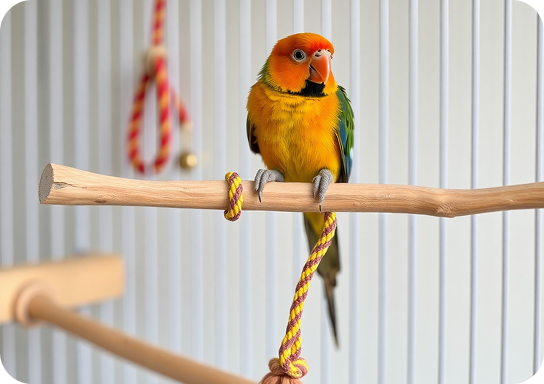
When it comes to creating a comfortable and stimulating home for your feathered friend, few accessories are as important as the perch. Birds spend most of their day standing, climbing, or sleeping on their perches. That’s why choosing the right one—like a
natural wood bird perch set—is vital for their overall health and happiness.
Natural wood perches do more than just decorate a cage. They mimic the textures and shapes your bird would encounter in the wild, keeping their feet strong and their mind active. Whether you have a parakeet, cockatiel, conure, or parrot, this simple addition can transform your bird’s daily life.
Let’s explore why natural wood perches are essential, how to set them up properly, and what makes them the perfect investment for your bird’s well-being.
Why Choose a Natural Wood Bird Perch Set
When you think about it, birds in nature never stand on identical, smooth branches. They hop from one uneven surface to another, constantly adjusting their grip and posture. A
natural wood bird perch set replicates that same experience indoors.
Unlike uniform plastic or metal perches, natural wood provides varying textures, widths, and contours. This not only prevents foot fatigue but also keeps your bird’s muscles flexible and joints healthy.
Health Benefits for Your Bird
-
-
- Promotes Foot Health: Birds’ feet are built to grasp irregular surfaces. Flat or smooth perches can lead to pressure sores or a painful condition known as “bumblefoot.” Natural wood allows your bird to exercise its toes naturally, preventing these issues.
-
- Encourages Exercise: Climbing across different perch sizes builds strength and coordination. It keeps your bird agile, mimicking how they would explore branches in the wild.
-
- Prevents Boredom: A variety of perches within the set stimulates your bird mentally. Each new shape, bark texture, or scent gives them something to explore, chew, or play with.
-
- Improves Beak and Nail Condition: Chewing on wood helps birds naturally wear down their beak and nails, avoiding overgrowth and discomfort.
Safety and Natural Comfort
Natural wood perches are free from artificial coatings or dyes. This means your bird isn’t exposed to harmful chemicals while chewing or playing. Plus, the organic texture of wood gives them a sense of security—much closer to what they’d experience in their native environment.
Choosing the Right Wood for Your Bird Perch Set
Not all wood types are safe for birds, so choosing the right materials is key. The best
natural wood bird perch set uses bird-safe, untreated wood from species that are non-toxic and durable.
Safe Woods for Birds
Here are some commonly used and trusted wood types:
-
- Apple, Pear, and Cherry (untreated): Hard and long-lasting, with pleasant natural scents.
-
- Manzanita: Known for its strength and smooth bark—ideal for parrots and larger species.
-
- Willow: Flexible and lightweight, great for smaller birds.
-
- Grapevine: Offers irregular shapes that encourage climbing and grip variation.
-
- Pine or Poplar: Excellent for softwood options, though ensure they are untreated and pesticide-free.
Avoid any wood from trees treated with chemicals, paint, or varnish. Toxic species like oak, cedar, or walnut should also be avoided, as they can release harmful oils or dust when chewed.
Natural Texture Matters
A high-quality perch set includes a mix of smooth and rough textures. The bark on some branches provides a perfect grip, while smoother areas give your bird a comfortable resting place. This variety keeps your bird’s feet strong and adaptable.
How to Set Up a Natural Wood Bird Perch Set
Installing your bird’s new perches is easy—but doing it thoughtfully can make a big difference. Placement affects not just comfort but also hygiene and activity levels.
Positioning the Perches
-
-
- Vary the Heights: Place perches at different levels in the cage to encourage climbing and movement. Birds enjoy vertical exploration, which mimics how they navigate tree branches in the wild.
-
- Avoid Food and Water Areas: Keep perches away from food and water bowls to prevent contamination from droppings.
-
- Create Rest and Play Zones: Position one perch higher for resting or sleeping, and another lower for play or feeding.
- Space Them Out: Make sure your bird has room to flap its wings freely without bumping into other perches or cage walls.
Securing the Perches
Most
natural wood bird perch sets come with screw mounts or wing nuts for secure attachment. Ensure the perches are stable and don’t wobble when your bird lands on them. A sturdy setup helps your bird feel confident while climbing or perching.
Keep It Natural
Avoid overdecorating or wrapping the perches in materials like rope or plastic. Birds often prefer the raw, organic texture of wood—it’s better for their grip and foot health.
Maintaining and Cleaning Your Wood Perches
Natural wood requires some care to keep it safe and long-lasting. Regular cleaning prevents bacteria or mold buildup while maintaining the wood’s texture and scent.
Simple Cleaning Routine
-
-
- Weekly Wipe-Down: Use warm water and a mild, bird-safe cleaner. Avoid harsh chemicals like bleach.
-
- Deep Cleaning (Monthly): Remove the perches from the cage, scrub gently with a brush, rinse thoroughly, and let them dry completely before reinstalling.
-
- Sun Drying: Whenever possible, dry the perches under direct sunlight—it’s a natural disinfectant.
Check for Wear and Tear
Inspect perches regularly for sharp edges or splinters caused by chewing. Replace any damaged pieces to keep your bird safe from injury.
Over time, it’s normal for birds to wear down their perches—especially if they love to chew. Think of it as a sign of engagement and happiness rather than damage.
Enhancing Your Bird’s Environment with Variety
A single perch is good, but a set is even better. Birds thrive on variety. A
natural wood bird perch set provides multiple textures, shapes, and sizes to keep them entertained and healthy.
Mixing and Matching
Combine different wood types and perch diameters throughout the cage. For instance:
-
- A thick, sturdy branch for resting.
-
- A medium, bark-covered perch for climbing.
- A smaller, flexible branch for exercise.
This setup mimics the diversity of a tree, keeping your bird’s environment dynamic and enriching.
Add Natural Accessories
Pair your perches with other natural materials—like sisal ropes, wooden ladders, or hanging toys—to create an engaging playground. These additions give your bird mental and physical challenges, which reduce stress and prevent boredom-related behaviors.
Why Birds Need Natural Stimulation
Birds are intelligent and emotionally sensitive creatures. Without stimulation, they can develop behavioral problems such as feather plucking, aggression, or depression.
A
natural wood bird perch set encourages exploration, exercise, and curiosity. It satisfies your bird’s instinctual need to chew, climb, and perch on uneven surfaces.
Just like humans need mental and physical activity to stay healthy, birds need natural challenges to stay happy. A cage filled with perches of different shapes and textures is like a gym, playground, and sanctuary all in one.
Conclusion
Investing in a
natural wood bird perch set is one of the simplest yet most impactful choices you can make for your bird’s well-being. It turns an ordinary cage into a miniature forest, promoting healthy feet, strong muscles, and a happier mindset.
Your bird deserves more than flat, lifeless perches—they deserve the joy of exploring textures, balancing on uneven surfaces, and engaging their natural instincts every day.
With the right setup and care, your bird’s perch set will provide years of comfort, enrichment, and adventure—all while keeping your feathered companion active, healthy, and content.
FAQ
1. Are natural wood bird perches safe for all bird species?
Yes. Most untreated, bird-safe woods are suitable for all species, from finches to parrots. Always check wood type safety first.
2. How often should I replace my bird’s perches?
Replace them when they show signs of wear, splinters, or excessive chewing. Generally, every few months is ideal.
3. Can I collect branches from outside to make perches?
Yes, if you use non-toxic wood and clean it thoroughly. Bake or boil the branches to kill parasites or bacteria.
4. Why does my bird chew on its wooden perches?
Chewing is natural and healthy. It helps keep your bird’s beak trimmed and relieves boredom.
5. How many perches should I have in one cage?
Three to five perches of different sizes and textures are ideal. It provides variety and encourages healthy movement.