
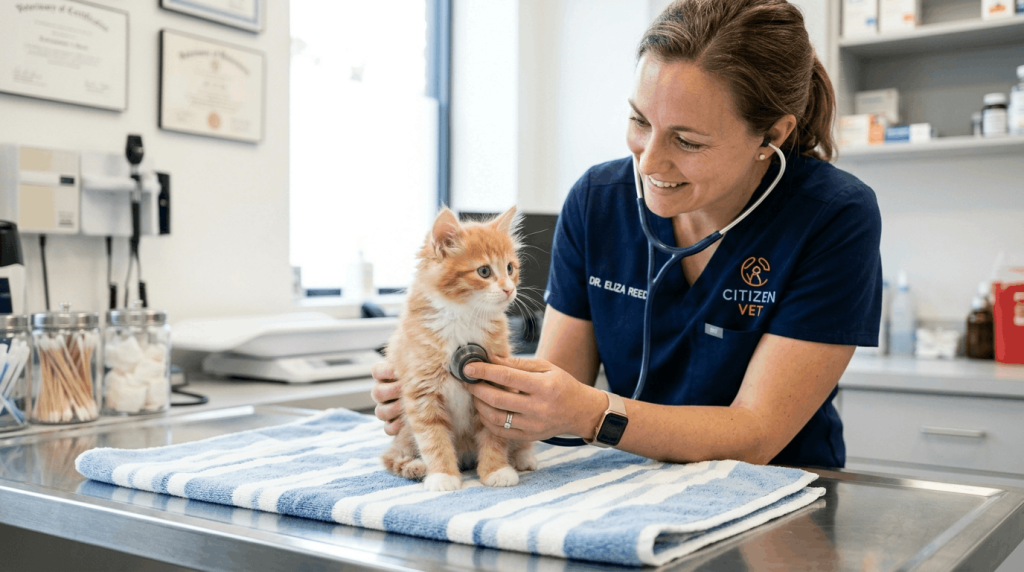

Bringing home a young cat is exciting, but many owners underestimate the importance of early veterinary care. Kitten vet visits play a major role in protecting long-term health, preventing disease, and supporting healthy development during the first months of life. Although kittens may appear energetic and healthy, hidden problems often develop quietly before symptoms become obvious.
Many first-time owners delay appointments because their kitten seems fine, eats normally, or behaves playfully. However, several dangerous conditions can progress rapidly in young cats without clear warning signs. Parasites, infections, nutritional deficiencies, and congenital issues may remain unnoticed until they become serious. Because kittens grow quickly, early medical care often makes a significant difference in treatment outcomes.
A kitten’s immune system is still developing during the first year of life. Therefore, regular veterinary care provides essential protection against illnesses that can become life-threatening if ignored. In addition, early checkups help veterinarians track growth, monitor weight, and identify concerns before they become expensive emergencies.
Why Early Veterinary Care Matters
The first months of a kitten’s life shape future health and development. During this stage, kittens experience rapid physical growth while learning social behaviors and adapting to their environment. Because their bodies are still developing, they remain especially vulnerable to disease and nutritional problems.
Kitten vet visits help establish a preventive care routine from the beginning. Vaccinations, parasite screenings, and wellness exams all work together to protect kittens from avoidable health threats. Moreover, veterinarians can identify subtle issues owners may miss at home.
Some illnesses progress quickly in young cats because their immune defenses are weaker than adult cats. Respiratory infections, intestinal parasites, and dehydration can worsen rapidly within days. Early veterinary intervention often prevents complications and reduces recovery time.
These appointments also provide important guidance for new owners. Feeding schedules, litter training, grooming habits, and behavioral concerns can all be addressed during routine visits. As a result, owners gain confidence while kittens receive better overall care.
Many people assume indoor kittens face fewer risks. However, indoor cats still require preventive healthcare. Parasites, viruses, and inherited conditions can affect indoor pets just as easily as outdoor animals. Consistent veterinary monitoring helps reduce those risks significantly.
The Hidden Dangers of Delayed Care
Delaying medical care often allows manageable conditions to become severe problems. Unfortunately, kittens may hide discomfort instinctively, which makes early symptoms difficult to detect without professional evaluation.
One major concern involves intestinal parasites. Worms and protozoa commonly affect young cats, especially rescue kittens or animals from crowded environments. These parasites can cause malnutrition, poor growth, diarrhea, anemia, and dehydration. Although some kittens show obvious symptoms, others appear healthy while parasites continue damaging their digestive system internally.
Kitten vet visits also help detect respiratory infections early. Sneezing, watery eyes, and mild congestion may seem harmless initially. However, untreated infections can spread to the lungs or cause chronic breathing issues later in life. In severe cases, young kittens may struggle to eat or breathe properly.
Delayed vaccinations create another serious risk. Kittens require scheduled vaccines because maternal antibodies gradually fade during early development. Without proper immunization, kittens remain vulnerable to dangerous diseases such as feline panleukopenia and calicivirus. These illnesses spread easily and can become fatal in young cats.
Dental problems sometimes begin earlier than owners expect. Retained baby teeth, jaw abnormalities, or oral infections may interfere with eating and development. Early examinations allow veterinarians to identify these issues before permanent damage occurs.
How Delayed Visits Affect Long-Term Health
Postponing routine care does not only create short-term risks. In many cases, delayed treatment affects lifelong health and wellness. Conditions that develop during kittenhood may continue causing problems well into adulthood.
Poor nutrition is one example. Kittens need carefully balanced nutrients to support bones, muscles, and organ development. Without professional guidance, owners may unintentionally feed diets lacking essential nutrients. Over time, nutritional imbalances can contribute to weak bones, obesity, digestive issues, and reduced immunity.
Kitten vet visits help ensure healthy weight gain and proper physical growth. Veterinarians monitor body condition closely and recommend adjustments when needed. Since kittens grow rapidly, small nutritional mistakes can have larger consequences during this stage.
Undiagnosed congenital conditions also present long-term concerns. Heart murmurs, skeletal abnormalities, and vision issues sometimes remain unnoticed until symptoms worsen. Early diagnosis allows better management and improves quality of life significantly.
Behavioral development may suffer as well. Stress, anxiety, and socialization challenges can intensify without guidance during early life stages. Veterinarians often provide advice that helps kittens adapt to households more comfortably while reducing destructive behaviors later.
Additionally, untreated infections sometimes damage internal organs permanently. Kidney complications, chronic respiratory problems, and weakened immunity may all result from illnesses that originally seemed minor. Therefore, preventive care remains far less costly and stressful than emergency treatment.
Parasites and Infectious Diseases Often Go Unnoticed
Parasites represent one of the most common hidden threats affecting kittens. Fleas, worms, ear mites, and intestinal protozoa frequently appear in young cats, especially those from shelters or outdoor environments.
Fleas can cause severe anemia in small kittens because blood loss affects them more dramatically than adult cats. Even a moderate infestation may weaken a young kitten quickly. Furthermore, fleas often transmit tapeworms and other parasites that create additional complications.
Kitten vet visits typically include fecal testing and parasite prevention recommendations. Early treatment protects digestive health while preventing parasites from spreading throughout the home.
Ear mites also commonly affect kittens. These microscopic pests cause irritation, inflammation, and infection inside the ears. If left untreated, severe infestations may lead to hearing issues or chronic discomfort.
Viral infections present another hidden danger. Some contagious illnesses spread before symptoms become noticeable. Kittens exposed to infected animals, contaminated surfaces, or crowded shelters may carry viruses without obvious signs initially.
Feline leukemia virus and feline immunodeficiency virus deserve particular attention. Although not every kitten carries these conditions, early testing helps identify infected animals quickly. Prompt diagnosis allows owners to provide safer environments and appropriate medical management.
The Financial Cost of Waiting Too Long
Many owners delay appointments because they hope to save money. Ironically, postponing preventive care often leads to much higher veterinary costs later.
Routine wellness visits usually cost far less than emergency treatment. Vaccinations, parasite prevention, and basic screenings remain affordable compared to hospitalization, surgery, or intensive medical care for advanced illness.
Kitten vet visits often prevent serious conditions from developing in the first place. Early intervention reduces the likelihood of expensive complications that require long recovery periods or repeated treatments.
For example, untreated parasites may lead to dehydration or severe anemia requiring emergency hospitalization. Likewise, preventable viral infections can create substantial medical bills within days.
Long-term treatment costs may also increase when diseases progress unchecked. Chronic respiratory problems, dental disease, and organ damage often require ongoing medication and monitoring throughout adulthood.
In addition, delayed care sometimes shortens a pet’s lifespan or reduces quality of life permanently. Emotional stress for owners can become significant when preventable illnesses reach advanced stages unexpectedly.
Behavioral and Emotional Effects of Poor Health
Physical health problems frequently influence behavior in subtle ways. Kittens experiencing discomfort, illness, or nutritional deficiencies may become withdrawn, irritable, or unusually fearful.
Some owners mistake these behaviors for personality traits rather than signs of underlying health concerns. However, discomfort often affects mood, energy, and social interaction significantly.
Kitten vet visits help veterinarians distinguish between normal developmental behavior and medical issues requiring treatment. Early support may improve socialization and reduce future anxiety.
Painful conditions such as ear infections or digestive discomfort sometimes cause aggression or litter box avoidance. Once treatment begins, behavior often improves naturally.
Stress during early development can also affect confidence and adaptability later in life. Kittens that receive consistent healthcare and proper handling generally adjust better to grooming, travel, and social situations.
Furthermore, healthy kittens tend to develop stronger immune systems and more stable routines. This balance often contributes to calmer behavior and better emotional well-being over time.
What Happens During Early Checkups
Many owners feel uncertain about what veterinary visits actually involve. Understanding the process can reduce anxiety and encourage timely appointments.
Most kitten vet visits begin with a complete physical examination. Veterinarians check weight, body condition, heart function, breathing, eyes, ears, teeth, skin, and coat quality. They also evaluate mobility and overall development.
Vaccinations usually follow a structured schedule beginning around six to eight weeks of age. Since maternal antibodies gradually fade, kittens require multiple vaccine boosters for proper protection.
Parasite screenings often include fecal testing to identify worms or intestinal infections. Veterinarians may also recommend flea prevention and deworming treatments depending on the kitten’s environment and history.
Nutrition discussions play an important role as well. Veterinarians help owners choose appropriate food based on age, breed, activity level, and growth needs.
Behavioral guidance often becomes part of these appointments. Litter box habits, scratching behavior, socialization, and household adjustment are common discussion topics for new cat owners.
Microchipping may also be recommended early. This simple procedure increases the likelihood of reunification if a kitten becomes lost later in life.
Building Healthy Habits From the Start
Creating a positive veterinary routine during kittenhood benefits both cats and owners in the future. Kittens exposed to gentle handling and regular examinations often become less fearful during adult appointments.
Consistency matters greatly. Routine checkups help establish trust between the veterinarian, owner, and pet. Additionally, regular monitoring allows subtle health changes to be identified quickly.
Kitten vet visits provide opportunities to discuss preventive strategies tailored to each cat’s lifestyle. Indoor cats, multi-pet households, and outdoor pets all face different risks requiring personalized care plans.
Healthy habits at home also support veterinary care. Proper nutrition, hydration, exercise, grooming, and mental stimulation all contribute to stronger overall wellness.
Owners should observe appetite, litter box habits, coat condition, and energy levels closely. Even small changes can provide early clues about underlying health concerns.
Most importantly, veterinary care should never begin only after symptoms appear. Preventive care remains one of the most effective ways to protect kittens from avoidable suffering and long-term complications.
Conclusion
Delaying veterinary care may seem harmless when a kitten appears playful and healthy. However, many dangerous conditions develop quietly during the first months of life. Kitten vet visits help identify hidden illnesses, prevent serious infections, support healthy growth, and establish strong preventive care habits from the beginning.
Early checkups provide far more than vaccinations alone. They create opportunities to monitor development, improve nutrition, detect congenital conditions, and protect long-term wellness before problems become severe. In many cases, timely care saves both money and emotional stress by preventing emergencies later.
Every kitten deserves a healthy start. By scheduling veterinary visits early and maintaining consistent care, owners can support stronger immunity, healthier development, and a better quality of life for years to come.
FAQ
1. How soon should a new kitten see a veterinarian?
Most kittens should visit a veterinarian within the first week after arriving home to begin preventive care and health screening.
2. Why are early vaccinations important for young cats?
Vaccinations protect kittens from dangerous infectious diseases while their immune systems are still developing.
3. Can indoor kittens still develop parasites or illnesses?
Yes, indoor kittens can still contract parasites, infections, and inherited conditions that require regular medical monitoring.
4. What signs suggest a kitten may need immediate medical attention?
Loss of appetite, diarrhea, breathing problems, vomiting, weakness, or sudden behavior changes all require prompt veterinary evaluation.
5. How often should young cats receive wellness checkups?
Kittens usually need several visits during the first year for vaccines, growth monitoring, and preventive healthcare guidance.